
How AI-Powered HR Software solution Accelerate Workplace Productivity

- Automate routine HR tasks with AI-powered HR Software solution.
- Make faster decisions using real-time workforce insights.
- Improve employee experience with self-service and automation.
- Choose scalable HR Software solution to support long-term growth.
AI is changing the way businesses manage their workforce. Instead of spending hours on repetitive HR tasks, organizations are using HR Software solution powered by AI to automate processes, improve decision-making, and help employees get the support they need faster. These tools make HR operations more efficient and consistent, allowing HR teams to focus on strategy, employee experience, and business growth.
According to Microsoft WorkLab, 82% of business leaders say this is a critical year to rethink strategy and operations with AI, highlighting the growing role of AI in building more productive workplaces.
In this article, you’ll learn how AI-powered HR Software solution improve workplace productivity, the key capabilities to look for in a modern HR platform, and how AI is helping businesses build a more efficient and connected workplace.
What Is AI-Powered HR Software solution?
AI-powered HR Software solution use artificial intelligence to automate routine HR tasks, provide workforce insights, and help employees and managers complete everyday HR activities more efficiently. Unlike traditional HR systems that mainly store employee data, AI-powered platforms actively support HR teams by answering questions, analyzing information, and reducing repetitive manual work.
Think of AI as a smart assistant for your HR team. It helps employees quickly find HR information while allowing HR professionals to spend less time on administrative tasks. Instead of searching through records or creating reports manually, HR teams can access information in seconds, while employees receive faster answers to common HR questions.
According to Deloitte, 72% of executives and 74% of employees believe it is very or critically important for organizations and workers to adapt and continuously learn in a rapidly changing workplace.
How AI-Powered HR Software solution Improve Workplace Productivity
Every minute spent on repetitive administrative work is time that could be invested in supporting employees or improving business performance. AI helps organizations recover those lost hours by making HR processes faster, more accurate, and easier to manage.
Here are the biggest ways AI-powered HR Software solution increase workplace productivity.
1. Automate Repetitive HR Tasks
HR teams often spend hours each week handling routine administrative work.
These tasks include:
- Updating employee records
- Approving leave requests
- Assigning onboarding tasks
- Sending policy reminders
- Managing HR documents
- Tracking employee activities
AI automates these routine processes using predefined workflows and intelligent triggers. This reduces manual effort, minimizes delays, and helps HR teams complete more work without increasing headcount.
2. Deliver Faster Employee Support
Employees often ask the same HR questions every day.
Examples include:
- How many leave days do I have?
- Where can I find company policies?
- How do I submit an expense?
- Who approves my request?
- Where is my onboarding checklist?
Instead of waiting for HR to respond, AI-powered assistants can instantly provide answers, helping employees resolve common requests on their own. This reduces HR workload while improving the employee experience.
3. Make Better Decisions with Real-Time Insights
Good decisions depend on accurate information.
Modern HR Software solution use AI-powered dashboards to turn workforce data into clear, actionable insights. HR leaders can monitor trends, identify potential issues, and make informed decisions based on real-time information rather than outdated spreadsheets.
Examples of useful insights include:
- Leave trends across departments
- Attendance patterns
- Hiring progress
- Employee onboarding status
- Performance review completion
- Workforce growth over time
With better visibility, managers can address challenges before they become larger problems.
4. Speed Up Employee Onboarding
A slow onboarding experience affects both productivity and employee confidence.
AI helps automate onboarding by assigning tasks, sharing required documents, sending reminders, and tracking progress automatically.
New employees can complete paperwork, access company resources, and understand their responsibilities sooner, allowing them to become productive much faster.
At the same time, HR teams spend less time coordinating emails and following up on incomplete tasks.
5. Improve Collaboration Across Teams
Modern organizations rely on collaboration between HR, managers, and employees.
AI-powered HR Software solution integrated with Microsoft 365 allow HR processes to happen within familiar tools such as Microsoft Teams and SharePoint.
Employees can submit requests, managers can approve them, and HR teams can monitor progress without switching between multiple applications.
Working in one connected environment improves communication and reduces delays across the organization.
6. Reduce Human Errors
Manual data entry increases the risk of mistakes.
Incorrect employee information, missed approvals, duplicate records, or outdated documents can create unnecessary work and affect employee trust.
AI helps reduce these errors by validating information, automating repetitive updates, and maintaining consistent workflows.
This improves data accuracy and gives HR teams greater confidence in their records and reports.
7. Free HR Teams to Focus on People
The greatest benefit of AI isn’t simply faster processes—it’s giving HR professionals more time to focus on what matters most.
When routine work is automated, HR teams can dedicate more time to:
- Career development
- Leadership support
- Talent retention
- Workforce planning
- Organizational culture
- Strategic HR initiatives
Instead of being overwhelmed by administrative work, HR becomes a strategic partner that helps the business grow.
Key Features to Look for in AI-Powered HR Software solution
When comparing HR Software, look beyond basic HR functions. The best platforms combine automation, AI, and easy-to-use tools that support the entire employee lifecycle.
Here are the features that matter most.
AI-Powered HR Assistant
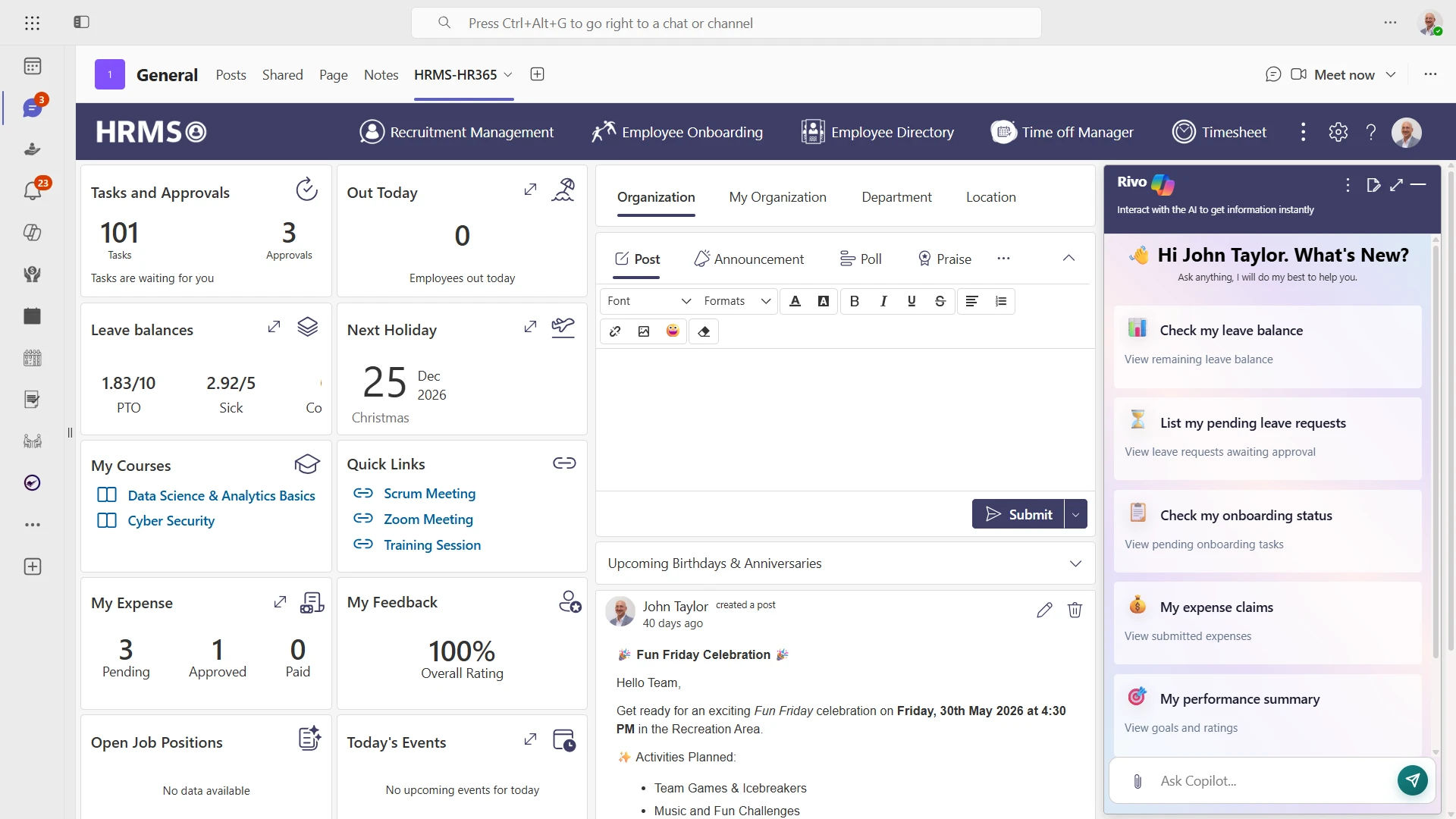
An AI assistant helps employees and HR teams find information without searching through emails or documents.
It can:
- Answer common HR questions instantly
- Guide employees through HR processes
- Help HR teams locate employee information faster
- Reduce repetitive support requests
This improves response times while allowing HR professionals to focus on more strategic work.
Employee Records Management
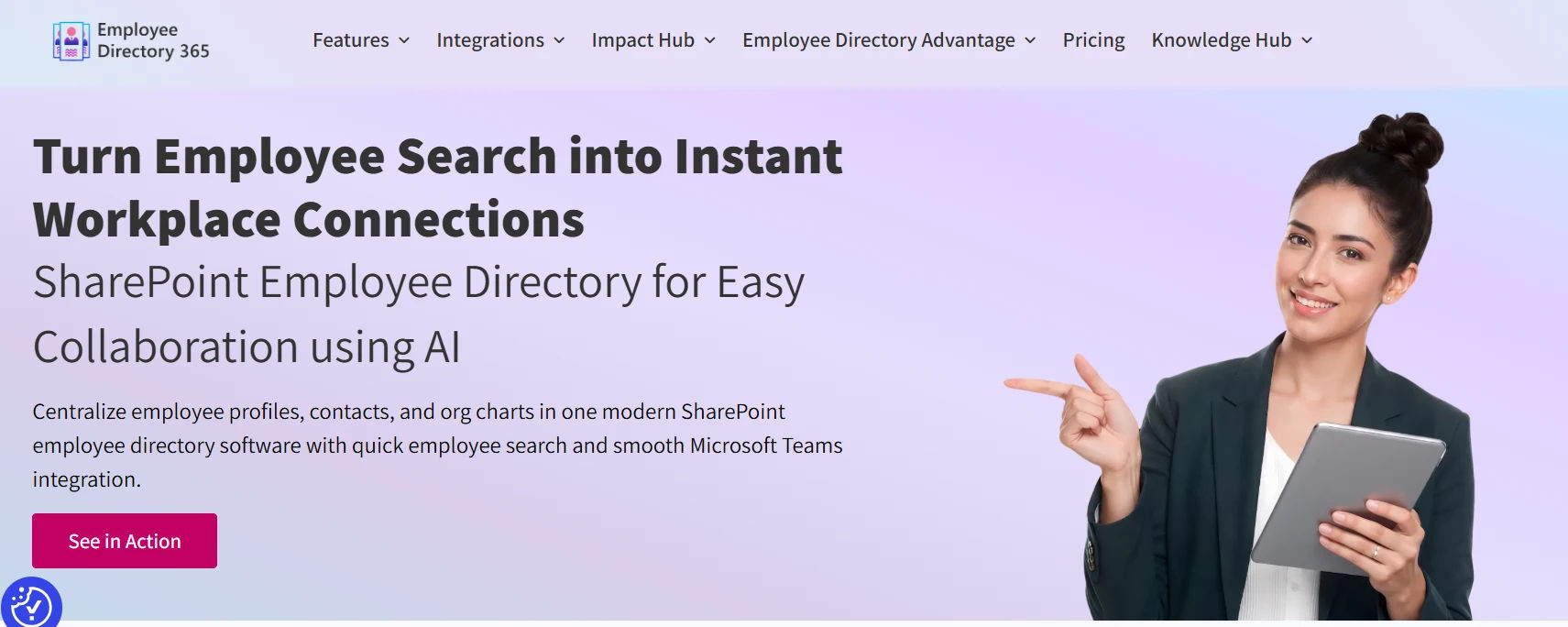
Employee information should be organized, secure, and easy to access.
A modern HR platform should allow you to:
- Store employee profiles in one place
- Track job history and organizational changes
- Manage contracts and important documents
- Keep records updated automatically
Having one reliable source of employee information reduces errors and saves valuable time.
Automated Leave and Attendance Management
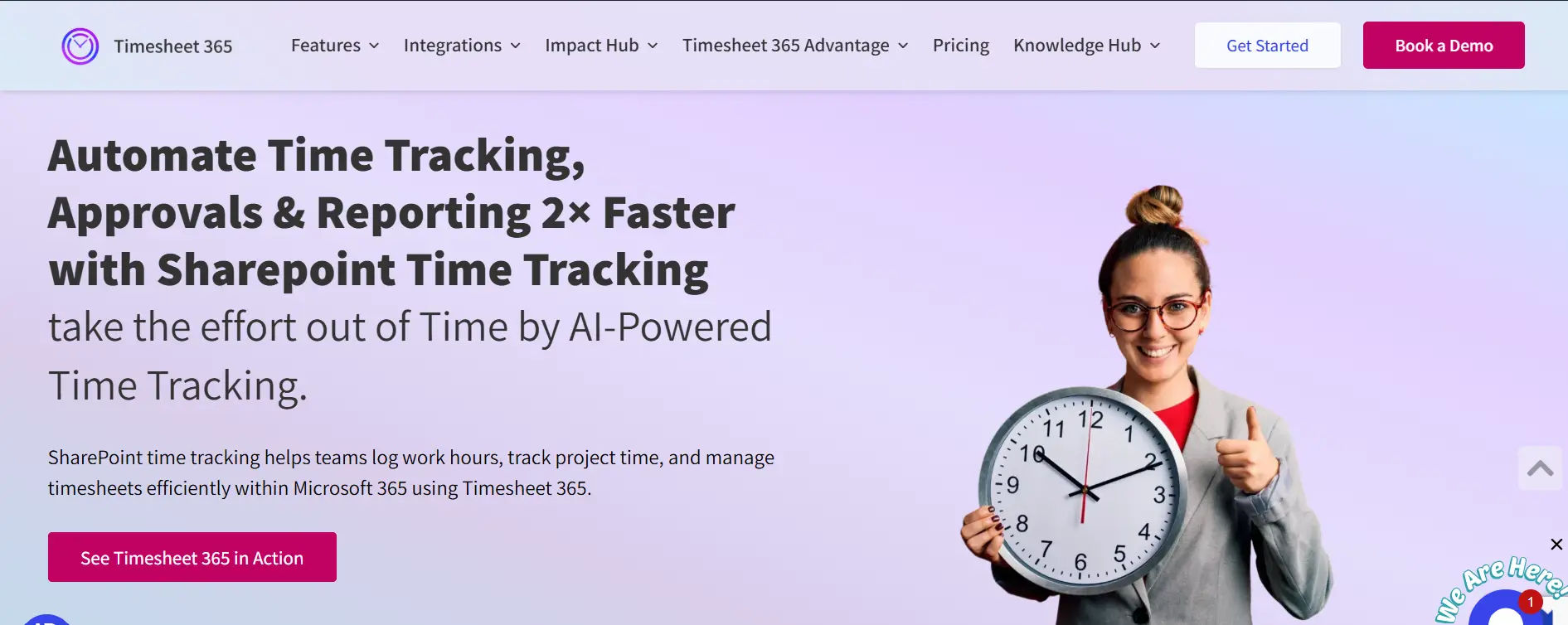
Manual leave tracking often creates confusion for employees, managers, and HR teams.
The right HR Software solution should automate:
- Multi-level approvals
- Holiday calendars
- Attendance tracking
- Leave balance calculations
- Notifications and reminders
Automation makes the process faster while giving employees better visibility into their requests.
Smart Employee Onboarding
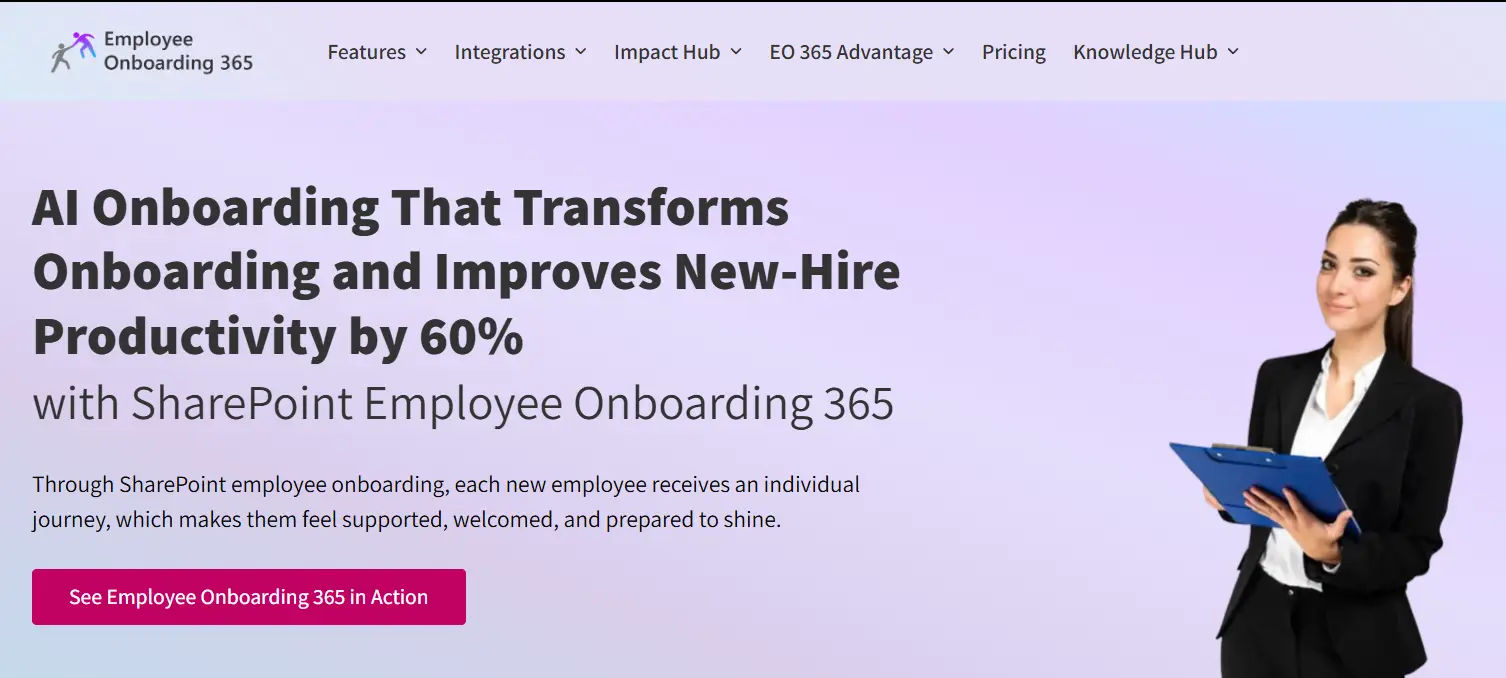
First impressions matter.
A structured onboarding process helps new employees become productive sooner while reducing the administrative workload for HR.
Look for features such as:
- Document collection
- Automated task assignments
- Welcome workflows
- Progress tracking
- Manager notifications
With automation, every new hire receives a consistent onboarding experience.
Performance Management
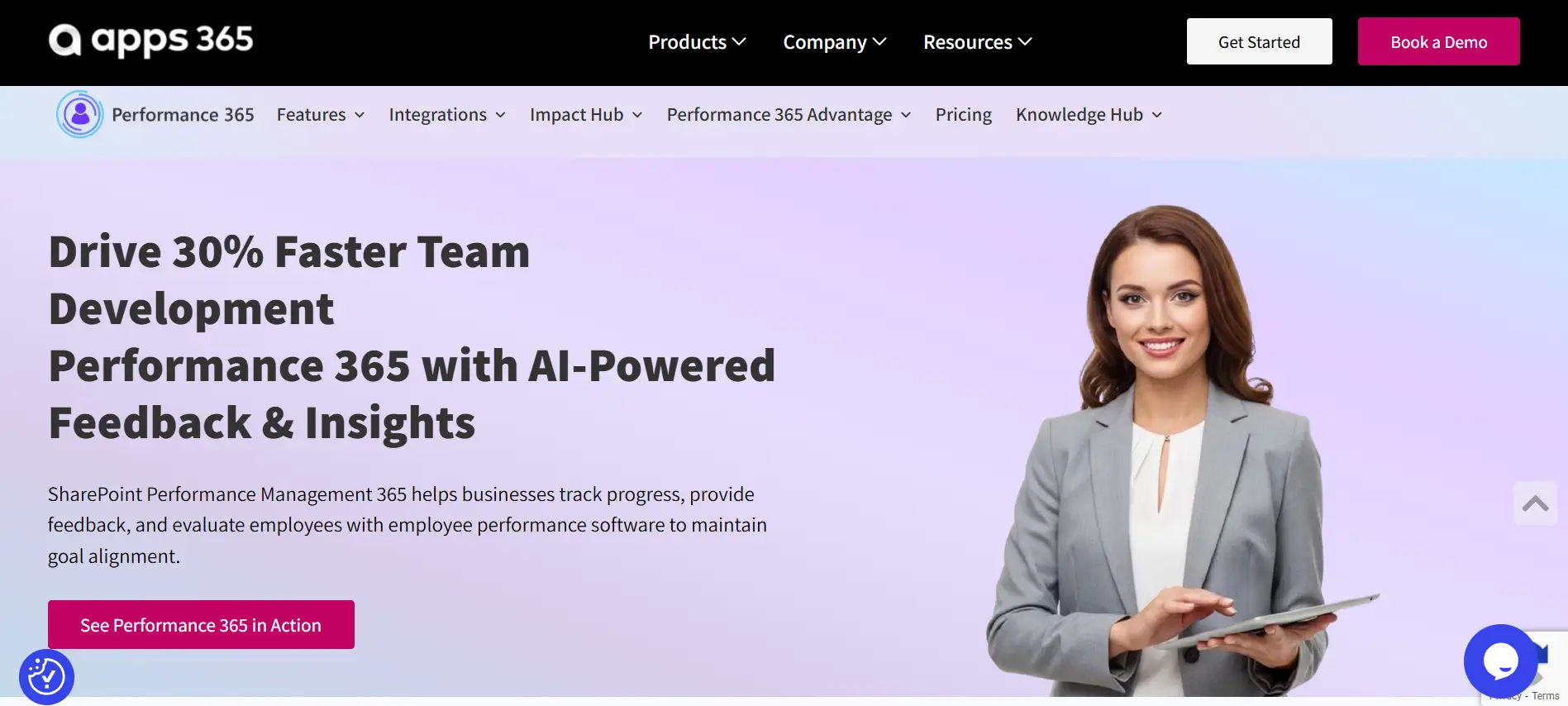
Employee growth depends on regular feedback and clear goals.
Modern HR Software solution should support:
- Performance reviews
- Continuous feedback
- Manager evaluations
- Development planning
These tools help managers recognize achievements, identify improvement areas, and support employee development.
Employee Self-Service
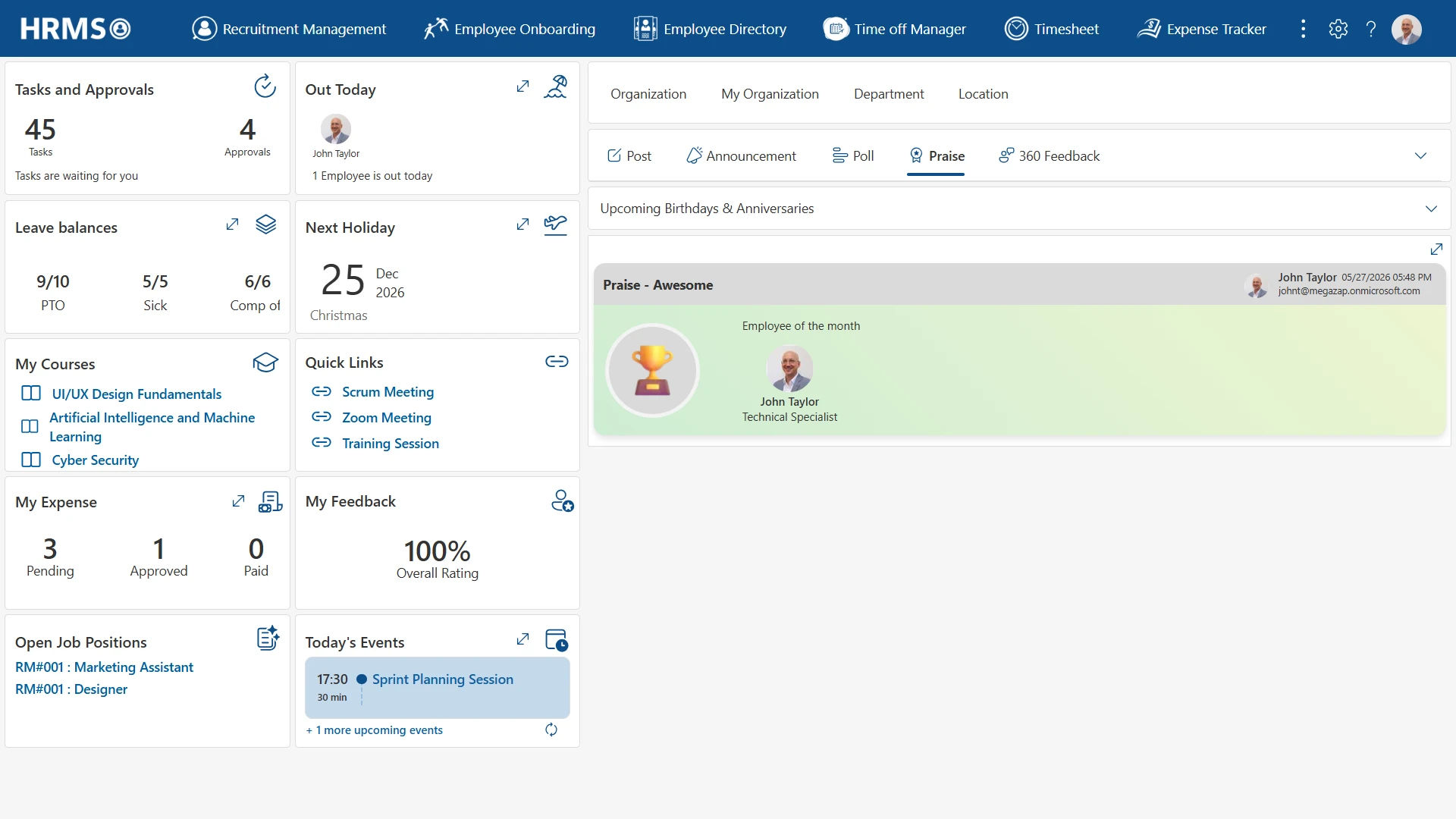
Employees expect quick access to their own information.
A self-service portal allows them to:
- Update personal information
- Submit leave requests
- View attendance records
- Access HR documents
- Complete performance reviews
Giving employees more control reduces HR workload while improving the overall employee experience.
Learning and Skill Development
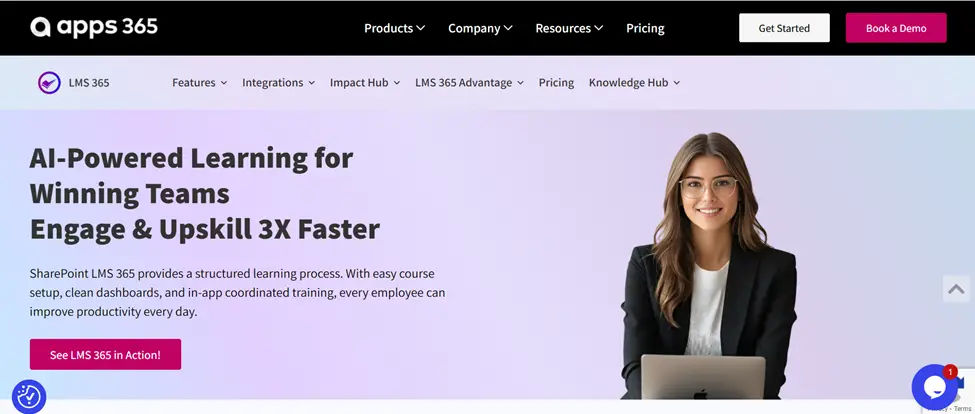
Continuous learning keeps employees engaged and prepared for new challenges.
A built-in learning management system helps organizations:
- Deliver training programs
- Assign learning courses
- Track course completion
- Monitor employee progress
- Support professional development
Organizations that invest in learning often build stronger, more adaptable teams.
HR Dashboards and Workforce Analytics
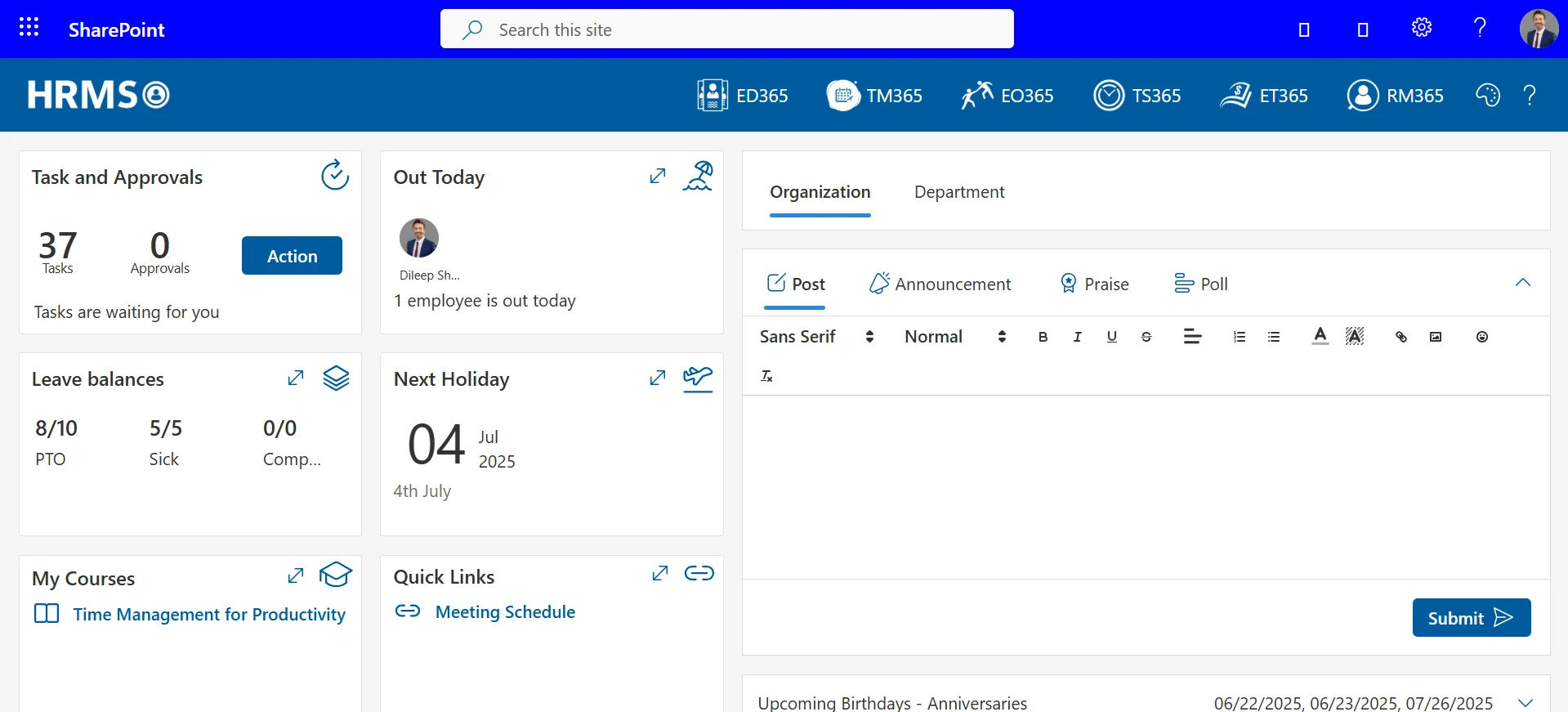
HR leaders need more than reports—they need insights.
Interactive dashboards provide a clear view of workforce trends, helping leaders make informed decisions.
Key metrics may include:
- Employee headcount
- Attendance summaries
- Hiring progress
- Performance completion rates
- Department-level insights
Instead of manually creating reports, decision-makers can access real-time information whenever they need it.
Workflow Automation
One of the biggest advantages of AI-powered HR Software solution is workflow automation.
Automated workflows can handle routine HR activities such as:
- Employee onboarding
- Document approvals
- Task assignments
- Notifications
- HR request routing
Automation reduces delays, improves consistency, and keeps work moving without constant follow-up.
Common Mistakes to Avoid When Choosing HR Software solution
Investing in new HR technology is an important decision. However, many organizations focus only on immediate needs and overlook factors that affect long-term success. Avoiding these common mistakes can help you choose HR Software solution that continue to deliver value as your business grows.
Choosing Software Based Only on Price
Lower pricing may seem attractive, but the least expensive option is not always the best investment. Consider the overall value the platform provides, including automation, ease of use, scalability, and ongoing support.
Ignoring Employee Experience
HR software should be simple for everyone—not just the HR team. If employees struggle to submit requests, access information, or complete routine tasks, adoption will be low and productivity gains will be limited.
Overlooking Integration Capabilities
Many organizations already use tools for communication, collaboration, and document management. Selecting HR Software solution that integrate with your existing workplace technology helps create a connected experience and reduces duplicate work.
Focusing Only on Current Requirements
Your workforce, processes, and business goals will change over time. Choosing software that can adapt to future growth helps avoid costly migrations and unnecessary disruptions later.
Underestimating the Importance of Data and Reporting
HR decisions are stronger when they are backed by reliable information. A platform with clear dashboards and workforce insights enables leaders to identify trends, monitor progress, and make informed decisions with confidence.
Not Considering Vendor Support
Even the best software requires guidance during implementation and ongoing use. Look for a provider that offers regular product updates, responsive customer support, and resources to help your team get the most from the platform.
Rushing the Decision
Selecting HR software should involve HR leaders, managers, IT teams, and key stakeholders. Taking time to evaluate business needs, compare options, and request a product demonstration can lead to a more successful implementation and better long-term results.
How to Choose the Right AI-Powered HR Software Solution
Buying HR software is not just about comparing features. The right solution should fit your company’s size, daily processes, and future growth. A platform that works well for a small business may not meet the needs of a growing organization with multiple departments.
Before making a decision, ask these important questions.
Does It Fit Your Existing Work Environment?
Employees are more likely to use software that feels familiar.
If your organization already works in Microsoft 365, choosing an HR platform that connects with Microsoft Teams, SharePoint, Outlook, and Microsoft Entra ID can reduce training time and encourage faster adoption.
Instead of asking employees to learn another application, HR processes become part of the tools they already use every day.
Will It Grow with Your Business?
Your HR needs today may look very different in two years.
Look for HR Software solution that can support:
- More employees
- Multiple office locations
- Different departments
- Changing HR policies
- New business units
A scalable platform helps avoid costly system changes as your business expands.
Is the Software Easy to Use?
Even the most advanced platform won’t deliver value if employees avoid using it.
Choose software with:
- A clean interface
- Simple navigation
- Mobile accessibility
- Clear workflows
- Fast search capabilities
When employees can complete HR tasks without assistance, adoption increases naturally.
Can HR Teams Customize Workflows?
Every organization has unique HR processes.
Instead of changing your policies to match the software, look for a solution that lets you configure:
- Approval flows
- Employee forms
- Department structures
- Leave policies
- Notifications
- Role-based permissions
This flexibility helps the software adapt to your business rather than the other way around.
Does It Provide Actionable Workforce Insights?
Collecting HR data is only the first step.
The real value comes from understanding what that data reveals.
Choose a platform that helps answer questions like:
- Which departments have the highest absenteeism?
- How quickly are new employees completing onboarding?
- Which HR requests take the longest to resolve?
- Where are managers spending the most approval time?
These insights help leaders make proactive decisions instead of reacting to problems later.
How Strong Are the Security Controls?
Employee records contain sensitive business information.
A reliable HR platform should support:
- Role-based access
- Secure document storage
- Audit trails
- Data encryption
- Microsoft security standards
Protecting employee information is just as important as managing it efficiently.
Does the Vendor Continue to Innovate?
AI is changing HR rapidly.
Choose a software provider that regularly introduces improvements, new AI capabilities, and product enhancements. A platform that evolves with workplace technology will continue delivering value long after implementation.
HR Software solution Checklist: Questions to Ask Before You Decide
Choosing the right HR platform starts with understanding your organization’s priorities. Before comparing vendors or requesting a demo, use this checklist to evaluate whether a solution aligns with your business goals.
✓ Does It Solve Your Biggest HR Challenges?
Start by identifying the problems you want to fix.
Ask yourself:
- Are manual HR tasks taking too much time?
- Are employees waiting too long for HR support?
- Do managers struggle to access workforce information?
- Are HR processes inconsistent across teams?
The right HR Software solution should address these challenges rather than add another layer of complexity.
✓ Can It Improve Daily Productivity?
Look beyond feature lists and consider the impact on everyday work.
A modern solution should help your organization:
- Reduce repetitive administrative tasks
- Speed up approvals and requests
- Keep employee information organized
- Improve collaboration between HR and managers
- Give employees quick access to HR services
When daily tasks become easier, productivity improves across the organization.
✓ Is It Built for Long-Term Growth?
Your HR software should support your business as it evolves.
Consider whether the platform can:
- Handle a growing workforce
- Adapt to changing HR policies
- Support new business locations
- Scale without requiring a complete system replacement
Choosing software with long-term flexibility helps protect your investment.
✓ Does It Fit Your Existing Technology?
A platform that works with your current digital workplace is easier to adopt and manage.
For organizations using Microsoft 365, HR365 HRMS extends familiar tools with AI-powered HR capabilities, allowing employees and managers to complete HR tasks within the environment they already use.
✓ Will Employees Actually Use It?
Even the most advanced platform delivers little value if employees avoid using it.
Look for software that offers:
- A simple interface
- Clear navigation
- Mobile accessibility
- Easy self-service options
- Fast access to information
Higher adoption leads to better results for employees, managers, and HR teams alike.
Make Your Decision with Confidence
Every organization has unique HR needs, but the goal is the same: choosing HR Software solution that help people work more efficiently, support business growth, and create a better employee experience.
By evaluating software against your business objectives instead of simply comparing feature lists, you can select a solution that continues to deliver value well into the future.
The Future of Work Depends on Smarter HR Software solution
Workplaces are becoming more digital, more connected, and more employee-focused. As businesses grow, HR teams are expected to do much more than manage records and approve requests. They are expected to improve employee experiences, support managers, and provide insights that help leaders make better decisions.
According to Gartner, Only 27% of executives have a comprehensive AI upskilling strategy, while only 20% believe their workforce is prepared to use AI effectively.
This shift is changing what organizations expect from HR Software solution.
In the past, HR systems were mainly used to store employee information. Today, they help organizations automate routine work, connect teams, and turn workforce data into meaningful insights. AI is making these systems even more valuable by helping HR teams respond faster, reduce manual effort, and support employees throughout their journey.
What Organizations Are Looking for Today
Businesses are no longer choosing HR software based only on basic functionality. They want solutions that can adapt as their workforce grows and workplace expectations change.
Modern organizations often look for platforms that can:
- Support hybrid and remote teams
- Reduce manual HR work through automation
- Improve employee self-service
- Deliver real-time workforce insights
- Connect with existing business tools
- Scale as the organization grows
- Keep employee information secure
These capabilities help organizations stay prepared for both current needs and future challenges.
AI Will Continue to Shape HR
Artificial intelligence is becoming a valuable part of everyday HR operations. Instead of replacing HR professionals, it helps them work more efficiently by handling repetitive tasks and providing useful recommendations.
In the coming years, AI-powered HR Software solution are expected to play a bigger role in:
- Personalized employee experiences
- Intelligent workforce planning
- Faster decision-making
- Predictive workforce analytics
- Automated document management
- Continuous employee support
Organizations that adopt these technologies early are better positioned to respond to change and improve workplace productivity over time.
Preparing for the Next Generation of HR
The future of HR is not about adding more tools—it’s about choosing smarter ones.
The right HR Software solution should help organizations reduce complexity, improve collaboration, and create a workplace where HR teams, managers, and employees can work together more effectively.
Businesses that invest in AI-powered HR technology today are building a stronger foundation for tomorrow’s workforce. They are not only improving daily operations but also creating an environment where people can focus on meaningful work instead of repetitive administrative tasks.
Conclusion
AI-powered HR Software solution use artificial intelligence to automate routine HR tasks, improve decision-making, and provide real-time workforce insights. Unlike traditional HR systems that mainly store employee data, AI-powered platforms help HR teams work faster by reducing manual effort and supporting everyday HR operations.
Think of AI as a smart HR assistant that helps employees find information quickly while enabling HR professionals to focus on strategic initiatives instead of administrative work. HR365 HRMS creates a more efficient workplace, improves employee experience, and helps organizations boost overall productivity.
Ready to Improve Workplace Productivity?
Discover how HR365 HRMS helps you automate HR processes, empower employees, and manage your workforce from a single Microsoft 365 platform.
Frequently Asked Questions
What are HR Software solution?
HR Software solution are digital platforms that help organizations manage employee information, leave, attendance, onboarding, performance, documents, and other HR processes from a centralized system. Modern solutions also use AI and automation to reduce manual work and improve workplace efficiency.
How do AI-powered HR Software solution improve workplace productivity?
AI-powered HR Software solution automate repetitive tasks, provide instant access to HR information, assist with employee requests, generate workforce insights, and help managers make faster decisions. This allows HR teams to spend more time on strategic initiatives instead of administrative work.
How can HR Software solution help HR managers save time?
AI-powered HR Software solution automate routine tasks such as leave management, onboarding, employee record updates, and approvals. This reduces administrative work and allows HR managers to focus on employee engagement, talent development, and strategic HR initiatives.
How do I choose the right HR software solution?
Start by identifying your biggest HR challenges and future business goals. Compare HR Software solution based on ease of use, scalability, AI capabilities, security, reporting, integration options, customer support, and the overall value they provide rather than focusing only on price.
Why are AI-powered HR Software solution important for Small businesses?
As businesses expand, managing employee information and HR processes becomes more complex. AI-powered HR Software solution help growing organizations maintain consistency, reduce manual work, and support employees without increasing the HR team’s workload.

_JiluXJRGNl.svg)























