

The Complete Guide to HR Document Management Software for HR Teams in 2026

- HR document management software centralizes employee records and reduces manual document handling.
- Look for features such as secure storage, automated workflows, role-based access, and Microsoft 365 integration.
- Choosing the right solution helps HR teams save time, improve document organization, and support business growth.
- HR365 HRMS combines document management with core HR functions in a secure Microsoft 365 environment.
Managing HR documents with paper files, spreadsheets, or disconnected folders creates unnecessary work for HR teams. Finding employee records, tracking document updates, and maintaining secure access become more difficult as organizations grow.
HR document management software gives HR teams one place to manage employee files throughout the employee lifecycle. From offer letters and onboarding documents to performance records, training certificates, and policy acknowledgments, every document is stored securely and can be accessed by authorized users when needed.
According to Gartner, 48% of HR leaders planned to increase their HR technology budget, reflecting the growing demand for digital solutions that support modern HR operations. As organizations continue to adopt digital workplace technologies, they are looking for HR document management that offers secure document storage, automation, Microsoft 365 integration, and complete visibility without adding complexity to everyday HR work.
This guide explains what HR document management software is, the features to look for, the leading solutions in 2026, and why HR365 HRMS is a strong choice for organizations using Microsoft 365.
What is HR Document Management Software?
HR document management software is a solution that stores, organizes, manages, and protects employee documents in one secure location. Instead of maintaining paper files or scattered digital folders, HR teams can access all employee records through a centralized system with controlled permissions.
According to PwC, 60% of business leaders say digital transformation is a critical driver of business growth, highlighting the need for modern HR systems that securely manage employee documents and support efficient HR operations.
The software supports every stage of the employee life cycle. Documents remain organized, searchable, and available whenever HR managers or authorized department heads need them.
Common documents managed include:
- Employment contracts
- Offer letters
- Employee personal records
- Identity and verification documents
- Company policy acknowledgments
- Performance reviews
- Training certificates
- Leave documents
- Attendance records
- Exit and separation documents
Modern HR document management solutions also include automated document workflows, document version history, electronic signatures, reminders for document expiry, and role-based permissions to reduce manual administration.
What Key Features Should You Look for in HR Document Management Software
Choosing the right HR document management software is about more than storing files digitally. The best solutions help HR teams manage employee documents throughout the entire employee lifecycle while keeping information secure, organized, and easy to access.
Here are the key features to consider when evaluating HR document management solutions in 2026.
Centralized Document Repository
A centralized document repository keeps all employee documents in one secure location instead of spreading them across emails, shared folders, and local drives.
HR teams can quickly locate contracts, onboarding documents, policy acknowledgments, training certificates, and performance records without searching through multiple systems. A centralized repository also helps maintain consistency across departments and reduces duplicate files.
AI-Assisted Document Organization
Many modern HR document management solutions now use AI to assist with document categorization, metadata suggestions, duplicate detection, and faster document searches.
Rather than replacing HR decisions, these capabilities reduce repetitive administrative work and help teams organize documents more efficiently.
Role-Based Access Control
Not every user should have access to every HR document. Role-based permissions ensure that only authorized users can view, edit, upload, or approve specific files.
This protects confidential employee information while supporting internal security policies. Managers can access documents relevant to their teams, while HR administrators maintain complete control over sensitive records.
Automated Document Workflows
Manual document handling slows HR processes and increases the chance of errors. Automated workflows help HR teams manage document approvals, updates, notifications, and employee acknowledgments with less manual effort.
For example, onboarding documents can be assigned automatically to new hires, while managers receive notifications when approvals are required. This reduces delays and keeps HR processes moving efficiently.
Secure Document Storage
Employee records contain sensitive business and personal information, making security a top priority.
Look for software that offers secure storage, data encryption, controlled access, activity tracking, and regular backups. Organizations using Microsoft 365 often prefer solutions that keep documents within their own Microsoft environment instead of storing them on third-party servers.
Advanced Search and Document Organization
As organizations grow, HR teams manage thousands of employee documents.
Advanced search capabilities make it easy to locate files using employee names, departments, document types, dates, or keywords. Well-organized document categories save time and reduce frustration when information is needed quickly.
Version History and Document Tracking
Employee documents change over time. Employment agreements, policies, certifications, and other records often require updates.
Version history ensures previous copies are preserved while allowing HR teams to track changes and maintain accurate document records. This reduces confusion and helps teams work with the latest version of every document.
Electronic Signatures
Electronic signatures eliminate the need to print, scan, and manually store signed documents.
Offer letters, policy acknowledgments, onboarding forms, and other HR documents can be signed digitally, helping organizations complete document processes faster while maintaining accurate records.
Automated Notifications and Expiry Reminders
Many HR documents have renewal dates or expiration periods.
Automated reminders notify HR teams before certifications, identity documents, contracts, or other important records expire. This helps organizations keep employee records up to date and reduces the risk of missing important deadlines.
Mobile Accessibility
HR work is no longer limited to the office. Managers and HR professionals often need access to employee documents while working remotely or travelling.
Mobile-friendly HR document management software provides secure access from smartphones, tablets, and laptops, allowing authorized users to review and manage documents wherever they are.
Integration with Your HRMS
Document management becomes more effective when it works alongside the rest of your HR system.
Look for software that integrates with employee records, onboarding, leave management, performance management, recruitment, and other HR processes. Connected systems reduce duplicate work and ensure employee information stays consistent across the organization.
Scalable Storage and Management
As businesses grow, so does the number of employee records.
Choose a solution that can manage increasing document volumes without affecting performance. Scalable software supports growing teams, multiple departments, and expanding business operations without requiring a complete system replacement.
Top 5 HR Document Management Software in 2026
Choosing the right HR document management software depends on your organization’s size, existing technology, security requirements, and HR processes. While many platforms offer document storage, the best solutions combine document management with employee records, onboarding, approvals, and collaboration.
Here are some of the leading HR document management software solutions in 2026.
1. HR365 HRMS
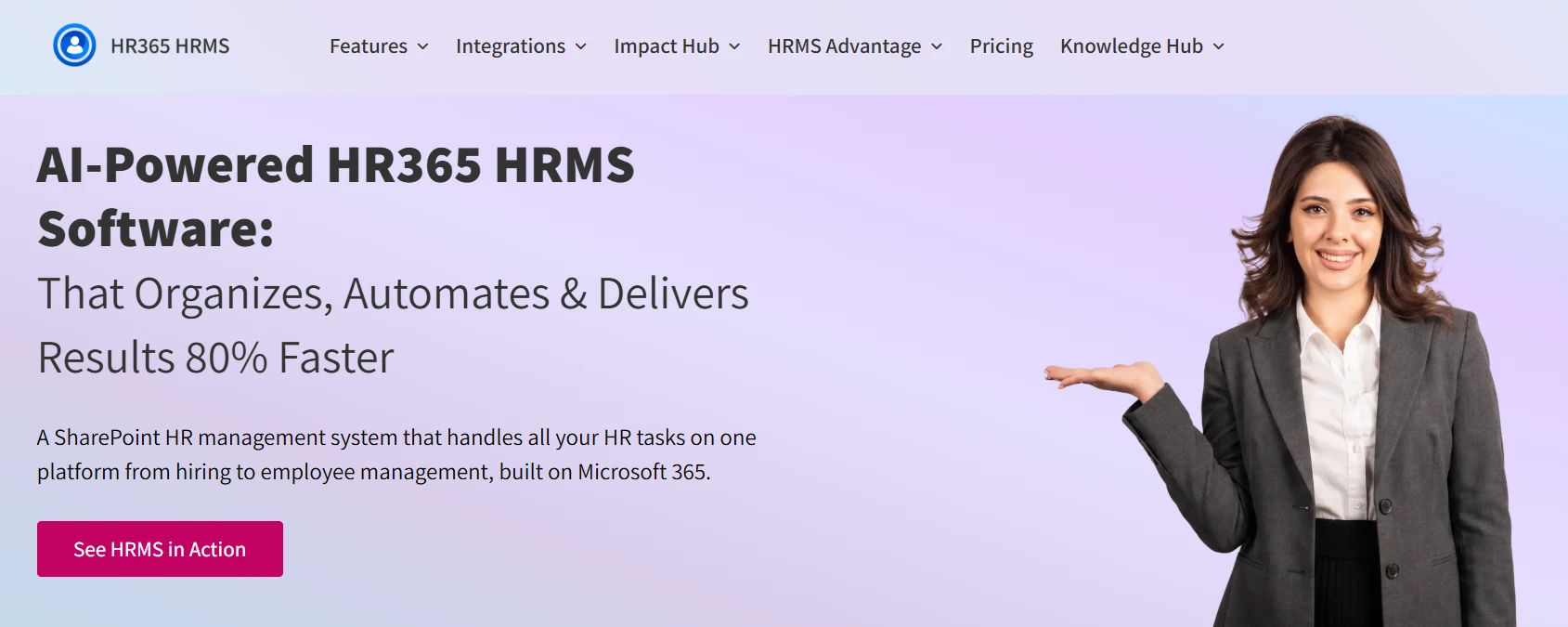
Best for: Organizations using Microsoft 365 and SharePoint
HR365 HRMS offers a dedicated document management solution built for HR teams that want to manage employee records securely within their Microsoft environment. Instead of storing files on third-party platforms, documents remain in your organization’s Microsoft 365 tenant, giving you greater control over your data.
Key highlights
- Secure document storage within Microsoft 365 and SharePoint
- Native integration with Microsoft Teams
- Centralized employee document repository
- Role-based document permissions
- Automated document workflows
- Employee onboarding document management
- Digital document approvals
- Version history and document tracking
- Document expiry reminders and notifications
- Scalable solution for growing organizations
Organizations already using Microsoft 365 can manage HR documents without moving data outside their existing environment. This approach supports stronger data control while giving HR teams a familiar experience through Microsoft applications.
2. BambooHR
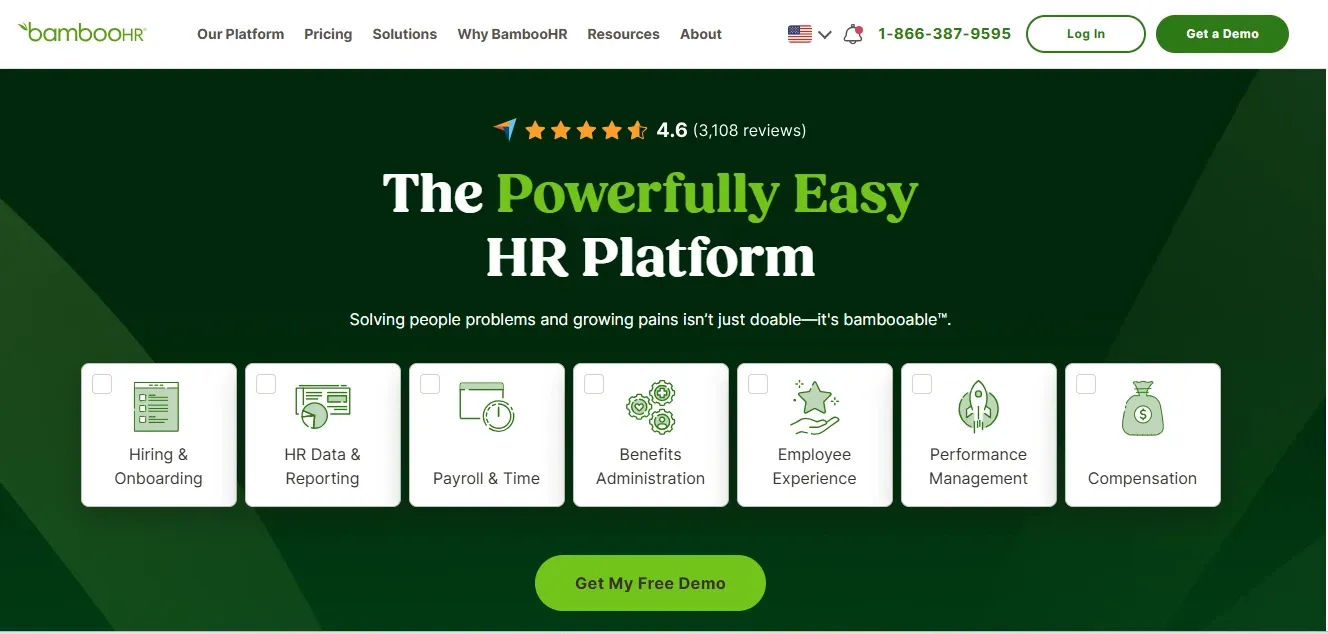
Best for: Growing businesses looking for an all-in-one HR platform
BambooHR combines employee record management with document storage, onboarding, and performance management. Its clean interface makes it easy for HR teams to organize employee files and collect digital signatures.
Key highlights
- Centralized employee records
- Electronic signatures
- Document storage
- Employee onboarding
- Workflow automation
- Easy-to-use interface
Some advanced features are available only in higher-tier plans, and organizations using Microsoft 365 may require additional integrations for collaboration.
3. Zoho People
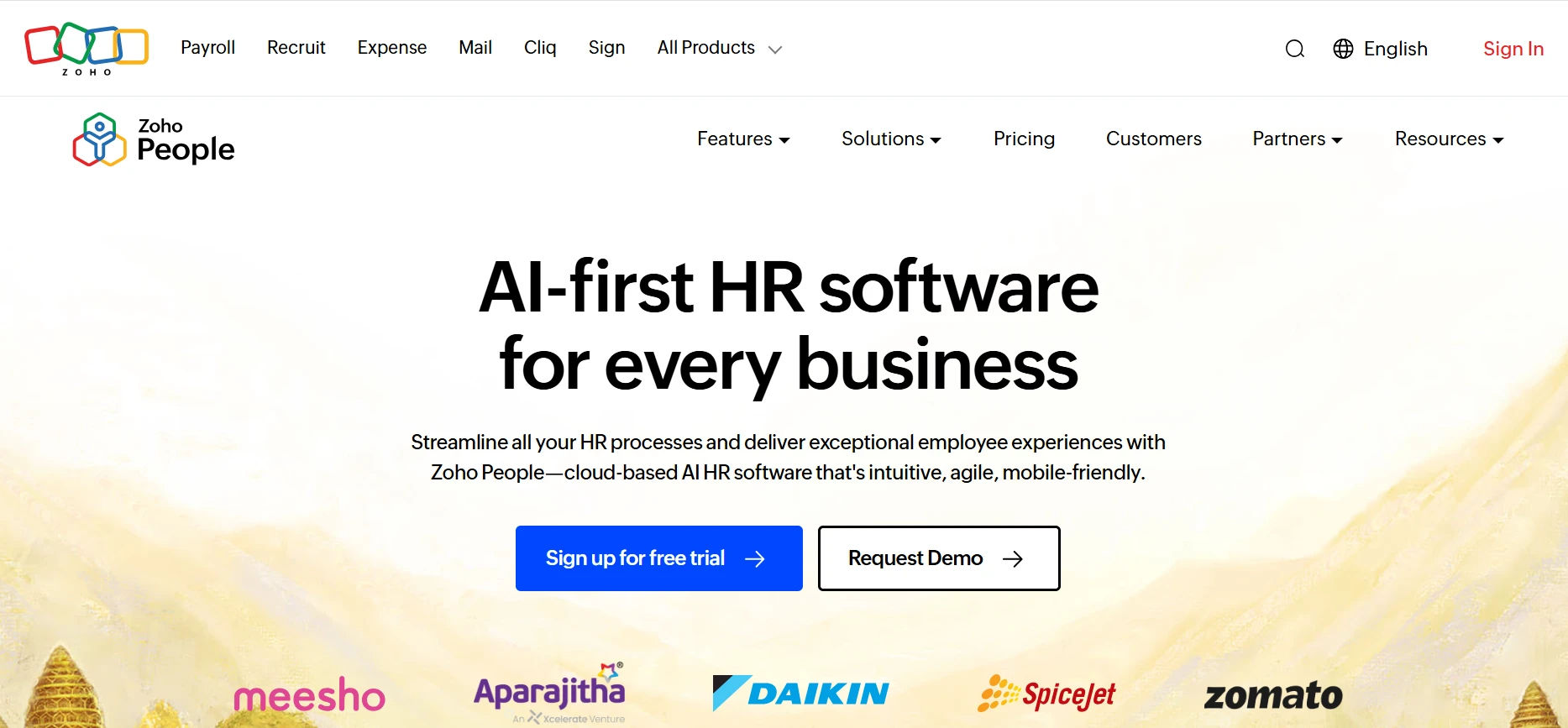
Best for: Small and medium-sized businesses
Zoho People offers document management alongside attendance, leave management, and employee information management. It integrates well with other Zoho applications, making it a suitable option for organizations already using the Zoho ecosystem.
Key highlights
- Employee document storage
- Workflow automation
- Employee self-service
- Leave management
- Custom forms
- Integration with Zoho applications
Organizations with complex HR requirements or enterprise-level security needs may require additional customization.
4. Justworks
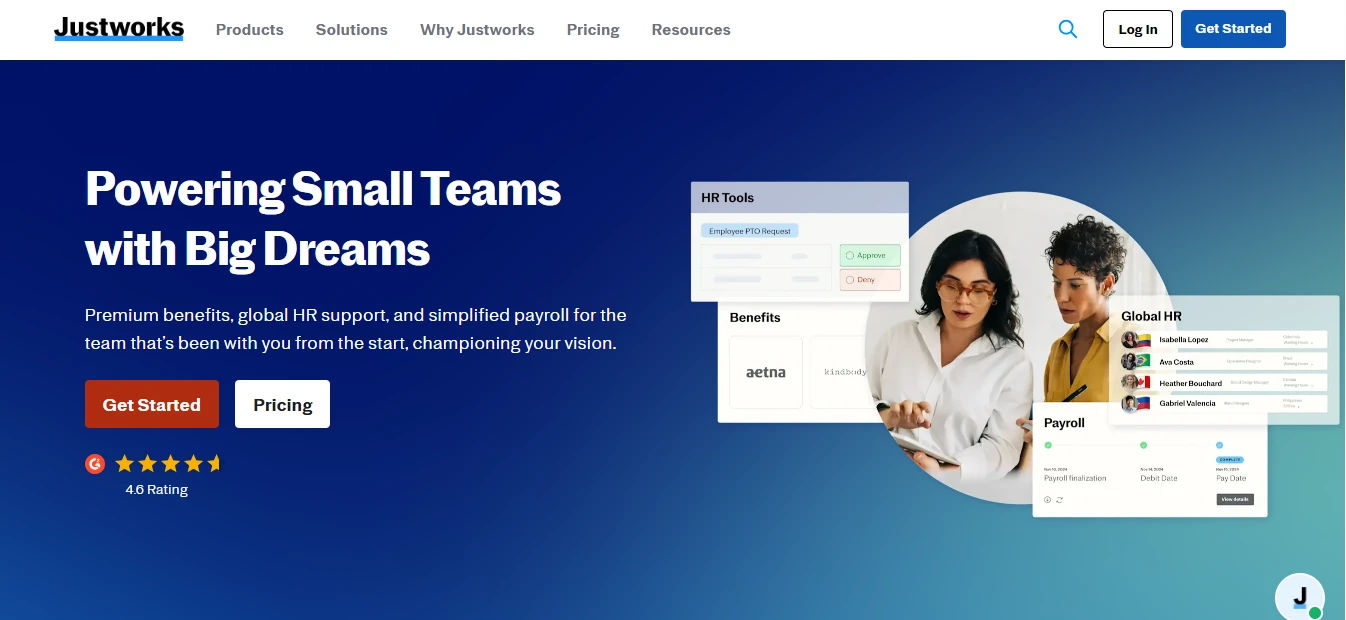
Best for: Small businesses looking for basic HR administration
Justworks provides document management as part of its broader HR platform. It supports document storage, onboarding, and basic HR administration with a simple interface.
Key highlights
- Employee document storage
- Onboarding support
- Basic workflow management
- Secure document access
- User-friendly interface
The platform focuses primarily on smaller organizations and may not offer the flexibility required by larger enterprises.
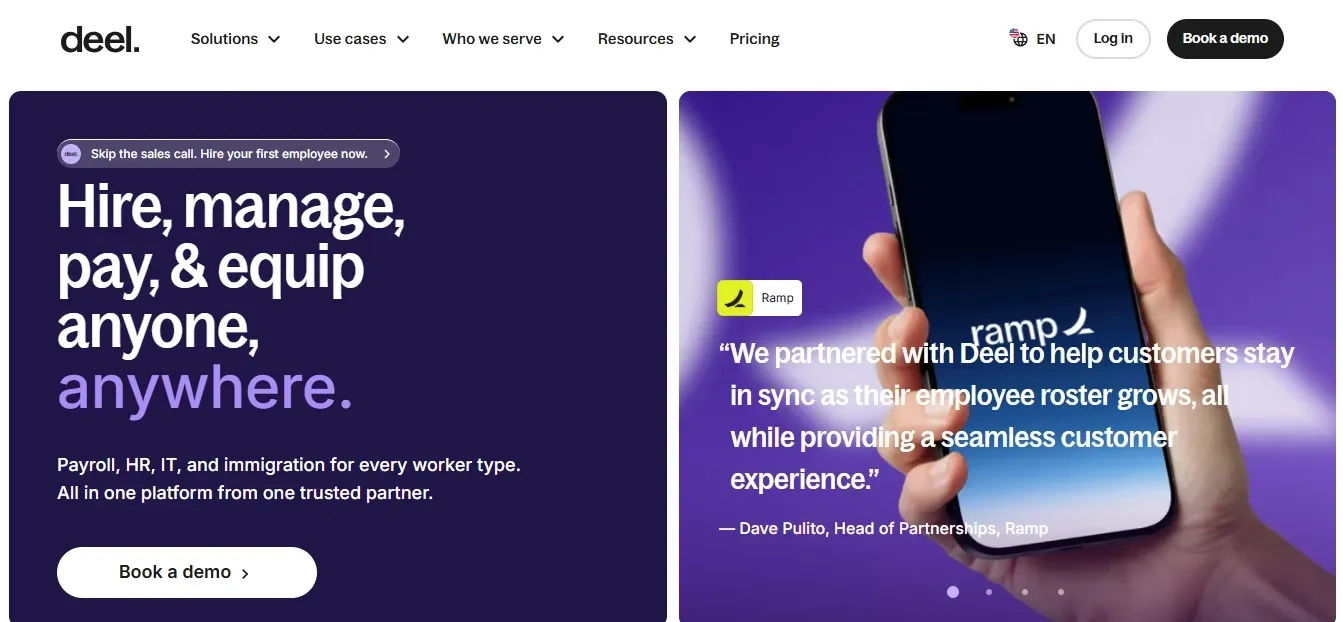
5. Deel
Best for: Global businesses managing international teams
Deel offers HR document management as part of its global HR platform. It helps organizations store employee documents, manage onboarding paperwork, and maintain records for distributed teams across multiple countries.
Key highlights
- Centralized employee document storage
- Digital document collection and onboarding
- Electronic signatures for HR documents
- Role-based access to employee records
- Global HR and workforce management support
The platform is well suited for organizations with international teams. However, businesses looking for deeper Microsoft 365 and SharePoint integration may need additional solutions to support their document management requirements.
How Does HR Document Management Software Benefit HR Teams?
As organizations continue to digitize HR operations, HR document management software has become an essential part of managing employee information. Beyond replacing paper files, it helps HR teams organize records, improve document security, and support everyday HR processes more efficiently.
Here are the key benefits of using HR document management software in 2026.
Keep Employee Documents Organized
Managing documents across email inboxes, shared folders, and local drives makes it difficult to find the right information when it is needed.
A centralized HR document management system stores employee files in one place, making it easier to organize documents by employee, department, document type, or employment stage. This reduces duplicate files and helps HR teams retrieve information quickly.
Save Time on Everyday HR Tasks
Manual document handling takes time, especially when HR teams need to collect forms, request approvals, or search for employee records.
With automated workflows, digital approvals, and document reminders, repetitive administrative work is reduced. HR professionals can spend more time supporting managers and team members instead of managing paperwork.
Improve Document Security
Employee records contain sensitive information that should only be available to authorized users.
Modern HR document management software protects documents through role-based permissions, encrypted storage, and activity tracking. HR administrators can define who can view, edit, upload, or approve documents while maintaining full visibility into document activity.
Faster Employee Onboarding
New hires often need to complete multiple forms and submit several documents before joining the organization.
HR document management software keeps onboarding documents in one place and supports digital document collection, approvals, and acknowledgments. This creates a more organized onboarding experience for both HR teams and new employees.
Better Collaboration Across Departments
HR processes often involve managers, department heads, and employees.
A centralized document system makes it easier to share documents securely, review updates, and complete approvals without sending multiple email attachments. Organizations using Microsoft Teams and SharePoint can also collaborate within familiar Microsoft applications.
Quick Search and Easy Retrieval
As organizations grow, so does the number of employee documents.
Advanced search options help HR teams locate contracts, policy acknowledgments, performance reviews, training certificates, and other records within seconds. Search filters based on employee name, department, document type, or keywords save valuable time.
Track Document Changes
Employee records are updated throughout the employment lifecycle.
Version history helps HR teams track document updates while preserving previous versions. This ensures everyone works with the latest information and provides a clear history of document changes whenever required.
Reduce Paper and Storage Costs
Digital document management reduces the need for printed forms, filing cabinets, and physical storage.
Moving employee records into a secure digital environment also minimizes the risk of misplaced or damaged documents while reducing administrative costs over time.
Support Business Growth
As organizations expand, the volume of employee records increases.
A scalable HR document management solution grows alongside the business, making it easy to manage documents across multiple departments, office locations, or countries without changing systems.
Connect Documents with HR Processes
The greatest value comes when document management is part of a complete HR platform rather than a standalone solution.
With HR365 HRMS, employee documents connect directly with onboarding, employee records, leave management, recruitment, performance management, learning, task management, and other HR functions. This creates a consistent experience for HR teams and reduces duplicate data entry across different systems.
Why Businesses Are Investing in HR Document Management
Organizations are moving beyond basic digital storage and investing in solutions that automate routine HR processes and improve operational efficiency. According to McKinsey, automating manual and repetitive back-office tasks can reduce costs by 30% to 60% while improving service quality, helping teams complete routine work faster and with fewer errors.
These trends show that HR document management is no longer just about storing files. It has become an important part of creating connected, efficient, and secure HR operations.
Why Choose HR365 HRMS for Document Management?
Managing HR documents is easier when document storage is connected with the rest of your HR operations. HR365 HRMS is built for organizations that use Microsoft 365 and want a secure, centralized way to manage employee documents without relying on multiple disconnected systems.
Instead of using a standalone document management tool, HR365 HRMS connects employee documents with onboarding, employee records, leave management, performance management, recruitment, learning, expense management, and other HR processes. This gives HR teams one place to manage information throughout the employee lifecycle.
1. Store Documents Within Your Microsoft 365 Environment
HR365 HRMS stores employee documents within your organization’s Microsoft 365 environment using SharePoint. Your business maintains ownership of its data while benefiting from Microsoft’s security and collaboration capabilities.
This approach also reduces the need to move sensitive HR documents between different platforms.
2. Centralize Employee Records
Employee documents are organized in a single repository, making it easy to access contracts, identity documents, policy acknowledgments, training certificates, performance records, and other HR files whenever they are needed.
With advanced search options and structured document organization, HR teams spend less time looking for information.
3. Simplify Employee Onboarding
Collecting and managing onboarding documents becomes much easier when everything is managed in one system.
HR365 HRMS helps HR teams organize offer letters, joining forms, identity documents, company policies, and other onboarding records while keeping everything connected to the employee profile.
4. Manage Access with Role-Based Permissions
Not every user needs access to every HR document.
HR365 HRMS provides role-based permissions that help organizations control who can view, upload, edit, or approve employee documents. This supports internal security policies while protecting sensitive employee information.
5. Stay Updated with Automated Notifications
Missing an important document renewal can create unnecessary administrative work.
HR365 HRMS sends reminders for document expirations, pending approvals, and other important activities, helping HR teams stay organized without manually tracking every deadline.
6. Improve Collaboration Across Teams
HR processes often require input from managers, department heads, and HR administrators.
With native integration with Microsoft Teams and SharePoint, authorized users can securely access and collaborate on employee documents within the Microsoft tools they already use every day.
7. Grow with Your Organization
As your organization expands, so does the number of employee records.
HR365 HRMS is designed to support growing businesses by providing scalable document management that works across departments, business units, and multiple office locations.
Conclusion
As organizations continue to modernize HR operations in 2026, HR document management software has become an essential tool for managing employee records securely and efficiently. A centralized document management system helps HR teams organize files, reduce manual work, improve document accessibility, and keep important information available whenever it is needed.
For organizations using Microsoft 365, HR365 HRMS combines secure document management with core HR functions such as employee onboarding, employee records, leave management, performance management, recruitment, learning, and expense management. With native integration with SharePoint and Microsoft Teams, HR365 HRMS provides a connected platform that helps HR teams manage documents and everyday HR activities from one place.
Need a Better Way to Manage HR Documents?
Explore how HR365 HRMS keeps employee documents organized, secure, and easy to access throughout the employee lifecycle.
Frequently Asked Questions
What is HR document management software?
HR document management software is a digital solution that helps organizations securely store, organize, manage, and retrieve employee-related documents from one centralized location. It replaces paper-based filing systems and simplifies document access throughout the employee lifecycle.
What types of documents can HR document management software manage?
Most solutions can manage:
- Employment contracts
- Offer letters
- Employee records
- Identity documents
- Policy acknowledgments
- Performance reviews
- Training certificates
- Leave documents
- Exit documents
Keeping these records in one system makes them easier to find, update, and manage.
What should businesses consider when choosing a Namely alternative?
Key factors include employee management capabilities, recruitment tools, onboarding features, performance management, attendance tracking, reporting, integrations, scalability, ease of use, implementation requirements, and long-term business needs.
How does HR document management improve HR operations?
HR document management reduces manual paperwork by organizing employee files in one place. Features such as document workflows, role-based permissions, search capabilities, version history, and automated reminders help HR teams complete everyday tasks more efficiently.
Is HR document management software suitable for small businesses?
HR document management reduces manual paperwork by organizing employee files in one place. Features such as document workflows, role-based permissions, search capabilities, version history, and automated reminders help HR teams complete everyday tasks more efficiently.
Can HR document management software integrate with Microsoft 365?
Many modern solutions support Microsoft 365 integration. HR365 HRMS is built for organizations using Microsoft 365 and integrates with SharePoint and Microsoft Teams, allowing HR teams to manage employee documents within their existing Microsoft environment.
Why choose HR365 HRMS for HR document management?
HR365 HRMS combines document management with core HR functions such as employee onboarding, employee directory, leave management, recruitment, performance management, learning, expense management, and task management. Documents are securely stored within your Microsoft 365 environment, providing centralized access, role-based permissions, and connected HR processes from a single platform.


_JiluXJRGNl.svg)























