

Zoho Alternatives: 10 Best HR Software Solutions for Growing Businesses (2026)

- Compare the best Zoho People alternatives based on features, AI, automation, integrations, pricing, and use cases.
- Understand why businesses consider Zoho People alternatives, including HR requirements, customization, integrations, scalability, and workflow needs.
- Explore HR365 HRMS for Microsoft 365 organizations, with HR management connected to Microsoft 365, SharePoint, and Microsoft Teams.
- Choose the right Zoho People alternative using side-by-side comparisons, Best for recommendations, strengths, limitations, and practical buying criteria.
Zoho People is a popular HR software platform for managing employee information, attendance, leave, performance, onboarding, and other HR activities. However, it may not meet every organization’s needs. Businesses may look for Zoho People alternatives when they need different features, stronger automation, broader integrations, or an HR platform that fits their existing technology environment.
The best Zoho People alternative depends on what your organization needs most. Some platforms focus on core HR management, while others offer stronger recruitment, performance management, AI, workflow automation, employee engagement, or integration capabilities. Comparing these areas can help you identify which HR software fits your team, processes, and growth plans.
In this guide, we compare the 10 best Zoho People alternatives for 2026 and You’ll see their key features, strengths and integration capabilities to help you choose the right Zoho People alternative for your organization.
Why Businesses Look for Zoho Alternatives
Zoho People covers many core HR needs, but every organization has different requirements. As HR processes grow, businesses may look for an alternative that offers specific features, integrations, automation capabilities, or a better fit with their existing technology environment.
Here are some common reasons businesses consider Zoho People alternatives:
- Broader HR Capabilities: Organizations may need a wider range of HR functions, including recruitment, onboarding, performance management, learning, expenses, and task management in one platform.
- Microsoft 365 Integration: Businesses already using Microsoft 365 may prefer an HR solution that works closely with SharePoint and Microsoft Teams instead of relying mainly on a separate HR platform.
- AI and Automation: HR teams may look for AI-powered tools and automated workflows for approvals, reminders, notifications, HR tasks, and routine processes.
- Customization: Different organizations have different HR workflows. Businesses may consider alternatives that offer more flexibility for configuring processes, roles, dashboards, and HR workflows.
- Reporting and Insights: Organizations may need dashboards and reporting that provide a clearer view of employee data, attendance, performance, recruitment, and other HR activities.
- Scalability: As teams and departments grow, businesses may want an HR platform that can support changing processes, more users, and expanding HR requirements.
- Integration Requirements: Businesses may need their HR software to connect with the tools they already use for communication, collaboration, document management, and business operations.
For organizations already invested in Microsoft 365, SharePoint, and Microsoft Teams, HR365 HRMS is worth considering as a Zoho People alternative because it is positioned around the Microsoft ecosystem and covers core HR activities, automation, AI, and employee lifecycle management.
What to Look for in a Zoho Alternative
Choosing a Zoho People alternative should start with your organization’s actual HR requirements rather than the number of features a platform offers. Compare the following areas before making a decision:
- Core HR Features: Look for employee management, recruitment, onboarding, leave, attendance, performance, learning, expenses, and task management.
- AI and Automation: Check whether the platform supports AI-powered HR tasks and workflow automation for approvals, reminders, notifications, and routine processes.
- Microsoft 365 Integration: If your organization uses Microsoft 365, consider how well the HR platform works with SharePoint and Microsoft Teams.
- Customization: Evaluate whether you can configure workflows, forms, roles, dashboards, and HR processes around your organization’s needs.
- Reporting and Dashboards: Look for clear HR dashboards and reports that help business users track important HR information and trends.
- Employee Experience: Consider how easily team members can access HR information, submit requests, complete tasks, and participate in HR processes.
- Scalability: Choose a platform that can support your organization’s changing HR requirements as teams, departments, and processes grow.
- Pricing and Value: Compare pricing, included features, user limits, integrations, and additional costs to understand the overall value of each option.
- Migration and Support: Consider how easily your existing HR information can be moved and what implementation, training, and ongoing support are available.
Quick Comparison of Zoho Alternatives
Choosing the right HR software becomes easier when you compare them side by side. Here’s a simple and clear comparison to help you understand which tool fits your business needs best.
| Software | Best For | Key Strength | Ease of Use | Scalability | Key Focus Area |
| HR365 HRMS | Growing teams | Simple and structured HR management | High | Medium to High | Core HR operations |
| BambooHR | Small teams | Easy to use | High | Medium | Employee management |
| Keka | Compliance-focused companies | Strong compliance features | Medium | Medium to High | HR + compliance |
| Rippling | Tech companies | HR + IT management | Medium | High | Automation & IT integration |
| Workday | Enterprises | Advanced analytics | Low to Medium | High | Data & workforce planning |
| SAP SuccessFactors | Global companies | High scalability | Medium | High | Global HR management |
| HiBob | Culture-focused teams | Employee engagement | High | Medium | Engagement & experience |
| Personio | SMBs | All-in-one HR | High | Medium | End-to-end HR |
| Factorial | Startups | Affordable | High | Medium | Basic HR tools |
| PeopleForce | Workflow-driven HR | Structured processes | Medium | Medium | Workflow management |
The comparison above provides a quick view of how each Zoho People alternative differs in features, integrations, automation, and use cases. However, the right choice depends on your organization’s HR requirements and existing technology environment.
Top Zoho Alternatives for HR in 2026
As businesses grow, many start looking beyond Zoho People for tools that better match their needs. The alternatives below offer a mix of simplicity, flexibility, and scalability depending on what your team is looking for.
1. HR365 HRMS — Best for SMBs & Microsoft 365 Organizations
2. BambooHR — Best for Simple HR Management
3. Keka — Best for Structured HR Management
4. Rippling — Best for HR and IT Management
5. Workday — Best for Large Organizations
6. SAP SuccessFactors — Best for Global HR
7. HiBob — Best for Employee Experience
8. Personio — Best for Growing SMBs
9. Factorial — Best for Small Businesses
10. PeopleForce — Best for HR Workflows
1. HR365 HRMS
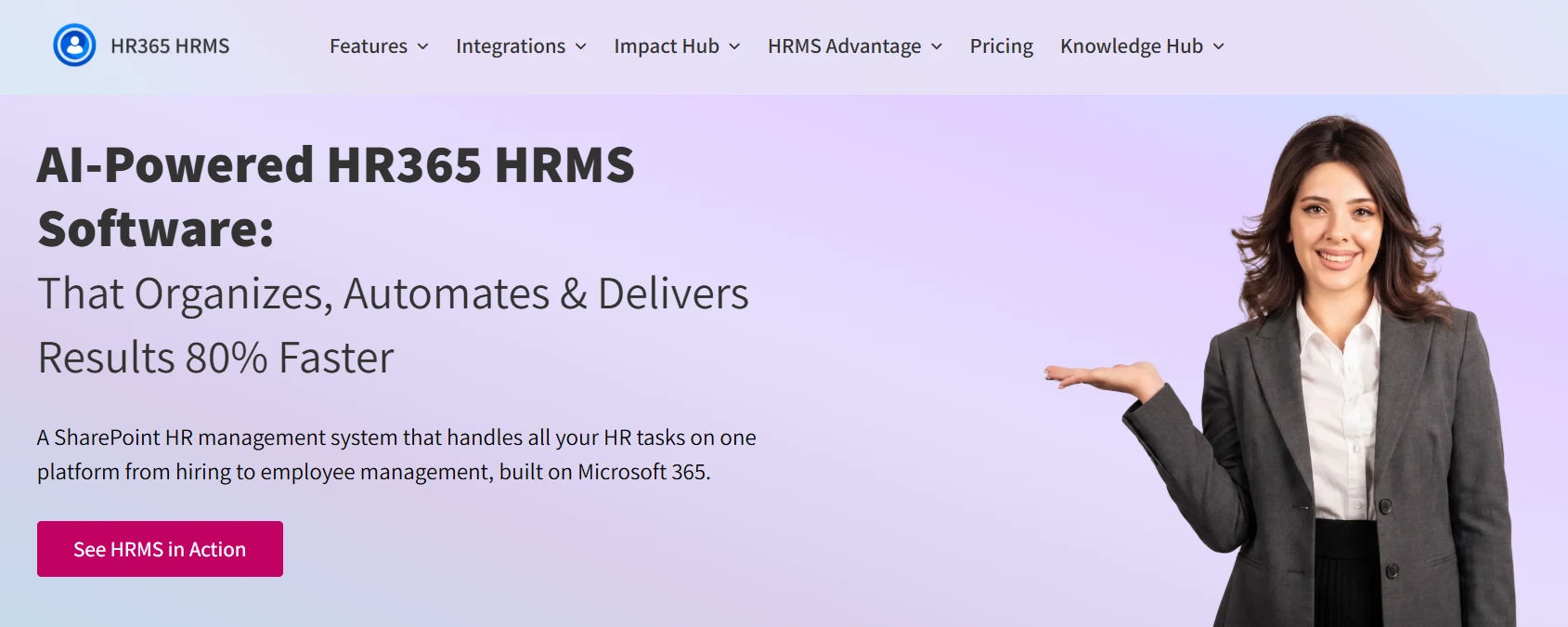
Best for: SMBs & Microsoft 365 Organizations
HR365 HRMS is designed to make everyday HR work easier without adding complexity. It focuses on helping teams manage core HR tasks in a clear and structured way, especially as the number of employees increases.
Key Highlights:
- Centralized employee data management
- Attendance and leave tracking
- Real-time insights and reporting
- Clean and easy-to-use interface
A strong option for companies that want a simple, reliable system for daily HR operations.
2. BambooHR
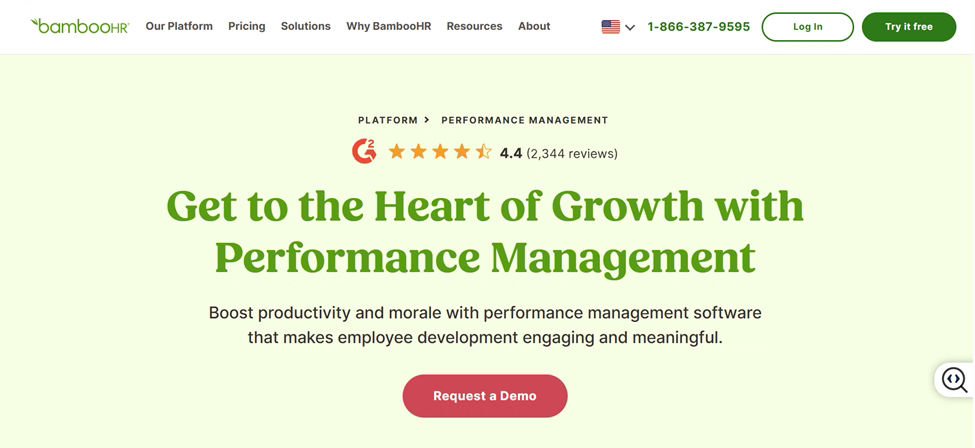
Best for: Simple HR Management
BambooHR is known for its user-friendly design and organized approach to HR management. It helps teams move away from spreadsheets and manage employee data more efficiently.
Key Highlights:
- Employee records and onboarding tools
- Performance tracking features
Ideal for small to mid-sized businesses looking for a simple HR solution.
3. Keka
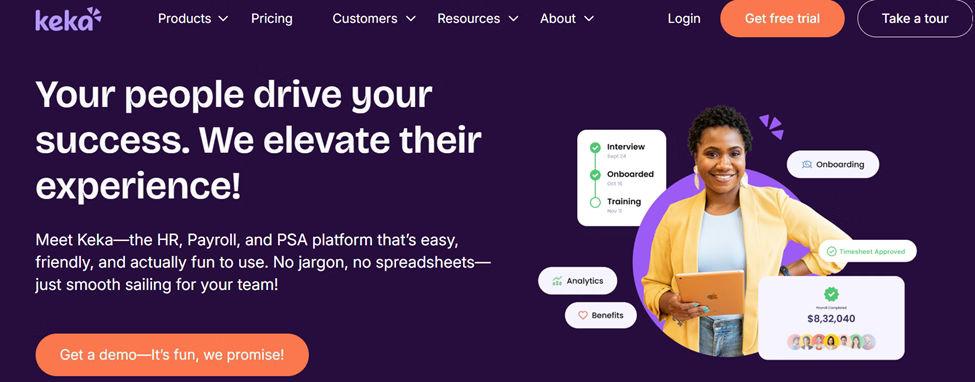
Best for: Structured HR Management
Keka is widely used for managing HR operations along with compliance needs. It is especially popular among companies that want structured HR processes.
Key Highlights:
- Compliance-focused features
- Employee engagement tools
Suitable for companies that need a structured HR system with compliance support.
4. Rippling
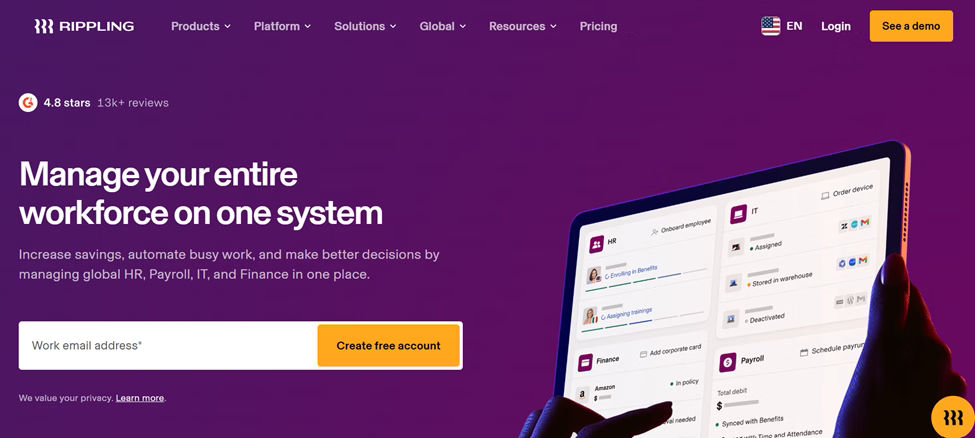
Best for: HR and IT Management
Rippling combines HR and IT functions, making it easier to manage both employees and the tools they use.
Key Highlights:
- Employee lifecycle management
- App and device access control
- Workflow automation
A good fit for fast-growing and tech-focused companies.
5. Workday
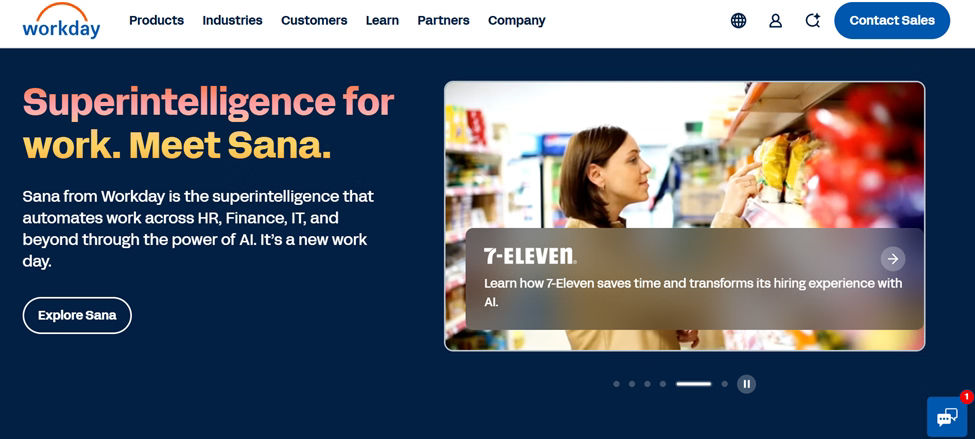
Best for: Large Organizations
Workday is built for organizations that need advanced tools and detailed workforce insights.
Key Highlights:
- AI-driven insights
- Global HR capabilities
Best for enterprises with complex HR requirements.
6. SAP SuccessFactors
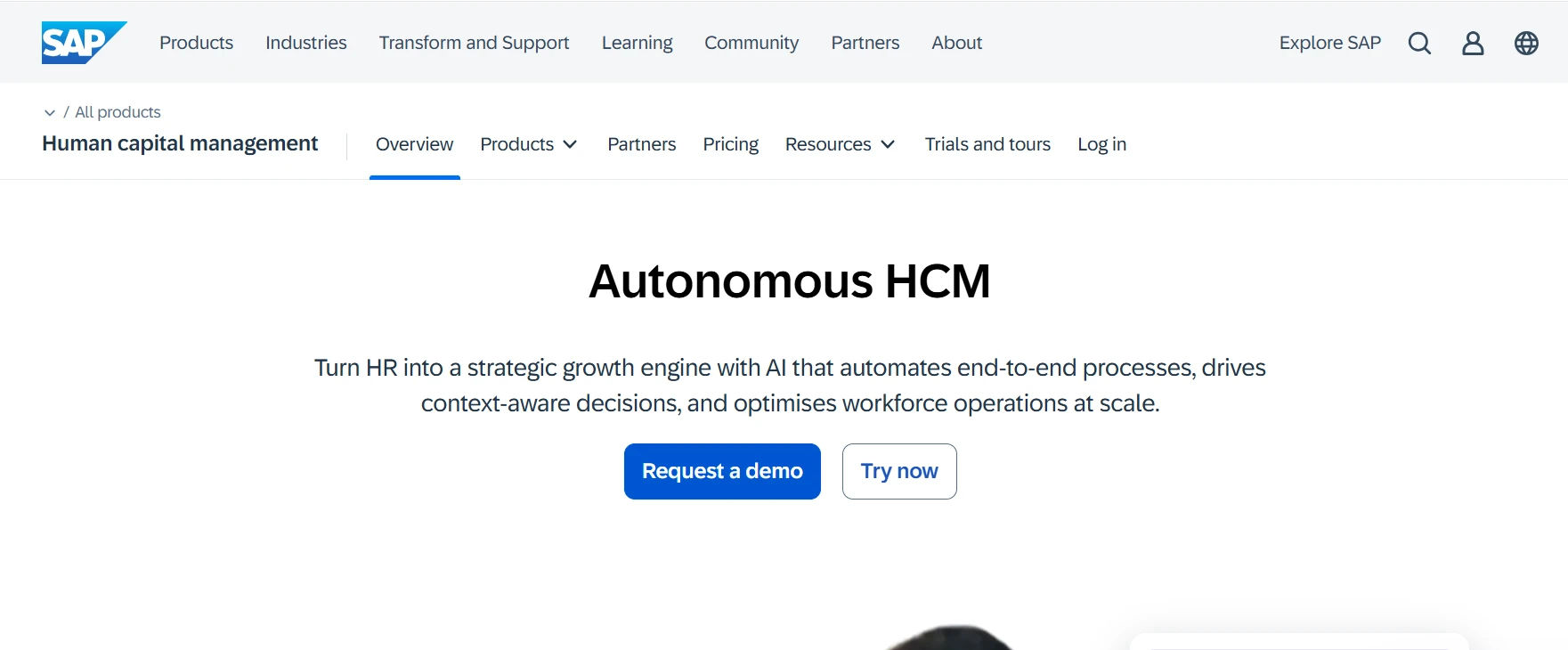
Best for: Global HR management
SAP SuccessFactors offers a wide range of HR tools for large and global organizations.
Key Highlights:
- Talent and performance management
- Workforce analytics
A strong option for companies managing global teams.
7. HiBob
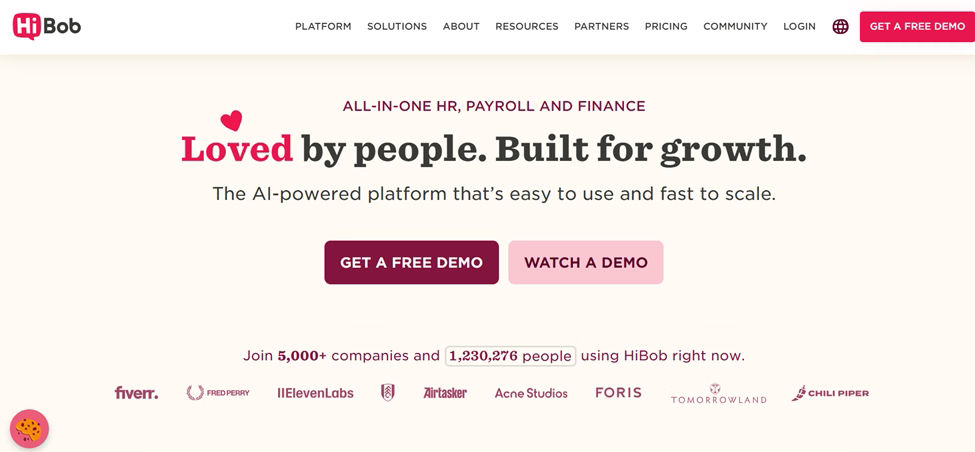
Best for: Employee experience and engagement
HiBob focuses on building a better employee experience through engagement and feedback tools.
Key Highlights:
- Engagement and feedback systems
- Communication tools
Ideal for companies that want to improve workplace culture.
8. Personio
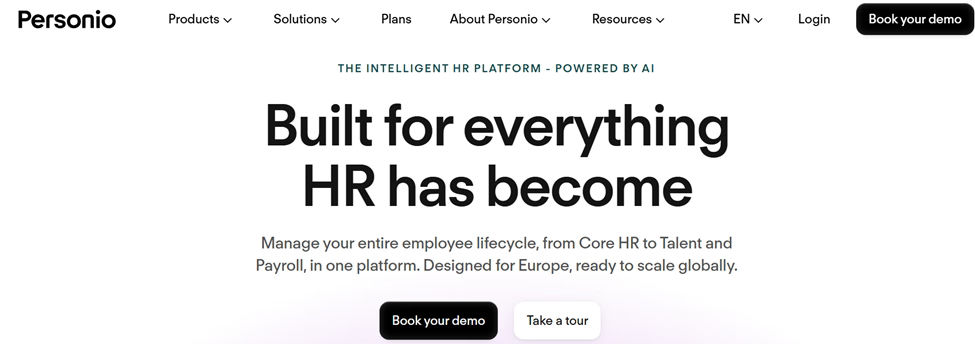
Best for: SMBs and scaling teams
Personio provides an all-in-one HR solution for small and mid-sized businesses.
Key Highlights:
- Recruitment and onboarding
- Employee data management
Great for companies planning to scale their HR processes.
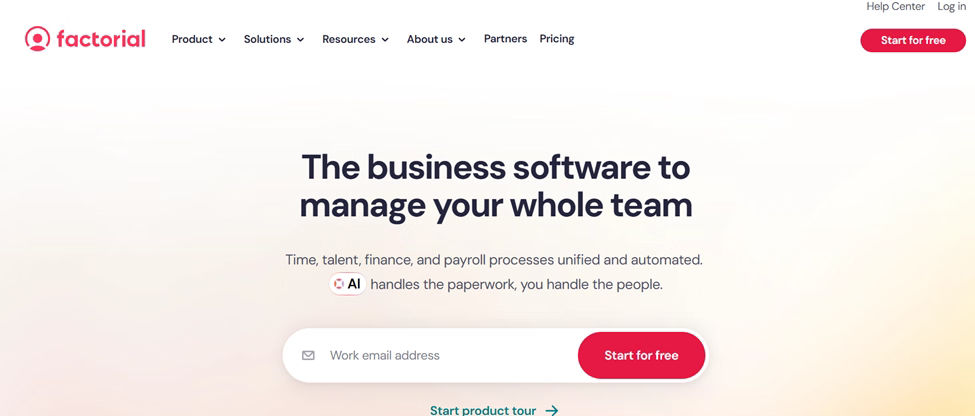
9. Factorial
Best for: Small Businesses
Factorial offers essential HR features at an affordable price, making it accessible for smaller teams.
Key Highlights:
- Time and attendance tracking
Ideal for startups and small businesses.
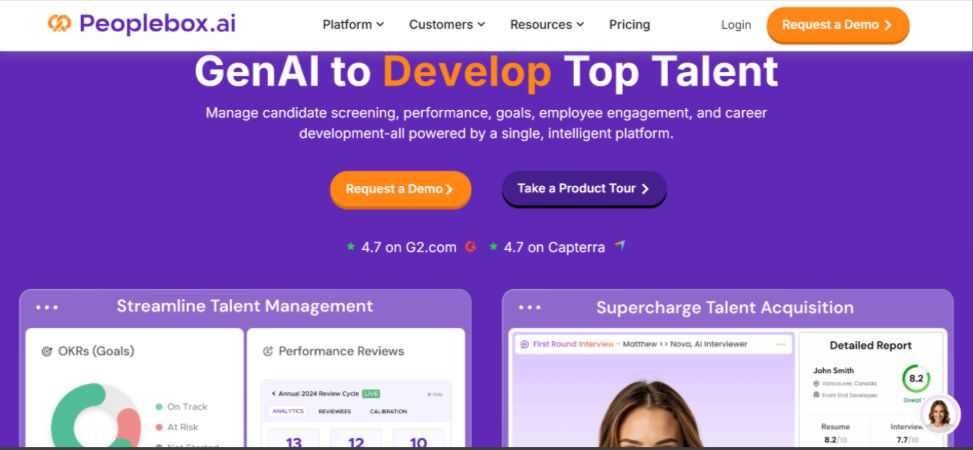
10. PeopleForce
Best for: Structured HR workflows
PeopleForce helps teams manage HR processes with clear workflows and better visibility.
Key Highlights:
- Recruitment and onboarding
- Performance reviews
Useful for teams that want organized and trackable HR processes.
How to Choose the Right Zoho Alternative
Choosing the right Zoho People alternative starts with understanding your organization’s HR requirements, existing technology, and long-term goals. Instead of comparing platforms by feature count alone, focus on the capabilities that your HR teams and business users will actually use.
- Identify Your HR Requirements: List the HR processes you need to manage, such as employee records, recruitment, onboarding, leave, attendance, performance, learning, expenses, and tasks.
- Evaluate AI and Automation: Look for AI-powered features and automated workflows that can handle approvals, notifications, reminders, and routine HR activities.
- Check Microsoft 365 Integration: If your organization already uses Microsoft 365, consider platforms that work with SharePoint and Microsoft Teams and fit naturally into your existing environment.
- Compare Customization: Check whether you can configure workflows, forms, roles, dashboards, and processes according to your organization’s needs.
- Review Reporting and Dashboards: Choose a platform that provides useful HR reports and dashboards for tracking employee information, attendance, performance, recruitment, and other HR activities.
- Consider Scalability: Make sure the platform can support your organization’s changing requirements as teams, departments, and HR processes expand.
- Compare Pricing and Value: Look beyond the subscription price. Compare included features, user limits, integrations, implementation costs, and any additional charges.
- Evaluate User Experience: Consider how easily HR teams, managers, and team members can access information, complete tasks, submit requests, and use the platform.
For organizations already using Microsoft 365, SharePoint, and Microsoft Teams, HR365 HRMS can be considered when Microsoft ecosystem integration is an important part of the HR software decision.
Conclusion
Choosing the right Zoho People alternative depends on your organization’s HR needs, technology environment, and future plans. Comparing core HR features, AI and automation, integrations, customization, reporting, scalability, pricing, and user experience can help you narrow down the options and choose a platform that fits your business requirements.
For organizations already using Microsoft 365, SharePoint, and Microsoft Teams, HR365 HRMS offers a Microsoft-focused approach to HR management. With features covering employee management, recruitment, onboarding, performance, leave, attendance, learning, expenses, tasks, AI, and HR automation, it is an option worth considering when evaluating alternatives to Zoho People.
Looking for a Zoho People Alternative?
Book a demo and see how HR365 HRMS helps automate daily HR tasks and bring essential HR processes into one centralized platform.
Frequently Asked Questions
What are the best Zoho People alternatives in 2026?
The best Zoho People alternative depends on your organization’s requirements. Popular options include HR365 HRMS, BambooHR, Keka, Rippling, Workday, SAP SuccessFactors, HiBob, Personio, Factorial, and PeopleForce. Compare each platform based on HR features, AI, automation, integrations, pricing, and use cases.
Why do companies look for Zoho alternatives?
Businesses may consider Zoho People alternatives when they need different HR capabilities, stronger automation, more customization, specific integrations, better reporting, or a platform that fits their existing technology environment.
Is HR365 HRMS a good alternative to Zoho People?
HR365 HRMS can be a strong option for organizations looking for HR management connected to the Microsoft ecosystem. It covers employee management, recruitment, onboarding, performance, leave, attendance, learning, expenses, tasks, AI, and HR automation.
Which HR Software is best for Microsoft 365?
HR365 HRMS is designed for organizations using Microsoft 365, SharePoint, and Microsoft Teams. It brings HR processes into the Microsoft ecosystem, making it an option for businesses that already rely on Microsoft technologies.
How do I choose the right Zoho People alternative?
Start by identifying your required HR processes and integrations. Then compare features, AI and automation, Microsoft 365 compatibility, customization, reporting, user experience, scalability, pricing, and implementation requirements to find the best fit for your organization.
Do Zoho People alternatives support AI and HR automation?
Many modern HR platforms offer AI and automation capabilities. Depending on the platform, these can include automated workflows, approvals, notifications, reminders, HR tasks, reporting, and AI-powered assistance.


_JiluXJRGNl.svg)























