
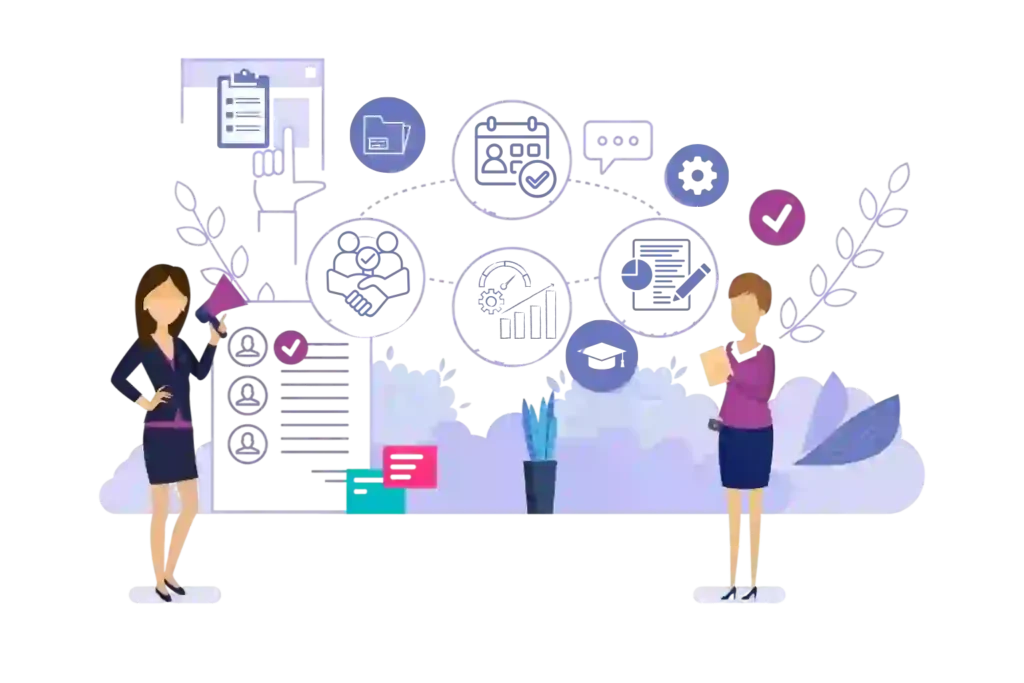

- HR functions support every stage of the employee lifecycle.
- Modern HR extends beyond administration to strategy and business growth.
- Technology helps HR teams manage tasks with greater visibility and consistency.
- HR software brings multiple HR functions together in one centralized platform.
Every successful organization depends on strong HR functions to hire the right people, support their growth, and keep daily operations running efficiently. As businesses expand, HR responsibilities go far beyond managing paperwork. Today’s HR teams handle recruitment, onboarding, performance, learning, employee records, and workplace engagement while helping leaders make informed decisions.
According to Gartner, 76% of HR leaders believe that if their organization does not adopt and implement AI solutions, such as generative AI, in the next 12 to 24 months, they will lag behind in organizational success.
This article highlights how modern HR functions increasingly rely on digital tools and automation to manage growing responsibilities and deliver better business outcomes.
What Are HR Functions?
HR functions are the essential responsibilities that help an organization manage its people throughout the entire employee lifecycle. They include hiring, onboarding, maintaining employee records, managing leave and attendance, tracking performance, supporting learning, and creating a productive workplace. Together, these functions help businesses build organized HR processes while supporting both organizational goals and team development.
As organizations grow, HR functions become more strategic rather than purely administrative. Modern HR teams use digital tools to manage information, automate routine tasks, provide business insights, and improve the overall employee experience. With the right HR software, businesses can manage multiple HR functions from one centralized platform instead of relying on disconnected systems.
Why HR Functions Matter in Modern Organizations
As businesses grow, managing people becomes more complex. HR functions provide a structured approach to handling recruitment, employee development, attendance, performance, and day-to-day HR activities. When these functions work together, organizations can respond faster to changing business needs while creating a better experience for team members.
- Build a Strong Foundation for Hiring and Growth
Finding qualified talent is only the beginning. HR functions help organizations plan recruitment, onboard new hires, and provide the resources needed for long-term success. A structured HR process reduces delays and creates consistency across departments.
- Create Better Employee Experiences
From the first day of onboarding to career development, HR functions shape how people experience the workplace. Clear communication, timely support, and access to learning opportunities contribute to higher engagement and stronger retention.
- Improve Productivity Across Departments
When leave requests, attendance tracking, approvals, and employee records are managed efficiently, managers spend less time on administrative work and more time supporting their teams. This creates smoother collaboration and faster decision-making.
- Support Smarter Business Decisions
Modern HR functions generate valuable insights about hiring trends, attendance patterns, performance, and workforce planning. These insights help business leaders make informed decisions based on real data rather than assumptions.
- Keep HR Processes Organized as the Business Grows
Growing organizations often struggle with disconnected spreadsheets and manual processes. Well-defined HR functions bring consistency to everyday operations, making it easier to manage larger teams without increasing administrative complexity.
As HR responsibilities continue to expand, organizations need processes and technology that support every stage of the employee lifecycle. Strong HR functions not only improve daily operations but also help businesses adapt, grow, and make better decisions over time.
How HR Functions Have Evolved Over Time
HR has changed significantly over the past few decades. What was once focused mainly on administrative tasks has become a strategic function that supports business growth, employee development, and data-driven decision-making. Modern organizations expect HR teams to contribute beyond hiring and recordkeeping by improving workplace experiences and supporting long-term business goals.
The Key Changes Shaping Modern HR
Digital HR Systems
Organizations are replacing manual processes with centralized HR software that keeps employee information, approvals, and HR activities in one place. This reduces administrative work and provides easier access to important data.
Data-Driven Decision Making
Instead of relying on assumptions, HR teams now use dashboards and reports to monitor hiring progress, attendance trends, performance, and employee engagement. These insights help leaders make informed business decisions.
Greater Focus on Employee Experience
Modern HR functions emphasize creating positive experiences throughout the employee lifecycle. From onboarding to career development, organizations invest in initiatives that support engagement, learning, and retention.
Automation of Routine Tasks
Many repetitive HR activities, such as leave requests, onboarding checklists, approval workflows, and reminders, can now be automated. This gives HR professionals more time to focus on strategic priorities and people-focused initiatives.
Integration with Business Technology
Today’s HR solutions connect with collaboration platforms and business applications, making it easier for managers and team members to complete HR tasks without switching between multiple systems.
The evolution of HR reflects changing business priorities. Organizations now view HR as a key contributor to business success, supported by technology that connects people, processes, and data in a single ecosystem.
10 Core HR Functions Every Business Should Know
The right HR software depends on an organization’s unique requirements, team size, and operational priorities. Evaluating alternatives to Namely can help businesses identify a solution that delivers the functionality, user experience, and scalability needed to support their future growth.
1. Recruitment
Recruitment is the process of attracting, evaluating, and selecting candidates for open positions. A structured hiring process helps organizations fill roles faster while finding people who match both the job requirements and company culture.
Key responsibilities include:
- Creating job postings
- Managing applications
- Coordinating candidate communication
- Supporting hiring decisions
2. Employee Onboarding
Onboarding helps new hires become productive from their first day. It introduces them to company policies, teams, responsibilities, and the tools they need to perform their roles successfully.
Key responsibilities include:
- Collecting new hire information
- Completing onboarding checklists
- Sharing company documents
- Assigning orientation tasks
- Tracking onboarding progress
3. Employee Information Management
Accurate employee records are essential for day-to-day HR operations. Keeping information updated helps managers access important details whenever needed while reducing duplicate or outdated records.
Key responsibilities include:
- Maintaining employee profiles
- Managing organizational charts
- Updating job and department details
- Storing HR documents
- Managing contact information
4. Leave Management
Tracking leave balances and attendance helps organizations maintain workforce availability while providing transparency for both managers and team members.
Key responsibilities include:
- Processing leave requests
- Recording attendance
- Managing holiday calendars
- Monitoring absenteeism
- Tracking work hours
5. Performance Management
Performance management provides a structured way to set expectations, review achievements, and support continuous improvement throughout the year.
Key responsibilities include:
- Setting performance goals
- Conducting performance reviews
- Tracking achievements
- Collecting manager feedback
- Monitoring development plans
6. Learning and Training
Continuous learning helps organizations develop skills that support changing business needs. Training programs prepare team members for new responsibilities and future opportunities.
Key responsibilities include:
- Assigning training courses
- Managing learning programs
- Monitoring course completion
- Supporting professional development
7. Employee Engagement
A positive workplace encourages collaboration, recognition, and open communication. HR plays an important role in creating initiatives that strengthen engagement and improve the overall employee experience.
Key responsibilities include:
- Running employee surveys
- Managing recognition programs
- Collecting feedback
- Supporting internal communication
- Organizing engagement activities
8. HR Reporting and Analytics
HR data provides valuable insights into recruitment, attendance, turnover, and performance. Regular reporting helps business leaders identify trends and make informed decisions.
Key responsibilities include:
- Creating HR dashboards
- Monitoring workforce metrics
- Tracking hiring trends
- Analyzing attendance data
- Generating management reports
9. HR Automation
Automation reduces manual work by handling repetitive HR activities through predefined workflows. This creates faster, more consistent HR operations across the organization.
Key responsibilities include:
- Sending notifications
- Managing HR workflows
- Reducing manual data entry
10. Offboarding and Exit Management
Offboarding ensures a structured transition when a team member leaves the organization. A clear process protects business continuity while creating a professional exit experience.
Key responsibilities include:
- Managing resignation workflows
- Conducting exit interviews
- Returning company assets
- Revoking system access
Each of these HR functions plays a unique role, but together they create a connected HR ecosystem. Organizations that manage these functions through a centralized HR platform can reduce administrative effort, improve visibility, and deliver a more consistent experience throughout the employee lifecycle.
Common Challenges HR Teams Face When Managing HR Functions
Managing multiple HR functions becomes increasingly difficult as organizations grow. From recruitment and onboarding to performance reviews and attendance tracking, HR teams often work across disconnected systems and manual processes. These challenges not only slow down daily operations but also make it harder to deliver a consistent experience for managers and team members.
- Manual Processes Consume Valuable Time: Many HR departments still rely on spreadsheets, paper forms, and email approvals for routine tasks. Updating employee records, tracking leave, or following up on onboarding activities manually increases administrative work and leaves less time for strategic initiatives.
- Information Is Scattered Across Multiple Systems: Employee data is often stored in different applications, shared drives, or spreadsheets. Finding accurate information quickly becomes challenging, especially when departments maintain separate records or documents.
- Delays in Approvals and HR Requests: Leave requests, document approvals, expense claims, and onboarding tasks can remain pending when they depend on manual follow-ups. Without automated workflows, managers may miss requests or respond later than expected.
- Limited Visibility into HR Activities: Without centralized dashboards, it becomes difficult to monitor hiring progress, attendance trends, performance reviews, or training completion. HR leaders often spend extra time preparing reports instead of analyzing insights.
- Maintaining Consistent Processes Across Departments: Different teams may follow different HR practices for onboarding, performance overviews, or leave approvals. This inconsistency creates confusion and makes it difficult to maintain standard HR procedures throughout the organization.
- Supporting Business Growth: As organizations hire more people, HR responsibilities increase significantly. Processes that worked for a small team may no longer be effective, making it necessary to adopt systems that can handle growing workloads without adding unnecessary complexity.
Organizations that recognize these challenges early can build more efficient HR operations by standardizing processes and adopting technology that brings all HR functions together in one place.
How HR Software Supports Every HR Function
Managing HR functions through separate spreadsheets, emails, and standalone applications can slow down daily operations and make information difficult to track. HR software brings these activities into a single platform, helping HR teams manage processes more efficiently while giving managers and business leaders better visibility across the organization.
1. Centralizes Employee Information — A centralized employee database stores profiles, job details, organizational structure, and HR documents in one location. Instead of searching through multiple files, HR teams can quickly access accurate and up-to-date information whenever it is needed.
2. Simplifies Recruitment and Onboarding — HR software helps manage job openings, candidate information, interview schedules, and onboarding tasks from a single system. New hires can complete required activities through structured workflows, helping organizations deliver a consistent onboarding experience.
3. Automates Leave and Attendance Management — Leave requests, attendance records, holiday calendars, and work hours can be managed digitally without relying on manual tracking. Automated approval workflows also help managers respond to requests more quickly.
4. Supports Performance and Learning — Managers can monitor performance goals, schedule reviews, and track employee development throughout the year. Learning modules make it easier to assign training, monitor course completion, and encourage continuous skill development.
5. Provides Real-Time HR Insights — Built-in dashboards and reports give HR leaders access to important metrics such as hiring progress, leave trends, attendance, training completion, and workforce performance. These insights support better planning and faster decision-making.
6. Improves Collaboration Through Microsoft 365 — For organizations using Microsoft 365, HR software integrated with SharePoint and Microsoft Teams keeps HR activities within the tools teams already use. Employees can submit requests, managers can review approvals, and HR teams can manage daily operations without switching between multiple applications.
Instead of managing individual HR functions through disconnected tools, organizations can use a unified HR platform to connect people, processes, and information. This not only supports day-to-day HR operations but also creates a more organized and scalable approach as the business grows.
Best Practices for Managing HR Functions Efficiently
Well-defined HR functions are only effective when they are supported by consistent processes and the right technology. As organizations grow, following best practices helps HR teams reduce administrative work, improve collaboration, and deliver a better experience across every stage of the employee lifecycle.
✓ Standardize HR Processes
Create consistent procedures for recruitment, onboarding, leave approvals, performance reviews, and employee record management. Standardized workflows help every department follow the same process and reduce unnecessary delays.
✓ Keep Employee Information Up to Date
Accurate employee records support everyday HR activities and reporting. Regularly reviewing and updating personal details, job information, reporting structures, and documents helps maintain reliable data across the organization.
✓ Replace Manual Tasks with Automation
Identify repetitive activities such as approval requests, onboarding checklists, reminders, and notifications that can be automated. Reducing manual work gives HR professionals more time to focus on strategic initiatives and employee development.
✓ Use HR Data to Guide Decisions
Review HR dashboards and reports regularly to understand hiring progress, attendance patterns, learning completion, and performance trends. Data-driven insights help leaders identify opportunities and respond to challenges more effectively.
✓ Encourage Continuous Learning
Support professional development by providing regular training opportunities and tracking learning progress. Investing in skill development helps teams adapt to changing business needs while preparing future leaders.
✓ Choose an Integrated HR Platform
Using a single HR platform instead of multiple disconnected applications creates a more organized way to manage HR functions. For organizations using Microsoft 365, a solution like HR365 HRMS combines recruitment, onboarding, employee records, leave management, performance management, learning, expense management, dashboards, and automation within SharePoint and Microsoft Teams.
Organizations that follow these best practices are better equipped to manage HR functions efficiently, improve collaboration across departments, and support sustainable business growth as their workforce expands.
Why HR365 HRMS Is the Right Choice for Managing HR Functions
Managing HR functions becomes easier when every process is connected through a single platform. Instead of switching between multiple applications, HR365 HRMS brings recruitment, onboarding, employee records, leave management, performance, learning, and HR reporting together within Microsoft 365. This helps HR teams reduce administrative effort while giving managers better visibility into daily HR activities.
Organizations already using Microsoft Teams and SharePoint can continue working within familiar tools, making HR processes more accessible for both HR professionals and team members.
1. Complete HR Management in One Platform
HR365 HRMS supports the entire employee lifecycle, from hiring new talent to managing employee records, performance, learning, expenses, and offboarding, without relying on multiple disconnected systems.
2. Built for Microsoft 365
Designed specifically for Microsoft 365 environments, HR365 HRMS integrates with SharePoint, Microsoft Teams , Outlook, and Microsoft Entra ID, helping organizations manage HR activities from the applications they already use every day.
3. AI-Powered HR Automation
Automate repetitive HR activities such as approvals, notifications, onboarding tasks, and workflow routing. This reduces manual work while keeping HR processes consistent across departments.
4. Centralized Employee Directory
Maintain complete employee profiles, organizational charts, reporting structures, and HR documents in one secure location, making information easier to access and manage.
5. Real-Time Dashboards and Analytics
Monitor recruitment progress, leave trends, attendance, performance, and other HR metrics through interactive dashboards that support faster business decisions.
6. Flexible and Scalable
Whether your organization has 50 or 5,000 team members, HR365 HRMS grows with your business while supporting changing HR requirements through configurable workflows and modules.
HR365 HRMS is more than an HR software solution. It provides a connected HR experience that helps organizations manage every core HR function from one Microsoft 365-based platform, making HR operations more organized, efficient, and ready to support future growth.
Conclusion
HR functions are the foundation of effective people management. From recruitment and onboarding to performance management, learning, attendance, and employee records, each function contributes to building an organized and productive workplace. As organizations grow, managing these responsibilities through manual processes becomes increasingly challenging, making technology an important part of modern HR operations.
HR365 HRMS brings every core HR function together in one Microsoft 365-based platform. With features such as AI-powered automation, employee directory, leave management, performance management, recruitment, learning, dashboards, and Microsoft Teams integration, organizations can manage the entire employee lifecycle from a single solution.
Ready to Manage Every HR Function from One Platform?
Book a Free Demo of HR365 HRMS and discover how one Microsoft 365 platform can manage every HR function.
Frequently Asked Questions
What are HR functions?
HR functions are the core responsibilities of the Human Resources department, including recruitment, onboarding, employee records, leave management, performance management, learning, and employee engagement. Together, these functions support the entire employee lifecycle.
Why are HR functions important?
HR functions help organizations hire qualified talent, maintain accurate employee information, improve productivity, support employee development, and make informed business decisions. They also create consistent HR processes across departments.
How does HR software support HR functions?
HR software centralizes employee information, automates routine tasks, manages approvals, tracks performance, records attendance, supports recruitment, and provides dashboards for HR reporting. This reduces manual work and improves operational visibility.
Which HR functions can be automated?
Many HR functions can be automated, including leave requests, onboarding workflows, attendance tracking, approval processes, document management, notifications, performance review reminders, and expense approvals.
What should businesses consider when choosing HR software?
Businesses should look for HR software that offers centralized employee records, automation, reporting, scalability, strong security, and integrations with existing business tools. Organizations using Microsoft 365 can benefit from a solution like HR365 HRMS that works within SharePoint and Microsoft Teams.


_JiluXJRGNl.svg)























