

Top 8 Affordable HR Software Solutions for Small Businesses in 2026

- Learn what makes HR software affordable for small businesses.
- Understand the strengths and limitations of each solution.
- Discover the essential HR features every growing business should prioritize.
- Find practical tips to choose software that fits your business today and scales as you grow.
Affordable HR software helps small businesses manage core HR processes without the cost and complexity of enterprise systems. Instead of relying on spreadsheets, paper records, or multiple disconnected tools, businesses can manage HR activities from a single platform.
Finding affordable HR software isn’t just about choosing the lowest-priced option. The right platform should help your small business manage everyday HR tasks efficiently while supporting future growth.
This guide compares nine affordable HR software solutions based on features, ease of use, scalability, and overall value, helping you find the best fit for your business.
Why Is HR Software Important for Small Businesses?
As a business grows, HR responsibilities become more demanding. Managing employee information across spreadsheets, emails, and paper files can quickly become difficult to maintain.
HR software helps small businesses organize essential HR processes in one place. Instead of spending hours on repetitive administrative tasks, HR teams can focus on hiring, onboarding, performance discussions, and supporting business growth.d
According to the U.S. Small Business Administration, 99.9% of U.S. businesses are small businesses, making efficient HR processes essential as organizations grow.
Some of the biggest challenges small businesses face include:
- Tracking employee information
- Managing leave requests
- Onboarding new hires consistently
- Monitoring attendance
- Completing performance reviews
- Organizing HR documents
- Keeping managers informed
A centralized HR platform helps address these challenges while improving visibility across the organization.
Key Factors to Consider When Choosing Affordable HR Software
Not every HR platform is built for small businesses. Some offer advanced capabilities designed for large enterprises, while others focus on simplicity and value.
Ease of Use
Small businesses often have limited HR resources. Software should be easy to set up, navigate, and use without extensive training.
Core HR Features
We looked for solutions that include the essential tools businesses use every day, such as employee records, leave management, onboarding, attendance tracking, and document storage.
Automation
Automation reduces repetitive work. Features like automated leave approvals, onboarding checklists, reminders, and notifications can save valuable time.
Scalability
The best HR software should continue supporting your business as your team grows. We considered whether each platform can adapt to increasing HR needs without requiring a major system change.
Employee Self-Service
Giving team members access to update personal information, request leave, and view HR documents reduces administrative work for HR teams.
Integration Options
Businesses often rely on multiple tools. We considered how well each platform integrates with common workplace applications, including Microsoft 365 and other business systems.
Reporting and Dashboards
Access to HR reports and dashboards helps business leaders make informed decisions using real-time workforce data.
Overall Value
Rather than focusing only on price, we considered the overall value each platform delivers through its features, usability, scalability, and support for small business HR needs.
Comparison Table: HR Software Solutions for Small Businesses in 2026
| Platform | Key Strength | Free Trial | G2 Rating |
| HR365 HRMS | Complete HR management for Microsoft 365 businesses | Demo Available | 4.8/5 |
| Zoho People | Flexible HR management with Zoho ecosystem integration | Yes | 4.4/5 |
| BambooHR | Employee records and onboarding | Contact Sales | 4.5/5 |
| Gusto | Easy-to-use HR platform for small businesses | Contact Sales | 4.5/5 |
| Rippling | HR and IT management in one platform | Contact Sales | 4.8/5 |
| Factorial | All-in-one HR management with automation | Yes | 4.5/5 |
| BreatheHR | Simple HR software for small teams | Yes | 4.4/5 |
| Deel | Global hiring and international HR management | Yes | 4.8/5 |
Top 8 Affordable HR Software for Small Businesses in 2026
1. HR365 HRMS
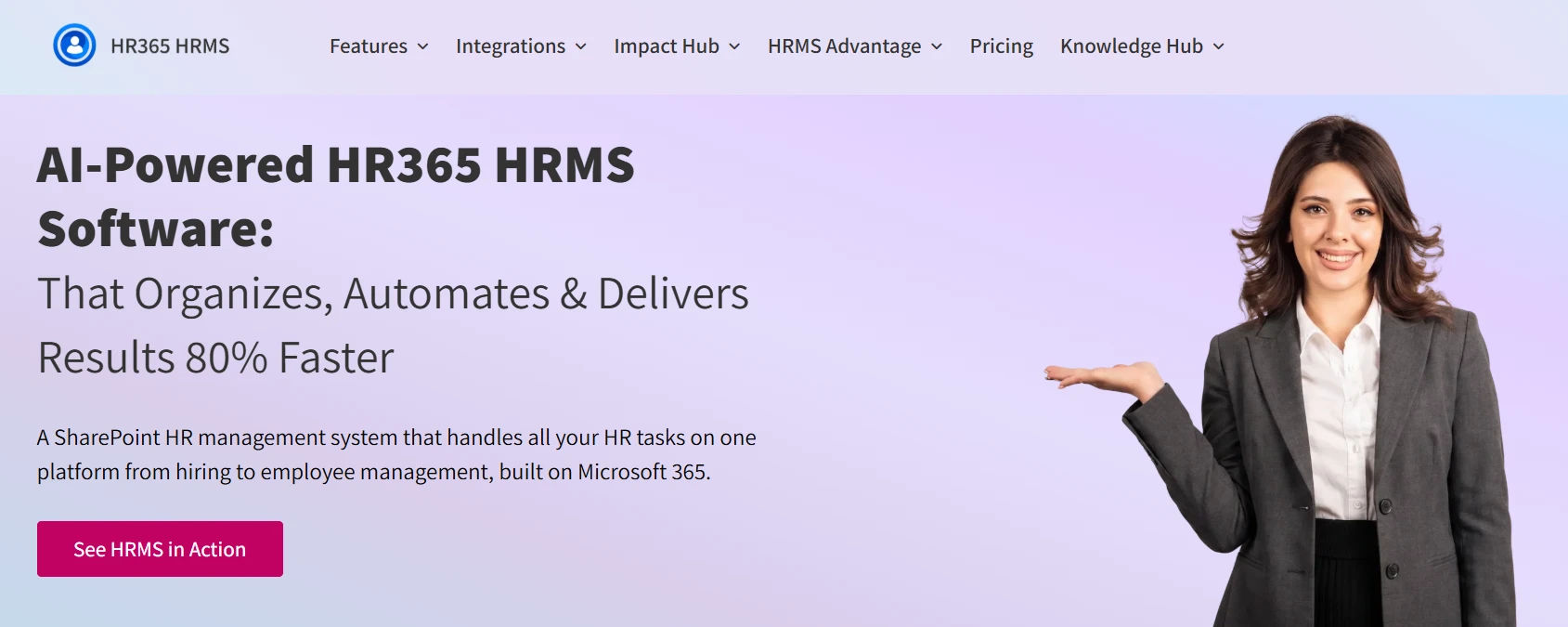
Best For: SMBs and Organizations using Microsoft 365 and SharePoint.
HR365 HRMS is a comprehensive HR software solution built for small and growing businesses using Microsoft 365. It combines onboarding, leave management, performance management, recruitment, timesheets, learning, expense management, and AI-powered automation in one platform, helping organizations manage the complete employee lifecycle more efficiently.
Pros
- Complete HR lifecycle management in one platform
- Native Microsoft 365 and Teams integration
- AI-powered workflows reduce manual HR tasks
- Highly customizable dashboards and HR modules
- Scales easily as your business grows
Cons
- Best within Microsoft ecosystem
- Initial setup needs planning
- Limited outside Microsoft integrations
Why Consider It?
HR365 HRMS combines essential HR functions in one platform while integrating with Microsoft 365. It’s a practical choice for businesses that want to reduce manual work and manage HR from a familiar environment.
2. Zoho People
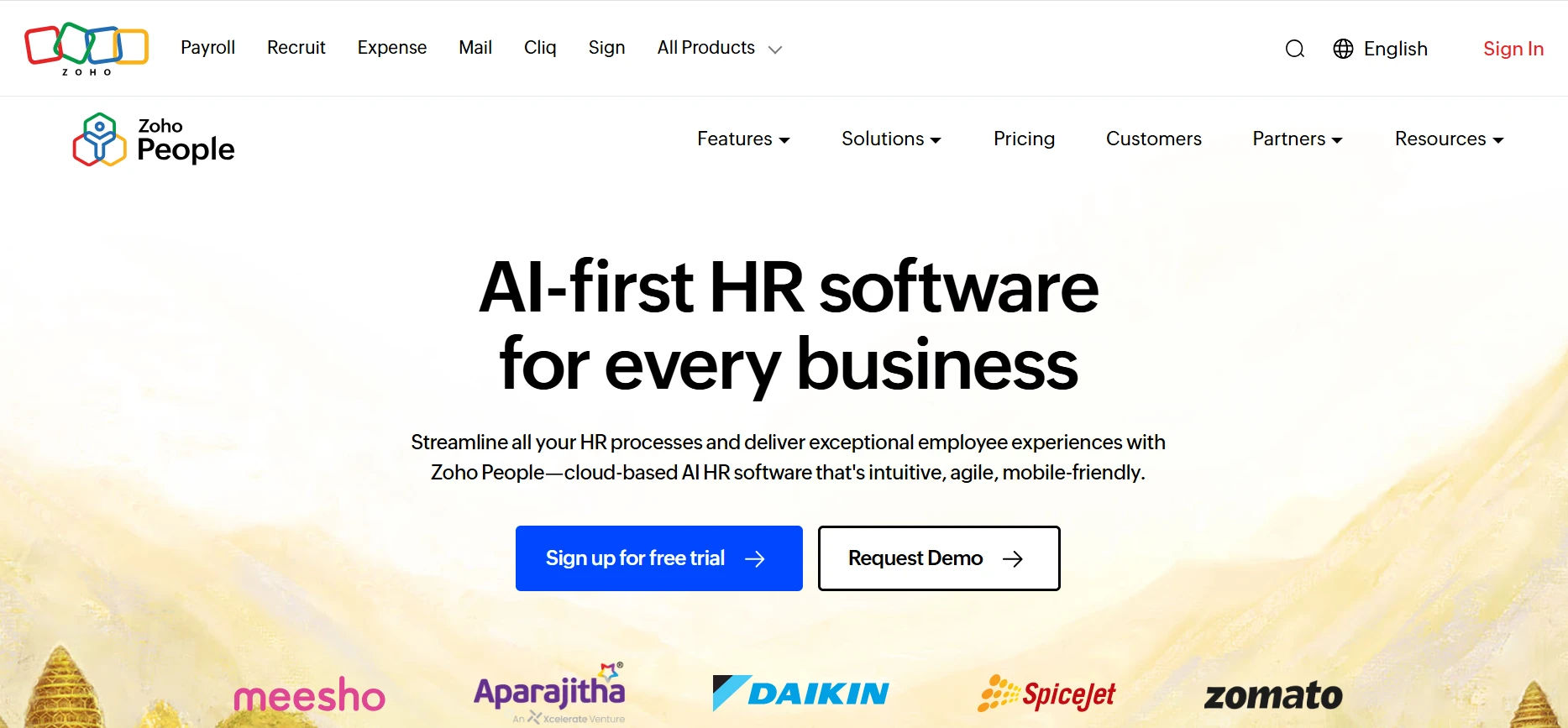
Best For: Small businesses already using Zoho applications.
Zoho People is a cloud-based HR software designed for small and medium-sized businesses. It helps manage employee records, attendance, leave, onboarding, and performance through an easy-to-use interface. Businesses already using the Zoho ecosystem benefit from its integrations and flexible workflows for everyday HR management.
Pros
- Simple interface with minimal learning curve
- Flexible workflows for everyday HR processes
- Strong employee self-service capabilities included
- Mobile app supports remote HR access
- Integrates well with Zoho applications
Cons
- Advanced features require upgrades
- Limited Microsoft 365 integration
- Customization varies by plan
Why Consider It?
Zoho People offers a balanced mix of HR features and ease of use. It’s a good option for businesses looking to replace manual HR processes with a cloud-based solution.
3. BambooHR
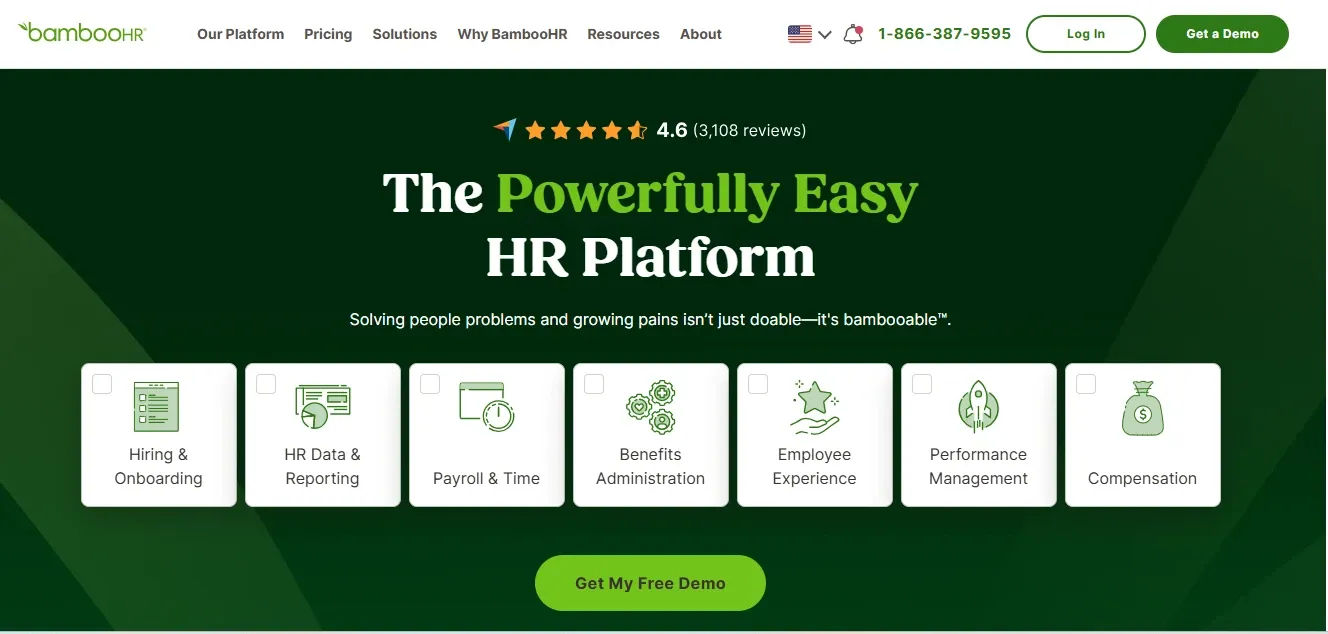
Best For: Small and growing businesses needing an intuitive HR platform.
BambooHR is a well-established HR platform that helps small businesses organize employee information, simplify onboarding, manage time off, and support performance reviews. Its clean interface and centralized employee records make it a popular choice for organizations looking for an easy-to-use HR management solution.
Pros
- Clean interface that’s easy to navigate
- Strong onboarding and employee record management
- Helpful reporting and workforce insights
- Employee self-service improves daily efficiency
- Trusted by growing small businesses
Cons
- Some modules cost extra
- Limited advanced customization options
- No native Microsoft integration
Why Consider It?
BambooHR focuses on making everyday HR tasks simple without overwhelming users. It suits businesses that value usability and organized employee management.
4. Gusto
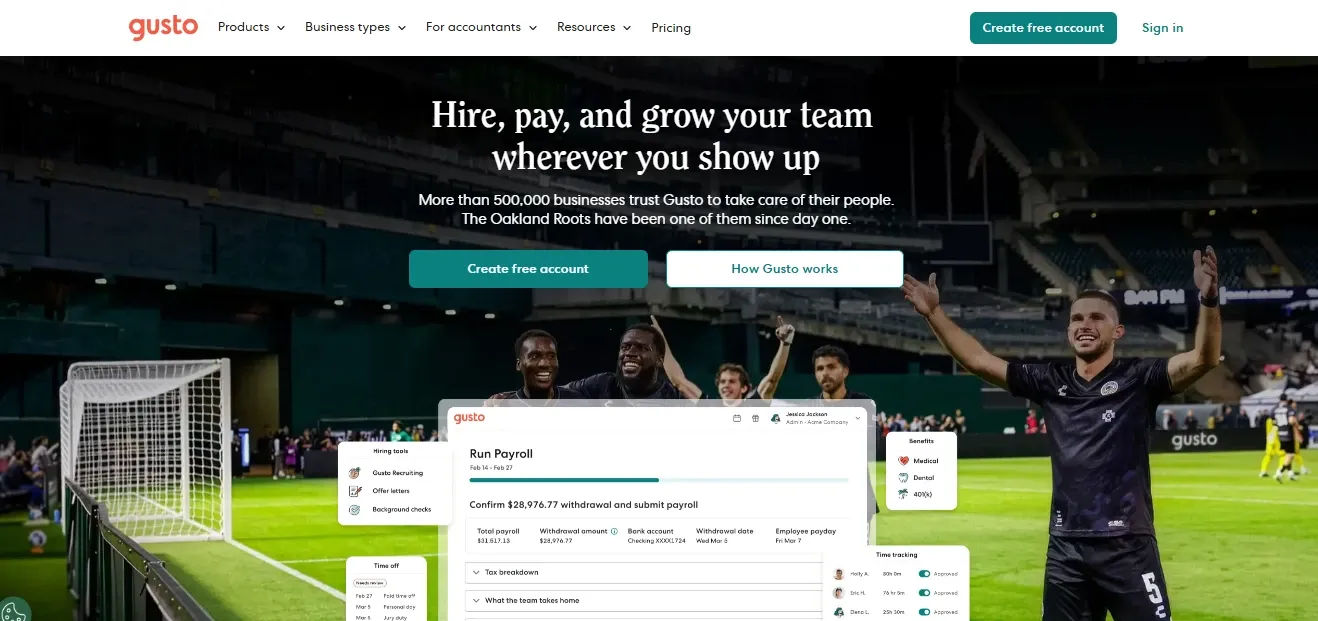
Best For: Small businesses seeking an easy-to-use HR solution.
Gusto offers HR software that helps small businesses manage employee information, onboarding, time-off tracking, and document management. Its modern interface and straightforward setup make it suitable for organizations that want an easy way to organize essential HR activities as their teams continue growing.
Pros
- Easy implementation for small businesses
- Modern and user-friendly interface design
- Employee onboarding is simple and efficient
- Self-service portal reduces HR workload
- Suitable for growing small organizations.
Cons
- Limited advanced HR features
- Better known for payroll
- Fewer enterprise-level capabilities
Why Consider It?
Gusto provides a straightforward HR experience with essential features that growing businesses need. It is well suited for organizations looking for simplicity and ease of adoption
5. Rippling
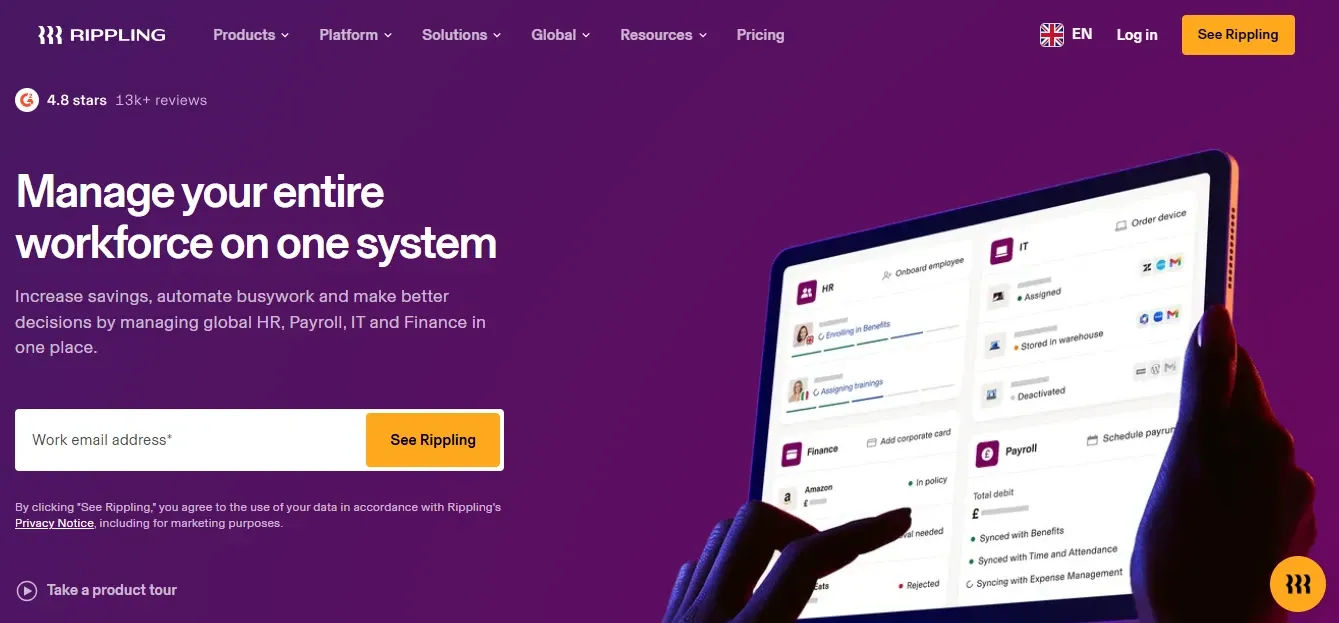
Best For: Growing businesses needing HR and IT management together.
Rippling combines HR, IT, and workforce management in one platform. It helps businesses automate onboarding, employee management, leave tracking, and operational tasks while supporting future growth. Its automation capabilities make it attractive for organizations wanting more than traditional HR software.
Pros
- Powerful automation across HR and IT
- Highly scalable for growing businesses
- Flexible workflows support business processes
- Centralized employee and device management
- Modern platform with extensive integrations
Cons
- Can feel feature-heavy initially
- Costs increase with modules
- Learning curve for beginners
Why Consider It?
Rippling goes beyond traditional HR software by combining HR and IT management. It works well for businesses planning to expand while automating more administrative work.
6. Factorial
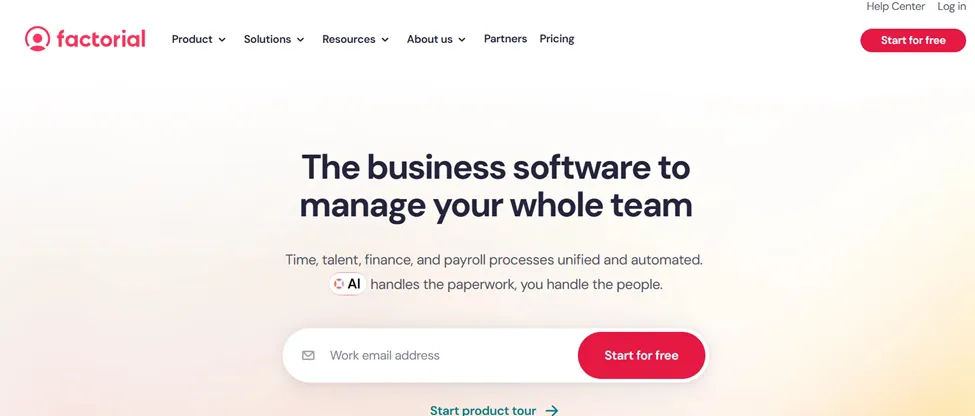
Best For: Small and growing businesses looking for an all-in-one HR platform.
Factorial is an all-in-one HR software platform designed for small and medium-sized businesses. It helps manage employee records, onboarding, leave, attendance, performance reviews, and document storage from a centralized dashboard. Its user-friendly design and automation features make daily HR management more efficient.
Pros
- User-friendly interface for everyday HR tasks
- Automates repetitive HR administrative processes
- Centralized employee records and documents
- Strong performance and leave management features
- Suitable for growing small businesses
Cons
- Advanced features need higher plans
- Limited third-party integrations available
- Reporting customization can improve
Why Consider It?
Factorial offers a balanced mix of automation and essential HR features, making it a practical choice for businesses moving away from manual HR processes.
7. BreatheHR
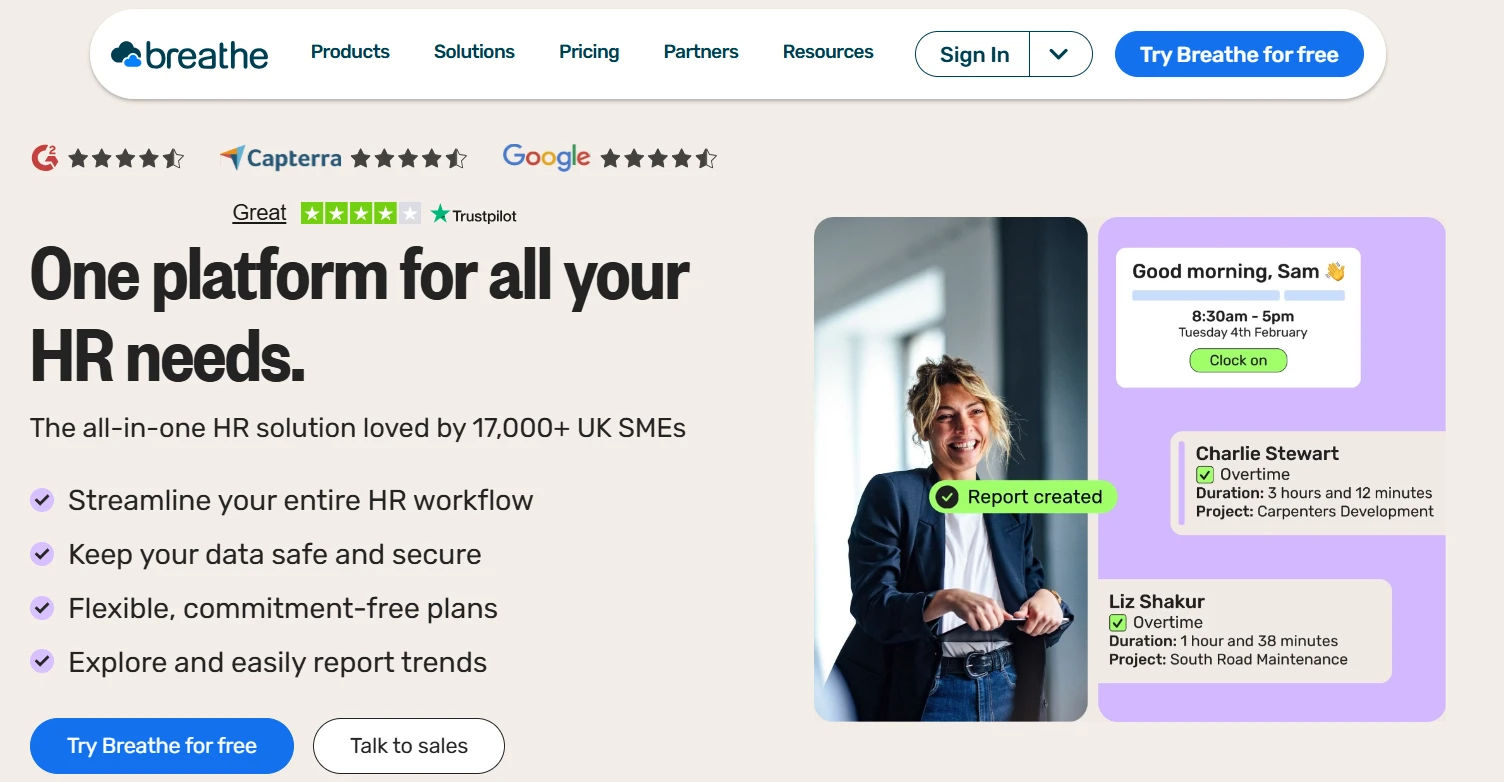
Best For: Small businesses with straightforward HR requirements.
BreatheHR is cloud-based HR software built specifically for small businesses. It simplifies employee record management, leave tracking, performance reviews, and document storage through an easy-to-use interface. Its straightforward approach makes it suitable for organizations with limited HR resources and smaller teams.
Pros
- Designed specifically for small businesses
- Easy implementation with minimal training
- Centralizes employee records securely
- Simple leave and absence tracking
- Clean and intuitive user interface
Cons
- Limited advanced HR features
- Basic reporting capabilities only
- Fewer integration options available
Why Consider It?
BreatheHR focuses on the HR essentials without unnecessary complexity, making it a great option for businesses that want a simple and reliable HR solution.
8. Deel
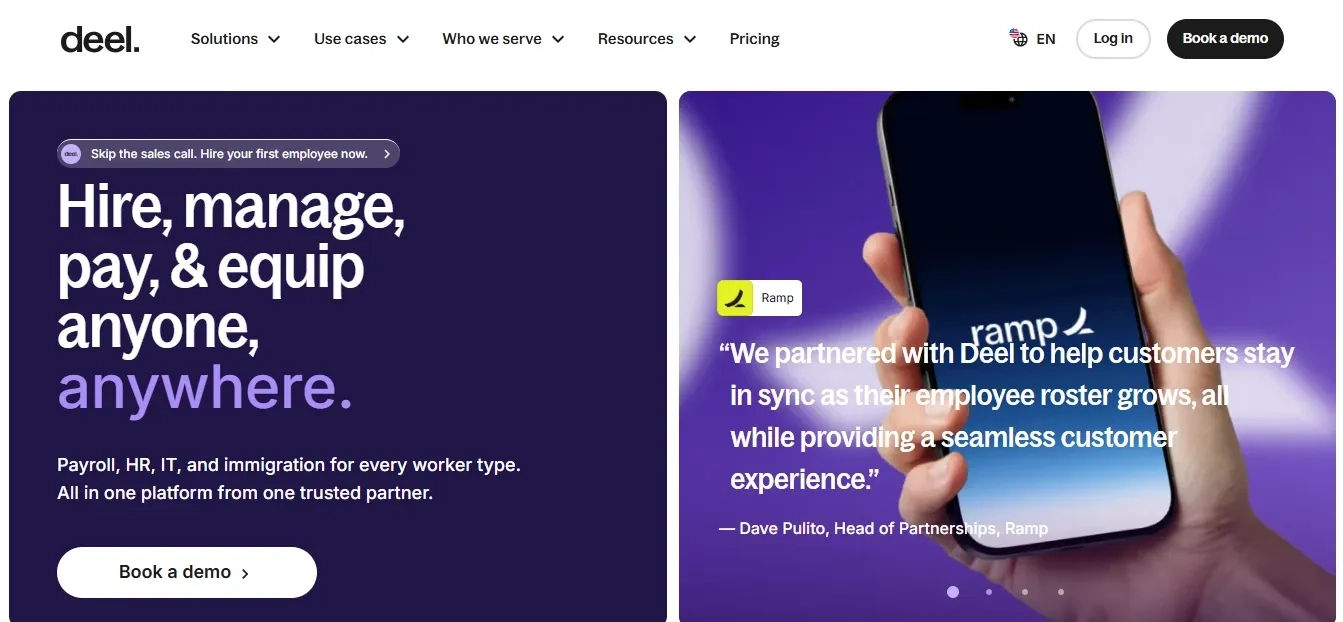
Best For: Small businesses hiring international and remote teams.
Deel is a global HR platform that helps businesses manage international hiring, onboarding, employee records, and workforce operations. While it is widely recognized for supporting distributed teams, it also provides useful HR tools for growing businesses that hire across multiple countries.
Pros
- Supports global hiring and onboarding
- Strong automation for HR workflows
- Employee records managed centrally
- Handles international workforce efficiently
- Scales with business expansion
Cons
- Better suited for global teams
- Some features exceed SMB needs
- Learning curve for beginners
Why Consider It?
If your small business plans to hire internationally, Deel offers HR capabilities designed to simplify global workforce management from a single platform.
How Can Small Businesses Choose the Right HR Software?
Every small business has different HR needs, so there isn’t a one-size-fits-all solution. Before choosing HR software, think about the challenges you want to solve today and the features you’ll need as your business grows.
1. Identify Your Business Needs
Start by listing your biggest HR challenges. Whether it’s onboarding new hires, tracking leave, managing performance reviews, or maintaining employee records, choose software that addresses your day-to-day priorities.
Research from Gallup shows that organizations with highly engaged teams achieve 23% higher profitability, making HR software that supports onboarding, performance and employee engagement a valuable investment.
2. Choose Essential Features
Focus on software that offers the features your team will actually use every day. Look for core capabilities like an employee directory, onboarding, and recruitment. You also need reliable leave management, attendance and timesheet tracking, performance reviews and clear reporting dashboards.
3. Consider Ease of Use
A simple, user-friendly interface can make a significant difference. Software that’s easy to navigate reduces training time and encourages adoption across your organization.
4. Look for Automation
Automation helps reduce repetitive administrative work. Features like onboarding checklists, leave approvals, reminders, and notifications can save time while improving consistency.
5. Think About Future Growth
Your HR software should support your business as it expands. Choosing a scalable solution today can help you avoid switching platforms later.
6. Evaluate Integration Options
If your business already uses tools like Microsoft 365, SharePoint, Microsoft Teams, or other business applications, selecting software that integrates with them can improve productivity and reduce duplicate work.
What Common Mistakes Do Small Businesses Make When Choosing HR Software?
Many businesses focus only on cost when selecting HR software. While affordability is important, choosing the wrong solution can lead to additional expenses and operational challenges later.
Here are some common mistakes to avoid.
Choosing Software Based Only on Price
The least expensive option isn’t always the best value. Consider the features, scalability, and overall functionality before making a decision.
Ignoring Future Business Growth
As your team grows, your HR needs will change. Select software that can support additional users, departments, and processes over time.
Paying for Features You'll Never Use
Avoid platforms with unnecessary complexity if your business only needs core HR functionality.
Overlooking Integration Capabilities
Your HR software should work well with the business applications you already rely on. Strong integrations can reduce manual work and improve efficiency.
Not Requesting a Product Demo
A demo gives you the opportunity to evaluate the user experience, understand the available features, and determine whether the software fits your business requirements.
Why HR365 HRMS Is a Strong Choice for Small Businesses
- Works inside Microsoft 365: Your team already uses Microsoft 365, SharePoint, and Teams. HR365 HRMS runs right inside these familiar tools, so training takes less time.
- Covers all core HR tasks: You get the exact features small teams need. This includes recruitment, onboarding, attendance, leave management, and performance tracking.
- Cuts software costs: Instead of paying for multiple disconnected apps, you get a complete HR system in one affordable package.
- Keeps data in one place: All employee records and reports stay in a single, secure location. This stops data from getting lost and cuts down on manual errors.
- Grows with your business: The clean design makes daily HR tasks easy to manage. It also scales up easily as your company hires more people.
Conclusion
Choosing affordable HR software isn’t about finding the lowest price—it’s about selecting a solution that delivers the right features, supports your business goals, and grows with your organization.
The platforms featured in this guide each offer unique strengths for small businesses. By evaluating your HR priorities, future growth plans, and integration needs, you can confidently choose a solution that helps your team work more efficiently and supports long-term success.
Transform Your HR Processes With One Complete Platform
Explore how HR365 HRMS supports your HR needs with scalable features built for growing small businesses.
Frequently Asked Questions
What is the best affordable HR software for small businesses?
The best affordable HR software depends on your business size, HR priorities, and future growth plans. Solutions like HR365 HRMS, Zoho People, BambooHR, Factorial, and Rippling each offer different strengths, helping small businesses manage HR processes more efficiently from one platform.
What features should small businesses look for in HR software?
Small businesses should look for employee records, onboarding, leave management, attendance tracking, performance management, recruitment, employee self-service, reporting, and workflow automation. Choosing software with these essential features helps simplify daily HR tasks while supporting business growth and improving team productivity.
Can HR software support business growth?
Yes. Many affordable HR software solutions are built to grow alongside your business. As your organization expands, they support additional users, automate more HR processes, and offer advanced features that help manage increasing HR responsibilities without switching to another platform.
How does HR software improve employee management?
HR software centralizes employee information, automates repetitive administrative tasks, and simplifies everyday HR activities. It also provides managers with better visibility into attendance, leave, performance, and employee records, helping teams make informed decisions while improving overall HR efficiency.
Can HR software integrate with Microsoft 365?
Yes. Many HR software platforms offer integrations with business applications, while solutions like HR365 HRMS are built specifically for Microsoft 365. This helps businesses manage HR processes within familiar tools, improving collaboration, productivity, and access to employee information.
Is HR software useful for small businesses?
Yes. HR software helps small businesses organize employee information, reduce manual work, automate routine HR tasks, and improve operational efficiency. It also supports better onboarding, leave management, performance tracking, and reporting, making everyday HR management more organized and effective.


_JiluXJRGNl.svg)























