

A business can negotiate a great purchase price and still lose money because of a poorly written contract. Hidden fees missed contract deliverables, dates, unclear payment rules, and supplier disputes can turn a good deal into an expensive problem.
- Track pricing, payment schedules, and extra charges to avoid unexpected costs and protect purchasing budgets.
- Review delivery duties, quality standards, liability limits, and exit conditions before making a purchase commitment.
- Use a central system to track renewal dates, supplier duties, document changes, and important milestones.
- Find missing clauses, identify unusual language, and extract important contract details without reading every document from the beginning.
This is why buy-side contracts play an important role in business purchasing.
According to Ironclad 2026 Contracting Benchmark Report, purchasing contracts average 77% counterparty paper usage and require 66% legal involvement. These figures show how often businesses work with supplier-written documents and why legal review remains important.
In this blog, we will explore the types of buy-side contracts, their key clauses, common risks, and practical ways to manage them.
What are Buy-Side Contracts?
Buy-side contracts are legal agreements between a business purchasing goods or services and the supplier providing them. They describe the responsibilities of both parties, including pricing, delivery schedules, quality expectations, and payment conditions.
These purchasing-side contracts help buyers protect their business interests while maintaining clear relationships with vendors.
Example of a Buy-Side Contract
A company purchases 100 software licences from an IT vendor for one year at $120 per licence, bringing the total contract value to $12,000. The agreement specifies payment within 30 days, technical support, data protection responsibilities, and a 60-day notice period for renewal or cancellation. These terms clarify the buyer’s costs and the vendor’s responsibilities.
What Does a Buy-Side Contract Commonly Contain?
A purchasing-side contracts commonly contains these key elements.
- Pricing and Payment Terms: Specify purchase costs, billing methods, payment deadlines, and any additional fees.
- Scope of Goods or Services: Define what the buyer will receive, including quantities, specifications, and expected deliverables.
- Delivery and Performance Requirements: Establish delivery dates, quality standards, service expectations, and remedies for delays.
- Liability and Risk Allocation: Explain each party’s responsibilities for losses, defective goods, damages, or third-party claims.
- Termination and Renewal Terms: Define contract duration, renewal conditions, cancellation rights, and exit requirements.
Common Types of Buy-Side Contracts
Businesses use different customer-side contracts depending on what they purchase and the terms of the transaction.
Purchase agreements define the price, quantity, payment terms, and delivery schedule for a transaction. For example, a retailer purchasing 500 office chairs may use one to confirm the agreed terms.
Master service agreements establish common terms for ongoing service relationships. Companies can use separate statements of work (SOWs) to define individual projects without renegotiating the entire agreement.
It specify expected service standards, such as response times, uptime, and support availability, along with remedies for failing to meet them.
These contracts cover recurring purchases of goods and materials, including pricing, delivery schedules, product quality, and responsibilities for damaged or rejected goods.
These agreements define how a business can use software, including subscription fees, user limits, support, and data handling after the agreement ends.
NDAs protect confidential information shared with potential vendors, such as financial records, technical designs, and business plans.
It allow businesses to use machinery, vehicles, or other assets for a specified period. They cover rental payments, maintenance, insurance, and return conditions.
Is contract review taking too much time?
CLM 365 helps you review and summarize complex clauses, compare alternatives, and understand legal language in simple English.
Key Objectives of Buy-Side Contract Management
Managing buy-side agreements involves more than storing signed documents. Businesses must monitor supplier commitments, control costs, and respond when purchasing needs change.
Companies need a clear record of agreed prices, discounts, contract duration, and additional charges. Regular reviews help finance teams identify billing differences before they affect the budget. A contract review can help the buyer question the increase before making payment.
Every supplier should understand what it must provide and when. Businesses can compare actual performance with written commitments to identify late deliveries, quality problems, or missed service targets.
Buyer side contracts can create financial obligations that continue for months or years. Clear responsibility limits, insurance requirements, and dispute procedures help companies understand their possible exposure.
Late materials, unavailable software, or interrupted support services can affect daily operations. Contract managers should identify critical suppliers and monitor commitments that directly affect business activities. For high-risk purchases, buyers may also need backup suppliers or other recovery plans.
Good purchasing-side contracts support fair and consistent communication. When both parties can access the same records, they can resolve billing questions, discuss contract KPIs, and plan future purchases with fewer misunderstandings.
Key Clauses to Review in Buy-Side Contracts
Every Purchasing-side contracts carries different risks. Before signing, businesses should examine the clauses that affect spending, service quality, and legal responsibility.
- Pricing and Payment Terms: Define purchase costs, billing frequency, due dates, discounts, and price adjustments. Buyers should look for hidden charges or unexpected increases.
- Delivery and Performance Requirements: Specify arrival dates, project deadlines, service standards, shipping responsibilities, and remedies for delays.
- Quality and Acceptance Criteria: Outline inspection methods, product specifications, approval conditions, and procedures for rejecting or replacing defective goods.
- Liability and Indemnification: Establish responsibility for losses, financial limits, and protection against certain third-party claims.
- Confidentiality and Data Protection: Explain how vendors must safeguard sensitive information, report breach of contract, and dispose of information when the relationship ends.
- Renewal and Termination Terms: Cover deal duration, automatic extensions, contract renewal process, exit charges, and responsibilities after termination.
- Dispute Resolution: Describe how disagreements will be handled, including applicable law, court jurisdiction, mediation, or arbitration.
Buy-Side vs. Sell-Side Contracts: Key Differences
Understanding differences between buyer-side agreements and sell-side contracts helps businesses assign the right responsibilities and manage financial risks.
Aspect | Buy-Side | Sell-Side |
Business role | The company acts as the buyer. | The company acts as the seller. |
Main objective | Obtain goods or services at a fair cost and acceptable quality. | Generate revenue through product or service sales. |
Key focus | Supplier performance, purchasing costs, and delivery commitments. | Customer payments, sales commitments, and revenue collection. |
Common risks | Late deliveries, unexpected charges, and poor product quality. | Delayed customer payments, refunds, and unpaid invoices. |
Responsible teams | Purchasing, finance, legal, and operations. | Sales, finance, legal, and account management. |
For example, when a hospital purchases medical equipment, it acts as the buyer. When an equipment manufacturer sells those products, it acts as the seller. Both parties may sign the same agreement, but their business priorities and risks differ.
Buy-Side Contract Management: Risks and Challenges
Even a carefully drafted supplier agreement can create problems when businesses fail to monitor it after signing.
Limited Visibility Into Supplier Agreements
When documents are stored across email accounts, local drives, and shared folders, employees may struggle to find the latest contract version. This creates problems when checking pricing, payment duties, or supplier commitments.
Unfavorable Supplier-Written Clauses
Vendors often provide their own contract templates. These documents may include restrictions, additional fees, or liability limits that favor the supplier. Buyers who sign without reviewing the details may accept responsibilities they did not expect.
Missed Renewal Dates
Automatic renewals can lock businesses into another billing period even when they no longer need the service. For example, a company may continue paying for unused software because it missed the cancellation window. With contract reminders help identify these charges before they arise.
Poor Supplier Performance Tracking
A signed document does not automatically mean the vendor will meet its commitments. Businesses must track delivery records, product quality, support response times, and repeated service problems. Without performance data, it becomes difficult to hold suppliers accountable.
Uncontrolled Contract Changes
Suppliers may request new prices, revised schedules, or changes to the original scope of work. When employees approve these updates through informal email conversations, the business may lose track of its latest commitments.
Communication Gaps Between Departments
Purchasing teams may negotiate the price of buy-side contracts while legal teams review risks and finance teams handle payments. If these departments work separately, important information may not reach the people who need it.
How to Manage Buy-Side Contracts Effectively
A good management process starts before a company signs an agreement and continues until the business relationship ends. Here are seven practical ways to improve control over purchasing activities.
- Check the deal against the original business need: Before contract signing compare the final agreement with what the team asked to purchase.
- Negotiate the exit before discussing the discount: A lower price means little if leaving the agreement later comes with heavy penalties. Review cancellation rights, notice periods, data retrieval, and transition costs before committing.
- Put every promised benefit in writing: Suppliers may offer free support, faster delivery, additional training, or preferential pricing during negotiations. If those promises matter to the business, include them in the signed agreement rather than relying on emails or verbal assurances.
- Look beyond the headline price: A deal that appears affordable upfront may involve implementation fees, usage charges, annual increases, or expensive renewals. Calculate the expected cost over the full contract period before approving it.
- Assign an owner to every important obligation: A contract may require a security review, annual certification, minimum purchase, or advance cancellation notice. Assign each task to a specific person instead of assuming the legal team will track everything.
- Question automatic renewals early: Check renewal dates as soon as an agreement is signed, not when the invoice arrives. Set reminders far enough ahead to review usage, contract changes, or exit without missing the notice deadline.
- Keep a record of why exceptions were accepted: Sometimes a business must accept a higher liability cap, a longer notice period, or a buy-side contracts term.
- Review the contract when the relationship changes: A supplier may start handling more data, supporting additional locations, or providing services beyond the original scope.
How CLM 365 Helps Manage Buy-Side Contracts?
Managing buy-side contracts involves reviewing purchasing terms, tracking supplier obligations, monitoring renewals, and protecting sensitive business information.
It integrates with Microsoft 365 apps like SharePoint, Microsoft Teams, and Outlook, allowing legal, finance, and purchasing teams to work with contract documents within familiar applications. Power BI supports contract reporting, while Microsoft Copilot can assist users in working with contract information.
From drafting and negotiation to approvals, signing, renewals, and termination, the platform supports every stage of the contract lifecycle.
Its AI-native contract management capabilities help translate complex legal jargon into plain English, making buy-side contract terms easier for procurement, finance, and other business teams to understand. This helps non-legal users identify important terms and recognize issues that may require legal review.
CLM 365 also has SOC 2 and ISO certifications and supports GCC High tenants, making it suitable for organizations with specific security and compliance requirements.
Role of AI in Managing Buy-side Contracts
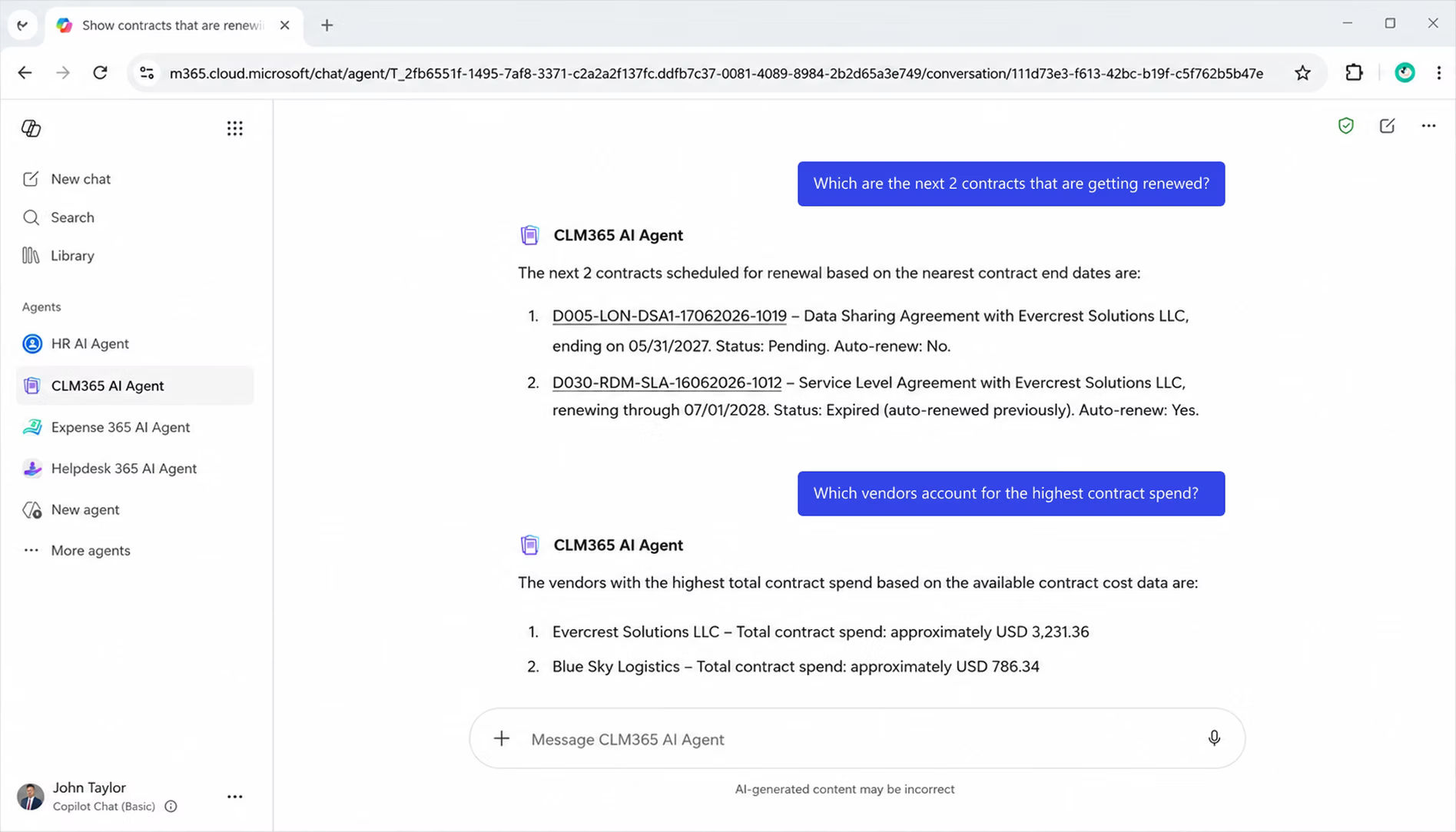
According to a McKinsey study, 78% of respondents said their organizations use AI in at least one business function. In buy-side contract management, AI can help teams review contracts, identify risks, and extract important information faster.
- AI-Powered Contract Review: Flags unusual terms, missing provisions, and deviations from preferred contract language for legal review.
- Automatic Data Extraction: Identifies supplier names, contract values, payment dates, and renewal terms, reducing manual data entry.
- Contract Risk Identification: Highlights potential issues, such as high cancellation fees, unclear responsibilities, or missing data-return requirements.
- Faster Contract Comparison: Identifies changes between document versions, helping reviewers focus on revised pricing, responsibilities, and other important terms.
- Better Purchasing Decisions: Analyses contract records to reveal recurring price increases, frequently amended agreements, and patterns that can inform future negotiations.
AI-generated findings still require human verification, particularly when agreements involve significant financial, legal, or data protection risks.
Conclusion
Buy-side contracts influence purchasing costs, supplier performance, and business risks. Managing them effectively helps businesses track obligations, avoid unwanted renewals, and get the value they expect from each agreement.
A reliable platform helps manage the entire contract lifecycle within the Microsoft 365 ecosystem. Explore SharePoint contract management to simplify contract management and gain better visibility into your purchasing agreements.
Frequently Asked Questions
Who is responsible for reviewing a buy-side contract?
It usually involves a few teams. Legal checks the legal risks, finance looks at the costs, procurement reviews the supplier terms, and the team using the product or service checks.
Which terms should a buyer negotiate first?
Start with the terms that could cost you money or cause problems later. Look at pricing, future price increases, cancellation rights, liability, service levels, and how your data will be handled while managing purchasing-side contracts
.
Where buy-side and sell-side contracts intersect
Buy-side and sell-side contracts intersect when a business buys from suppliers and sells to customers.
Why should buyers check minimum purchase commitments?
A minimum purchase commitment may require the business to pay for a set quantity or spend a certain amount even when actual demand falls.
Can software compare contracts side by side?
Yes, the system lets you compare contracts side by side to identify changes in pricing, terms, and obligations, making it easier to review vendor agreements before approval.


























