
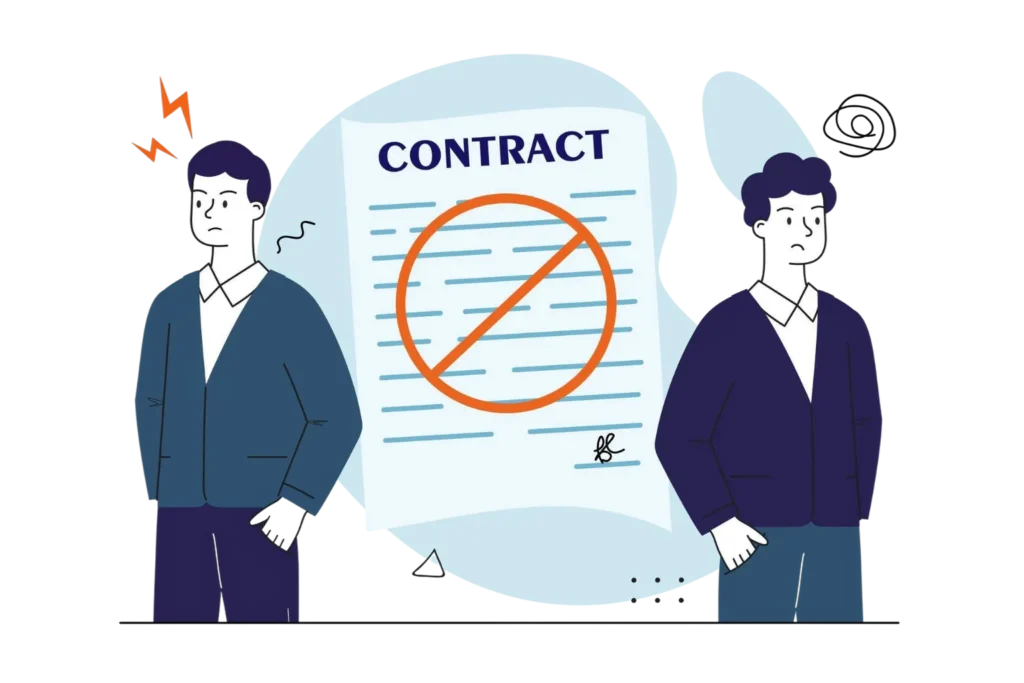

A signed agreement can look secure until one missed payment, delayed delivery, ignored obligation, or early cancellation turns a business relationship into a costly contract dispute.
- A breach of contract happens when a party fails to meet a contractual obligation, such as payment, delivery, confidentiality, or notice requirements.
- Breaches can be material, minor, anticipatory, or actual, with different remedies depending on the circumstances.
- Strong evidence, including contracts, amendments, emails, invoices, notices, and performance records, helps establish a breach.
- Clear contracts, assigned obligations, renewal alerts, approval controls, and early escalation can help prevent breaches.
Deloitte and DocuSign reported in 2025 that ineffective agreement management is tied to about $2 trillion in lost global economic value each year, showing the cost of weak contract control.
A breach of contract happens when one party fails to perform a duty promised in a valid agreement without a lawful excuse.
This guide explains the main types of breach, the elements usually needed to prove one, real examples, and how contract lifecycle management technology can help teams spot trouble earlier.
What Is a Breach of Contract?
A breach of contract is a failure to perform a contractual promise as required by the agreement. The failure may involve doing something prohibited, failing to do something required, performing late, providing work below the agreed standard, or refusing to perform at all.
Imagine a software vendor promises 99.9% uptime, monthly security reports, and support responses within two hours.
If outages continue, contract are never delivered, and urgent tickets sit unanswered, the customer may have grounds to claim contractual non-performance depending on the wording, facts, cure rights, and governing law.
For example, terminating without following the notice clause may itself violate the agreement.
Because contract law differs by country, state, contract type, and governing-law clause, businesses should treat general guidance as a starting point and involve qualified counsel when legal rights or significant exposure are at stake.
Why Do Contract Breaches Happen?
Many breaches start with weak handoffs, unclear ownership, rushed drafting, or poor post-signature tracking. Common causes include.
- Missed obligations: A team forgets a reporting date, service review, insurance requirement, audit duty, rebate, or payment milestone.
- Unclear language: Vague terms such as “promptly,” “reasonable support,” or “industry standard” can create different expectations.
- Operational failure: Staffing shortages, supplier problems, system outages, or poor project planning can prevent performance.
- Cash-flow pressure: A buyer may delay payment, or a supplier may cut service because costs increased.
- Scope disputes: One side believes extra work is included while the other sees it as a change request.
- Poor change control: Teams agree to changes in emails or meetings but never update the contract.
- Missed renewals or notices: An agreement may auto-renew, expire, or lose a termination right because no one tracked the deadline.
- Deliberate non-performance: A party may knowingly stop paying, disclose protected data, work with a prohibited competitor, or abandon delivery.
EY studies show that ineffective contract and vendor management may cause value leakage of about 5% to 8% of contract value during the lifecycle. That is why small process failures deserve attention before they become formal disputes.
What are the Key Elements of a Breach of Contract?
The exact legal test varies by jurisdiction, but a breach of contract claim commonly requires several core elements.
1. A Valid Contract Exists
There must generally be an enforceable agreement between the parties.
Depending on the law, courts may examine offer, acceptance, consideration, legal capacity, lawful purpose, and whether required formalities were satisfied.
Not every enforceable agreement must be signed, emails, purchase orders, online contract terms, conduct, or oral promises can sometimes create duties.
2. The Claiming Party Performed or Was Excused
The party raising the claim usually needs to show that it performed its own required duties, was ready and able to perform, or had a valid legal excuse.
For example, a buyer claiming late delivery may face difficulty if it never supplied specifications that the supplier needed before production could begin.
3. The Other Party Failed to Perform
The claimant must identify the specific obligation that was broken. General dissatisfaction is not enough. Strong claims connect the facts to a clear contract clause, deadline, standard, restriction, or payment duty.
4. The Breach Caused Loss
A party often must show that the breach caused compensable harm to recover damages.
Records should connect the failure to lost revenue, replacement costs, delay costs, additional labor, refunds, penalties, or another recognized loss.
Some breaches may support remedies even when financial harm is hard to measure, but the available options depend on the contract and applicable law.
What are the Different Types of Contract Breaches?
The type of breach can affect cure rights, remedies, and whether the agreement continues.
Material Breach
A material breach is serious enough to defeat a major purpose of the contract. It may allow the non-breaching party to suspend its own performance, terminate contracts, and seek damages, depending on the agreement and governing law.
Example: A manufacturer agrees to produce food-grade packaging but repeatedly supplies material that fails required safety specifications.
Minor or Partial Breach
A minor breach occurs when most of the contract is performed, but one part is incomplete, late, or defective. The agreement usually continues, although the affected party may seek damages or another agreed remedy.
Example: A consultant delivers a complete report two days late when timing was important but not essential to the entire engagement.
Anticipatory Breach
An anticipatory breach occurs when one party clearly indicates before performance is due that it will not perform a required obligation.
Example: A supplier tells a retailer three weeks before a launch that it will not deliver any units under the signed purchase contract.
The other side may have rights to respond before the due date, but it should obtain legal advice before treating the statement as final repudiation.
Actual Breach
An actual breach happens when the due date arrives and the promised performance does not occur, or performance is defective.
Examples include unpaid invoices, missed delivery dates, failure to provide required insurance, unauthorized disclosure of confidential information, or refusal to complete agreed work.
Spot contract risks before they become breaches.
CLM 365 brings obligation tracking, automated alerts, approval workflows, and AI-powered contract analysis together in one place, built natively for Microsoft 365.
What Should You Do If You Suspect a Contract Breach?
Do not begin with an angry email or immediate termination. Begin with facts.
First, locate the complete executed agreement, including schedules, statements of work, amendments, order forms, side letters, and incorporated policies. Then identify the exact duty that may have been breached.
Next, build a timeline showing what was required, when it was due, what happened, and what communications followed. Preserve emails, tickets, invoices, delivery records, meeting notes, system logs, and performance reports.
Check the contract for:
- Notice requirements
- Cure periods
- Escalation procedures
- Service credits
- Dispute-resolution clauses
- Limitation-of-liability terms
- Indemnity language
- Force majeure provisions
- Suspension rights
- Termination rights
- Governing law and venue
Then assess business impact. Is the problem fixable? Is the relationship strategically important? Has similar non-performance happened before? What would replacement cost? Could your own team have contributed to the failure?
Involve legal counsel when exposure is meaningful. A careful notice can preserve rights; a careless accusation can create unnecessary risk.
What are the Consequences of Breaching a Contract?
The consequences depend on the seriousness of the breach, the agreement, the loss caused, and the governing law.
Financial Damages
The non-breaching party may seek damages intended to place it in the position it would have occupied if the contract had been performed. Depending on the case, this can include direct losses and other legally recoverable damages. Liability caps and damage exclusions can materially change the financial outcome.
Termination
A serious breach may give the affected party a right to terminate. However, the termination clause may require written notice, a cure period, specific delivery methods, or executive escalation first.
Service Credits, Refunds, or Price Adjustments
Commercial agreements often provide predefined remedies for missed service levels, delayed delivery, or performance failures. These remedies may be automatic or may require a claim within a stated period.
Specific Performance or Injunctive Relief
In some situations, a court may order a party to perform a specific obligation or stop prohibited conduct. These remedies are not available in every dispute and are often subject to strict legal standards.
Relationship and Reputation Damage
Supplier failures, confidentiality incidents, and public disputes can also weaken trust with customers, partners, employees, and investors.
World Commerce & Contracting has reported average contract value erosion of 9.2% from poor contract management, with much of the loss occurring after signature. That makes post-signature discipline a financial issue, not just an administrative task.
How Do You Prove a Breach of Contract?
A strong case is built from evidence, not assumptions. Start with the final signed version and every valid amendment. Confirm that the clause being relied on was actually in force at the time of the event.
Then gather evidence of your own performance. This may include payment records, acceptance certificates, completed deliverables, emails showing cooperation, project logs, or proof that required inputs were supplied.
Next, document the other party’s non-performance. Useful records may include:
- Missed milestone reports
- Unpaid invoices
- Rejected deliverables
- Quality test results
- Service-level dashboards
- Delivery receipts
- Support tickets
- Written admissions
- Notice letters
- Meeting minutes
- Audit findings
Finally, connect the breach to the claimed loss. If a supplier delay forced an emergency purchase from another vendor, keep the replacement quote, invoice, freight cost, and internal records explaining why the purchase was necessary.
Avoid editing old records to “clean them up.” Preserve original files, dates, authors, and message history. If litigation is reasonably anticipated, counsel may advise the organization to issue a legal hold so relevant evidence is not deleted.
Proof becomes much harder when obligations live in spreadsheets, inboxes, and individual memory instead of in controlled contracting software.
How Can You Prevent a Breach of Contract?
Preventing a breach starts with knowing what your contracts require and making sure every obligation is tracked, assigned, and followed through.
- Write Duties So People Can Operate Them: Define clear deliverables, owners, deadlines, acceptance criteria, service levels, payment triggers, reporting rules, and escalation paths.
- Assign an Owner to Every Critical Obligation: Give someone responsibility for renewals, insurance certificates, security reviews, pricing changes, audits, service reports, and other key commitments.
- Track Renewal and Notice Dates Early: Record contract expiration dates, renewal terms, notice windows, termination deadlines, pricing changes, and responsible owners as soon as the contract is signed.
- Use Formal Change Control: Document changes to scope, pricing, timelines, or responsibilities through the process required by the contract.
- Review High-Risk Contracts Regularly: Monitor open obligations, missed service levels, renewals, disputes, credits, spend, and performance trends to catch issues early.
What Should You Do When a Contract Is Breached?
- Assess whether the breach is minor, material, repeated, curable, or ongoing before deciding how to respond.
- Follow the contract’s notice requirements, including the required method, address, timing, and format.
- Clearly document the breached provision, relevant facts, required remedy, and cure deadline.
- Consider practical solutions such as revised timelines, payment plans, service credits, amendments, or additional security.
- Take reasonable steps to limit further losses, such as finding an alternative supplier when necessary.
- Review the contract’s dispute resolution process, including negotiation, mediation, arbitration, or litigation.
- Keep clear records of communications, decisions, notices, and approvals in case the dispute escalates.
How Can a CLM System Help Manage Contract Breaches?
A CLM system helps turn signed contracts into active, manageable records instead of static documents.
It helps you keep track of obligations, owners, deadlines, renewal dates, notice periods, and other important commitments, so critical tasks do not get overlooked.
With automated contract reminders and dashboards, your team can see what is due, what is overdue, and which contracts need attention. A centralized record also makes it easier to find the latest contract, contract amendment, approvals, and related documents when an issue comes up.
A CLM system does not determine whether a legal breach has occurred, and it cannot replace legal judgment. What it can do is help you identify risks earlier, keep teams accountable, and take action before a missed obligation turns into a larger dispute.
Conclusion
A breach of contract is rarely just a legal issue. It often starts with a missed obligation, misunderstood term, overlooked deadline, or poorly tracked commitment.
The best way to manage these risks is to keep obligations clear, assign ownership, track key dates, document changes, and act early when something goes wrong.
You cannot eliminate every contract risk, but you can make it easier to spot and manage before it becomes a costly dispute.
CLM 365 helps your team manage contracts, track obligations, set automated reminders, and keep important contract information organized in one place. Explore CLM 365 today.
Frequently Asked Questions
Does every contract breach allow termination?
No. A minor breach may support damages or another remedy while the agreement continues. Termination usually depends on the seriousness of the failure, the contract’s termination language, any required cure period, and applicable law.
Can a verbal agreement be breached?
Yes, in some cases. Oral agreements can be enforceable when the law does not require a written contract and the elements of contract formation are satisfied. Proving the exact terms may be harder, which is why written records are safer for important business commitments.
What evidence is most useful in a contract breach dispute?
The signed agreement, amendments, notices, invoices, payment records, service data, emails, tickets, audit results, and proof of loss are often important. Strong evidence shows the obligation, expected standard, failure, and resulting impact.
How can businesses reduce missed renewals and obligations?
Create a central contract repository, assign obligation owners, track key dates, set early alerts, review high-risk agreements, and document changes formally. A CLM system keeps obligations, renewals, approvals, and contract history connected.


_JiluXJRGNl.svg)























