

5 Best Zapier Alternatives for HR Automation in 2026

- Zapier is a general workflow automation platform that connects different applications.
- HR automation platforms streamline onboarding, leave, attendance, performance, recruitment, and employee tasks.
- HR365 HRMS combines HR management, automation, and Microsoft 365 integration with SharePoint and Microsoft Teams.
- AI-powered HR platforms can support HR tasks through AI agents beyond fixed workflows.
Zapier is widely used to connect applications and automate repetitive workflows. But HR teams often need more than app-to-app automation. They need a platform that can work with employee data, onboarding, leave, attendance, performance, recruitment, training, and everyday HR tasks.
That is why many organizations are exploring Zapier alternatives for HR automation. HR-focused platforms can combine HR management with workflow automation, while Microsoft-based solutions can bring HR processes into the same environment teams already use.
In this guide, we compare five HR automation platforms that can be considered as Zapier alternatives, including HR365 HRMS, BambooHR, Rippling, Zoho People, and Microsoft Power Automate.
The right option depends on whether you need general workflow automation, dedicated HR software, Microsoft 365 integration, or AI-powered HR automation.
Why Look for Zapier Alternatives?
Zapier is useful for connecting applications and automating repetitive tasks, but it may not be the right fit for every organization. Businesses often look at Zapier alternatives when they need different pricing options, more control over workflows, deeper platform integration, or software built for a specific business function.
1. Ease of Use and Customization
Organizations may prefer platforms that offer simpler management, better reporting, stronger security controls or greater flexibility.
2. Pricing Concerns
As businesses automate more tasks, subscription costs can increase. Many organizations look for solutions that offer better value for their budget.
3. Integration Needs
Although Zapier supports a large number of applications, some businesses require deeper integrations or support for specific tools they use daily.
4. Scalability
As operations expand, businesses need solutions that can handle larger volumes of data, users and automated processes efficiently.
5. Advanced Automation Requirements
Growing companies often need more complex automation, approval processes or customized actions that may not fit their current setup.
Choosing the right automation platform depends on your business goals, budget and integration requirements. Exploring Zapier alternatives can help organizations find a solution that better supports their current and future needs.
Zapier: A Quick Overview
Zapier is a workflow automation platform that connects different business applications and triggers actions between them. It is commonly used to automate repetitive tasks, such as sending notifications, creating records, moving information between apps, and updating workflows after a specific event.
Pros
- Large application ecosystem
- No-code workflow creation
- Multi-step automation
- AI-powered automation capabilities
- Useful for connecting different business systems
- Suitable for cross-department workflows
Cons for HR Teams
- Not a dedicated HR management system
- HR data may remain across multiple applications
- HR processes often require several connected tools
- Complex HR workflows may require ongoing configuration
Zapier remains a strong choice when the main requirement is connecting applications.
However, if the main requirement is managing and automating HR operations, a specialized HR automation platform may be a better fit.
5 Best Zapier Alternatives for HR Automation
1. HR365 HRMS
Best for: SMBs & Organizations using Microsoft 365
HR365 HRMS is an HR management platform designed for organizations working with Microsoft 365, SharePoint, and Microsoft Teams.
HR365 HRMS combines employee management with HR workflows, dashboards, automation, and AI capabilities.
A major differentiator is its focus on Microsoft users. HR teams can work within an environment that already includes SharePoint and Teams rather than creating a separate HR technology stack around disconnected applications.
2. BambooHR
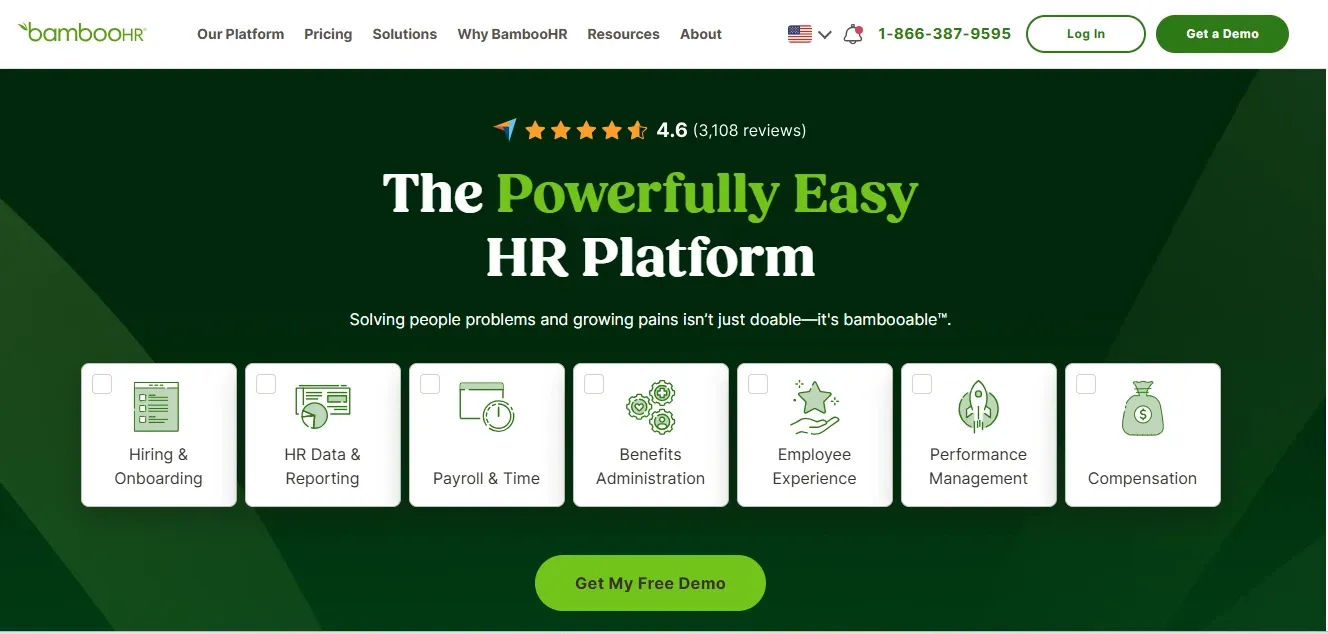
Best for: Organizations looking for dedicated HR management
BambooHR is a dedicated HR platform covering areas such as employee information, onboarding, time-off management, performance, hiring, reporting, and employee experience.
Its advantage over a general automation tool is that HR workflows are built around HR processes rather than simply moving information between applications.
3. Rippling
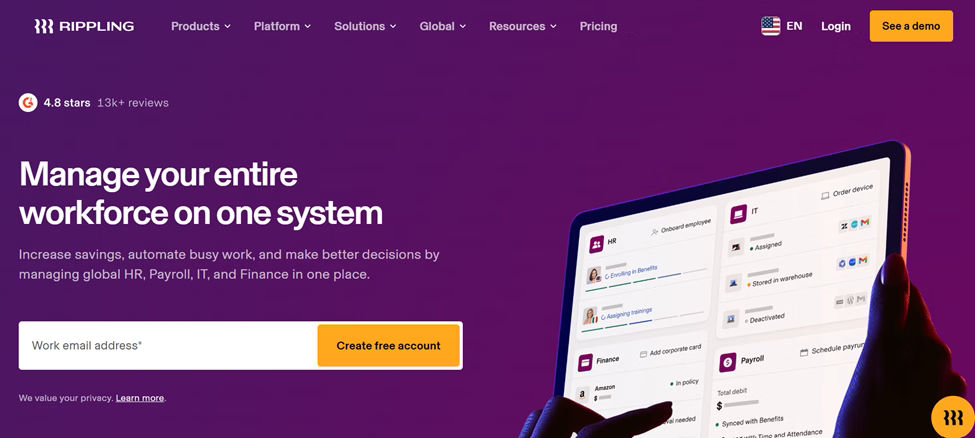
Best for: HR and IT automation
Rippling combines HR and IT-related employee operations. Its platform can connect employee information with application access, devices, and other operational activities.
This makes it a different type of alternative to Zapier.
Rather than simply moving data between applications, Rippling can automate actions associated with employee lifecycle events.
4. Zoho People
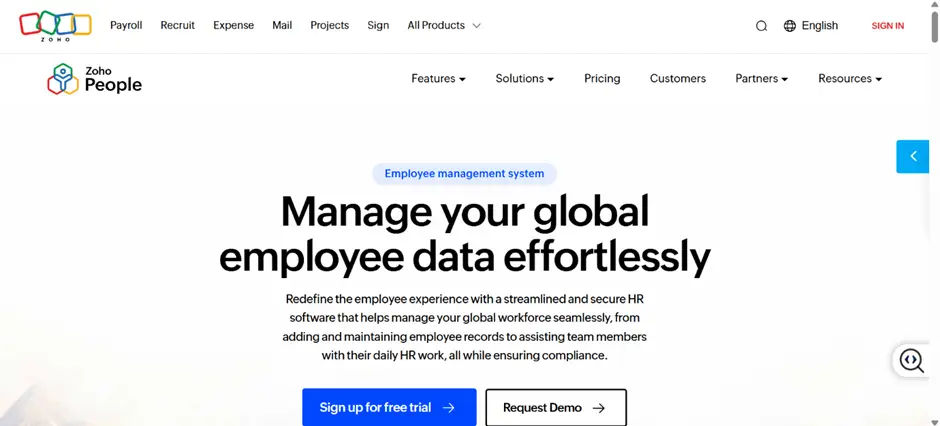
Best for: Organizations using the Zoho ecosystem
Zoho People is an HR management platform covering employee information, attendance, leave, performance, onboarding, time tracking, and HR workflows.
It is especially relevant for organizations that already use other applications in the Zoho ecosystem.
5. Connecteam
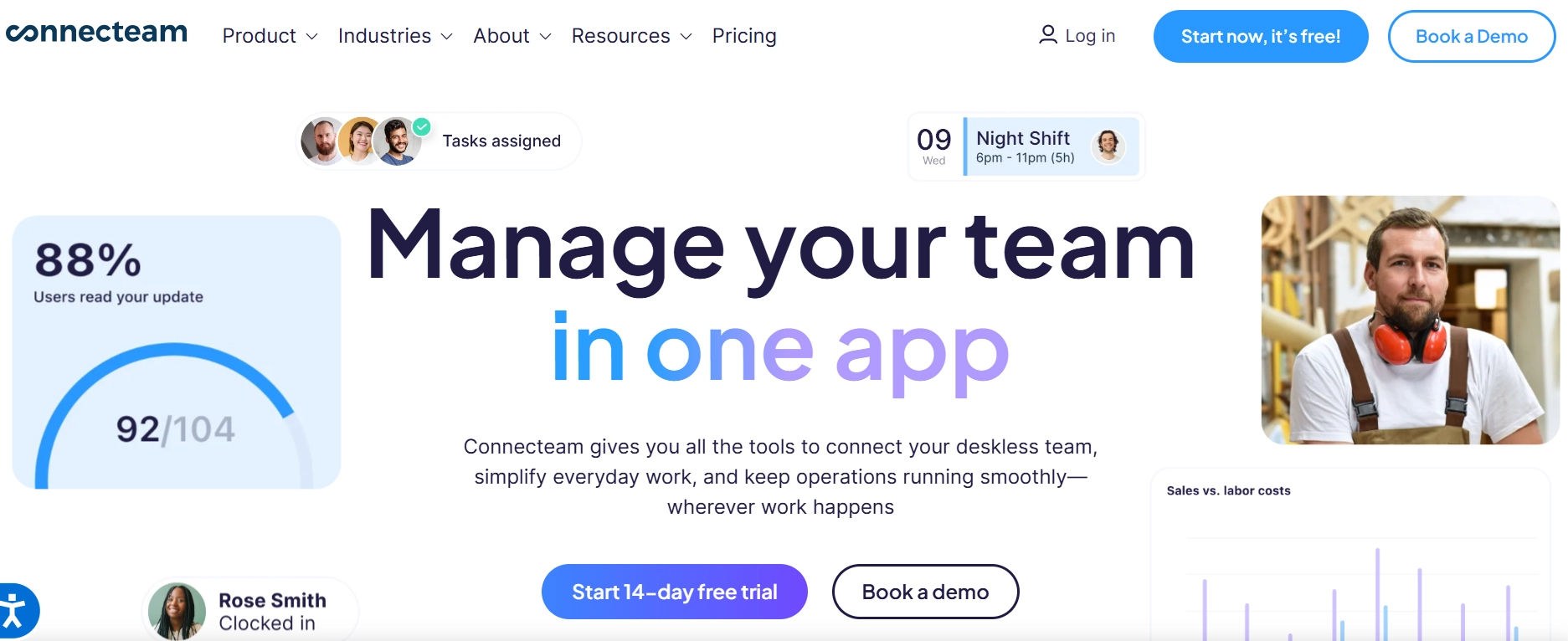
Best for: Organizations managing deskless teams and employee communication
Connecteam is an employee management platform focused on teams that work across different locations or spend less time at a desk. It brings together tools for communication, scheduling, time tracking, tasks, training, and day-to-day team operations.
For organizations looking for a Zapier alternative specifically for HR and employee operations, Connecteam can be useful when automation needs are closely connected to scheduling, time tracking, task management, and team communication.
Key Factors to Consider When Choosing a Zapier Alternative
Choosing a Zapier alternative starts with understanding what your organization needs to automate. Different platforms focus on different types of workflows, integrations, and business processes.
Consider these factors before choosing an alternative:
- Identify your HR workflows: Focus on repetitive processes such as employee onboarding, leave requests, attendance tracking, HR approvals, performance reviews, training assignments, employee requests, recruitment, and HR task management.
- Review your existing technology: If your organization uses Microsoft 365, SharePoint, or Microsoft Teams, choose a platform that integrates smoothly with your current environment and reduces the need for separate connections.
- Look beyond basic automation: Make sure the platform can manage complete HR processes, not just trigger simple actions. For example, effective onboarding should create employee records, assign tasks, notify managers, organize activities, and track completion.
- Consider AI agents: AI-powered HR platforms can answer employee questions, find information, summarize records, and support routine HR tasks beyond predefined trigger-and-action workflows.
- Evaluate Microsoft 365 compatibility: Check support for SharePoint, Microsoft Teams, Outlook, Microsoft Entra ID, Power Automate, Power BI, and Microsoft 365 data and workflows.
- Choose an HR-focused platform: HR365 HRMS is particularly relevant for Microsoft users because it combines HR management, automation, AI capabilities, and Microsoft ecosystem integration in one platform.
Why HR365 HRMS Software Can Be a Better Choice for HR Automation
Zapier is built for connecting different applications and automating tasks between them. HR365 HRMS takes a different approach by combining HR management with built-in workflow automation, making it a better fit for organizations that want to manage HR processes and automate related tasks from one platform.
Centralized employee management
HR teams can manage employee profiles, records, roles, documents, and other HR information from one platform. This provides a central place to access and manage employee information.
AI-Powered HR Automation
AI-powered features can support repetitive HR requests and routine processes. This can help teams handle common HR activities with less manual effort.
Microsoft 365 Integration
HR365 HRMS is designed for organizations using Microsoft 365, with integration across SharePoint and Microsoft Teams. HR teams can manage HR activities within the Microsoft environment they already use.
Recruitment and Onboarding
HR365 HRMS brings recruitment and onboarding activities together, helping HR teams manage hiring tasks, candidate information, new-hire activities, documents, and onboarding workflows in one platform.
Learning and Training
HR365 HRMS provides tools for managing learning and training activities. HR teams can organize training information and keep track of employee development activities.
Performance Management
The platform supports performance reviews, goals, feedback, and performance-related activities. Managers and HR teams can keep performance information organized throughout the review process.
Attendance and Leave Management
HR365 HRMS combines attendance recording, work-time tracking, leave requests, approvals, leave balances, and employee availability, giving teams a centralized view of time and leave activities.
Task Management
HR teams can create, assign, and track tasks across managers, departments, and team members. This provides visibility into HR activities that require follow-up or approval.
Expense Management
Teams can submit and manage employee expenses through defined approval workflows. HR and managers can review expense information and track the status of submissions.
For organizations focused on improving HR efficiency, employee management and operational visibility, HR365 HRMS software often provides a more comprehensive and practical solution than standalone workflow automation platforms.
Conclusion
Zapier remains a strong choice for connecting applications and creating general-purpose automated workflows. But HR teams often need more than application connections. They need HR processes, employee information, approvals, tasks, reporting, and automation working together.
For organizations already using Microsoft 365, HR365 HRMS provides a more HR-focused approach by combining employee management, HR workflows, Microsoft 365 integration, and AI-powered capabilities in one platform.
If your goal is to move from basic workflow automation toward AI-powered HR automation, HR365 HRMS is worth considering alongside traditional Zapier alternatives.
Find an HR Solution That Fits Your Business
Book a free demo of HR365 HRMS and discover features designed to support growing organizations.
Frequently Asked Questions
What is the best Zapier alternative for HR automation?
The best option depends on your requirements. HR365 HRMS is a strong choice for Microsoft 365 organizations that need HR management, workflow automation, and AI capabilities in one platform.
Is HR365 HRMS a Zapier alternative?
Yes, for HR-focused use cases. Zapier is primarily a general automation platform, while HR365 HRMS is designed around HR processes and employee management. HR365 HRMS can reduce the need to build separate workflows for common HR activities.
What is the difference between Zapier and HR365 HRMS?
Zapier primarily connects applications and automates actions between them. HR365 HRMS is an HR management platform with built-in HR workflows, employee management, dashboards, automation, and AI capabilities.
Can AI agents automate HR tasks?
Yes. AI agents can support HR tasks that involve understanding information, answering questions, retrieving data, summarizing information, and assisting with routine activities. AI agents can complement traditional rule-based HR workflows.
What should I look for in an HR automation platform?
Look for HR-specific workflows, employee data management, onboarding, leave and attendance, performance management, recruitment, training, task management, dashboards, integrations, AI capabilities, and compatibility with your existing technology.
Why use HR automation software instead of Zapier?
A dedicated HR automation platform can manage the underlying HR process rather than only connecting applications. This can be useful when your organization needs employee records, HR workflows, approvals, dashboards, and automation in the same system.


_JiluXJRGNl.svg)























