
Performance Management System to Align, Engage and Grow Your People
A performance management system is a structured process and software platform that helps organizations set goals, track progress, give continuous feedback, and evaluate and develop employee performance to align people with business objectives.
_eH2jDg7dZ.png)
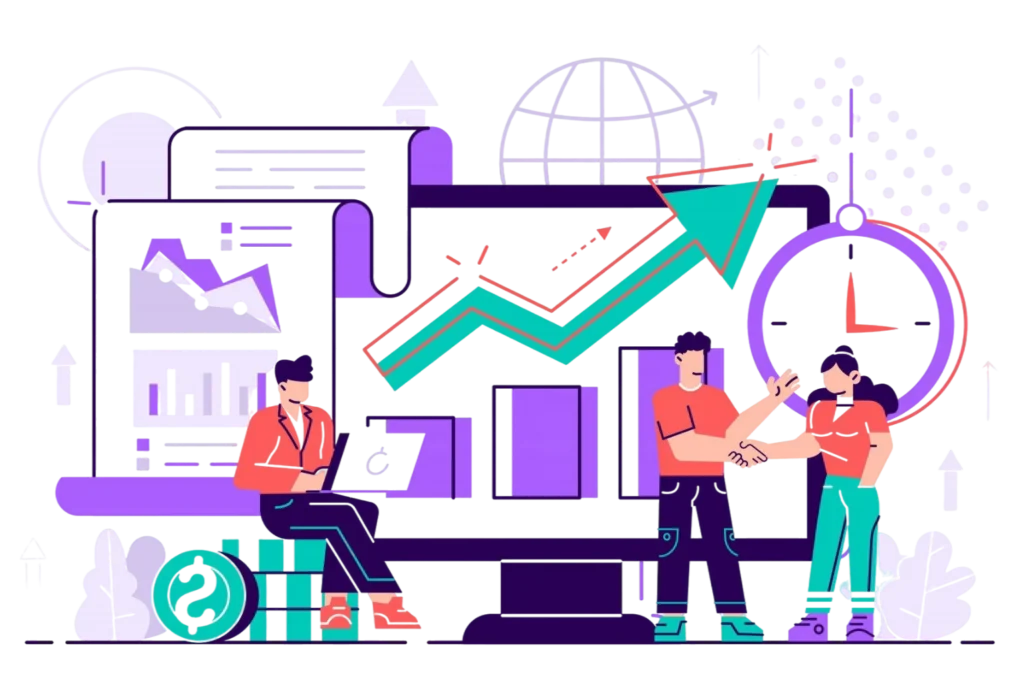
Performance 365 is a modern performance management system that replaces spreadsheets, scattered emails, and once-a-year appraisals with continuous, transparent, data-driven performance conversations. It helps you align every employee with business goals, gives managers the insight they need to coach effectively, and helps your people do their best work every day.
Whether you are a fast-growing startup formalizing your first review process or an enterprise looking to modernize outdated appraisals, Performance 365 gives you a single, easy-to-use performance management solution for goal setting, continuous feedback, performance reviews, 360-degree feedback, development planning, and people analytics.
What Is a Performance Management System?
A performance management system is a structured process, supported by technology, that helps organizations plan, monitor, review, and improve employee performance on an ongoing basis. It connects individual goals to team and company objectives, captures feedback throughout the year, and gives HR and leadership a clear view of how employee are performing and developing.
At its core, performance management is about three things: making sure employees know what is expected of them, helping them get better at what they do, and recognizing the contributions they make.
A performance management system brings structure and consistency to all three, so that every employee in the organization gets the same quality of guidance regardless of which team they sit in or which manager they report to.
Traditional performance management often meant a single annual appraisal, filled out from memory and filed away until the next year. Modern performance management software turns that into a continuous cycle of goal setting, regular check-ins, real-time feedback, fair evaluations, and development planning. The result is a system that motivates employees instead of simply grading them.
The Performance Management Cycle
An effective employee performance management system typically covers four stages that repeat throughout the year:
- Plan: Set clear, measurable goals using OKRs, KPIs, or SMART goals that are aligned with business priorities and agreed between employee and manager.
- Monitor: Track progress through regular check-ins, one-on-one meetings, and ongoing feedback so that problems are spotted early and successes are recognized quickly.
- Review: Evaluate performance using self-assessments, manager reviews, peer input, and 360-degree feedback, backed by the evidence gathered during the year.
- Develop: Identify strengths and skill gaps, create development plans, and recognize and reward achievement before the cycle begins again.
Performance Management vs. Performance Appraisal
The terms are often used interchangeably, but they are not the same thing. A performance appraisal is a single event, usually a formal review held once or twice a year, where a manager rates an employee’s performance.
Performance management is the broader, continuous process that includes appraisals but also covers goal setting, coaching, feedback, recognition, and development. An appraisal looks backward; a performance management system looks both backward and forward, using past performance to shape future growth.
Aspect | Performance Management | Performance Appraisal |
Approach | Continuous process | Periodic evaluation |
Focus | Growth, goals, and development | Past employee performance |
Frequency | Ongoing throughout the year | Usually annual or biannual |
Feedback | Regular and two-way | Mainly manager-led |
Goal | Improve future performance | Assess and rate performance |
Scope | Broader employee development | Specific review period |
The Evolution of Performance Management
Performance management has changed dramatically over the past few decades. For much of the twentieth century, organizations relied on annual reviews and forced ranking systems that compared employees against each other and sorted them into fixed categories.
These approaches were designed for control and compliance rather than growth, and they often left employees feeling judged rather than supported.
As work became more knowledge-based, collaborative, and fast-moving, the limitations of the annual review became obvious. Goals set in January were often irrelevant by June. Managers struggled to remember what happened months earlier, and feedback arrived far too late to be useful.
Many well-known companies began to publicly abandon or overhaul their annual review processes in favor of more frequent, lighter-touch conversations.
Today, the most effective organizations treat performance management as an ongoing dialogue. They combine clear goals with continuous feedback, regular check-ins, and development-focused reviews. Technology plays a central role in this shift.
A dedicated performance management tool makes it practical to capture feedback in the moment, keep goals visible, and give HR the data it needs, all without adding administrative burden to managers. Performance 365 was built for this modern approach: continuous, collaborative, and centered on employee growth.
Why Your Organization Needs a Performance Management Solution
Without a dedicated performance management solution, reviews become inconsistent, feedback gets lost in inboxes and chat threads, and top performers go unnoticed until they hand in their resignation. Employees want to know how they are doing and where they are headed, and managers need a simple, fair way to guide them.
Here is what changes when you put the right system in place:
- Goals stay aligned. Everyone can see how their work contributes to team and company objectives, which reduces wasted effort and conflicting priorities.
- Feedback becomes continuous. Instead of waiting twelve months, employees get timely coaching when it can still make a difference to the outcome.
- Reviews become fair and evidence-based. Documented goals, check-in notes, and feedback history reduce recency bias and gut-feel ratings.
- Engagement and retention improve. Employees who receive regular recognition and see a clear growth path are more engaged and more likely to stay.
- HR saves time. Automated review cycles, reminders, and reports eliminate hours spent chasing forms and consolidating spreadsheets.
- Leaders get real insight. Dashboards reveal high performers, at-risk employees, and skill gaps so you can make better decisions about promotions, compensation, and succession.
- Compliance and documentation improve. A clear record of goals, feedback, and reviews supports fair and defensible people decisions.
Signs You Have Outgrown Manual Performance Management
Many organizations start with spreadsheets, documents, and email to manage reviews. That can work for a handful of employees, but it quickly breaks down as you grow. You probably need dedicated performance management software if:
- HR spends weeks every review season chasing incomplete forms.
- Employees say they do not know how their performance is measured.
- Managers across departments rate performance in very different ways.
- Goals are set at the start of the year and never revisited.
- Feedback only happens during the annual review.
- You cannot easily see who your top performers or flight risks are.
- Review documents are scattered across folders, inboxes, and personal drives.
- Promotion and pay decisions are hard to justify with data.
If several of these sound familiar, it is time to move to a dedicated employee performance management system like Performance 365.
Key Components of an Effective Employee Performance Management System
The best performance management systems share a set of core components. Each one plays a specific role in helping employees grow and helping the organization succeed.
1. Goal Setting and Alignment
Clear goals are the foundation of performance management. Employees need to understand what success looks like in their role and how their work supports the wider organization. Goal frameworks such as OKRs (Objectives and Key Results), KPIs (Key Performance Indicators), and SMART goals (Specific, Measurable, Achievable, Relevant, Time-bound) help translate strategy into day-to-day priorities. Cascading goals from company to team to individual level ensures that everyone is pulling in the same direction.
2. Continuous Feedback
Feedback is most useful when it is timely and specific. A modern system makes it easy for managers, peers, and even direct reports to share feedback whenever it is relevant, rather than saving everything up for a formal review. Continuous feedback builds trust, speeds up learning, and removes the element of surprise from annual evaluations.
3. Regular Check-ins and One-on-Ones
Structured one-on-one meetings give employees and managers dedicated time to discuss progress, remove roadblocks, and talk about development. Recording agendas, notes, and action items in the system ensures that commitments are followed through and that nothing important is forgotten.
4. Performance Reviews and Evaluations
Formal reviews are still valuable, but they should summarize a year of ongoing conversations rather than replace them. Effective reviews combine self-assessments, manager evaluations, and peer input, using consistent rating scales and competency frameworks so that results are comparable across the organization.
5. 360-Degree Feedback
360-degree feedback gathers input from multiple perspectives: managers, peers, direct reports, cross-functional colleagues, and the employee themselves. This produces a more balanced, complete picture of performance and is especially useful for leadership development.
6. Development Planning
Performance management should always lead somewhere. Individual development plans turn review insights into concrete actions such as training courses, stretch assignments, mentoring, or new responsibilities, helping employees build the skills they need for their next step.
7. Recognition and Rewards
Recognizing good work reinforces the behaviors that drive results. Public appreciation, badges, and links between performance outcomes and rewards help employees feel valued and motivated.
8. Analytics and Reporting
Data turns performance management from a paperwork exercise into a strategic tool. Reports on goal completion, rating distributions, review participation, and skill gaps help HR and leadership make informed decisions about talent, training, and organizational design.
Key Features of Performance 365 Performance Management Software
Performance 365 is employee performance management software that brings every part of the performance cycle into one easy-to-use platform. Here is what you get.
Goal Setting and OKR Management
Create individual, team, and company goals using OKRs, KPIs, or SMART frameworks. Cascade objectives from leadership down to every employee, link related goals together, and track progress with visual indicators so no one loses sight of what matters. Goals can be updated at any time as priorities shift, keeping everyone focused on the work that counts right now.
Continuous Feedback and Check-ins
Enable managers and peers to share praise and constructive feedback anytime. Schedule recurring one-on-one check-ins with shared agendas, discussion notes, and action items that stay attached to each employee’s performance record. When review time comes, all of that context is already in one place.
Customizable Performance Reviews
Run annual, half-yearly, quarterly, probation, or project-based reviews with templates built around your competencies and rating scales. Add custom questions, weight different sections, and configure multi-step approval flows. Automated workflows handle notifications, reminders, and approvals from start to finish.
360-Degree Feedback
Gather balanced input from managers, peers, direct reports, and self-assessments. Choose who can nominate reviewers, control anonymity settings, and view consolidated results that highlight strengths and development areas.
Self-Assessments
Give employees a voice in their own evaluation. Self-assessments encourage reflection and ownership, surface achievements managers may have missed, and lead to more balanced, productive review conversations.
Competency and Skills Tracking
Define role-based competency frameworks, assess proficiency levels, and spot skill gaps across individuals and teams. Use these insights to guide hiring, training, and career planning.
Individual Development Plans (IDPs)
Turn review outcomes into action with development plans, learning goals, and career pathing that employees and managers track together. Every plan has clear milestones so progress can be measured over time.
Recognition and Appreciation
Celebrate wins with kudos and badges that reinforce your company values and the behaviors driving your results. Recognition history becomes part of each employee’s performance story.
Performance Improvement Plans (PIPs)
Support underperforming employees with structured improvement plans, clear milestones, scheduled follow-ups, and full documentation, making the process fair, transparent, and consistent.
Calibration Support
Help leadership teams review and compare ratings across departments to ensure fairness and consistency. Rating distribution views make it easy to spot overly generous or overly harsh reviewers before results are finalized.
Reports, Analytics and Dashboards
Get real-time dashboards on goal completion, review status, rating distribution, and team performance trends. Filter by department, location, or manager, and export data for calibration sessions, compensation planning, and leadership reporting.
Automated Workflows and Reminders
Set review timelines once and let Performance 365 handle the rest. Automated notifications and reminders keep employees, managers, and reviewers on track, dramatically improving completion rates.
Role-Based Access and Data Security
Control who sees what with permissions for employees, managers, HR, and administrators. Sensitive performance data is protected with enterprise-grade security, so confidential information is only visible to the right people.
A Performance Management Tool Your Teams Will Actually Use
Many performance management tools fail not because they lack features but because people do not use them. If a system is complicated, slow, or disconnected from daily work, managers put off reviews and employees stop updating their goals. Performance 365 is designed for adoption from day one.
- Intuitive interface: Clean, simple screens mean employees and managers can set goals and complete reviews without lengthy training.
- Smart automation: Automated reminders, notifications, and workflows keep review cycles on schedule without HR chasing anyone.
- Access anywhere: Update goals, share feedback, and complete reviews from desktop or mobile, wherever work happens.
- Flexible configuration: Adapt forms, workflows, rating scales, and review frequencies to fit your culture and processes.
- Seamless integrations: Connect Performance 365 with your existing HR and business systems to keep employee data in sync. [Update with your supported integrations]
- Personalized dashboards: Every user sees what matters to them, from an employee’s own goals to a manager’s team overview to HR’s organization-wide view.
Benefits of an Employee Performance Management System
A well-implemented employee performance management solution creates value for everyone in the organization.
For Employees | For Managers | For HR and Leadership |
Clear goals and expectations | Automated review cycles | |
Regular, meaningful feedback | Structured one-on-one agendas | Consistent, fair evaluation process |
Visible growth and career paths | Evidence-based reviews | Workforce insights and analytics |
Recognition for achievements | Early visibility into issues | Better talent and succession decisions |
A voice through self-assessment | Less admin, more coaching | Stronger engagement and retention |
Benefits for Employees
Employees gain clarity about what is expected of them and how their work matters. Regular feedback helps them improve faster, recognition makes them feel valued, and development plans show them a clear path forward. Most importantly, they get a fair process where their achievements are documented throughout the year, not just remembered at review time.
Benefits for Managers
Managers get a simple way to stay on top of their team’s progress without micromanaging. Check-in templates make one-on-ones more productive, feedback history makes writing reviews faster and fairer, and dashboards help them spot problems before they escalate. Less time on paperwork means more time for coaching.
Benefits for HR and Leadership
HR teams save significant time by automating review cycles and eliminating manual data consolidation. Leadership gains a reliable, real-time view of organizational performance, helping them align the workforce with strategy, identify future leaders, and make data-backed decisions about compensation, promotions, and succession planning.
Traditional Performance Reviews vs. Performance 365
| Traditional Approach | Performance 365 |
| Once-a-year appraisal | Continuous feedback and regular check-ins |
| Paper forms and spreadsheets | Automated digital workflows |
| Manager-only evaluation | 360-degree feedback and self-assessments |
| Recency bias and guesswork | Year-round documented evidence |
| Goals set and forgotten | Live, trackable, aligned goals |
| Disconnected tools and files | One centralized platform |
| Little to no reporting | Real-time dashboards and analytics |
| Backward-looking judgment | Forward-looking development |
Popular Performance Management Methods Supported by Performance 365
Every organization approaches performance differently. Performance 365 is flexible enough to support the methods that work best for your culture.
- OKRs (Objectives and Key Results): Ambitious objectives paired with measurable key results, ideal for fast-moving, goal-driven teams.
- Management by Objectives (MBO): Managers and employees agree on specific objectives together and evaluate performance against them.
- KPI-based evaluation: Performance measured against quantitative indicators such as sales targets, response times, or quality scores.
- Competency-based reviews: Employees assessed on the skills and behaviors required for their role, supporting consistent development.
- 360-degree feedback: Multi-rater input that gives a well-rounded view of performance, especially valuable for leaders.
- Continuous performance management: Frequent check-ins and real-time feedback replace or supplement the annual review.
- Rating scale reviews: Structured numerical or descriptive scales that make results easy to compare across teams.
You can combine these methods, for example by using OKRs for goals, competencies for behaviors, and quarterly check-ins for ongoing conversations, all within one performance management tool.
How Performance 365 Works
Getting started with Performance 365 is simple. Most organizations can launch their first review cycle within days.
- Set up quickly. Import your employees and reporting structure, configure roles and permissions, and choose from ready-to-use review templates.
- Define goals and competencies. Create company objectives and cascade them to teams and individuals. Add the competencies that matter for each role.
- Run check-ins and share feedback. Managers and employees meet regularly, log progress against goals, and exchange feedback throughout the year.
- Launch review cycles. Kick off reviews with automated notifications. Employees complete self-assessments, peers and reviewers add input, and managers finalize ratings.
- Calibrate and finalize. Leadership reviews rating distributions to ensure fairness before results are shared with employees.
- Analyze and develop. Use dashboards to identify top talent and skill gaps, and turn results into development plans that set up the next cycle.
Performance Management Metrics You Can Track
What gets measured gets managed. Performance 365 helps you track the metrics that show whether your performance management process is working.
- Goal completion rate: The percentage of goals achieved within a cycle, by individual, team, or department.
- Review completion rate: How many reviews, self-assessments, and feedback requests are completed on time.
- Rating distribution: How ratings are spread across the organization, helping you spot inconsistency or bias.
- Feedback frequency: How often employees give and receive feedback, a strong indicator of a healthy feedback culture.
- Check-in consistency: Whether managers are holding regular one-on-ones with their team members.
- Skill gap analysis: Where competency levels fall short of role requirements, guiding training priorities.
- High performer identification: Who consistently exceeds expectations and may be ready for promotion or succession roles.
- Development plan progress: Whether employees are making progress on their learning and growth goals.
Common Performance Management Challenges and How Performance 365 Solves Them
Challenge | How Performance 365 Helps |
Low review completion rates | Automated reminders and simple forms keep everyone on schedule |
Inconsistent ratings across managers | Standard templates, rating scales, and calibration views |
Recency bias in reviews | Year-round feedback and check-in history as evidence |
Employees unclear on expectations | Visible, aligned goals and role-based competencies |
Feedback only once a year | Continuous feedback available anytime |
Time-consuming admin for HR | Automated workflows and centralized records |
No visibility into talent | Real-time dashboards and analytics |
Reviews that do not lead to growth | Built-in development and improvement plans |
Performance Management for Remote and Hybrid Teams
Remote and hybrid teams need clear visibility into goals, feedback, and progress. A performance management system helps managers focus on outcomes instead of activity, while giving employees a fair and consistent experience wherever they work.
- Track goals and progress from anywhere
- Support structured remote check-ins
- Give and request feedback easily
- Recognize employee contributions consistently
- Base reviews on documented results
- Keep distributed teams aligned with shared goals
Best Practices for Implementing a Performance Management System
Choosing the right software for performance management is only half the job. How you roll it out matters just as much. These best practices help ensure success.
- Start with clear objectives. Decide what you want your performance management process to achieve, such as better alignment, higher engagement, or fairer pay decisions, and design around those goals.
- Get leadership buy-in. When senior leaders actively set goals, give feedback, and complete reviews, the rest of the organization follows.
- Keep it simple. Avoid overly long review forms. Focus on the questions that actually drive useful conversations.
- Train your managers. Managers are the key to effective performance management. Give them guidance on setting goals, giving feedback, and running development conversations.
- Communicate the why. Explain to employees how the new process benefits them, not just the company, to build trust and participation.
- Encourage continuous feedback. Make feedback a habit rather than an event by setting expectations for regular check-ins.
- Link performance to development. Ensure every review leads to a clear next step for growth, so employees see real value in the process.
- Review and refine. Gather feedback on the process itself after each cycle and adjust templates, timelines, and questions as needed.
How to Choose the Right Performance Management Software
Choosing the right performance management software requires balancing usability, flexibility, integrations, security, reporting, scalability, and overall cost to find a solution that fits your organization.
Focus on Ease of Use
A performance management system should be simple for both employees and managers to use. Look for intuitive navigation, straightforward workflows, guided onboarding, and responsive support. An easy-to-use platform improves adoption and helps teams get started faster.

Check Flexibility and Feedback
Every organization manages performance differently. Choose software that lets you customize review cycles, rating scales, competencies, goals, and workflows. It should also support continuous check-ins and real-time feedback instead of relying only on annual reviews.

Evaluate Integration and Security
Your performance management software should integrate smoothly with the HR and business tools you already use. At the same time, check how employee information is stored, protected, and accessed, including support for secure role-based permissions.

Review Analytics and Reporting
Look for dashboards and reports that make performance data easier to understand. Clear analytics should help managers monitor progress, identify development opportunities, understand performance trends, and make better workforce decisions.

Assess Scalability and Overall Cost
Choose a platform that can grow with your workforce and changing performance processes. Consider the complete cost of ownership, including licensing, implementation, onboarding, training, maintenance, and ongoing support—not just the starting price.
The ROI of Performance Management Software
Investing in a performance management system delivers measurable returns. Organizations typically see value in several areas:
- Time savings: Automating review cycles, reminders, and reporting can save HR teams and managers many hours every cycle.
- Higher engagement: Employees who receive regular feedback and recognition tend to be more motivated and productive.
- Lower turnover: Clear growth paths and meaningful conversations help retain top talent, reducing the high costs of replacement hiring.
- Better decisions: Reliable performance data leads to fairer promotions, smarter compensation decisions, and stronger succession plans.
- Stronger alignment: When everyone works toward shared goals, organizations execute strategy faster and more effectively.
Building a High-Performance Culture with Performance 365
Software alone does not create a high-performance culture, but the right employee performance management software makes it far easier to build one. Culture is shaped by what happens every day: how goals are set, how feedback is shared, how success is celebrated, and how people are supported when they struggle.
Performance 365 helps you embed the habits of a high-performance culture into daily work:
- Transparency: Visible goals help everyone understand priorities and how their work connects to the bigger picture.
- Accountability: Clear ownership of goals and regular progress updates keep commitments on track.
- Growth mindset: Development plans and continuous feedback frame performance as something that can always improve.
- Appreciation: Regular recognition reinforces your values and shows employees that their efforts matter.
- Fairness: Consistent processes and documented evidence give every employee an equal opportunity to succeed.
Who Uses Our Performance Management Software?
Performance 365 is designed for everyone involved in the performance process.
- HR teams use Performance 365 to standardize review processes, automate cycles, maintain accurate records, and generate workforce insights.
- People managers use it to coach their teams, run productive one-on-ones, and write fair, evidence-based reviews in less time.
- Employees use it to understand expectations, track their goals, request feedback, and own their career growth.
- Leadership teams use it to align the organization with strategy, identify future leaders, and make confident talent decisions.
Industries We Serve
Performance 365 is suited to organizations of every size, from growing SMBs to large enterprises, across a wide range of industries:
- Information technology: Align engineering and product teams around OKRs and track fast-changing priorities.
- Healthcare: Assess clinical and non-clinical staff against role-specific competencies and compliance requirements.
- Education: Support faculty and staff evaluations with structured, fair review processes.
- Manufacturing: Track KPIs such as productivity, safety, and quality across shifts and locations.
- Financial services: Maintain consistent, well-documented reviews that support fair compensation decisions.
- Professional services: Evaluate performance across client projects with project-based reviews and 360-degree feedback.
- Retail and hospitality: Manage distributed, frontline teams with simple, mobile-friendly check-ins.
- Government and nonprofit: Deliver transparent, accountable performance processes aligned with organizational missions.
Why Choose Performance 365 as Your Performance Management Solution?
- Built for adoption. A clean, intuitive experience that employees and managers actually enjoy using.
- Quick deployment. Get up and running in days, not months, with ready-made templates and a guided setup.
- Highly configurable. Adapt review forms, workflows, rating scales, goal frameworks, and permissions to your processes.
- Continuous by design. Goals, feedback, check-ins, and reviews all connected in one continuous cycle.
- Secure by design. Role-based access and enterprise-grade security keep sensitive employee data protected.
- Actionable insights. Real-time analytics help you make smarter, faster talent decisions.
- Cost-effective. Enterprise-grade capability at a price that works for growing businesses.
- Dedicated support. Our team helps with setup, configuration, training, and ongoing success.
Conclusion
Stop relying on spreadsheets and annual reviews that nobody looks forward to. Give your people clear goals, continuous feedback, and a real path to growth with Performance 365, the performance management system built for modern teams.
Join organizations that are turning performance management from a yearly chore into a powerful driver of engagement, growth, and business results.
Frequently Asked Questions
What is a performance management system?
A performance management system is a process and set of tools that help organizations set goals, track progress, provide feedback, evaluate performance, and support employee development on an ongoing basis.
What is the difference between performance management software and a performance appraisal?
A performance appraisal is a single evaluation event, usually annual. Performance management software supports the entire continuous cycle, including goal setting, check-ins, feedback, reviews, and development planning.
What features should employee performance management software include?
Key features include goal and OKR management, continuous feedback, customizable reviews, 360-degree feedback, self-assessments, development plans, recognition, automated workflows, and reporting dashboards.
What are the benefits of using a performance management tool?
A performance management tool improves goal alignment, makes feedback continuous, reduces bias in reviews, saves HR time, increases engagement and retention, and gives leadership reliable data for talent decisions.
Can I customize review templates and rating scales in Performance 365?
Yes. You can configure review forms, competencies, rating scales, review cycles, and approval workflows to match your processes.
Does Performance 365 support OKRs?
Yes. Performance 365 supports OKRs as well as KPIs and SMART goals, and lets you cascade goals from company to team to individual level.
Is Performance 365 suitable for small businesses?
Yes. Performance 365 scales from small teams to large enterprises, so organizations of any size can use it.
How long does it take to implement Performance 365?
Most organizations can launch their first review cycle within days, thanks to pre-built templates and a simple setup process.
Is my employee performance data secure?
Yes. Performance 365 uses role-based access controls and enterprise-grade security to keep sensitive data protected.
How often should performance reviews be conducted?
It depends on your organization. Many companies combine an annual or half-yearly formal review with quarterly or monthly check-ins. Performance 365 supports any review frequency you choose.
Try It Free, No Obligation










Schedule a free personalized 1:1 demo
By proceeding, you accept Cubic Logics’s terms and conditions and privacy policy





Please provide your contact details, we will connect with you soon!
Please provide your contact details, we will connect with you soon!
By proceeding, you accept Cubic Logics Terms and Conditions and Privacy Policy
Schedule a free personalized 1:1 demo
By proceeding, you accept Cubic Logics’s terms and conditions and privacy policy







