

Employee Praise and Recognition Software: Everything You Need to Know

Employees don’t usually quit a company because they never got a bonus. Many leave because they rarely feel noticed. A simple “thank you” from a manager, or a quick shout-out from a teammate, can do more for motivation and loyalty than people expect. But as teams grow, that kind of appreciation often becomes patchy or just gets forgotten.
- Recognition software makes appreciation a habit, not a rare event.
- Recognition given soon after good work has more impact than recognition saved for review season.
- Good platforms support peer-to-peer praise, rewards, and simple reporting.
- Tools that connect with apps like Microsoft Teams get used more often.
- The right choice depends on your team size, your goals, and your budget.
This is where employee praise and recognition software comes in. It gives managers and coworkers an easy, repeatable way to recognize good work, celebrate wins, and build a workplace where people feel their effort is seen.
In this guide, you’ll learn what this kind of software is, how it works, what features actually matter, and how to pick the right tool for your team.
Why Employee Recognition Matters More Than Ever
Most people want to know their work matters, not just to the company, but to the people around them. With more teams working remotely or across different offices, the small everyday moments of recognition, a quick comment in the hallway or after a meeting, happen far less often. Nobody plans to stop appreciating their team. It just fades as people get busy.
This gap matters because recognition shapes culture. Teams that recognize each other regularly tend to trust each other more and work together better. The problem is that without a system, recognition depends entirely on one manager remembering to say something. If that manager is distracted, busy, or just not naturally expressive, recognition stops happening, even for people doing great work.
Research backs this up. Gallup has found for years that employees who don’t feel adequately recognized are about twice as likely to say they plan to quit within the next year. Separate workplace studies have repeatedly shown that a large share of employees, often more than half, say they haven’t received any real recognition in the last several months. And on the flip side, companies with strong recognition programs tend to report noticeably lower voluntary turnover compared to companies without one. The exact numbers vary by study and by year, but the direction is always the same: recognition isn’t a nice extra, it has a measurable effect on whether people stay or go.
This is exactly why more organizations have started using dedicated employee praise and recognition software instead of leaving it to memory.
What Is Employee Praise and Recognition Software?
Employee praise and recognition software is a tool that lets people in a company recognize each other’s work in a structured, visible way. Instead of relying on a manager remembering to say “good job,” the software gives everyone, managers and peers alike, an easy way to do it consistently.
Most platforms include a mix of:
- A digital space where people can post recognition for others to see
- Peer recognition, so coworkers can appreciate each other directly, not just top-down from managers
- Manager recognition, often tied to goals or performance
- Badges or awards for specific achievements
- Points or rewards that can sometimes be redeemed for real perks
- Reminders for work anniversaries and personal milestones
- An appreciation wall or feed where recognition is visible to the wider team
For example, if someone on a support team handles a difficult customer well, a teammate could post a quick note of appreciation that shows up on a shared feed, sometimes with points attached, so the recognition is both seen and remembered.
How Employee Praise and Recognition Software Works
Employee praise and recognition software is designed to make appreciation quick, consistent, and visible across the organization. While features vary between platforms, the recognition process typically follows these simple steps.
Step 1: An Employee Makes a Meaningful Contribution
The process begins when an employee achieves something worth recognizing. This could be completing a project ahead of schedule, helping a teammate, exceeding a sales target, solving a customer issue, or demonstrating company values. Recognition isn’t limited to major accomplishments, even small, everyday contributions can be acknowledged.
Step 2: A Manager or Colleague Sends Recognition
A manager or coworker sends a recognition message through the platform, often in just a few clicks. They can include a personalized note explaining why the employee is being recognized and, in many cases, attach a badge, company value, or achievement category. This makes recognition more specific and meaningful than a simple “thank you.”
Step 3: Recognition Is Shared Across the Team
Once submitted, the recognition appears on a shared recognition feed or company wall where colleagues can view, react, or leave supportive comments. Public recognition not only celebrates the employee’s achievement but also encourages others by highlighting positive behaviors and contributions across the organization.
Step 4: Rewards or Points Are Added
Many employee recognition platforms allow organizations to attach reward points to recognition. Employees can collect these points over time and redeem them for gift cards, merchandise, charitable donations, or other company-approved rewards. While rewards are optional, they can further encourage participation and make recognition more memorable.
Step 5: HR Monitors Recognition Trends
Behind the scenes, HR teams and managers can use dashboards and reports to monitor recognition activity across the organization. They can track participation, identify which employees or departments receive the most recognition, and spot areas where appreciation may be lacking. These insights help ensure recognition remains fair, consistent, and aligned with company culture.
This simple workflow helps organizations make employee recognition a regular part of everyday work instead of something that only happens during annual reviews or special events.
Benefits of Employee Praise and Recognition Software
Employee praise and recognition software does more than help employees feel appreciated. It supports stronger engagement, improves workplace culture, and gives organizations a consistent way to recognize contributions across teams. Here are some of the biggest benefits it offers.
1. Builds a Culture of Appreciation
When recognition becomes part of everyday work instead of an occasional event, appreciation naturally becomes part of the company culture. Employees are more likely to celebrate each other’s achievements, creating a workplace where good work is consistently acknowledged. Over time, this encourages stronger teamwork, trust, and collaboration across the organization.
2. Improves Employee Engagement
Employees who feel recognized are generally more engaged and invested in their work. Regular appreciation helps people understand that their contributions matter, increasing motivation and commitment to team goals. Research from Gallup has consistently shown that recognition is closely linked to higher employee engagement, productivity, and overall business performance.
3. Boosts Morale and Motivation
A timely and meaningful “thank you” can have a lasting impact on an employee’s confidence and enthusiasm. Recognizing achievements, both big and small, helps employees stay motivated and encourages them to continue performing at their best. Consistent appreciation also contributes to a more positive and supportive work environment.
4. Encourages Peer Recognition
Recognition shouldn’t only come from managers. Peer-to-peer recognition allows colleagues to appreciate each other’s efforts, especially for the everyday contributions leaders may not always see. This creates a stronger sense of teamwork and helps employees feel valued by the people they work with most closely.
5. Supports Remote and Hybrid Teams
In remote and hybrid workplaces, employees often miss the informal appreciation that naturally happens in an office. Recognition software provides a shared space where achievements can be celebrated publicly, helping distributed teams stay connected and ensuring every employee feels included regardless of location.
6. Helps Improve Employee Retention
Employees who regularly feel appreciated are more likely to stay with their organization. Recognition helps create a positive employee experience and strengthens emotional connection to the workplace. Studies from organizations like O.C. Tanner and SHRM have found that a lack of recognition is one of the common reasons employees leave, making consistent appreciation an important part of any retention strategy.
7. Provides Measurable Recognition Insights
Recognition software also gives HR teams valuable data that isn’t possible with informal appreciation alone. Analytics and reporting show how often employees are being recognized, who is participating, and whether recognition is reaching all teams fairly. These insights help organizations improve their recognition programs and build a more inclusive culture over time.
Features to Look for in Employee Praise and Recognition Software
The right employee praise and recognition software should make appreciation simple, consistent, and meaningful while giving HR the tools to measure its impact. Here are the key features to look for when comparing different platforms.
Peer-to-Peer Recognition
Peer-to-peer recognition allows employees to appreciate each other’s contributions without waiting for manager approval. It encourages a culture where good work is acknowledged by colleagues who see it firsthand, helping employees feel valued across teams. This type of recognition often strengthens collaboration and builds stronger workplace relationships.
Manager Recognition
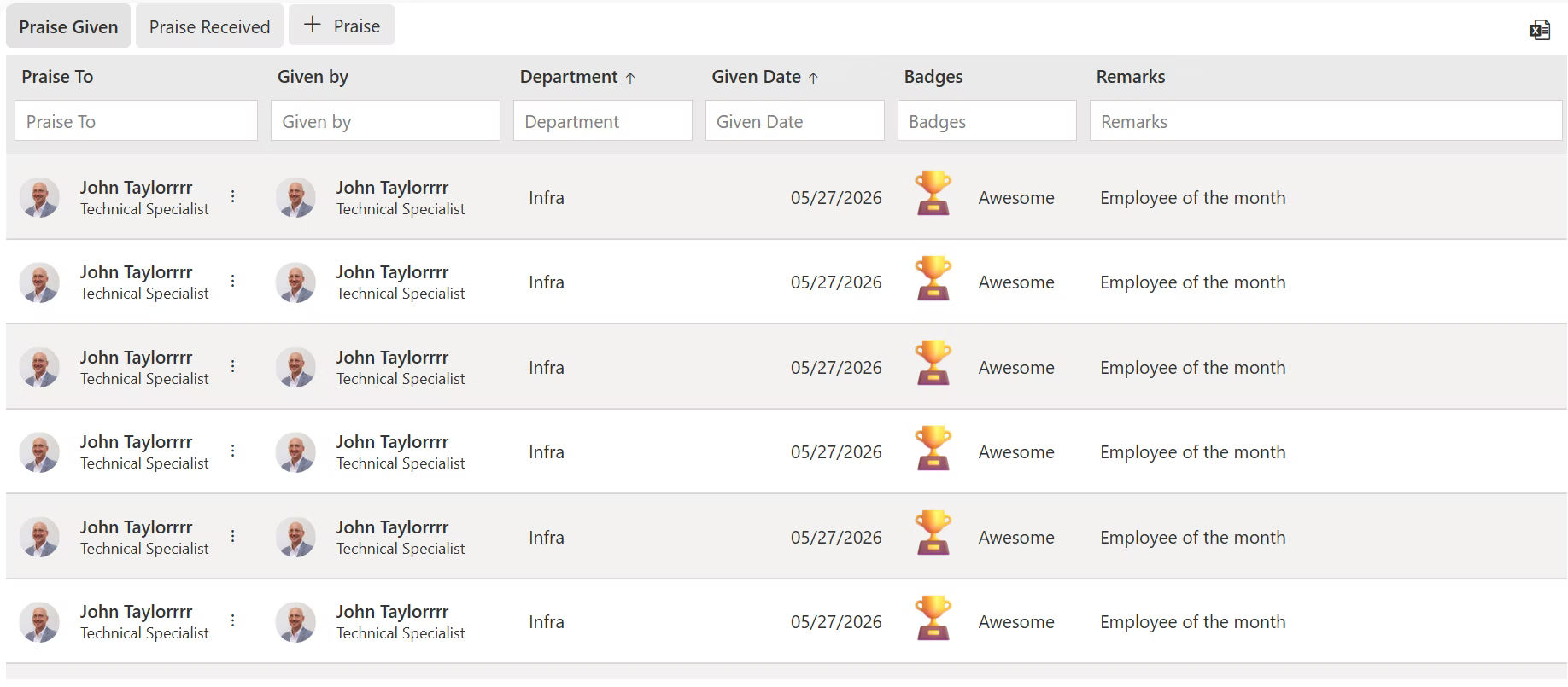
Manager recognition gives leaders a structured way to acknowledge employee achievements, whether it’s completing a project, reaching a goal, or demonstrating company values. Regular recognition from managers helps employees understand that their efforts are noticed and appreciated. It also creates consistency instead of relying on occasional praise.
Rewards & Points
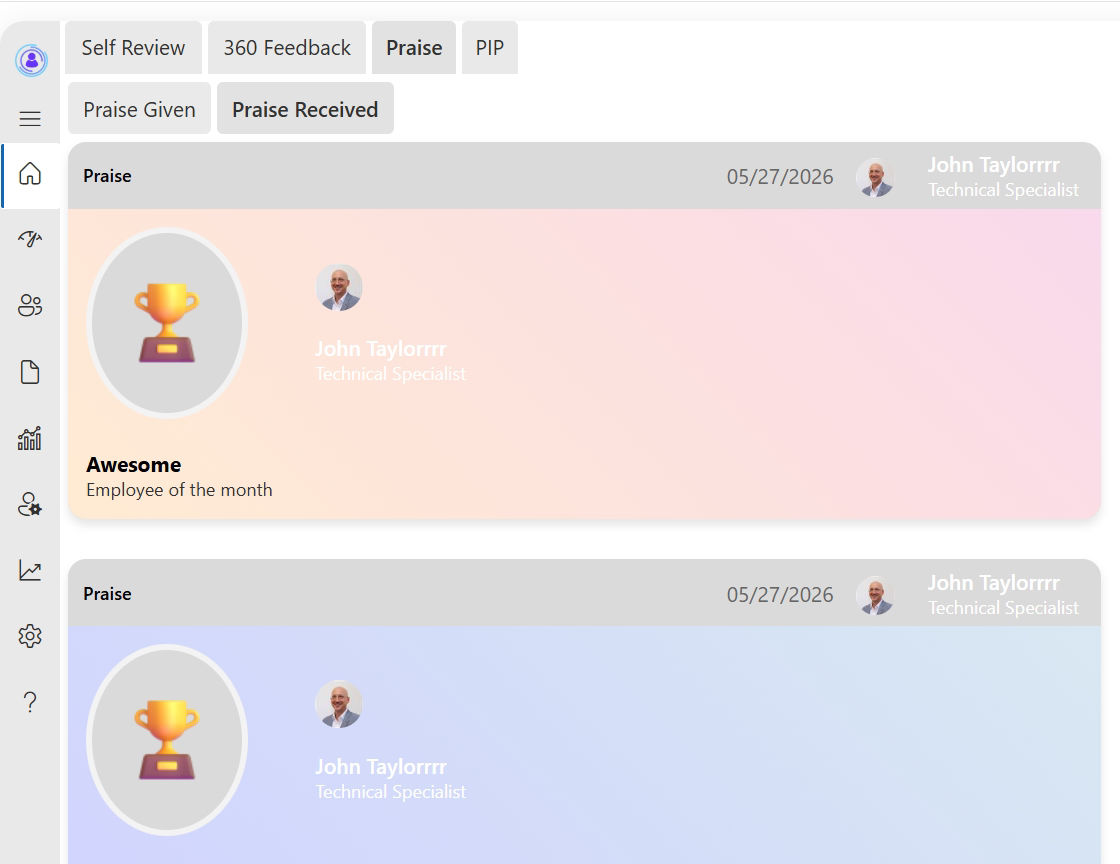
Many recognition platforms allow organizations to pair appreciation with points that employees can redeem for gift cards, merchandise, or other rewards. While recognition itself is valuable, rewards provide an extra incentive and make achievements feel even more meaningful. Companies can customize reward programs based on their culture and budget.
Custom Badges
Custom badges let organizations create recognition categories that reflect their own values, goals, or workplace culture. For example, badges can celebrate innovation, teamwork, customer focus, or leadership. This helps reinforce the behaviors the organization wants employees to repeat.
Social Recognition Feed
A social recognition feed displays appreciation in a shared company space where everyone can celebrate achievements together. Public recognition increases visibility, inspires others, and creates a positive workplace atmosphere. It also ensures good work doesn’t go unnoticed outside an employee’s immediate team.
Milestone Celebrations
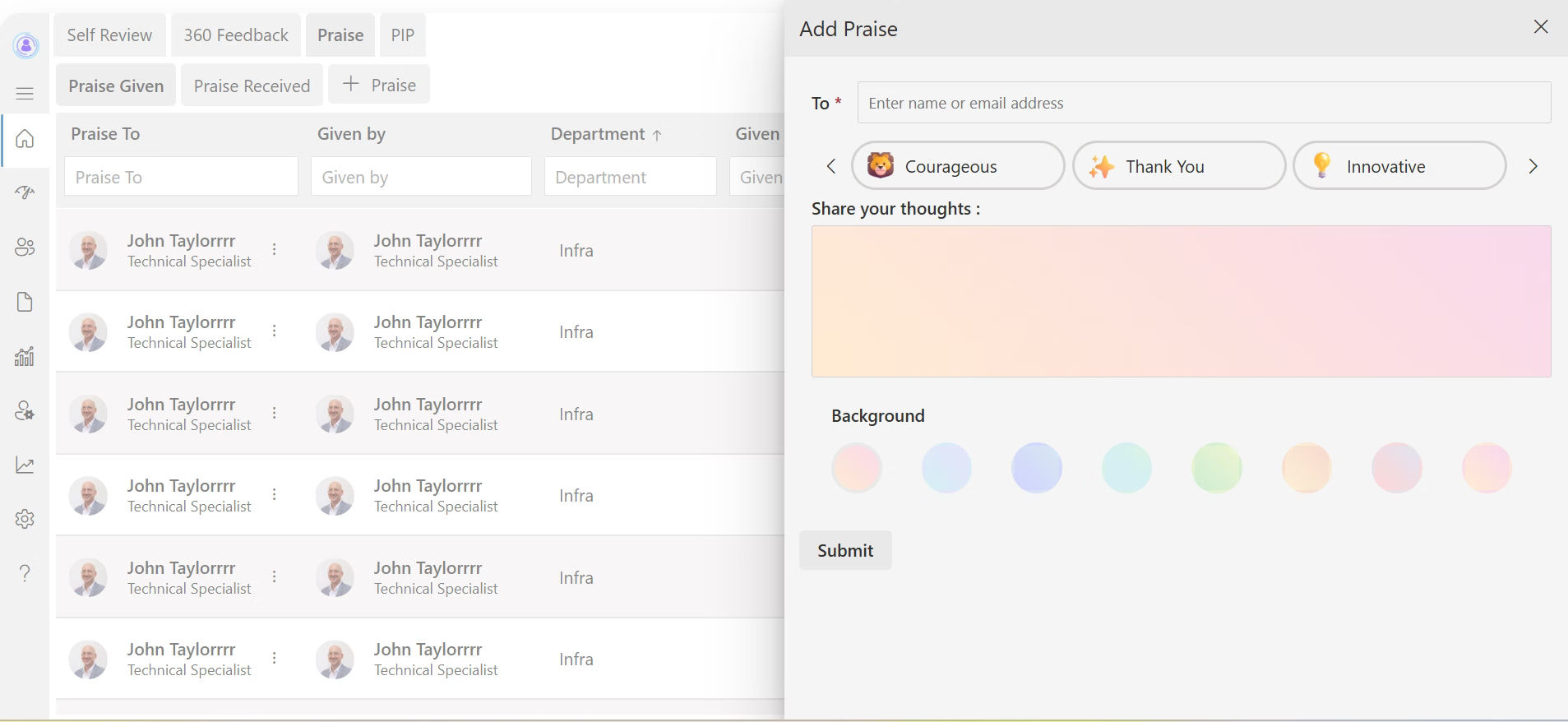
The software can automatically recognize important milestones such as work anniversaries, birthdays, certifications, or years of service. Automating these celebrations reduces the chance of important occasions being overlooked and helps employees feel appreciated throughout their journey with the organization.
Values-Based Recognition
Values-based recognition connects every appreciation message to one or more company values. Instead of simply saying “good job,” employees recognize behaviors that support the organization’s mission and culture. Over time, this reinforces the habits and attitudes leadership wants to encourage.
Approval Workflows
Approval workflows allow managers or HR teams to review certain recognition posts or rewards before they become visible across the organization. This feature is especially useful for larger companies that need governance while still encouraging frequent recognition. It helps maintain consistency and fairness.
Analytics Dashboard
An analytics dashboard provides insights into how recognition is being used across the organization. HR leaders can track participation rates, identify departments that receive less recognition, and monitor overall engagement trends. These insights help organizations improve their recognition programs using real data rather than assumptions.
Microsoft Teams Integration
Many organizations prefer recognition software that integrates directly with Microsoft Teams. Employees can send and receive recognition without leaving the platform they already use for daily communication, making appreciation a natural part of everyday work instead of an extra task.
Mobile Access
Mobile access allows employees to recognize colleagues anytime and from anywhere using their smartphones. This is particularly valuable for frontline workers, remote employees, sales teams, and field staff who may not always have access to a desktop computer. Easy access encourages more frequent recognition.
Rewards Catalog
A rewards catalog gives employees a variety of redemption options, including gift cards, merchandise, charitable donations, or company-specific benefits. Offering multiple choices allows organizations to cater to different employee preferences and makes reward programs more engaging.
Reporting
Comprehensive reporting helps HR teams measure recognition activity over time and evaluate program effectiveness. Reports can show participation levels, recognition frequency, reward usage, and department-level trends. This data supports better decision-making and continuous improvement.
Role-Based Permissions
Role-based permissions control what different users can access within the platform. Organizations can define who can send recognition, approve rewards, manage budgets, or view reports. As companies grow, this feature helps maintain security, compliance, and clear administrative control.
Signs Your Organization Needs Employee Recognition Software
- Employees rarely receive praise, even for solid work
- Recognition depends entirely on one manager remembering to give it
- Remote employees feel disconnected or invisible compared to in-office staff
- Turnover is higher than it should be
- Engagement survey scores keep coming back low
- Managers forget birthdays or work anniversaries
- There’s no way to measure whether recognition is happening at all
If even two or three of these sound familiar, it’s worth looking into a dedicated tool rather than continuing to rely on memory and good intentions.
How to Choose Employee Praise and Recognition Software
Before picking a platform, it helps to ask a few honest questions:
- Does it fit the size of your company, or is it built for a much bigger or smaller team?
- Is it actually easy for employees to use, not just HR?
- Does it integrate with Microsoft Teams or whatever tool your team already lives in?
- Can rewards and badges be customized to match your company?
- Does it fit your budget, including any per-employee pricing?
- Does it provide analytics that HR can actually use?
- How does it handle data security and employee information?
- How long does setup and rollout typically take?
- What kind of support is available if something goes wrong?
- Will it still work well if your company doubles in size next year?
Answering these honestly before signing up saves a lot of frustration later.
Best Employee Praise and Recognition Software
Choosing the right platform isn’t just about features on a list, it’s about which platform fits how your company actually works. Below is a closer look at the leading options, each covered with the same depth: what it does well, where it tends to fall short, and who it’s best suited for.
Performance 365
Performance 365 combines peer and manager recognition with broader performance management, including goal tracking, continuous feedback, and performance reviews. This allows recognition and performance conversations to exist in a single platform rather than across separate tools. It also integrates with Microsoft Teams, enabling employees to recognize colleagues without leaving the Microsoft 365 environment.
Unlike dedicated employee recognition platforms such as Bonusly, Awardco, or Workhuman, Performance 365 focuses on linking recognition directly to employee performance and development rather than offering a standalone recognition and rewards experience. Organizations looking only for a lightweight peer-recognition tool may prefer a more specialized platform, while businesses that want recognition tied to goals, reviews, and ongoing performance management will find Performance 365 a stronger fit.
Strengths: Recognition connected directly to performance management and goal tracking, native Microsoft Teams integration.
Limitations: Less specialized as a pure recognition tool, smaller rewards catalog compared to reward-focused platforms.
Best for: Companies that want recognition tied directly to performance management and goal tracking, especially Microsoft Teams-based organizations.
Bonusly
Bonusly is one of the most recognized names in this space, built around a simple, points-based peer-to-peer recognition system. Employees give each other small amounts of points along with a public message, and points can be redeemed for rewards like gift cards or charity donations. It’s lightweight, fast to roll out, and easy for employees to pick up without training.
Its main limitation is depth. Bonusly is mainly focused on day-to-day peer praise and doesn’t offer much in the way of performance management, goal tracking, or values-based recognition frameworks. Companies that want recognition connected to broader HR processes will likely need a second tool alongside it.
Strengths: Simple setup, strong peer-to-peer culture, easy points and redemption flow.
Limitations: Limited performance management features, not built for deeper HR reporting needs.
Best for: Companies that want a simple, standalone peer recognition tool without needing it connected to performance reviews.
Motivosity
Motivosity focuses heavily on team-level recognition and gives managers useful insight into team sentiment alongside recognition activity. It includes features like an org chart view, manager dashboards, and tools that highlight which employees might be under-recognized.
Where it tends to fall short is on the rewards side, its catalog and redemption options are generally narrower than competitors like Awardco, and some users find the interface less intuitive for larger, more complex organizations.
Strengths: Strong manager-level visibility, useful team sentiment tracking.
Limitations: Smaller rewards catalog, less suited to very large or complex organizations.
Best for: Mid-sized companies that want manager-level visibility into recognition patterns across teams.
Awardco
Awardco is known for one of the largest rewards catalogs in the recognition software space, including options tied to major retailers like Amazon. For companies that want employees to have a lot of choice in how they redeem points, Awardco is usually a strong pick.
Its recognition and social feed features are comparatively lighter than dedicated recognition-first platforms, and some companies find it leans more toward being a rewards engine than a full culture-building tool.
Strengths: Very large rewards catalog, strong redemption experience.
Limitations: Lighter social recognition and culture-building features compared to recognition-first platforms.
Best for: Companies that prioritize reward variety and want employees to have many redemption options.
Workhuman
Workhuman is built for large enterprises and includes deeper analytics, social recognition features, and integrations suited to global organizations with thousands of employees. It’s one of the more established platforms in the enterprise recognition space.
The tradeoff is cost and complexity. Workhuman tends to come with a higher price point, longer implementation timelines, and more onboarding overhead than lighter tools, which can be more than many small or mid-sized companies need.
Strengths: Deep analytics, proven at enterprise scale, strong global rollout support.
Limitations: Higher cost, longer implementation time, likely overkill for smaller teams.
Best for: Large enterprises with complex reporting and global rollout needs.
Guusto
Guusto keeps things deliberately simple, focusing mainly on sending rewards and gift cards rather than building out a full social recognition feed. It’s a good fit for companies that want a low-effort way to send rewards without a lot of extra features to manage.
Because it’s intentionally minimal, companies looking for a richer recognition experience, badges, a public feed, values alignment, will likely find Guusto too basic on its own.
Strengths: Very easy to set up, low overhead, clean rewards and gift card flow.
Limitations: Minimal social recognition features, not much depth beyond rewards.
Best for: Smaller companies that mainly want an easy rewards and gift card system.
Achievers
Achievers builds its recognition system closely around company values, letting organizations tie every piece of recognition back to specific values they want to reinforce. It also includes solid analytics for tracking participation over time and is well established in the enterprise space.
Like Workhuman, it tends to be priced and positioned for larger organizations, and the setup process for values-based frameworks can take more upfront work than simpler tools.
Strengths: Strong values-based recognition framework, solid analytics, established enterprise track record.
Limitations: More setup effort upfront, pricing generally geared toward larger organizations.
Best for: Companies with a strong, clearly defined set of core values they want recognition to reinforce.
Kudos
Kudos offers an easy-to-use recognition feed along with decent reporting tools, positioned as a straightforward option for companies that don’t need heavy customization. It’s generally quick to deploy and easy for employees to adopt.
Its analytics and customization options are less extensive than enterprise-focused platforms like Workhuman or Achievers, which can be a limitation for larger organizations with more complex reporting needs.
Strengths: Easy adoption, straightforward recognition feed, fast deployment.
Limitations: Less advanced analytics and customization compared to enterprise-tier platforms.
Best for: Companies wanting a simple, easy-to-adopt recognition feed without a long setup process.
Assembly
Assembly combines recognition with light workflow and internal communication tools, making it more of an all-in-one employee engagement hub than a pure recognition platform. This can be appealing for companies that want fewer tools overall.
The tradeoff is that its recognition features are generally less deep than dedicated recognition platforms, since it’s spreading functionality across multiple use cases rather than focusing entirely on recognition.
Strengths: Combines recognition with communication and light workflow tools, reduces tool sprawl.
Limitations: Recognition features are less specialized than dedicated recognition-first platforms.
Best for: Companies that want recognition bundled with broader internal communication tools.
Empuls
Empuls bundles recognition with wider employee engagement features, including surveys and internal communication, aimed at companies that want one platform covering multiple HR functions at once.
As with Assembly, the breadth comes with some tradeoff in recognition-specific depth, and companies focused purely on recognition may find some features more than they need.
Strengths: Broad engagement platform covering recognition, surveys, and communication in one place.
Limitations: Recognition is one of several features rather than the core focus, which can mean less depth there specifically.
Best for: Companies looking for an all-in-one engagement platform rather than a focused recognition tool.
Employee Praise vs Employee Recognition
These two terms get used interchangeably, but they aren’t quite the same thing.
Praise | Recognition |
Verbal | Structured |
Immediate | Documented |
Simple appreciation | Often tied to rewards |
Informal | Measurable |
Praise is the quick, in-the-moment “nice work” comment. Recognition is more formal, it’s recorded, sometimes rewarded, and can be tracked over time. Good recognition software usually supports both: the casual, immediate praise and the more structured recognition that HR can measure.
Common Mistakes Companies Make
Only Recognizing Top Performers
It’s natural to praise the highest achievers, but if recognition only ever goes to the same handful of people, everyone else quietly concludes that effort doesn’t get noticed unless it’s exceptional. Consistent, smaller recognition spread across a team tends to have a bigger overall effect on morale than rare, high-profile praise given to a few star performers. Steady contributors who never make the highlight reel are often the ones most likely to quietly disengage.
Recognizing Employees Once a Year
Saving all recognition for an annual awards event or year-end review turns appreciation into a once-a-year transaction instead of an everyday part of work. By the time the annual event rolls around, employees have usually forgotten the details of what they did months earlier, and the recognition feels disconnected from the actual moment of good work. Recognition loses much of its motivational value the longer it’s delayed.
No Peer Recognition
When recognition only flows from manager to employee, a company misses out on a huge amount of appreciation that naturally happens between coworkers but never gets captured anywhere. Peers often see day-to-day effort that managers simply don’t have visibility into, like someone quietly helping a struggling teammate or covering for a colleague during a busy week. Without a peer recognition option, all of that goes unnoticed and unrecorded.
Recognition Feels Forced
When managers are required to send a certain number of recognitions per month just to hit a quota, employees can usually tell the difference between genuine appreciation and a box being checked. Forced recognition tends to backfire, sometimes making employees more cynical about the program than if there were no recognition system at all.
Rewarding Quantity Instead of Impact
Some recognition programs unintentionally reward whoever sends the most messages or racks up the most points, rather than focusing on the actual value of the work being recognized. This can create a strange dynamic where frequent, low-effort praise outweighs meaningful, high-impact contributions, which undermines the credibility of the whole system.
No Visibility
Recognition sent privately, like a one-on-one email or a private chat message, doesn’t get the same benefit as recognition that’s visible to the wider team. Public recognition has a ripple effect: it reinforces the recognized behavior to everyone watching, not just the person being thanked.
No Tracking
Without any way to measure recognition activity, companies have no real way of knowing whether the program is working, which teams are being left out, or whether recognition is actually improving retention. Problems like uneven recognition across departments often go unnoticed until turnover numbers make the issue impossible to ignore.
Best Practices for employee recognition
Recognize Immediately
The closer recognition happens to the actual good work, the more it sticks. A thank-you given the same day or week carries far more weight than the same message delivered a month later during a review, since the employee can clearly connect the praise to the specific thing they did.
Be Specific
“Good job” is forgettable. “Thanks for staying late to fix that client issue before the deadline” is memorable, because it tells the employee exactly what behavior was valued and worth repeating. Specific recognition also makes it easier for other employees to understand what kind of effort the company actually wants to see more of.
Align with Company Values
When recognition is tied to specific company values, like collaboration, ownership, or customer focus, it does double duty: it thanks the employee and reinforces what the company cares about at the same time. Over time, this can shape behavior across the whole organization far more effectively than values printed on a poster in the break room.
Encourage Peer Recognition
Giving every employee, not just managers, the ability to recognize others spreads appreciation much more evenly across a team. It also tends to surface contributions that managers would never have seen on their own, since peers are often the only ones aware of the small, everyday efforts that keep a team running.
Celebrate Milestones
Work anniversaries, project completions, and personal milestones are easy to forget without a system tracking them, but they matter to employees more than companies often realize. A platform that automatically flags these dates removes the risk of an important moment slipping through the cracks.
Use Public Recognition
Recognizing someone in front of their team, whether on a shared feed or in a team meeting, multiplies the impact. It doesn’t just make the recognized employee feel good, it shows the rest of the team what kind of work and behavior gets noticed.
Track Participation
It’s easy to assume a recognition program is working just because it exists. Tracking who’s actually using it, and who isn’t, helps catch problems early, like a manager who never sends recognition or a team that’s consistently overlooked.
Review Recognition Analytics Regularly
Recognition data is only useful if someone actually looks at it. Reviewing analytics on a regular basis, monthly or quarterly, helps HR catch uneven recognition patterns, spot disengaged teams before they show up in turnover numbers, and make adjustments to the program before small issues become bigger ones.
Conclusion
Employee praise and recognition are most effective when they become part of everyday work, not just annual celebrations. The right recognition software helps managers and peers appreciate contributions consistently, improving engagement, motivation, and workplace culture.
When choosing a platform, look beyond features. Consider how well it fits your existing workflows, integrates with tools like Microsoft Teams, and supports your long-term performance strategy. If you want recognition to work alongside goals, feedback, and performance reviews, Performance 365 is a strong option to consider.
Join Our Creative Community
Frequently Asked Questions
What is employee praise and recognition software?
It’s a digital tool that lets managers and coworkers recognize good work in a structured, visible way, often including badges, points, and rewards.
Why is employee recognition important?
It improves morale, engagement, and retention by making employees feel that their work is noticed and valued.
What features should employee recognition software have?
Look for peer-to-peer recognition, manager recognition, rewards, analytics, and integration with tools like Microsoft Teams.
Can employee recognition software improve employee engagement?
Yes. Employees who feel appreciated tend to be more engaged and motivated in their day-to-day work.
What's the difference between praise and recognition?
Praise is usually quick and verbal, while recognition is more formal, documented, and sometimes tied to rewards.
Is employee recognition software suitable for small businesses?
Yes, many platforms, including Performance 365, scale to fit smaller teams as well as larger organizations.
How often should employees be recognized?
As often as it’s genuinely earned. Regular, specific recognition works better than occasional, generic praise.
Does employee recognition software integrate with Microsoft Teams?
Many platforms do, including Performance 365, which lets recognition happen directly inside Teams rather than a separate app.
How do recognition rewards work?
Employees usually earn points through recognition, which can later be redeemed for gift cards, merchandise, or other perks through a rewards catalog.
What is the best employee praise and recognition software?
It depends on your needs. If you want recognition connected to broader performance management, Performance 365 is worth considering. If you want a standalone recognition tool, options like Bonusly or Kudos may fit better.


_JiluXJRGNl.svg)























