
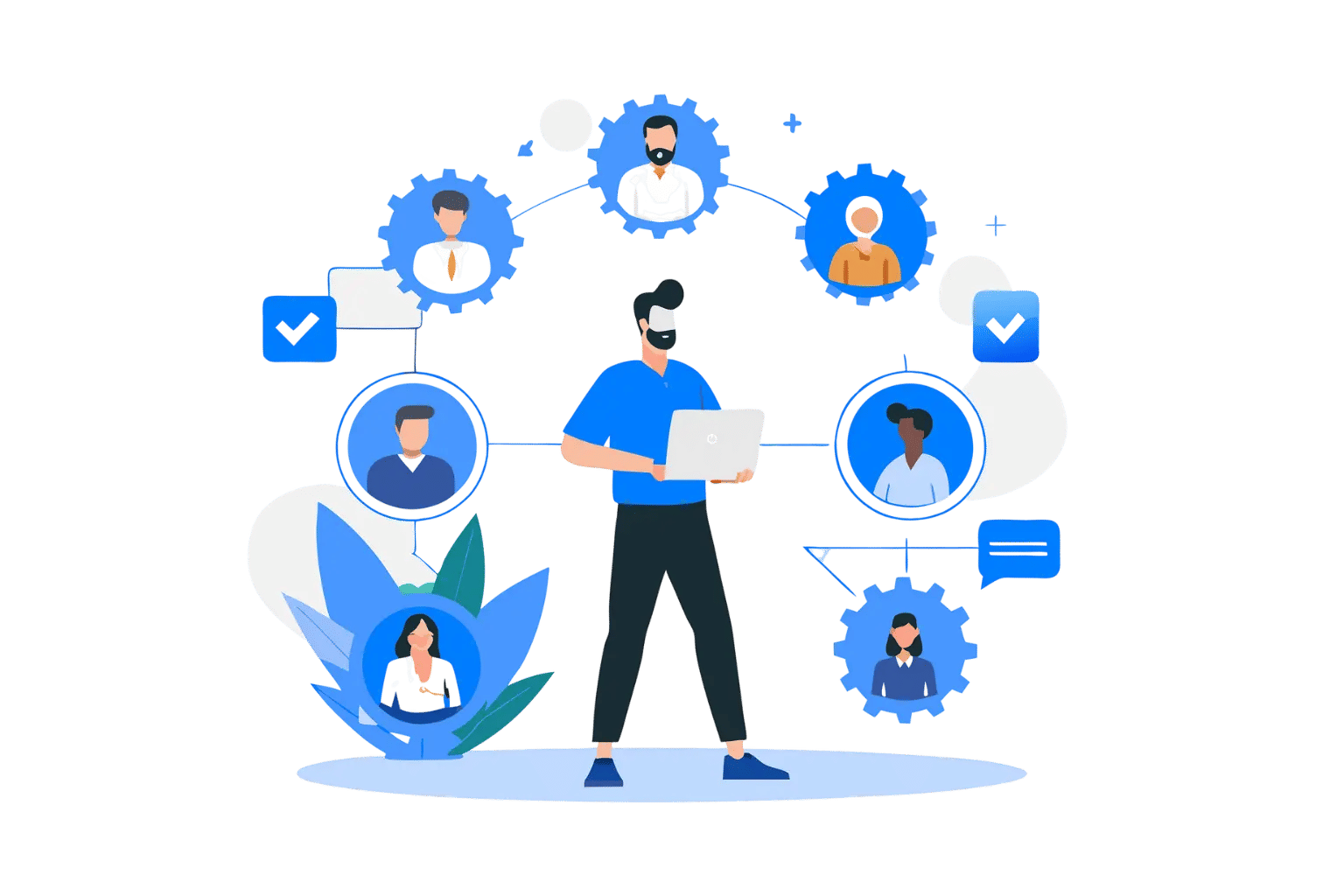

As organizations grow, managing employee information, attendance, leave requests, onboarding, and performance through spreadsheets becomes increasingly difficult. Manual processes often lead to errors, duplicated work, and limited visibility into HR operations. A Human Resource Management System (HRMS) solves these challenges by bringing all key HR activities into one centralized platform, helping organizations improve accuracy, save time, and manage people more effectively. With remote and hybrid work becoming the norm, an HRMS has become an essential tool for modern HR management.
A HRMS (Human Resource Management System) is a digital platform that helps organizations manage key HR activities such as recruitment, onboarding, attendance, leave management, and performance tracking from a single system. By reducing manual administrative work and automating routine tasks, it improves accuracy, saves time, and helps HR teams operate more efficiently.
In 2026, an HRMS has become an important part of modern business operations. It supports hybrid and remote teams, provides better visibility into people-related data, and helps organizations make informed decisions. A well-designed HRMS also creates a more consistent experience for team members while supporting business growth and long-term HR management.
What Does HRMS Mean?
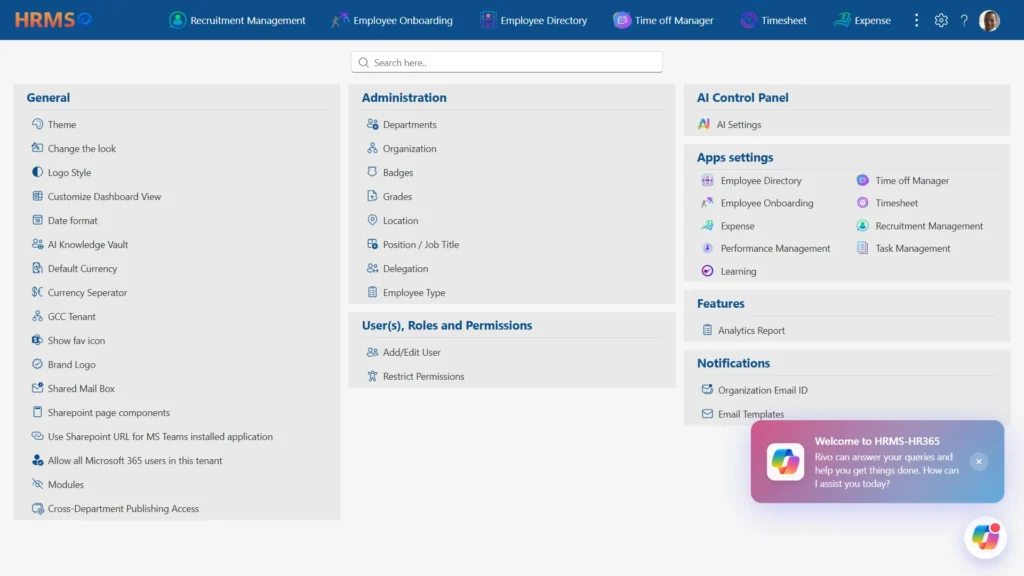
HRMS stands for Human Resource Management System. It is a digital platform that helps organizations manage their core HR functions using one unified system. Think of it as your HR command Centre where all your people processes are organized, accessible, and automated.
With an Human Resource Management, you can handle everything from employee records and attendance to, benefits, time off, and performance reviews. Instead of using scattered tools, emails, or paper files, HR teams get a single dashboard to manage it all in one place. This helps reduce confusion, save time, and keep sensitive employee data safe and organized.
The best part? It works across departments. Managers can track team performance. Finance can access data. Employees can view their personal details or request leave all without sending multiple emails or waiting in long approval chains.
In 2026, when speed and accuracy are essential in business, an Human Resource makes your entire HR process smarter, faster, and people focused.
Why HRMS Matters in 2026
Human resource management has evolved far beyond maintaining records and handling administrative tasks. As organizations grow and adopt hybrid work models, HR teams are responsible for managing recruitment, onboarding, attendance, performance, learning, and employee information while supporting business goals. Handling these processes manually can be time-consuming and difficult to scale.
A Human Resource Management System brings all essential HR functions into a single platform. It helps organizations manage employee records, track attendance and leave, support recruitment and onboarding, monitor performance, and simplify everyday HR operations. By reducing manual work and centralizing information, an HRMS improves accuracy, saves time, and provides better visibility into HR activities.
Employees benefit from easier access to important information and self-service tools, while HR teams gain access to real-time data and reporting for informed decision-making. As businesses continue to embrace digital transformation, a Human Resource Management System has become an important tool for managing people, improving efficiency, and supporting organizational growth.
Also Read:- HRMS Software Guide: Everything You Need to Know
Who Needs an HRMS?
An Human Resource is not just for large corporations. Startups, small businesses, and mid-sized companies can benefit the most because they often lack the time or people to manage HR manually. When every team member wears multiple hats, a good system can take care of the small yet critical HR tasks so your people can focus on growth.
Whether you are hiring your fifth employee or managing teams in different locations, having one system to track everything makes life easier. Founders and HR leaders can quickly see who is performing well, who needs help, and what tasks are pending. As your business grows, so does the complexity of managing people. An HRMS brings the structure, speed, and clarity your team needs to grow confidently.
HRMS is helpful for: –
- Startups that want to grow without increasing administrative HR work
- Small and medium-sized businesses looking to manage HR activities from one platform
- Growing organizations with teams working across multiple locations
- HR departments aiming to reduce paperwork and access real-time information
- Business leaders and founders who need better visibility into people-related data
- Companies managing remote or hybrid teams
- Organizations handling frequent hiring and onboarding activities
- Businesses that want a centralized employee database
- Teams looking to improve attendance, leave, and performance management
- Organizations seeking better reporting and insights for HR decision-making
- Companies focused on creating a consistent employee experience across departments
No matter your size, if your team is growing, you need structure. An HRMS brings that structure and clarity.
Key Features of an HRMS
Although HRMS solutions differ based on company size and requirements, most offer a core set of capabilities designed to simplify people management. These features help centralize information, automate routine processes, and provide greater insight into day-to-day HR activities. As a result, businesses can reduce manual tasks, maintain more reliable records, and make better decisions with access to accurate, up-to-date information.
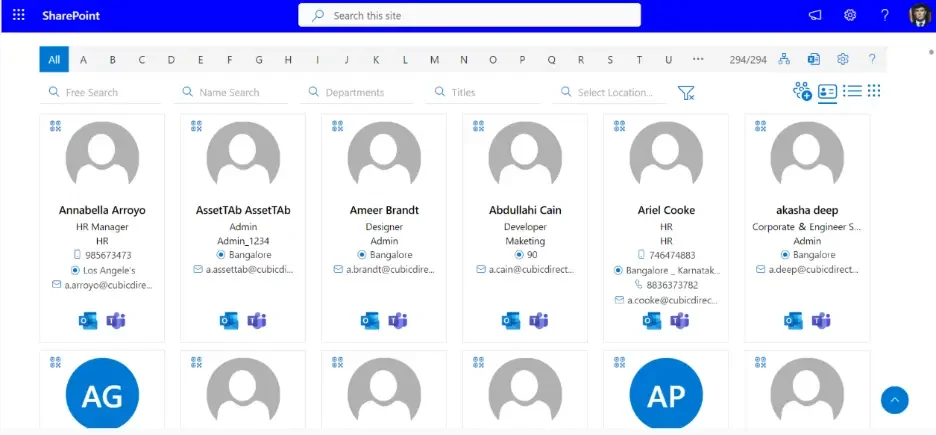
1.Employee Database
The heart of every Human Resource is a centralized employee database. It stores all essential details such as employee name, contact info, job title, department, joining date, documents, salary history, and more. With everything stored in one place, HR professionals no longer need to dig through spreadsheets or paper files. This helps reduce errors and keeps employee records secure and up to date.
2. Time and Attendance Management
An HR mangement tool lets you track when employees clock in and out, manage attendance, handle leaves and holidays, and organize shift schedules. This is especially helpful for companies with large teams or remote employees. Accurate time tracking supports better payroll, reduces absenteeism, and gives clear visibility into workforce productivity.
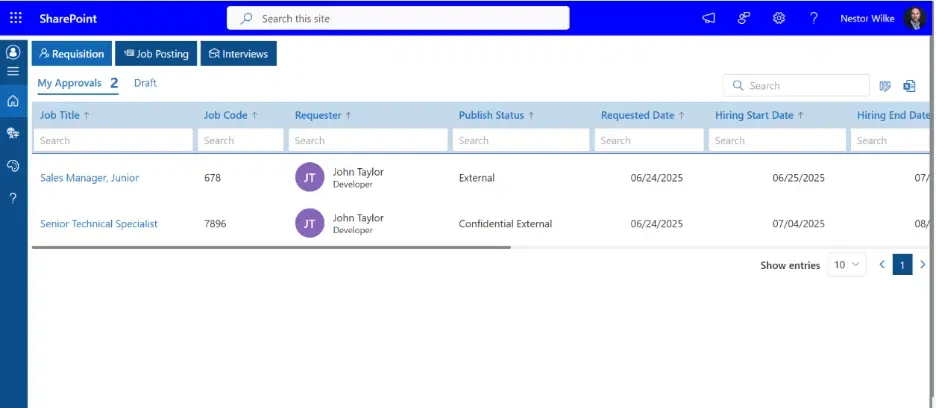
3.Recruitment
From creating job openings to tracking candidates, an HR platforms simplifies the hiring process. You can post jobs, receive applications, schedule interviews, and monitor the status of each applicant all from one dashboard. This ensures faster, more efficient hiring and helps you find the right talent at the right time.
4. Onboarding
First impressions matter. An Human Resource Management makes onboarding smoother by offering digital joining forms, automated welcome emails, task checklists, and document submission tools. New hires feel more confident and prepared from day one, while HR saves time and ensures nothing is missed.
5. Performance Tracking
Employees need clear goals and feedback to grow. An Human Resource helps managers set targets, conduct reviews, collect peer feedback, and track performance over time. This feature supports fair appraisals, encourages open communication, and helps identify top talent.
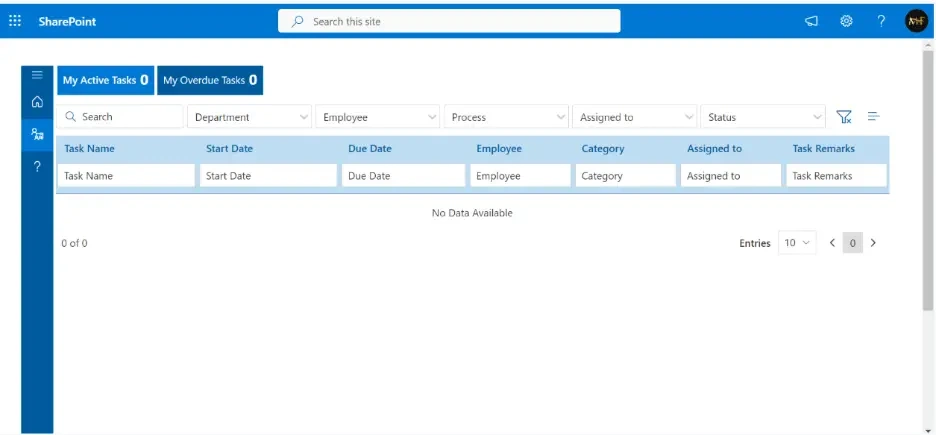
6. Employee Self-Service Portal
Modern HR platforms give employees control over their own data. Through self-service portals, team members can update personal details, request leave, check their attendance, or download payslips without needing HR support. This boosts transparency and reduces the number of back-and-forth emails.
7. Analytics and Reporting
A good Human Resource Management System turns data into insights. With built-in dashboards and custom reports, HR leaders can track trends, measure team performance, view turnover rates, and monitor hiring metrics. These insights help make informed decisions and plan better for the future.
8. AI-Assisted HR Management
Modern HRMS platforms give employees more control through self-service tools. They can update personal information, request leave, access documents, and track performance without depending on HR for routine tasks. AI-powered features can also answer common HR questions and help employees find information quickly, reducing administrative workload and improving the overall employee experience.
Benefits of Using an HRMS
A Human Resource Management System is no longer just a luxury for large corporations it is now essential for growing teams that want to stay efficient, organized, and compliant. Below are the key benefits, explained in more depth:
Saves Time by Automating Repetitive Tasks
Manual HR work like tracking attendance or managing leave can eat up hours each week. An Human Resource automates these routine tasks, allowing HR professionals to focus on more meaningful work like employee engagement and strategic planning. It simplifies daily operations and significantly reduces administrative overload.
Centralizes Employee Information for Easy Access
Instead of managing employee data across spreadsheets, files, or different platforms, an HRMS keeps everything in one centralized system. From personal details and job roles to performance history and compliance documents, all information is available with just a few clicks. This ensures better coordination across teams and faster decision-making.
Minimizes Human Errors in and Records
Manual data entry often leads to errors, especially when dealing with complex calculations or large volumes of data. An Human Resource reduces these risks by using predefined rules and automation to manage, taxes, leave balances, and other sensitive information. This helps build trust with employees and reduces costly mistakes.
Enhances Employee Self-Service with AI Support
Modern HRMS platforms give team members greater control over their day-to-day HR activities through self-service tools. They can update personal information, submit leave requests, view important documents, track performance goals, and access HR resources without relying on manual support from the HR team. AI-powered features can further improve the experience by providing quick answers to common HR questions, guiding users through processes, and helping them find information faster.
Supports Remote and Hybrid Teams
With remote and hybrid work becoming the norm, cloud-based HR platforms provide flexibility and access from anywhere. HR teams, managers, and employees can log in from home, office, or on the go, always ensuring seamless collaboration and up-to-date records.
Delivers Data-Driven Insights for Better Decisions
Human Resource platforms come with analytics dashboards that provide insights into workforce trends, absenteeism, turnover, and productivity. These reports help leaders identify problems early, track progress, and make informed decisions backed by real-time data rather than guesswork.
Creates a Professional Experience for New Hires
A smooth onboarding experience sets the tone for new employees. An HRMS helps create that first impression by offering digital forms, welcome kits, checklists, and introductions all in a structured, organized manner. It signals that the company is modern, efficient, and people focused.
Boosts Employee Engagement and Retention
An Human Resource promotes fairness and transparency through standardized performance reviews, clear goal setting, and timely feedback. When employees see that systems are in place to recognize their efforts and support their growth, they feel more valued and are more likely to stay long-term.
Scales as Your Organization Grows
Whether you have ten employees or a thousand, an HRMS grows with you. It adapts to increasing data, expanding teams, and evolving business needs without requiring massive additional resources. This makes it a smart investment for startups and mid-size companies planning for future growth.
When Should You Get an HRMS?
Most organizations start small with just a few employees and simple processes. But as the team grows, so does the paperwork, approvals, and complexity. If your HR team is stretched thin or using outdated methods, it may be time to make a change.
A good HR platform can save hours of manual work and bring consistency to your HR processes. It allows your team to focus on people not just paperwork.
Here are signs you are ready for an HRMS:
- You are managing employee info in multiple spreadsheets
- It takes too long, or errors keep happening
- Leave requests and approvals are hard to track
- You onboard new hires manually with no standard process
- Your HR team spends too much time on admin tasks
If you nodded to two or more of these, it is the right moment to explore HRMS. It is not just a tool it is a smarter way to support your growing team and lead with confidence
Best Practices for HRMS in 2026
A Human Resource Management System delivers the best results when supported by clear processes and consistent usage across the organization. These best practices can help businesses improve efficiency, reduce administrative work, and create a better experience for teams.
1. Build a Structured Recruitment Process
Create a clear hiring workflow that covers every stage, from job posting and candidate screening to interviews and final selection. Keep candidate information organized and use automated notifications to keep applicants and hiring managers informed throughout the process.
2. Create a Consistent Onboarding Experience
Use your HRMS to manage onboarding activities such as document collection, introductions, training schedules, and task assignments. Checklists and automated reminders help ensure every new hire receives the same experience and becomes productive more quickly.
3. Automate Repetitive HR Tasks
Reduce manual work by automating routine activities such as attendance tracking, leave requests, approval workflows, document management, reminders, and employee notifications. Automation improves accuracy, saves time, and helps HR teams focus on higher-value activities.
4. Keep Employee Information Accurate and Updated
Maintain a centralized employee database and encourage regular profile updates. Accurate records improve communication, reporting, and decision-making while ensuring important information is always accessible when needed.
5. Use AI and Analytics for Better Decisions
Take advantage of AI-powered insights and reporting tools to monitor hiring trends, attendance patterns, performance metrics, and employee engagement. Data-driven insights help leaders make informed decisions and identify opportunities for improvement.
6. Set Clear Goals and Encourage Continuous Feedback
Move beyond annual reviews by scheduling regular check-ins and feedback discussions. Track goals, progress, and development plans within the HRMS to support growth, accountability, and engagement.
7. Support Learning and Development
Use your HRMS to assign training programs, monitor learning progress, and track skill development. Continuous learning helps teams adapt to changing business needs and supports long-term growth.
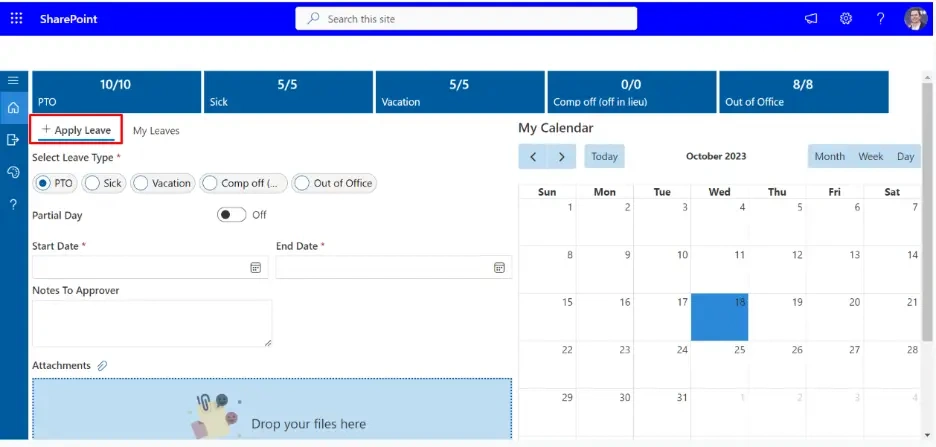
8. Manage Leave and Attendance Transparently
Provide clear visibility into leave balances, attendance records, and team availability. Digital workflows make requests and approvals easier to manage while giving managers better oversight of schedules and resources.
9. Monitor Key HR Metrics Regularly
Review important metrics such as recruitment performance, onboarding completion, attendance trends, training participation, and performance outcomes. Regular monitoring helps identify gaps and improve HR processes over time.
10. Use One Platform for All HR Activities
Managing recruitment, onboarding, employee records, attendance, leave, performance, learning, and reporting from a single platform reduces data silos and creates a more connected HR experience across the organization.
How to Choose the Right HRMS
Selecting the right Human Resource Management System is a critical decision that can impact your entire organization. With dozens of solutions available in the market, choosing the one that fits your team’s unique needs can be overwhelming. Here is a breakdown of what you should consider before deciding:
- Understand Your Needs
Start by identifying what challenges you want the HRMS to solve. Are you primarily struggling with recruitment and onboarding? Or is accuracy your biggest concern? Maybe your team needs better performance tracking and goal management. Make a list of your current HR bottlenecks and prioritize the features that would bring the most value. This clarity helps you focus on tools that are aligned with your business goals. - Check for Ease of Use
A powerful HRMS is only valuable if your HR team and employees can use it easily. Look for a system with an intuitive interface, simple navigation, and minimal learning curve. A complicated platform will frustrate users, reduce adoption, and eventually go unused. During the demo or trial, observe how easily you can complete common tasks like submitting a leave request or generating a payslip. - Look for Integrations
Your HRMS should not exist in isolation. It needs to connect with the tools your organization already uses like Microsoft 365, time-tracking systems, or accounting tools. Integration helps you avoid data silos, reduces duplicate entries, and ensures a seamless workflow across departments. Check for API access or ready-made integrations that can save you both time and technical effort. - Compare Features That Matter to You
Different HRMS platforms offer different strengths. Some excel in recruitment automation, while others are known for their accuracy or advanced analytics. Do not get distracted by fancy features you might never use. Instead, compare platforms based on the core features that match your needs like employee self-service, compliance tracking, document management, or mobile accessibility. - Request a Trial or Demo
Never finalize a purchase without testing the Human Resource in your own environment. Request a free trial or schedule a demo to see how the system performs with real use cases. Involve both HR staff and a few employees in testing the core modules. Pay attention to response times, ease of configuration, and how well the platform adapts to your workflow. - Ask About Customer Support and Onboarding Help
Even the best system can feel overwhelming during the setup phase. That is why vendor support matters. Look for providers that offer live chat, dedicated onboarding assistance, knowledge bases, and training materials. A responsive support team can make the difference between a smooth transition and weeks of confusion. Check online reviews or speak to existing customers to learn about the provider’s support reputation.
Conclusion
A Human Resource Management System is no longer a nice-to-have solution for growing businesses. It has become an essential part of managing people, improving productivity, and creating a more organized workplace. By bringing recruitment, onboarding, employee records, attendance, performance management, learning, and other HR activities into one platform, an HRMS helps organizations reduce administrative work and make better use of their time and resources.
As businesses continue to grow and adapt to changing workplace expectations, having the right HR technology becomes increasingly important. Choosing an HRMS that fits your organization’s needs can help build more efficient processes, improve the employee experience, and provide the insights needed to make informed decisions. Investing in the right HRMS today creates a stronger foundation for sustainable growth and long-term success.
Ready to explore HRMS? Try a 14-day free trial or book a demo to see how it works for your team.
Join Our Creative Community
Frequently Asked Questions
What does HRMS stand for?
HRMS stands for Human Resource Management System. It is a digital platform that helps organizations manage core HR functions like employee records, time and attendance, payroll, performance tracking, and more all in one place.
Is HRMS only for big companies?
Not at all. HRMS platforms are now widely used by startups, small businesses, and mid-sized companies. Even teams with fewer than 20 employees benefit from HRMS features like self-service portals, digital onboarding, and leave management.
What is the main purpose of an Human Resource Management System?
The core purpose of an Human Resource Management System is to streamline and automate repetitive HR tasks so that HR professionals can focus on improving employee experience, compliance, and workforce planning instead of managing spreadsheets.
Can HRMS handle remote teams?
Cloud-based HRMS platforms are designed to support distributed teams. From online onboarding and digital documentation to real-time performance reviews and remote attendance tracking, HRMS tools make managing virtual teams easier and more organized.
How do I know which Human Resource Management System is best for my business?
Begin by identifying your biggest HR challenges such as errors, manual leave tracking, or lack of insights. Then:
- Compare core features like attendance, recruitment, and employee self-service.
- Test usability with a free trial.
- Check for integration with your existing tools like Microsoft 365.
- Evaluate customer support and training resources.
The best HRMS is one that fits your needs today and scales with your growth.


_JiluXJRGNl.svg)























