


Finding the right HR software involves more than comparing feature lists. Every organization has different priorities, whether it’s improving onboarding, managing attendance, tracking performance, supporting recruitment, or gaining better visibility into HR operations. Before exploring the top Justworks alternatives, here are some key points to keep in mind as you evaluate your options.
In this guide, we’ll explore the best Justworks alternatives and competitors for 2026, comparing their strengths, key features, and what makes them a suitable choice for different business needs.
- Justworks is a popular HR platform, but some businesses look for alternatives due to feature requirements, scalability, customization, or pricing considerations.
- The best Justworks alternative depends on your company size, HR processes, growth plans, and budget.
- Modern HR platforms offer capabilities such as onboarding, attendance tracking, performance management, recruitment, learning, and expense management from a single system.
- Businesses should evaluate both current requirements and future growth before selecting an HR software platform.
What Is Justworks?
Justworks is a human resources and business management platform that helps organizations handle core HR tasks through a single system. The platform offers tools for employee onboarding, time tracking, benefits administration, payroll management, compliance support, and employee self-service. It is commonly used by small and mid-sized businesses looking to manage day-to-day HR operations more efficiently.
As businesses grow, their HR requirements often become more complex. Some organizations look for Justworks alternatives that offer greater flexibility, broader HR capabilities, advanced reporting, stronger performance management tools, or pricing structures that better fit their needs. Evaluating different options can help businesses find a solution that aligns with their goals, team size, and long-term growth plans.
Why Should You Look for a Justworks Alternative?
Justworks is a well-known HR platform that combines HR administration, payroll, benefits, and employee management tools. While it works well for many organizations, it may not be the right fit for every business. As companies grow and their requirements evolve, they often evaluate alternative solutions that better align with their operational needs, budget, and long-term goals.
Here are some common reasons businesses explore Justworks alternatives:
- Limited HR Functionality Beyond Core Administration- Some organizations require a broader set of HR capabilities, including performance management, learning and training, recruitment, task management, and expense tracking. Businesses often look for platforms that provide these functions within a single system.
- Need for Greater Customization- Every organization has unique HR processes. Companies may seek alternatives that offer more flexibility in workflows, approval processes, reporting, and system configuration.
- Scalability Requirements- As teams expand, HR requirements become more complex. Businesses may need a solution that can support multiple departments, locations, and growing HR operations without requiring additional tools.
- Preference for Different Pricing Models- Cost is often a major consideration when selecting HR software. Some businesses compare alternatives to find a solution that delivers the features they need at a price point that better fits their budget.
- Improved Reporting and Insights- Organizations increasingly rely on HR data to make informed decisions. Advanced reporting, dashboards, and analytics capabilities are common reasons businesses evaluate other platforms.
- Better Employee Experience- Companies often look for solutions that provide a more intuitive experience for managers, HR teams, and employees through self-service features, simplified processes, and easier access to information.
- Access to Additional HR Tools- Many businesses prefer an HR platform that combines onboarding, attendance tracking, leave management, performance reviews, recruitment, learning programs, and expense management in one centralized solution.
Choosing the right HR software depends on your organization’s priorities, growth plans, and day-to-day HR requirements. Comparing Justworks with other leading platforms can help identify a solution that better supports your business objectives.
Comparison Table: Justworks vs Top Alternatives
| Platform | Best For | Pricing | Free Trial | G2 Rating |
| HR365 HRMS | Businesses needing centralized HR management, automation, and workforce operations | Flexible subscription-based pricing depending on modules and users | Yes (14-day trial) | 4.8/5 |
| Justworks | Small to mid-sized businesses needing simple HR + PEO support | Starts around $8 per employee/month + base fee | Yes | 4.6/5 |
| Rippling | Growing companies needing all-in-one HR, IT, and finance automation | Starts around $8–$29 per employee/month (varies by modules) | Yes | 4.8/5 |
| BambooHR | Small and mid-sized businesses focused on core HR management | $12–$22 per employee/month approx. | Yes | 4.4/5 |
| LanteriaHR | Organizations using Microsoft ecosystem for HR operations | Custom pricing (quote-based) | Yes | 4.7/5 |
| Gusto | Startups and small businesses needing simple HR + payroll | Starts at $49/month + per employee pricing | Yes | 4.6/5 |
| Deel | Distributed teams needing global hiring and contractor management | Custom pricing (quote-based) | Yes | 4.8/5 |
| UKG | Mid to large enterprises needing workforce management and scheduling | Custom pricing (quote-based) | Yes | 4.4/5 |
Ready to simplify day-to-day HR operations?
HR365 HRMS helps organizations manage people, automate routine HR tasks, and keep important HR information in one place. Explore what it can do for your team.
7 Top Justworks Alternatives to Consider
Explore the top Justworks alternatives to find an HR solution that best fits your organization’s needs and budget.
1. HR365 HRMS
HR365 HRMS is a comprehensive human resource management platform designed to help organizations manage their day-to-day HR operations from a centralized system. Businesses can reduce administrative effort, improve visibility into HR activities, and maintain accurate records across departments. With a broad range of HR capabilities, HR365 HRMS is a strong alternative for organizations looking for more than basic HR administration software.
Key Features
- Employee Directory: Maintain employee profiles, contact information, job details, reporting structures, and important records in a centralized database that is easy to access and update.
- Employee Onboarding: Create a structured onboarding experience by managing documents, assigning tasks, and tracking progress for new hires from their first day.
- Attendance & Timesheets: Record attendance, monitor working hours, and track timesheet entries to improve visibility into daily activities and time management.
- Leave Management: leave requests, approvals, leave balances, and holiday schedules through a single system, reducing manual tracking.
- Performance Management: Support goal setting, performance reviews, feedback processes, and employee development initiatives with dedicated performance management tools.
- Recruitment & Hiring: Manage hiring activities from job postings and candidate applications to interview scheduling and recruitment tracking.
- Learning & Training: Organize training programs, certifications, learning resources, and development activities to support continuous skill improvement.
- Expense Management: Simplify expense submissions, approval workflows, receipt management, and reimbursement tracking for better financial visibility.
- Task Management: Assign responsibilities, monitor task progress, and improve collaboration across teams through structured task tracking.
- HR Dashboard & Reports: Access real-time HR insights, workforce data, attendance trends, hiring metrics, and other operational reports from a centralized dashboard.
Pros
- Comprehensive HR functionality within a single platform
- Centralized employee information and records management
- Supports onboarding, recruitment, performance, and learning processes
- Built-in attendance, leave, task, and expense management tools
- Real-time dashboards and reporting capabilities
Cons
- Organizations with highly specialized requirements may need additional customization
- Initial setup may vary depending on business size and processes
- Feature availability may differ based on subscription plans
2. Rippling
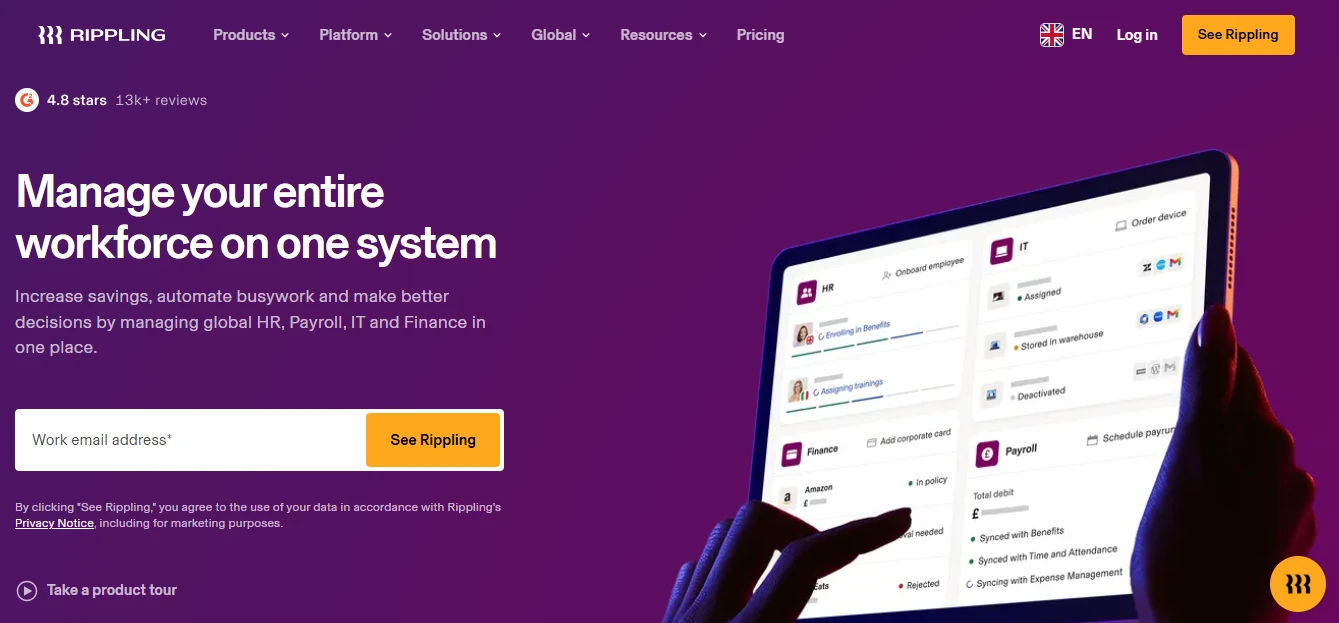
Rippling is a workforce management platform that combines HR, IT, and finance functions in a single system. Businesses use Rippling to manage employee data, onboarding, time tracking, performance management, device management, and other operational processes from one platform. It is commonly used by growing businesses that want to connect multiple business systems and automate administrative tasks.
Key Features
- Employee Management: Rippling stores employee information in a centralized database, allowing HR teams to manage personal details, job information, department assignments, and organizational records from one location.
- Employee Onboarding: The platform helps organizations manage onboarding activities by assigning tasks, collecting required information, and preparing new hires for their roles before their start date.
- Time and Attendance Tracking: Rippling enables businesses to record working hours, monitor attendance patterns, and maintain accurate time records for teams across different locations.
- Leave Management: Employees can submit leave requests through the system, while managers can review balances, approve requests, and track absences across departments.
- Performance Management: Managers can conduct performance reviews, gather feedback, set objectives, and monitor progress throughout the review cycle.
- Workflow Automation: Organizations can automate repetitive administrative processes such as employee status changes, approval workflows, and task assignments.
- Recruitment and Hiring: Rippling provides tools to manage job openings, track candidates, coordinate interviews, and support hiring activities.
- Reporting and Analytics: The platform offers reporting capabilities that help businesses analyze HR data, monitor trends, and make informed decisions.
- Integrations: Rippling connects with a wide range of business applications, allowing organizations to share information across different systems.
Pros
- Comprehensive HR functionality within a single platform
- Centralized employee information and records management
- Supports onboarding, recruitment, performance, and learning processes
- Built-in attendance, leave, task, and expense management tools
- Real-time dashboards and reporting capabilities
- Employee self-service access for routine HR activities
- Suitable for businesses of different sizes and industries
Cons
- Advanced features may require higher-tier plans
- Customization options can vary between modules
- Initial setup may take time for larger organizations
- Some businesses may find the platform feature-heavy for basic HR needs
- Integration options may be more limited compared to specialized platforms
3. BambooHR
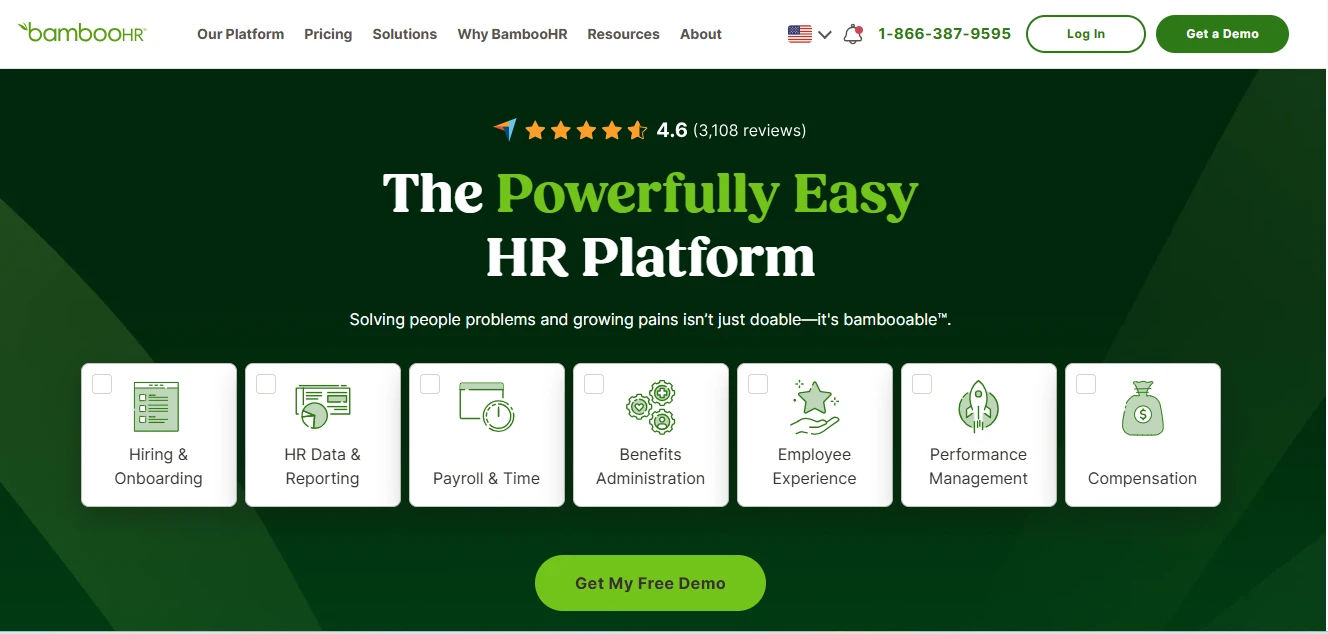
BambooHR is a cloud-based HR software designed to help businesses manage employee information, hiring, onboarding, performance management, and time-off tracking from a centralized platform. It is widely used by small and mid-sized businesses looking for an easy-to-use HR system that supports day-to-day HR operations and employee management.
Key Features
- Employee Records Management: BambooHR stores employee information in a centralized database, making it easier to maintain, update, and access personnel records.
- Applicant Tracking System: The platform helps businesses manage job postings, track candidates, and organize recruitment activities throughout the hiring process.
- Employee Onboarding: Organizations can create structured onboarding experiences by managing documents, tasks, and new hire information in one place.
- Time-Off Management: Employees can submit leave requests while managers review balances, approve requests, and monitor absences across teams.
- Performance Management: BambooHR supports performance reviews, goal tracking, employee feedback, and development discussions.
- Employee Self-Service: Team members can access personal information, update records, and complete HR-related activities independently.
- Reporting and Analytics: The platform provides HR reports and workforce insights that help organizations monitor key people-related metrics.
- Employee Directory: Businesses can maintain an organized employee directory with contact details, reporting structures, and organizational information.
- Document Management: BambooHR allows organizations to store, organize, and manage employee-related documents digitally.
Pros
- User-friendly interface with a simple navigation experience
- Centralized employee records and document management
- Built-in recruitment and onboarding capabilities
- Supports performance reviews and employee development
- Employee self-service functionality included
- Reporting and analytics for HR visibility
- Suitable for small and medium-sized businesses
Cons
- Advanced functionality may require additional modules
- Limited customization compared to some enterprise solutions
- Can become costly as additional features are added
- Less suitable for highly complex organizational structures
- Some reporting capabilities may require additional configuration
4. Lanteria HR
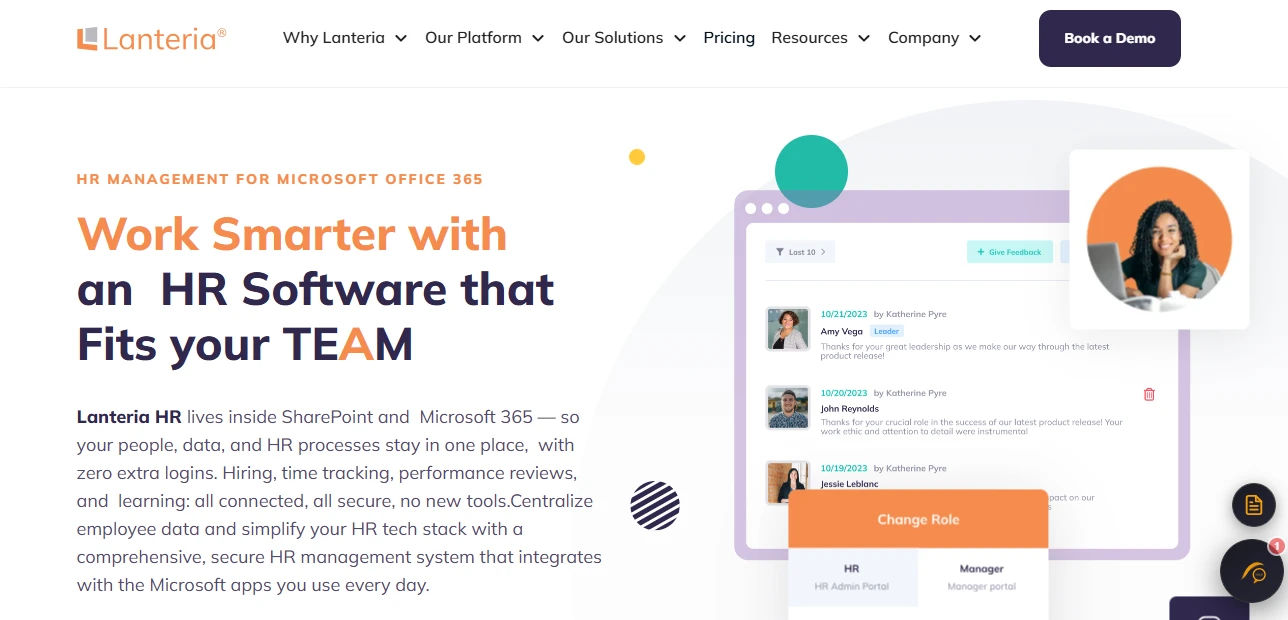
Lanteria HR is an HR management platform built on Microsoft technology that helps organizations manage employee information, recruitment, onboarding, performance management, learning, and time-off processes. It is commonly used by businesses seeking a centralized HR solution with strong integration within the Microsoft ecosystem.
Key Features
- Employee Management: Lanteria HR provides a centralized employee database for managing personal information, job details, organizational structures, and employment records.
- Recruitment Management: The platform supports hiring processes by helping organizations manage vacancies, applications, candidate tracking, and recruitment workflows.
- Employee Onboarding: Businesses can manage onboarding activities, documentation, and task assignments for new hires from a single system.
- Performance Management: Managers can conduct appraisals, set goals, gather feedback, and track employee performance throughout review cycles.
- Learning and Training Management: Lanteria HR includes learning management capabilities that help organizations assign courses, monitor training progress, and track development activities.
- Leave Management: Employees can request leave, while managers review balances, approve requests, and monitor absences across departments.
- Time and Attendance Tracking: The platform enables organizations to track attendance, working hours, and employee time records.
- Employee Self-Service: Team members can access personal information, submit requests, and complete HR-related activities independently.
- Reporting and Analytics: Lanteria HR provides reports and dashboards that help organizations analyze HR data and support decision-making.
- Microsoft Integration: The platform integrates with Microsoft technologies, helping businesses connect HR processes with existing Microsoft environments.
Pros
- Comprehensive HR management functionality
- Strong performance management and learning tools
- Centralized employee records and reporting
- Recruitment, onboarding, and development capabilities
- Employee self-service functionality available
- Microsoft ecosystem integration
- Suitable for growing and enterprise organizations
Cons
- Interface may require a learning period for new users
- Implementation can take longer for complex organizations
- Some advanced configurations may require technical expertise
- Smaller businesses may find the platform more extensive than needed
- Customization and deployment can increase setup complexity
5. Deel
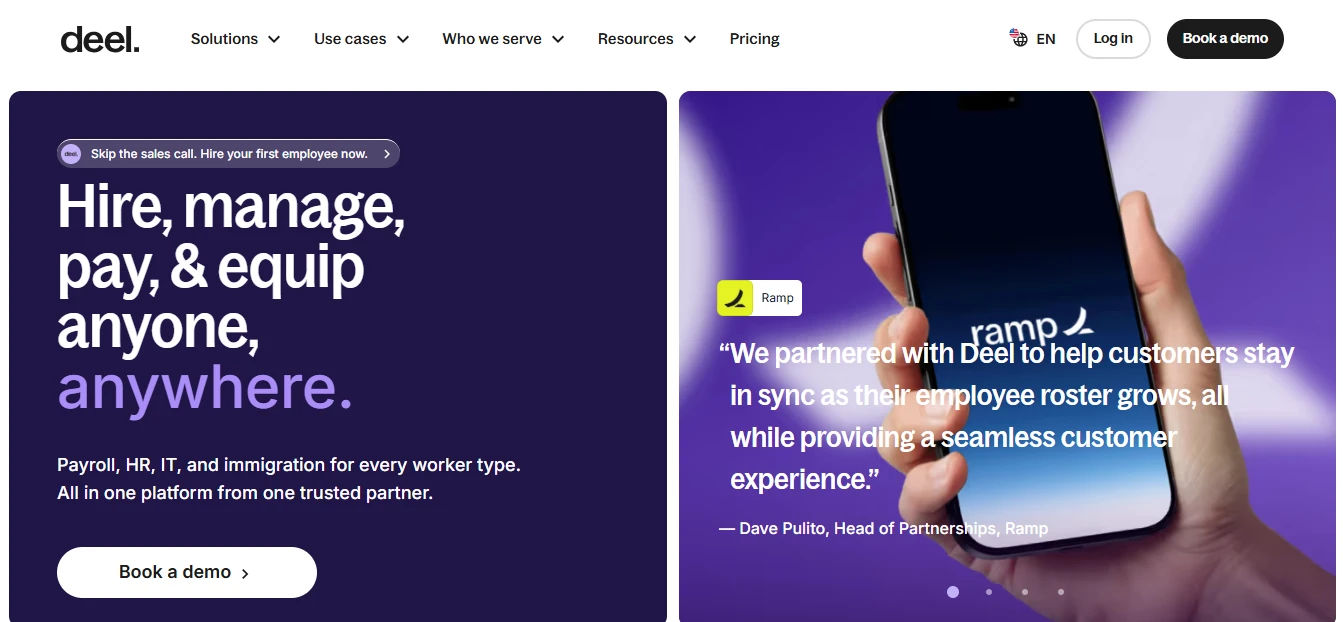
Deel is a workforce management platform that helps businesses manage hiring, onboarding, employee records, time off, performance, and global team operations from a centralized system. It is commonly used by organizations managing distributed teams across multiple countries and regions.
Key Features
- Employee Management: Deel maintains employee records, job information, contracts, and organizational details within a centralized platform.
- Global Hiring: The platform supports hiring and managing talent across different countries through localized employment solutions.
- Employee Onboarding: Organizations can manage onboarding tasks, documentation, and employee setup activities for new hires.
- Time-Off Management: Employees can request leave, while managers review balances and approve time-off requests.
- Performance Management: Deel provides tools for goal tracking, employee feedback, and performance review processes.
- Document Management: Businesses can securely store and manage employment-related documents and records.
- Workforce Planning: Organizations can gain visibility into team structures, headcount, and workforce data.
- Reporting and Analytics: Deel offers reporting tools that help businesses monitor HR metrics and workforce trends.
- Employee Self-Service: Team members can access personal information, submit requests, and manage HR-related activities independently.
Pros
- Supports global hiring and workforce management
- Centralized employee records and documentation
- Built-in onboarding and employee management tools
- Employee self-service functionality available
- Reporting and workforce insights capabilities
- Suitable for distributed and international teams
- User-friendly interface
Cons
- Advanced features may require additional plans
- Some capabilities focus heavily on international operations
- Pricing can increase as organizations scale
- Customization options may vary across modules
- Smaller businesses may not need all available functionality
6. Gusto
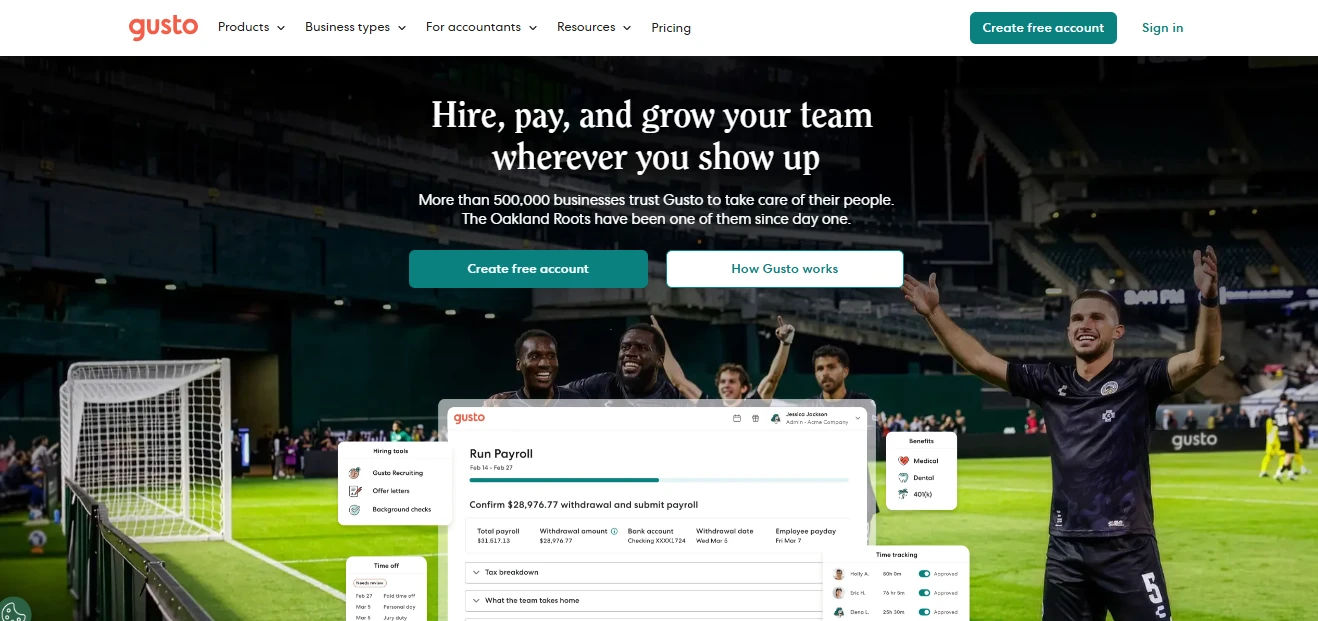
Gusto is an HR platform designed to help businesses manage employee information, onboarding, attendance, performance, and people operations from a single system. It is widely used by small and medium-sized businesses seeking an easy-to-use HR solution.
Key Features
- Employee Management: Gusto provides a centralized location for storing and managing employee records and organizational information.
- Employee Onboarding: The platform helps businesses manage onboarding tasks, documentation, and new hire processes.
- Time and Attendance Tracking: Organizations can track employee working hours, attendance records, and time-related activities.
- Leave Management: Employees can request time off while managers monitor balances and approve requests.
- Performance Management: Gusto supports employee feedback, goal tracking, and performance review activities.
- Employee Self-Service: Team members can access personal information, update records, and complete HR-related tasks independently.
- Document Management: Businesses can organize and manage employee documents digitally within the platform.
- Reporting and Analytics: The system provides reports and workforce insights to support business decisions.
- Hiring Support: Organizations can manage job postings and recruitment-related activities through the platform.
Pros
- Easy-to-use and intuitive interface
- Centralized employee information management
- Supports onboarding and hiring processes
- Built-in attendance and leave management tools
- Employee self-service functionality included
- Reporting and analytics capabilities
- Suitable for small and growing businesses
Cons
- Advanced HR functionality may require higher-tier plans
- Limited customization compared to some enterprise platforms
- Certain features may not suit complex organizational structures
- Feature availability can vary by plan
- Larger organizations may require more extensive capabilities
7. UKG
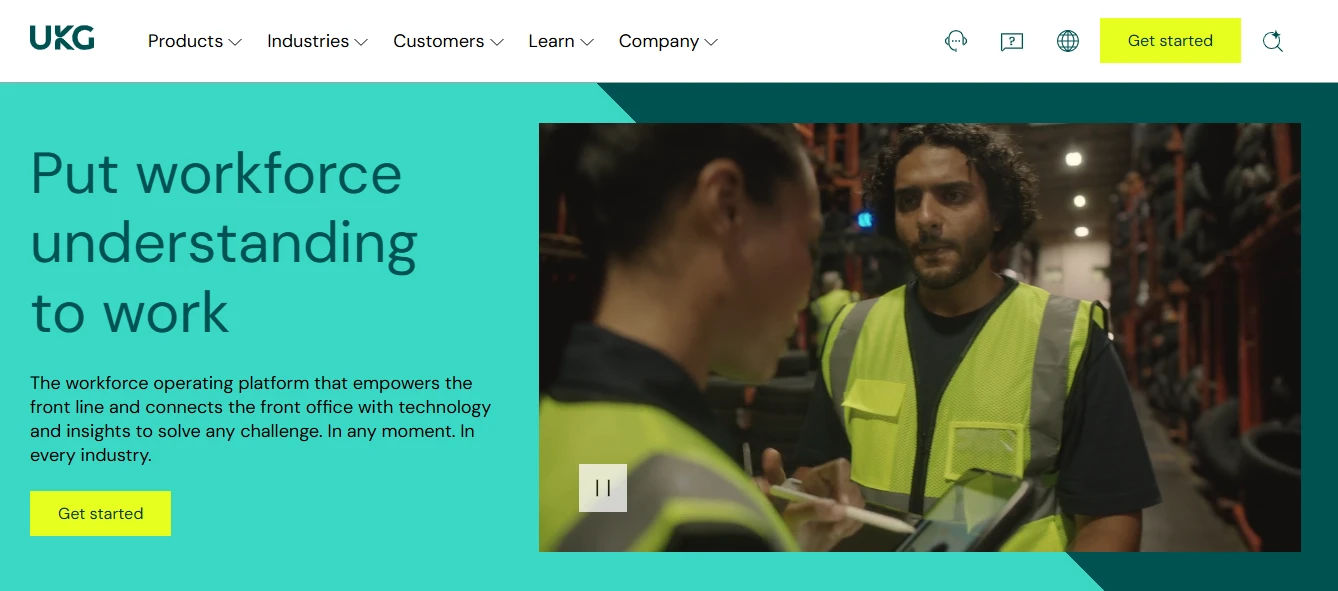
UKG is a human capital management platform that helps organizations manage employee information, attendance, scheduling, performance, talent development, and workforce operations. It is commonly used by mid-sized and enterprise organizations that require comprehensive HR management capabilities.
Key Features
- Employee Management: UKG provides a centralized employee database for managing personnel records, organizational structures, and employment information.
- Time and Attendance Tracking: The platform helps businesses monitor attendance, working hours, and time-related activities across teams.
- Workforce Scheduling: Organizations can create schedules, manage shifts, and coordinate staffing requirements more effectively.
- Leave Management: Employees can submit leave requests while managers review balances and approve absences.
- Performance Management: UKG supports goal setting, employee evaluations, feedback collection, and development planning.
- Recruitment and Hiring: The platform provides tools for managing job openings, candidate tracking, and hiring workflows.
- Learning and Development: Organizations can manage training programs, learning activities, and employee development initiatives.
- Employee Self-Service: Team members can access personal information, submit requests, and complete HR tasks independently.
- Reporting and Analytics: UKG offers dashboards and reporting tools that provide visibility into workforce and HR data.
- Workforce Planning: Businesses can analyze staffing needs, organizational structures, and workforce trends to support decision-making.
Pros
- Comprehensive HR and workforce management functionality
- Strong scheduling and attendance management capabilities
- Supports recruitment, learning, and performance processes
- Centralized employee information and reporting
- Employee self-service functionality available
- Suitable for mid-sized and enterprise organizations
- Advanced workforce analytics and dashboards
Cons
- Implementation can be time-consuming for larger organizations
- Advanced features may require additional configuration
- Learning curve for new administrators
- May be more complex than necessary for small businesses
- Pricing can be higher than some HR-focused alternatives
What Should You Consider When Choosing a Justworks Alternative?
Choosing the right alternative to Justworks depends on your business size, HR needs, and the level of control you want over employee management processes. While some platforms focus heavily on payroll and benefits, others provide broader HR capabilities like automation, performance tracking, and workforce management. Evaluating your priorities helps ensure you select a solution that fits both your current needs and future growth.
- Core HR requirements such as employee records, onboarding, and leave management
- Level of automation required for HR processes
- Integration capabilities with existing business tools
- Scalability for growing teams and expanding operations
- Ease of use for HR teams and employees
- Reporting and analytics requirements for decision-making
- Pricing structure and long-term cost flexibility
Why HR365 HRMS Is a Strong Alternative to Justworks
- Provides centralized employee management without being limited to PEO structure
- Includes core HR functions like onboarding, recruitment, performance, and attendance in one system
- Offers workflow automation to reduce manual HR tasks
- Supports expense management and task tracking within the same platform
- Gives better flexibility for businesses that want modular HR capabilities
- Allows easier customization based on company-specific HR processes
- Focuses on HR operations without dependency on payroll-heavy systems
- Suitable for businesses looking for scalable HR software instead of bundled HR services
For organizations seeking an alternative to Namely, HR365 HRMS offers a broad range of HR capabilities in a centralized platform, helping businesses manage people, processes, and day-to-day HR operations more effectively.
Conclusion
Choosing between Justworks and its alternatives depends on whether a business needs a service-driven PEO model or a flexible HR software platform. Justworks is strong for companies that want bundled HR, payroll, and benefits support, while other platforms provide more control and customization over HR operations.
For businesses looking for broader HR functionality, better scalability, and modular control, modern HR365 HRMS solutions offer a more adaptable approach. They help organizations manage the full employee lifecycle while keeping HR processes centralized and easy to operate.
Choose the Right HR Software for Your Business
Book a free demo of HR365 HRMS and see how it can support your organization’s HR needs.
Frequently Asked Questions
What is Justworks used for?
Justworks is used to manage HR operations, payroll, employee benefits, onboarding, and compliance through a PEO-based platform designed for small and mid-sized businesses.
Why do businesses look for Justworks alternatives?
Businesses look for alternatives when they need more flexible HR features, better customization, advanced automation, or a platform that is not dependent on a PEO model.
Is HR365 HRMS a good alternative to Justworks?
Yes. HR365 HRMS platforms provide centralized HR management, including onboarding, attendance, recruitment, performance, and expense tracking, making them a strong alternative for companies that want broader HR control.
What is the difference between HR365 HRMS and Justworks?
Justworks is a PEO-based platform that combines HR, payroll, and benefits services, while HR365 HRMS platforms focus more on HR operations, employee management, and process automation.


_JiluXJRGNl.svg)























