

What Is Corporate Travel Management: Effective Ways to Handle Them

- Corporate travel management is the process of planning, booking, and overseeing business trips for employees.
- It helps companies manage everything related to business travel, from approvals and bookings to expenses and reimbursements.
- A well-structured travel program ensures employees can travel for work while following company policies and budgets.
- It brings together travellers, managers, finance teams, and travel providers to make business travel more organized and efficient.
Every year, companies spend significant budget sending employees to meetings, conferences, client visits, and project sites.
Yet many of these same companies have no clear corporate travel management to manage those trips. Flights get booked at the last minute. This is where corporate travel management becomes critical.
According to a business travel study, 40% of businesses still don’t have a travel policy, which means nearly half of all companies are managing travel without any structured framework.
What Is Corporate Travel Management?
Corporate travel management is the process of planning, booking, tracking, and controlling business travel within an organization. It covers the full travel expense from the moment a trip is requested to the point when the expense is reimbursed.
At its core, corporate business travel management includes;
- Setting a company travel policy that defines what is and isn’t covered
- Managing trip approvals before bookings are made
- Booking flights, hotels, and ground transport within budget
- Tracking all travel-related spending in real time
- Processing expense reports and employee reimbursements
- Analysing travel data to reduce costs over time
Large companies typically have a dedicated travel manager or a travel management company handling this. Smaller businesses often rely on office managers, finance teams, or even the travelers themselves, which is where things tend to break down
Who Needs a Corporate Travel Program?
A common question on Reddit’s r/businesstravel and r/smallbusiness threads is: “At what point does my company actually need a formal travel program?”
The simple answer is: if more than a handful of employees travel for work even a few times a year, you need some version of a travel program.
Here’s a quick way to assess where your business stands.
1–20 employees (Occasional trips): Track travel expenses, collect receipts, and streamline reimbursements.
20–100 employees (Monthly travel): Automate expense reporting, approval workflows, and policy compliance.
100+ employees (Regular travel across multiple teams): Gain centralized visibility into travel spending and maintain better cost control across departments.
The bigger the team and the more frequent the travel, the more important it becomes to have a defined process. Without one, costs grow quietly, compliance drops, and finance teams spend far too much time chasing down receipts.
Essential Elements of a Successful Travel Management Strategy
Corporate travel management only works if it’s built on a solid foundation. Here are the core pieces every business needs.
1. A Clear Corporate Travel Policy
Your travel policy is the rulebook for all business travel. It should spell out which expenses are covered, what spending limits apply, which booking platforms employees should use, and what the process is for getting reimbursed.
Without a written policy, every employee makes their own decisions which leads to widely varying costs and constant disputes over what’s reimbursable.
A good corporate travel policy also covers things like preferred vendors, advance booking, acceptable hotel categories, and what to do when plans change.
2. A Travel Approval Process
Before money is spent, trips should be reviewed and approved. A formal travel approval system creates a checkpoint where managers can verify the business purpose, check the budget, and flag anything that falls outside policy before the booking is made, not after.
This is one of the most overlooked parts of corporate travel management. Many businesses approve travel verbally or via email, with no audit trail and no way to track open requests.
3. Expense Tracking and Reporting
Every dollar spent on travel needs to be captured, categorized, and reported. This includes airfare, hotels, meals, ground transport, and incidentals.
Good travel expense report software automates much of this letting employees submit receipts on the go, automatically matching charges to categories.
A good corporate travel management process gives finance teams a clean view of all travel spend.
4. Reimbursement Workflows
Slow or unclear reimbursement is one of the top complaints from business travelers.
Employees should know exactly when and how they’ll be paid back for out-of-pocket travel expenses.
A structured employee expense reimbursement process sets expectations, reduces disputes, and improves employee trust in the company’s travel program.
5. Mileage Tracking for Ground Travel
Not all travel involves flights and hotels. A significant portion of business travel is local employees driving to client sites, visiting offices, or attending events.
Using reliable best mileage tracking software keeps mileage claims accurate, compliant with IRS rates, and easy for finance to review.
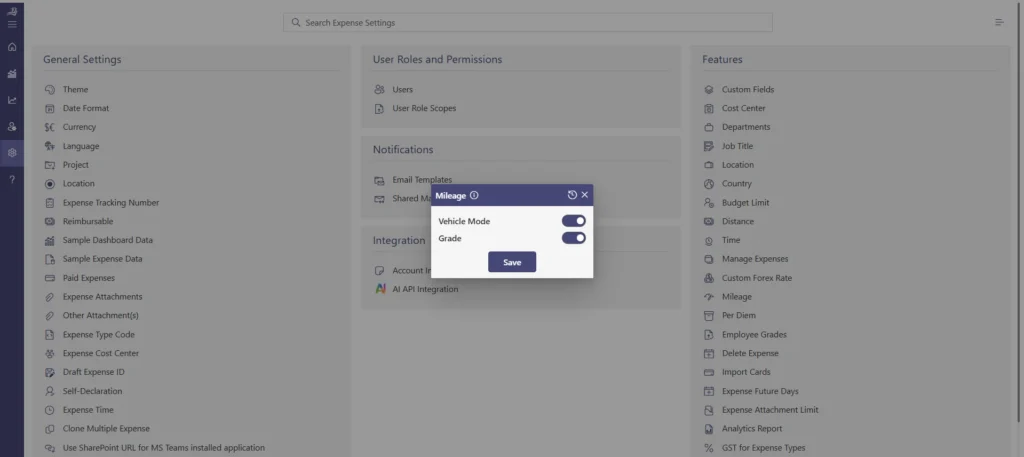
corporate travel management travel needs to be tracked and reimbursed accurately.
Ready to build a travel program that works?
Expense 365 brings policy management, approval workflows, expense tracking, and reimbursements into one place built natively for Microsoft 365.
Common Corporate Travel Management Challenges
This is where most guides go generic. Instead, here are real challenges pulled from forums and business travel forums the kind that actual travel managers and finance teams deal with every week.
Low Travel Policy Compliance
This is the most common complaint. A policy exists on paper, but employees book outside it choosing non-preferred airlines, expensive hotels, or last-minute flights.
The root cause is usually that the policy isn’t easy to access, or there’s no corporate travel management enforcing it at the point of booking.
The fix: integrate policy rules into your booking tool so employees see the guidelines in real time, not after the fact.
Delayed Expense Submission
Employees submit expense well after the trip ends sometimes after the accounting close.
This delays reimbursements, creates reconciliation challenges, and makes accurate forecasting nearly impossible.
Use mobile-first expense tools that let travelers capture receipts immediately after a purchase. Waiting until they’re back at a desk is where the delay starts
Limited Visibility into Travel Spending
Without centralized data, travel spending is scattered across credit card statements, accounting systems, and email inboxes.
Finance can’t answer basic questions like “how much did we spend on travel last quarter?” without significant manual work.
A single travel and expense management software dashboard where all bookings, expenses, and reports live in one place
Time-Consuming Corporate Card Reconciliation
Matching corporate card transactions to expense reports is time-consuming when done manually.
Charges get miscoded, some go unsubmitted, and month-end becomes a scramble.
A proper corporate card management system that automatically imports transactions and matches them to employee reports.
Insufficient Oversight of Travel Expenses
Without clear visibility into travel spending, organizations may struggle to identify policy violations and unauthorized expenses in a timely manner.
This can lead to increased costs, compliance risks, and challenges in maintaining financial control.
Implementing approval workflows with automated policy checks helps flag out-of-policy expenses before reimbursement
Why Businesses Invest in Travel Spend Management Solutions
According to the Global Business Travel Association (GBTA), 49% of travel programs plan to increase their investment in travel technology in 2025. That’s not a coincidence. The business case for investing in travel management is straightforward.
Cost Control
Companies that actively use corporate travel management typically spend 10–30% less on business travel than those that do not. Policy compliance, preferred vendor rates, and advance booking practices help reduce costs without affecting employee productivity or comfort.
Time Savings for Finance Teams
Manual corporate travel management can take hours per employee for every trip. Automating expense reporting, approvals, and reimbursements significantly reduces administrative workload and improves operational efficiency.
Compliance and Audit Readiness
When every trip is approved, every expense is documented, and every report is categorized correctly, audits become much easier to manage. A structured corporate travel management process also helps reduce compliance risks and policy violations.
Better Visibility into Travel Spending
Travel expenses are often spread across multiple systems, making it difficult to understand where money is being spent. A centralized corporate travel management provides real-time visibility into travel costs, helping organizations identify savings opportunities and make informed budgeting decisions.
Supporting Long-Term Growth
With global business travel spending projected to exceed $2 trillion by 2029, organizations need stronger controls and better visibility into travel expenses. Investing in travel spend management solutions helps businesses scale their travel programs while maintaining financial oversight and cost efficiency.
How Modern Corporate Business Travel Management Works
Understanding how a well-run travel program operates end-to-end helps identify where your current process has gaps. Here’s how corporate business travel management works in practice, from request to reimbursement.
Step 1: Travel Request and Approval
An employee submits a trip request destination, dates, estimated cost, and business purpose. The request routes automatically to the appropriate manager for approval. The manager reviews it against budget availability and business need, then approves or declines. A digital travel approval system keeps this process documented and fast.
Step 2: Booking Within Policy
Once approved, the employee books travel. In a well-managed corporate travel management program, bookings happen through a designated tool or platform that automatically applies policy rules preferred airlines, hotel categories, advance booking requirements, and spending caps.
Step 3: Travel Occurs
The employee travels. During the trip, they log expenses in real time capturing receipts via mobile, noting the business purpose, and flagging any out-of-policy spending that needs justification.
Step 4: Expense Report Submission
After the trip, the employee submits a consolidated expense report. In modern systems, most of this is pre-populated from receipts and card transactions. A good travel expense policy makes clear what needs to be submitted, by when, and in what format, so there’s no ambiguity.
Step 5: Manager and Finance Review
The expense report routes for review. Managers check for policy compliance. Finance reviews for accuracy, proper categorization, and any red flags. Out-of-policy items are flagged for clarification or rejection.
Step 6: Reimbursement
Approved expenses are reimbursed. Employees get paid on a defined schedule. If company cards were used, the charges are reconciled and closed. This is where employee mileage reimbursement processes and general expense reimbursement workflows need to be documented clearly
Step 7: Reporting and Analysis
Finance aggregates travel data to produce spending reports by department, project, employee, or vendor. These reports feed budget planning, vendor negotiations, and policy updates.
View all your expense activities in one platform with Expense 365
Get complete visibility into spending, approvals, reimbursements, and reports all from a single dashboard.
Practical Tips for Building an Efficient Corporate Travel Program
Whether you’re starting the corporate travel management from scratch or fixing a broken process, these practical steps will help you build a program that works:
Write your travel policy before anything else: Every other part of the program depends on knowing the rules. Keep it short, specific, and easy to find. A policy that lives in a shared drive folder nobody opens is effectively no policy at all.
Get buy-in from travelers, not just finance: One of the recurring themes in business travel forums is that policies fail because employees find them too rigid. Involve frequent travelers in the process. Understand their pain points. A corporate travel management policy built with input from the people who use it is far more likely to be followed.
Pick tools that fit how your team works: If your company runs on Microsoft 365, don’t adopt a travel management tool that operates entirely outside that environment. Choose corporate travel management your team will actually use.
Automate approvals and notifications: Manual approval chains via email are slow and create no audit trail. Even a basic automated workflow that routes requests, sends reminders, and logs decisions will dramatically improve consistency.
Set clear submission deadlines: Expense reports submitted 60 days after a trip are both inaccurate and a compliance risk. Most companies set a 2-week submission window. Whatever you choose, communicate it clearly and enforce it consistently.
Review your data quarterly: Travel programs that never get reviewed never improve. Schedule a quarterly review of travel spend by category, department, and employee. Look for patterns recurring out-of-policy bookings, high-cost routes that could be handled over video, departments consistently over budget.
Don’t forget mileage: Local driving often goes untracked because it feels small. But across a large team, untracked mileage adds up to significant unclaimed reimbursements for employees and potential IRS compliance issues for the company. Build mileage tracking into your program from day one.
Simplify Travel Expenses and Reporting with Expense 365
Managing corporate travel isn’t just about booking trips. It’s about controlling what gets spent, making sure every expense is accounted for, and giving your finance team the data they need to close the books without a week-long scramble.
Expense 365 is a travel and expense management solution built natively within Microsoft 365. It brings together everything a finance team needs to manage corporate business travel management from end to end.
Here’s what it handles:
Travel Approvals: Requests route automatically to the right approvers. Managers get notified, review in-context, and approve or decline all within Microsoft Teams or Outlook. No separate login required.
Expense Capture: Employees submit receipts on mobile immediately after purchase. AI and OCR technology reads the receipt, fills in the details, and categorizes the expense reducing manual entry and the chance of receipts going missing.
Policy Enforcement: Policy rules are built into the submission flow. Out-of-policy expenses are flagged automatically before they reach finance not after reimbursement has already been processed.
Mileage Tracking: Employees log business miles directly in the app, with automatic IRS rate calculations. Finance gets accurate mileage reports without chasing employees for numbers weeks later.
Corporate Card Reconciliation:Card transactions import automatically and match to submitted expenses. Unmatched transactions are flagged for follow-up. Month-end reconciliation goes from days to hours.
Reporting and Analytics: Finance gets real-time dashboards showing travel spend by employee, department, project, and category. Export for audit. Use the data to negotiate better vendor rates next cycle.
Because Expense 365 lives inside Microsoft 365, there’s no new platform to learn, no separate login to forget, and no data living in a system disconnected from the rest of your business.
Ready to replace spreadsheets and email chains?
Switch to a system built for the way your team works
Conclusion
Corporate travel management is one of those areas where businesses know they have problems but keep putting off fixing them.
The good news is that getting this right doesn’t require a complete overhaul. It starts with a written travel policy, a basic approval workflow, and a tool that gives everyone travellers, managers, and finance a single place to work.
Ready to streamline business travel and expense management? Start your 14-day free trial with Expense 365 today and see how simple travel management can be.
Frequently Asked Questions
What does a corporate travel manager do?
A corporate travel manager oversees the company’s travel program. This includes maintaining the travel policy, managing relationships with airlines, hotels, and booking platforms, supporting employees with travel issues, and reporting on travel spend to finance and leadership.
What is included in a corporate travel policy?
A corporate travel policy covers who can travel and for what purposes, approved booking platforms, spending limits by category (flights, hotels, meals), reimbursement procedures, rules for using corporate cards, and the process for exceptions and out-of-policy requests. See our full guide on corporate travel policy for a detailed breakdown.
How do companies track travel expenses?
Companies use corporate travel management software to capture receipts, process expense reports, reconcile corporate card transactions, and generate spending reports. Automated tools significantly reduce manual work and improve accuracy compared to spreadsheet-based tracking.
How can small businesses manage corporate travel on a limited budget?
Small businesses should start with a simple written travel policy, an approval process (even a basic one), and an expense tracking tool. Many modern travel and expense platforms offer affordable plans for smaller teams. The key is consistency; even a lightweight system, applied consistently, will save money and reduce administrative work.
What is bleisure travel and how should companies handle it?
Bleisure travel refers to trips where employees combine business and personal time for example, extending a conference trip over a weekend for leisure. Companies should have a clear policy on how personal days are handled during business trips, what expenses are covered on personal days, and how to split costs when a trip has both purposes.
Why do employees dislike expense reporting?
The most common complaints are that the process is time-consuming, the forms are confusing, reimbursements take too long, and the tools don’t work well on mobile. Businesses can address this by automating receipt capture, setting clear submission timelines, and choosing tools that employees can use from their phones immediately after a purchase.


_JiluXJRGNl.svg)























