

Best HR Software for Startups to Simplify Team Management (2026)

Building a startup is exciting. Every new hire, new customer, and new opportunity brings your business one step closer to success. But as your team grows, managing people becomes more complex, and manual HR processes can quickly become difficult to handle.
According to Forbes Advisor, 77% of new hires reach their first performance milestone when organizations have a structured onboarding program. This highlights why investing in the right HR software early can help startups build a better experience for new team members while supporting long-term business growth.
- Explains why startups need HR software to manage growing HR tasks efficiently.
- Covers essential HR software features every startup should consider before buying.
- Compares the top 10 HR software solutions for startups in 2026.
- Shares practical tips for choosing the right HR software for long-term growth.
As your organization expands, these manual processes start creating challenges. Employee records become scattered across multiple files, onboarding takes longer, leave requests become harder to manage, and tracking attendance becomes less reliable. Routine HR work that once took a few minutes can now take hours, leaving less time to focus on growing your business.
This is a common challenge for growing startups. According to CareerBuilder research, only 50% of small businesses have a structured onboarding process, even though organizations with structured onboarding report better productivity, stronger engagement, and improved retention. The research highlights how relying on manual HR processes can limit growth as teams expand.
In this guide, you will explore the 10 best HR software for startups that can help you simplify team management in 2026. You will also learn about key features, benefits, and how to choose the right solution for your startup.
What is HR Software for Startups?
HR software for startups is a tool that helps manage all employee-related tasks in one place. Instead of handling everything manually or using multiple tools, startups can use a single system to organize and manage their HR processes more efficiently.
It covers important functions such as employee records, attendance tracking, leave management, hiring, onboarding, and performance reviews. These features help teams stay organized and ensure that daily HR tasks are handled smoothly.
As startups grow, managing people becomes more complex. Using spreadsheets, emails, or separate tools can lead to confusion, errors, and wasted time. HR software solves this problem by bringing everything together in one simple platform.
For startups, this is especially useful because teams are usually small but growing quickly. Time and resources are limited, so it is important to keep processes simple, clear, and easy to manage. HR software helps startups stay organized, reduce manual work, and build a strong foundation for growth.
Why Startups Need HR Software
Many startups wait too long before using HR software. They often think it is only useful for large companies. But in reality, even small teams can benefit from it from the early stages.
As your startup begins to grow, managing people manually becomes harder. Tasks take more time, mistakes increase, and important information can get lost. This is why using HR software early can make a big difference.
Here are some key reasons why startups need HR software:
1. Saves Time
Manual HR tasks can take up several hours every week. Managing attendance, updating employee records, and handling onboarding manually can slow down your work. HR software automates these tasks, helping you save time and focus on more important business activities.
2. Keeps Data Organized
Employee information is often stored in different places like spreadsheets, emails, or documents. This makes it hard to find the right data when needed. HR software keeps all employee details in one system, making it easy to access and manage.
3. Improves Employee Experience
A smooth HR process helps employees feel more comfortable at work. With HR software, employees can apply for leave, check their details, and access important documents without depending on HR teams. This makes daily tasks easier for everyone.
4. Supports Growth
Startups grow quickly, and managing a larger team with manual processes can become confusing. HR software is built to handle growth, allowing you to manage more employees without adding extra complexity.
5. Reduces Errors
Manual work often leads to mistakes in attendance, records, or reports. These errors can create confusion and affect decision-making. HR software reduces these risks by automating processes and keeping data accurate.
Key Features to Look for in HR Software
Before choosing an HR tool, it is important to understand which features matter the most for your startup. The right features will help you manage your team easily and avoid extra work as your business grows.
Here are the key features to look for in HR software:
1. Employee Management
This is the core feature of any HR software. It allows you to store and manage employee details such as roles, contact information, documents, and job history in one place. This makes it easy to access and update information whenever needed.
2. Attendance and Leave Tracking
Tracking working hours, holidays, and leave requests manually can be confusing. HR software helps you manage attendance and leave in a simple way, with clear records and easy approvals.
3. Onboarding Tools
A smooth onboarding process helps new employees feel comfortable from day one. With onboarding tools, you can share documents, assign tasks, and guide new hires through a structured joining process.
4. Performance Management
Tracking employee performance is important for growth. HR software allows you to set goals, monitor progress, and conduct regular reviews to help employees improve and stay aligned with company goals.
5. Reports and Analytics
Good HR software provides simple reports and insights about your team. You can track attendance trends, employee performance, and other key data to make better decisions.
6. Easy-to-Use Interface
The software should be simple and easy to use. Your team should be able to understand and use it without needing much training. A clean interface saves time and improves adoption.
7. Task Management
Task management features help you assign, track, and manage tasks within your team. This is useful for onboarding, daily work, and project coordination. It ensures that everyone knows their responsibilities and deadlines.
8. Learning Management
Learning management features help you train and develop your employees. You can create training programs, share learning materials, and track progress. This is especially useful for startups that want to build skilled teams as they grow.
10 Best HR Software for Startups in 2026
Choosing the right HR software can help startups stay organized, save time, and manage teams more efficiently. Below are some of the best HR tools for startups, each with different strengths based on business needs.
1. HRMS
Overview:
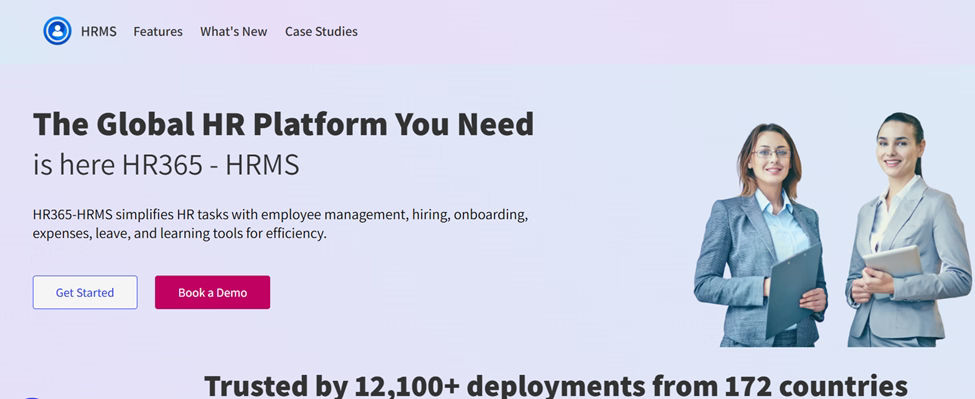
HRMS is designed for startups that want a simple and structured way to manage HR tasks in one place.
Best For:
Startups looking for an easy-to-use HR system
Key Features:
- Employee management
- Attendance and leave tracking
- Task and learning management
Pros:
- Simple interface
- Covers core HR needs
- Easy to manage daily HR tasks
G2 Rating:
4.8/5 ⭐
2. BambooHR
Overview:
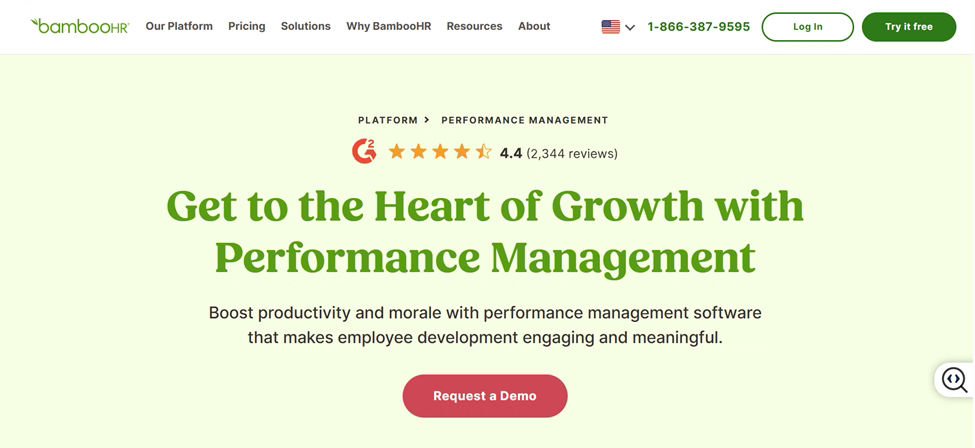
BambooHR is a popular HR software known for its clean interface and strong core HR features.
Best For:
Small to mid-sized startups
Key Features:
- Employee database
- Leave tracking
- Hiring tools
- Performance tracking
Pros:
- Easy to use
- Well-structured dashboard
- Trusted by many companies
G2 Rating:
4.4/5 ⭐
3. Zoho People
Overview:
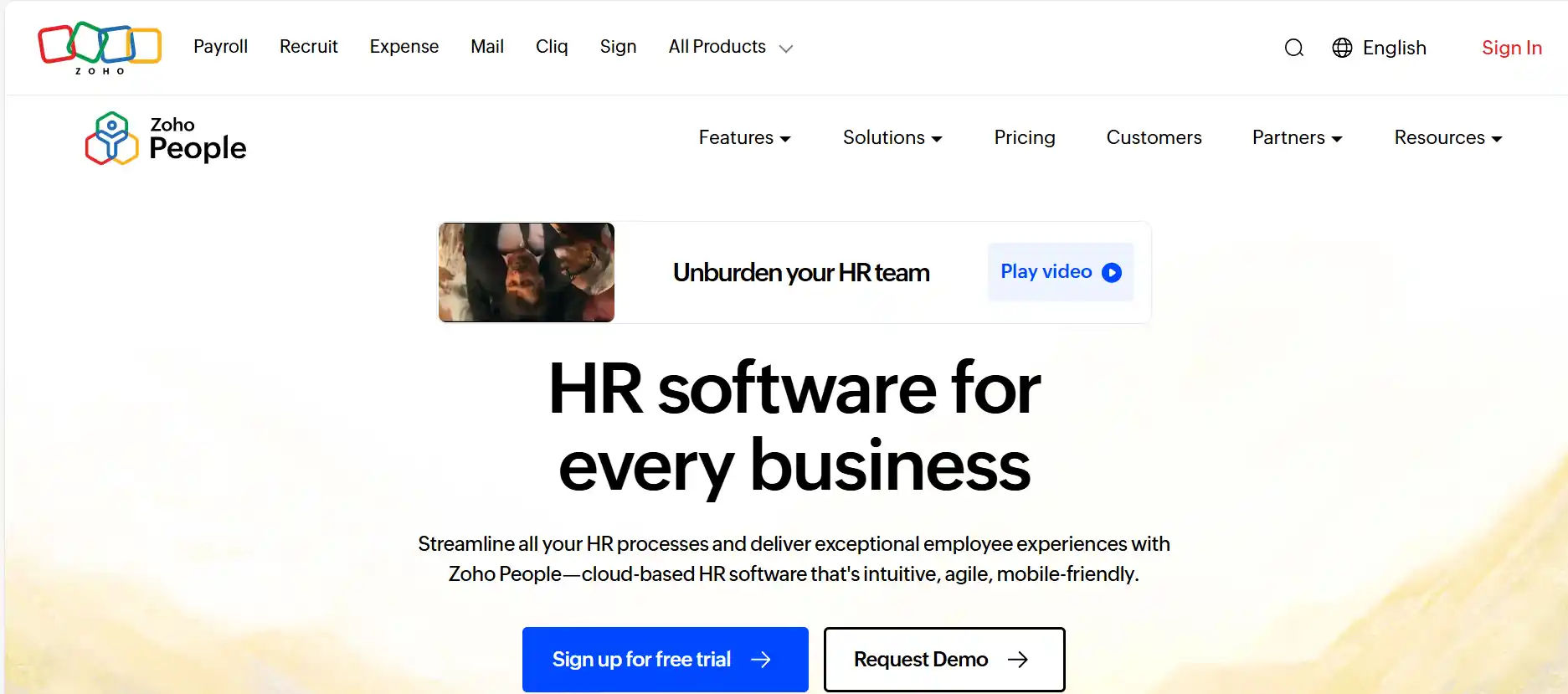
Zoho People offers flexible HR management with automation and customization options.
Best For:
Startups using Zoho ecosystem
Key Features:
- Attendance tracking
- Leave management
- Workflow automation
- Employee self-service
Pros:
- Budget-friendly
- Good integrations
- Customizable workflows
G2 Rating:
4.4/5 ⭐
4. Factorial
Overview:
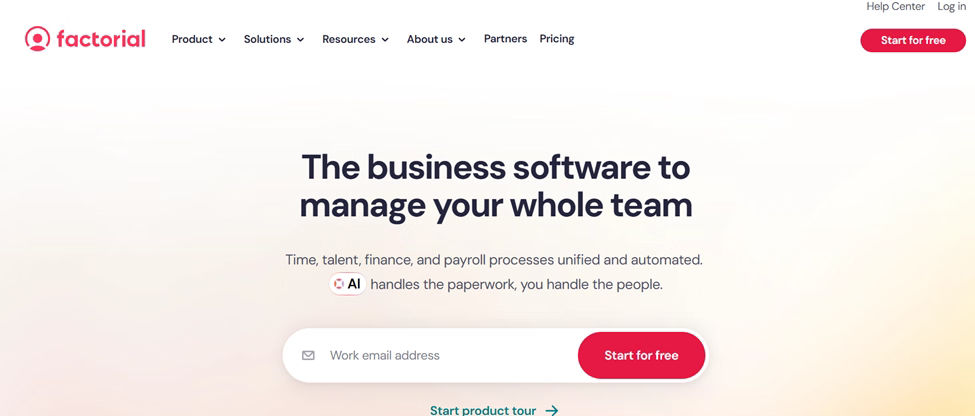
Factorial provides simple HR tools designed for small and growing teams.
Best For:
Startups that want quick setup
Key Features:
- Time tracking
- Document management
- Employee records
- Performance reviews
Pros:
- Easy to set up
- Clean design
- Helpful automation
G2 Rating:
4.5/5 ⭐
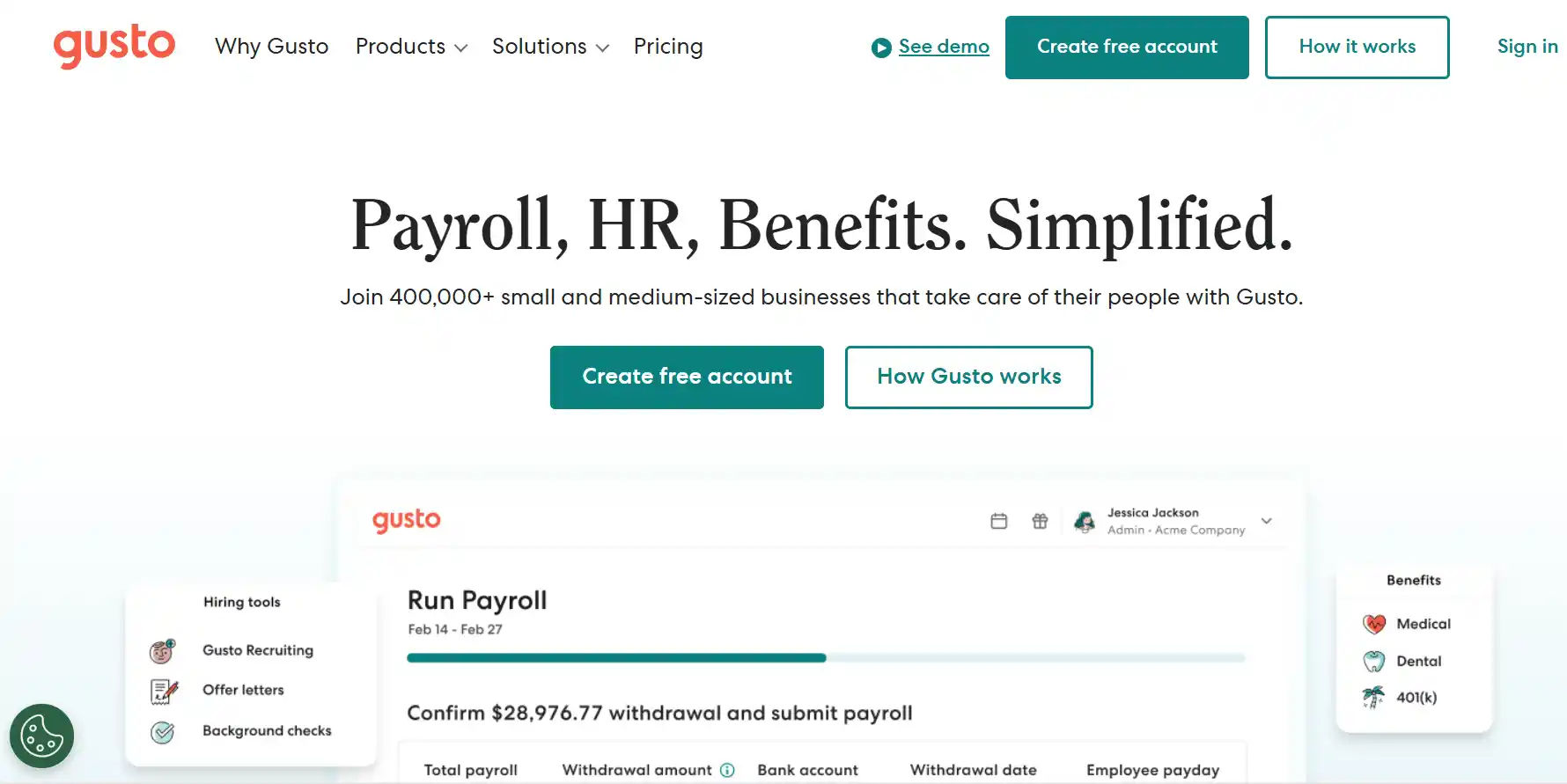
5. Gusto
Overview:
Gusto combines HR and payroll into one platform for easy management.
Best For:
Startups needing payroll support
Key Features:
- Payroll processing
- Benefits management
- Employee onboarding
- Time tracking
Pros:
- All-in-one solution
- Good customer support
- Easy payroll setup
G2 Rating:
4.6/5 ⭐
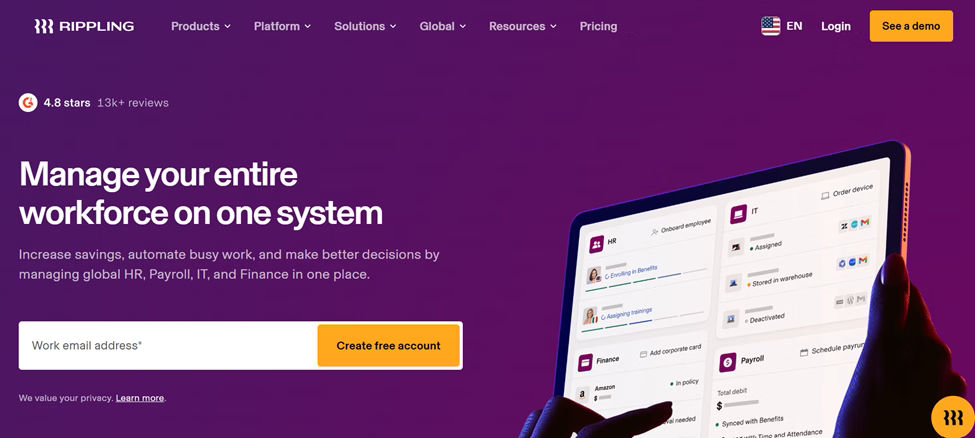
6. Rippling
Overview:
Rippling connects HR, IT, and finance, offering advanced automation features.
Best For:
Tech startups with scaling needs
Key Features:
- Employee management
- Device management
- Payroll
- Workflow automation
Pros:
- Strong automation
- Scalable platform
- Multiple systems in one
G2 Rating:
4.8/5 ⭐
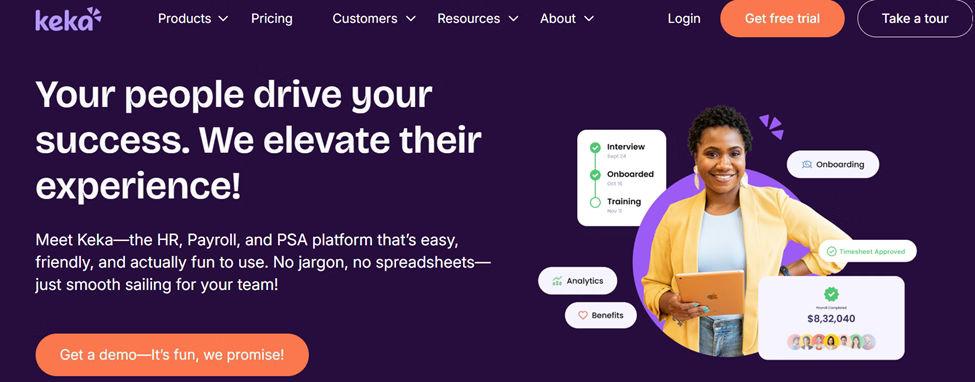
7. Keka
Overview:
Keka is widely used in India for managing HR and payroll with local compliance.
Best For:
Indian startups
Key Features:
- Attendance tracking
- Payroll support
- Performance management
- Employee engagement
Pros:
- User-friendly
- Good for compliance
- Affordable
G2 Rating:
4.6/5 ⭐
LMS 365 is ideal for enterprises, government organizations, healthcare providers, and educational institutions that rely on Microsoft infrastructure and require structured, secure training management.
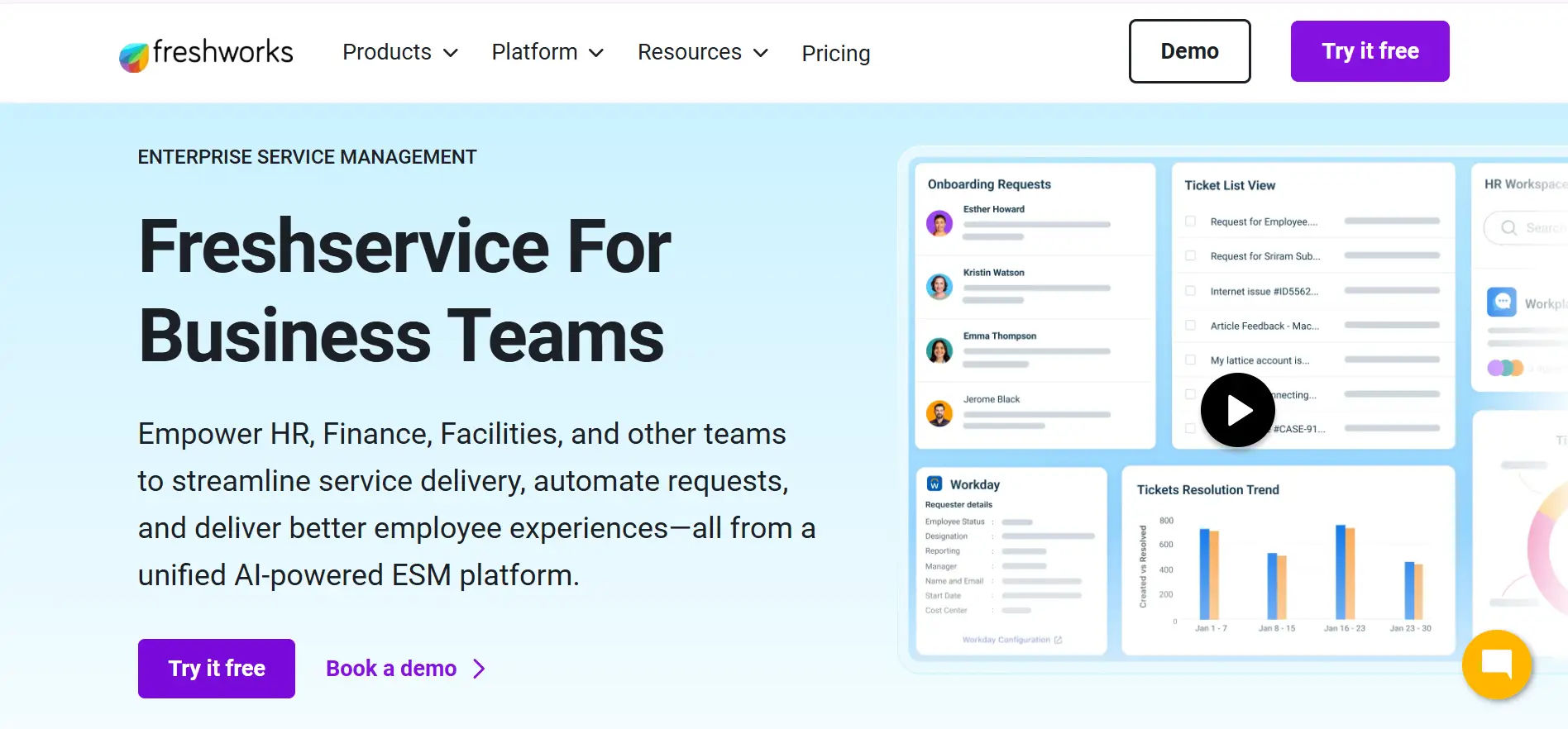
8. Freshteam
Overview:
Freshworks focuses on hiring and employee management for growing teams.
Best For:
Startups hiring frequently
Key Features:
- Applicant tracking
- Onboarding
- Employee directory
- Time-off management
Pros:
- Strong hiring features
- Easy to use
- Good for scaling teams
G2 Rating:
4.4/5 ⭐
9. Deel
Overview:
Deel helps startups hire and manage global and remote teams.
Best For:
Startups with international employees
Key Features:
- Global hiring support
- Compliance management
- Payments
- Employee management
Pros:
- Supports remote teams
- Simplifies global hiring
- Reliable payments
G2 Rating:
4.8/5 ⭐
10. HiBob
Overview:
HiBob offers modern HR tools with a focus on employee experience and engagement.
Best For:
Startups focused on culture
Key Features:
- Performance tracking
- Employee surveys
- Time-off management
- Analytics
Pros:
- Strong engagement tools
- Modern interface
- Flexible features
G2 Rating:
4.5/5 ⭐
HR Software Comparison Table for Startups
| Software | Best For | Key Feature | Ease of Use | Pricing Level |
| HRMS | Startups needing all-in-one HR | Centralized HR management | Easy | Medium |
| BambooHR | Small growing teams | Employee management | Easy | Medium–High |
| Zoho People | Budget-friendly startups | Workflow automation | Medium | Low–Medium |
| Factorial | Simple HR needs | Time tracking & documents | Easy | Medium |
| Gusto | Payroll + HR in one | Payroll processing | Easy | Medium |
| Rippling | Tech-driven startups | HR + IT automation | Medium | High |
| Keka | Indian startups | Attendance & compliance | Easy | Medium |
| Freshworks | Hiring-focused startups | Applicant tracking system | Easy | Medium |
| Deel | Remote/global teams | Global hiring & payments | Medium | High |
| HiBob | Culture-focused teams | Employee engagement tools | Medium | High |
Benefits of Using HR Software for Startups
Using HR software can bring many long-term benefits for startups. As your team grows, managing people manually becomes difficult and time-consuming. HR software helps you stay organized, reduce errors, and handle daily tasks more efficiently without adding extra workload.
Here are some key benefits:
1. Better Team Organization
HR software keeps all employee information in one central system, including contact details, roles, documents, and work history. This makes it easy to find and update information whenever needed. Instead of searching through emails or spreadsheets, everything is available in one place, which saves time and reduces confusion across the team.
2. Faster Hiring and Onboarding
Hiring new employees can take a lot of time if done manually. HR software helps streamline this process by managing job applications, tracking candidates, and organizing interviews. Once a candidate is selected, onboarding tools help new hires complete their joining process smoothly with digital forms, document uploads, and clear task lists. This helps them start work faster and with more confidence.
3. Clear Communication
Good communication is important for any startup. HR software provides a single platform where employees can access updates, policies, and important documents. It also allows employees to raise requests like leave applications without confusion. This reduces back-and-forth communication and helps everyone stay informed.
4. Improved Employee Satisfaction
When HR processes are simple and easy to use, employees feel more comfortable and supported. They can check their details, apply for leave, and access documents without depending on HR teams. This creates a better work experience and helps build trust between employees and the organization.
5. More Time to Focus on Business Growth
Manual HR work can take up a lot of time for founders and managers. Tasks like tracking attendance, managing records, and handling onboarding can slow down important business activities. HR software automates these tasks, allowing you to focus more on building your product, improving services, and growing your startup.
6. Better Decision-Making with Data
HR software provides reports and insights based on real data, such as attendance patterns, employee performance, and team growth. These insights help founders and managers understand what is working and what needs improvement. With clear data, you can make better decisions and plan your next steps with confidence.
7. Reduced Errors and Better Accuracy
Manual processes often lead to mistakes in attendance tracking, employee records, or reports. These errors can create confusion and affect important decisions. HR software reduces these risks by automating tasks and maintaining accurate records, which improves overall efficiency.
8. Stronger Compliance and Record Keeping
Startups need to maintain proper employee records and follow basic compliance rules. HR software helps store important documents and keeps records updated, making it easier to manage audits or legal requirements. This reduces risk and ensures your business stays on track.
Common Mistakes Startups Should Avoid
Choosing the wrong HR software can create more problems instead of solving them. Many startups make simple mistakes that lead to wasted time, money, and effort.
1. Choosing Too Many Features
Startups often choose software with too many features, thinking they will need everything from the start, but this can make the system complicated and difficult to use. It is better to start with basic features that match your current needs and upgrade later as your team grows.
2. Ignoring User Experience
If the software is hard to use, your team will avoid using it, which reduces its value. A simple and clear interface helps employees complete tasks quickly and improves overall adoption across the team.
3. Not Planning for Growth
Some startups choose tools that only fit their current team size, which creates problems later as the company grows. Selecting a scalable solution ensures that the software can handle more employees and additional features in the future.
4. Skipping Free Trials
Making a decision without testing the software can lead to poor choices. Free trials or demos help you understand how the system works and whether it fits your team’s workflow before you invest in it.
5. Not Checking Integrations
HR software often needs to connect with tools like payroll, accounting, or communication platforms. If integrations are missing, it can lead to extra manual work and reduce efficiency across processes.
6. Focusing Only on Price
Choosing the cheapest option may seem like a good idea, but it can create issues if the software lacks important features. It is better to focus on overall value and how well the tool supports your needs.
7. Ignoring Customer Support Quality
Customer support plays an important role when you face issues or need help with setup. Choosing a tool with reliable and fast support ensures your HR processes run smoothly without delays.
How to Choose the Right HR Software for Your Startup
Choosing the right HR software is an important step for your startup. The right tool can save time, reduce manual work, and help you manage your team more effectively. But with many options available, it is important to choose based on your actual needs.
Here are some simple steps to help you make the right decision:
1. Know Your Team Size
Start by understanding your current team size and your hiring plans for the next few months. If you have a small team, you may only need basic features like employee records and attendance tracking.
As your team grows, your needs will also change. You may require features like performance management, hiring tools, and automation. Choosing a tool that matches your current size but also supports growth will save you from switching systems later.
2. Set Your Budget
Every startup works with a limited budget, so it is important to choose software that gives good value for money. Look at pricing plans carefully and check what features are included in each plan.
Avoid paying for advanced features that you may not use right now. At the same time, make sure the tool offers essential features so you do not face limitations as your team grows.
3. Focus on Ease of Use
The HR software should be simple and easy for your team to use from day one. A complicated system can slow down work and create confusion among employees.
Look for a clean dashboard, simple navigation, and clear workflows. When employees can use the system without much training, it improves adoption and saves time for everyone.
4. Check Scalability
Your startup may grow quickly, so your HR software should be able to handle that growth. A scalable system allows you to add more employees, features, and processes without any issues.
Switching to a new system later can be time-consuming and stressful. Choosing a tool that grows with your business helps you avoid unnecessary changes in the future.
5. Look for Customer Support
Good customer support is important, especially during setup and when you face technical issues. Quick responses and helpful guidance can make a big difference.
Check if the software provider offers multiple support options like chat, email, or phone. Reliable support ensures that your HR processes run smoothly without delays.
6. Try Before You Decide
Most HR software tools offer free trials or demos. Use this opportunity to test the platform and understand how it works in real situations.
During the trial, explore key features, check how easy it is to use, and see if it fits your workflow. This helps you make a confident decision before investing in the tool.
Conclusion
Managing a team in a startup is not easy, especially as your business starts to grow. Handling employee data, attendance, and onboarding manually can quickly become time-consuming and confusing. This is why choosing the right HR software can make a big difference.
Instead of managing everything separately, you can use a single platform to handle important tasks like managing employees, tracking attendance, handling onboarding, and improving team performance. This not only saves time but also helps you stay organized and focused.
The tools listed above are some of the best HR software for startups in 2026. Each one offers different features and benefits, so it is important to choose the one that matches your team size, budget, and business needs.
Start simple, choose wisely, and use the right tools to support your growth as your startup moves forward.
👉 Ready to simplify your HR processes? Start with a free demo or trial of the tool that fits your needs and see the difference it can make for your team.
Build a stronger HR foundation for your growing startup.
Explore HR365 HRMS with a free demo and discover how it supports every stage of your team’s journey.
Frequently Asked Questions
What is the best HR software for startups?
The best HR software for startups depends on your team size, budget, and specific needs. Some tools focus on basic HR tasks like employee management and attendance, while others offer advanced features like payroll, hiring, and performance tracking. Popular options include HRMS, BambooHR, Zoho People, and Keka, as they provide a good balance of features and ease of use. It is always a good idea to choose software that solves your current problems and can also support your growth in the future.
Why do startups need HR software?
Startups need HR software to manage employee-related tasks in a simple and organized way. As teams grow, handling attendance, employee records, and onboarding manually becomes difficult and time-consuming. HR software helps automate these tasks, reduce errors, and keep everything in one place. It also improves communication and ensures that employees have easy access to important information, which creates a better work experience.
Is HR software expensive for startups?
HR software is available at different price levels, so startups can find options that fit their budget. Many tools offer flexible pricing plans based on the number of employees or features used. Some platforms also provide free trials or basic versions, which are useful for small teams. Instead of focusing only on price, startups should look at the value the software provides and how it helps save time and improve efficiency.
What features should startups look for in HR software?
Startups should look for features that make daily HR tasks easier and more organized. These include employee management, attendance and leave tracking, onboarding tools, and performance management. Reports and analytics are also helpful for understanding team performance. In addition, the software should be easy to use and scalable, so it can support your business as it grows without needing frequent changes.
Can HR software help with hiring and onboarding?
Yes, many HR software tools include hiring and onboarding features. They allow you to manage job applications, track candidates, and schedule interviews in one place. Once a candidate is selected, onboarding tools help new employees complete their joining process smoothly by sharing documents, assigning tasks, and guiding them step by step. This creates a better first experience and helps employees become productive faster.
When should a startup start using HR software?
A startup should consider using HR software as soon as the team starts growing beyond a few employees. In the early stages, manual methods may work, but they become difficult to manage as more people join. Starting early helps build clear processes, reduce confusion, and keep everything organized from the beginning. It also saves time and effort in the long run
How do I choose the right HR software for my startup?
To choose the right HR software, you should first understand your team’s needs and challenges. Consider factors like team size, budget, and the features you require. Look for software that is easy to use and can grow with your business. It is also helpful to try free trials or demos to see how the tool works in real situations. Comparing different options and checking user reviews can help you make a better decision.


_JiluXJRGNl.svg)























