
Contract Ownership: Roles, Responsibilities, Risks, and Best Practices

Who manages a business contract after signing? Many companies lack a clear owner to track obligations, monitor progress, and act when changes occur.
- Give every agreement a named person who tracks progress, handles follow-ups, and connects the teams involved.
- The owner remains answerable for results even when other employees complete individual tasks.
- Choose people based on their knowledge, decision-making power, workload, and involvement in the agreement.
- Central records, automated reminders, and task tracking help prevent missed dates and unclear assignments.
According to a Workday study, 77% of enterprise employees say only a few people in their organization know who owns contracts. This lack of clarity can lead to missed renewal dates, delayed payments, poor communication, and unexpected costs.
Contract ownership helps businesses avoid these problems by giving each agreement a clear point of contact.
In this blog, we explain how ownership works, who should take charge, the main duties involved, and how a system helps businesses manage contracts from start to finish.
What Is Contract Ownership?
Contract ownership is the practice of assigning a specific person or department to manage an agreement throughout its lifecycle. The assigned individual acts as the main contact and keeps track of important contract lifecycle process, from the first draft to renewal or closure.
A clear ownership structure answers three important questions:
- Who is responsible for the agreement’s overall progress?
- Who should act when an issue needs attention?
- Who makes sure important activities happen on time?
This approach builds contract accountability across departments without making one employee handle every detail.
Who Is a Contract Owner?
A contract owner is the person assigned to oversee an agreement and act as its main business contact. They understand why the company entered the deal, what each party expects, and which actions need attention.
The owner may come from different departments based on the nature of the business relationship.
For instance, a sales manager may oversee a customer agreement, while a purchasing manager may handle a supplier deal. An HR manager could take charge of an employee service arrangement.
A contract owner is not always the person who signs the document. Signing authority belongs to someone permitted to enter an agreement on behalf of the company. Ownership focuses on managing the business relationship and tracking performance afterward.
Similarly, the legal team may draft or review the document without becoming its day-to-day owner.
A good owner understands the business purpose, communicates with the people involved, and knows when to seek help from specialists.
What are the Key Responsibilities of a Contract Owner?
The main job of an owner is to keep the agreement active, organized, and aligned with business needs. Their work may change based on the deal’s size, value, and complexity.
Every agreement may include payment schedules, contract duration, notice periods, and contract expiration dates.
The assigned person records these dates and plans upcoming activities. For example, if a supplier requires a 60-day cancellation notice, the owner must review the relationship before that window closes.
Signing a document does not mean the work is complete. The owner checks whether both parties meet their commitments.
For a service arrangement, this may involve reviewing response times, completed work, or service quality.
If contract performance falls below expectations, the owner contacts the vendor and works toward a solution.
Many agreements involve more than one department. Legal may answer questions about contract language, while finance manages billing and operations monitors daily work.
The owner connects these groups and shares updates when needed. This prevents confusion about who should complete the next activity.
Business needs can change after signing. A company may need more software licenses, a different delivery schedule, or an updated service package. The owner identifies the business need, contacts the appropriate reviewers, and helps document the agreed contract amendment.
A business needs access to the latest signed copy, supporting documents, correspondence, and updates. The owner helps keep these materials organized so employees can find reliable information without searching through old email threads.
Before an agreement ends, the owner reviews its value to the company. They may recommend renewal, renegotiation, or closure based on cost, performance, and future business plans. This review gives management enough time to make an informed decision.
Every Contract Needs an Owner. Every Owner Needs Clear Visibility.
CLM 365 centralizes contract records, obligation tracking, and dashboards to help teams manage responsibilities and deadlines within Microsoft 365.
What are the Key Aspects of Contract Ownership?
Effective agreement ownership involves more than adding someone’s name to a document. Businesses need a working structure that defines how people manage agreements and communicate across departments.
Key aspect | What it means | Business value |
Clear assignment | Each agreement has a named owner | Removes confusion about the main contact |
Defined authority | The owner knows which decisions they can make | Reduces delays when action is needed |
Shared visibility | Teams can view relevant information | Improves communication |
Task coordination | Work is assigned to the correct employees | Prevents missed activities |
Performance review | Results are checked against business expectations | Helps identify service problems |
Ownership transfer | A new person takes charge when roles change | Keeps work moving during staff changes |
Progress tracking | Managers can see completed and pending activities | Supports better planning |
Good contract ownership means assigning clear roles, giving owners access to the latest contracts, and tracking important dates. Owners can share tasks with others but remain responsible for the overall outcome.
Why Is Clear Contract Ownership Important?
Clear ownership helps businesses move from simply storing signed documents to actively managing their commercial relationships.
Without a named owner, renewal notices may sit unnoticed in shared inboxes. Some agreements renew automatically unless a company acts within a set period. With clear contract ownership designated person can review the arrangement early and decide whether it still meets business needs.
Contract-related spending often involves several departments. When no one monitors the full relationship, companies may continue paying for unused services or overlook billing errors.
Research from World Commerce & Contracting has reported average contract value erosion of 8.6%, showing how much value businesses can lose through weaknesses in commercial and contract management.
Although unclear contract ownership is not the only cause, assigning someone to monitor results can help identify problems before they grow.
Employees need to know whom to contact when a vendor requests a change or a customer raises a concern. A named owner reduces unnecessary emails and helps questions reach the correct person faster.
Owners often understand the history of a commercial relationship better than employees who only review individual documents. Their knowledge helps management compare costs, review vendor contracts, and plan future purchases.
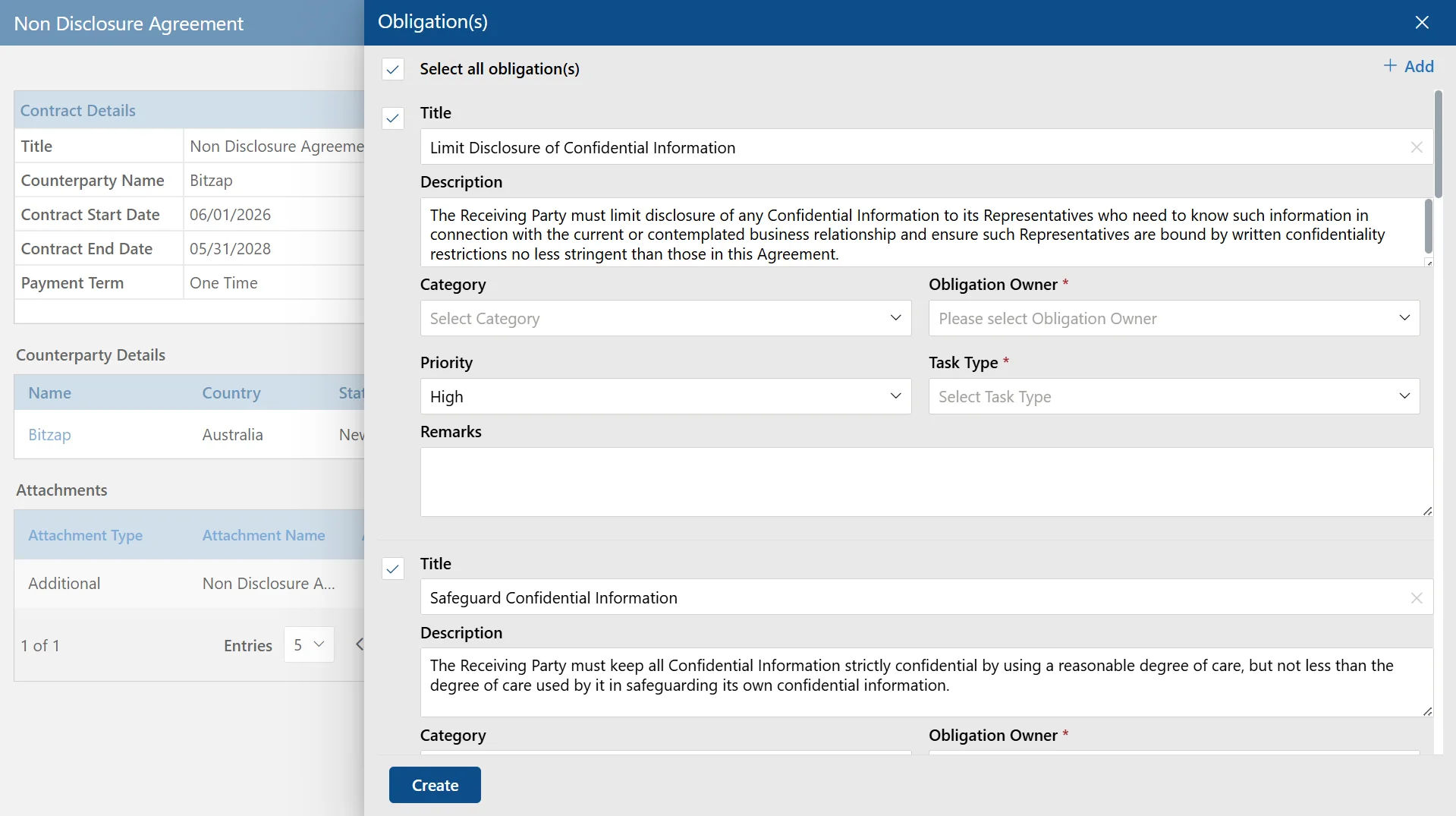
When several people share work without a clear lead, each person may assume someone else is handling it. A defined contract ownership can track progress and follow up with the appropriate team. This does not remove the duties of other employees. Instead, it creates a central point of contact for the overall business outcome.
Contract Ownership in Small, Medium, and Large Businesses
The way companies assign ownership often depends on their size, team structure, and number of active agreements.
Small Businesses
In smaller companies, the founder or operations manager may oversee most agreements. This approach works when the number of documents is limited. However, as the company grows, relying on one person’s memory becomes risky. Even a basic contract ownership register can help track active relationships and upcoming actions.
Medium Businesses
Growing companies often divide agreements among sales, HR, IT, finance, and purchasing teams. At this stage, contract handover becomes more important because employees may change departments or leave the organization.
Large Businesses
Enterprise organizations may manage thousands of agreements across business units and regions. A single central team cannot handle every operational detail. Instead, companies often assign business owners while legal and other specialist teams provide support.
The goal remains the same at every company size: every agreement should have someone clearly responsible for its progress.
Risks of Poor Contract Ownership
When companies fail to assign clear owners, small management gaps can turn into financial losses and operational problems.
- Unexpected Renewal Costs: Contracts may renew automatically because nobody tracks contract renewal process or cancellation deadlines.
- Delayed Business Decisions: Unclear ownership can delay approvals, pricing decisions, and responses to supplier requests.
- Weak Vendor Performance Tracking: Without regular reviews, businesses may overlook poor service, missed targets, and opportunities to negotiate better terms.
- Lost Knowledge During Employee Changes: Important contract details may get lost when employees leave or transfer responsibilities.
- Poor Financial Planning: Missing contract records make it harder to forecast spend, plan budgets, and track future payments.
- Limited Management Visibility: Leaders may struggle to identify contracts that need attention or measure whether agreements deliver the expected results.
What Factors Should Businesses Consider Before Assigning Contract Ownership?
Choosing the right owner matters as much as making the assignment itself. Companies should select someone who understands the business relationship and has enough time and authority to manage it.
Department Involvement
Assign contracts to the department that uses the product or service most often. For example, IT can manage software agreements, while HR can oversee employee training contracts. This helps keep contract management close to daily business activities.
Business Knowledge
Choose someone who understands the contract’s purpose, expected results, and business requirements. This knowledge helps the owner identify contract risks, track performance, and assess whether the agreement delivers value.
Decision-Making Authority
Contract owners should have enough authority to handle routine tasks, communicate with vendors, and resolve minor issues. Clearly define which decisions they can make independently and which require approval from senior management.
Available Workload
Consider the employee’s existing responsibilities and the time needed to review contracts, track deadlines, and follow up on pending tasks. Assigning too many contracts to one person can lead to missed renewals and delayed actions.
Risk and Financial Value
Match the owner’s experience and level of oversight to the contract’s financial value, complexity, and potential risks. High-value agreements may require frequent performance reviews, closer financial monitoring, and support from legal or finance teams.
Cross-Department Communication
Some contracts involve several departments, such as IT, finance, legal, and procurement. Choose an owner who can coordinate with these teams, share updates, and follow up on responsibilities to prevent delays and confusion.
Backup Ownership and Staff Changes
Identify a backup owner for important agreements and document key details, contract deliverables, vendor agreements, pending tasks, and previous decisions. This helps the next owner take over responsibilities without losing important information.
How CLM 365 Helps Manage Contract Responsibilities and Key Deadlines?
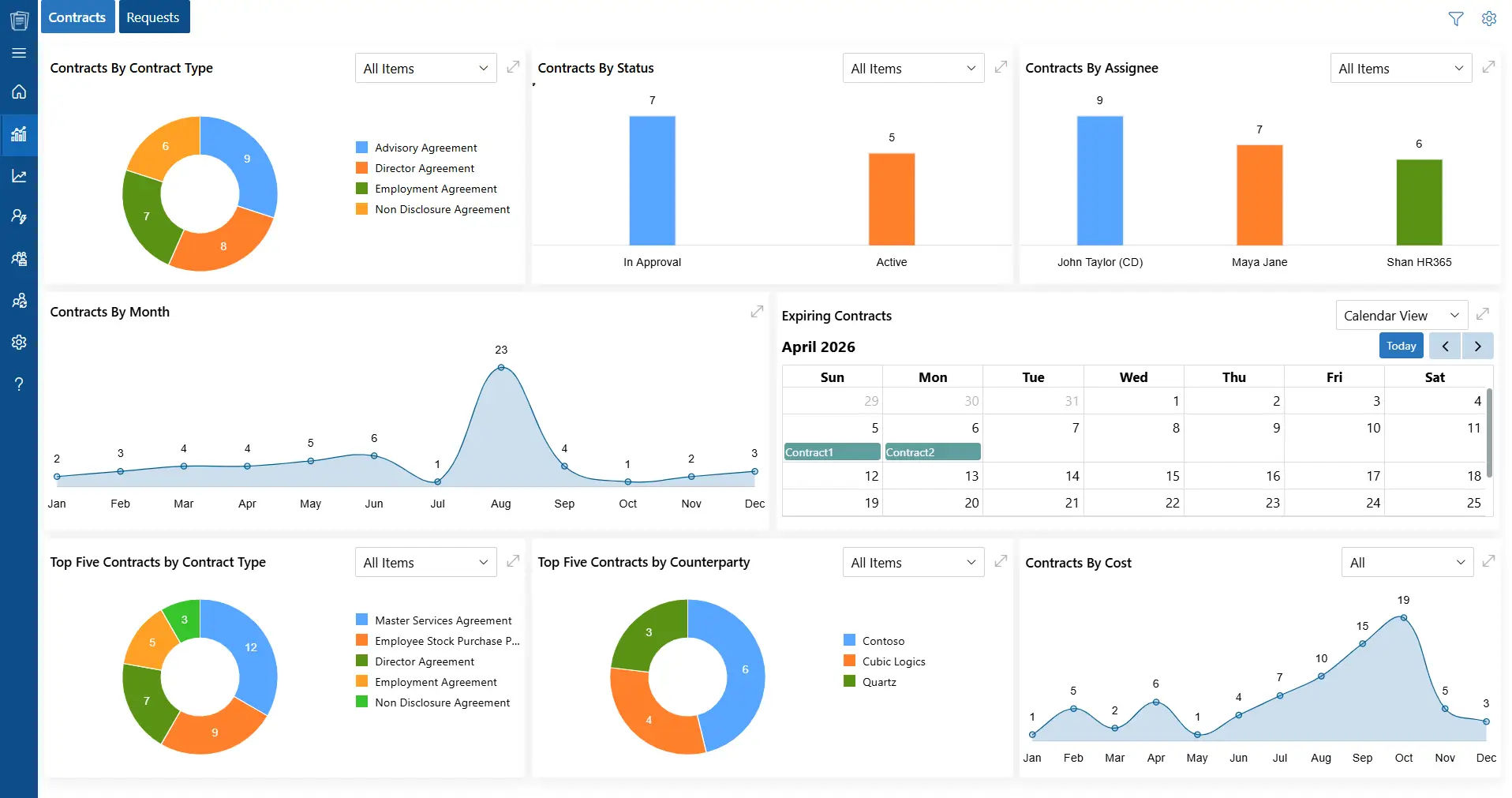
Managing agreements through emails, spreadsheets, and separate folders makes it difficult to know who is handling each activity. It is SharePoint contract management helps businesses organize their agreements, track assigned work, and monitor important dates within the Microsoft 365 environment.
Instead of searching through multiple systems, employees can access relevant documents and follow their assigned activities from a shared platform.
- Central Contract Repository: Store signed agreements and related documents in one organized location. Owners can find the information they need without searching through scattered folders.
- Obligation Management: Assign activities to responsible employees, set due dates, and track completion. This supports contract delegation while keeping work visible to the relevant teams.
- Automated Renewal Reminders: Receive alerts with contract reminders before expiration and renewal dates. Owners get time to review business needs and prepare the next action.
- Automated Workflows: Route documents through defined review and authorization steps. Teams can follow the required process without relying entirely on manual emails.
- Role-Based Access: Control which employees can view or work with specific agreements based on their assigned roles. This helps protect sensitive business information.
- Contract Status Tracking: View where agreements stand in their lifecycle and identify work that still needs attention.
- Microsoft 365 Integration: Work with familiar tools such as SharePoint, Microsoft Teams, and Outlook, helping employees access contract-related information within their existing workspace.
- Reporting and Visibility: Use contract information and activity reports to review progress, identify upcoming actions, and support management decisions.
These capabilities help businesses connect each agreement with the people and activities involved. They also make it easier for managers to identify gaps before they affect business operations.
Conclusion
Contract ownership gives businesses a clear way to manage agreements after signing. By assigning the right people, tracking important dates, and keeping teams informed, companies can reduce missed activities, control costs, and build stronger business relationships.
As the number of agreements grows, manual tracking becomes harder. A central management system can help employees stay informed about their work and give leaders a better view of contract activity.
Take control of your contracts with CLM 365. Organize documents, manage assigned tasks, and track key dates from one platform.
Frequently Asked Questions
When should contract ownership be assigned?
Ownership should ideally be defined during contract preparation or approval, before the agreement is signed. This allows the responsible person to understand the commitments and prepare for implementation.
Can one person own multiple contracts?
Yes. One person can manage multiple agreements if they have enough time, relevant knowledge, and access to the required information.
How are contracts assigned based on department or contract type?
These rules help businesses assign contracts to the right people based on departments, contract types, business units, or predefined workflows.
Can owners track contract expiry dates?
Yes. Expiry tracking helps owners identify agreements approaching their end dates and take the necessary action before the contract expires.
How do contract expiry alerts help owners manage agreements?
Expiry alerts notify contract owners about approaching end dates, giving them time to review terms, discuss renewals, or initiate termination before the deadline.