

Paddle alternatives are worth a look when fees, tax rules, or billing limits start to slow your SaaS growth. Paddle charges 5% plus 50 cents per transaction, which is simple at first but gets costly as sales grow.
Some tools take over tax and compliance like Paddle does. Others give you more control over billing, invoices, and revenue reports. This guide compares six of them in plain words, so you can pick the one that fits your team. For each tool, you will see what it does, its top features, its main benefits, and the key numbers to know.
- Paddle works well for global tax handling, but its flat fee can become expensive as your volume grows.
- Merchant of record tools own your tax duties, while billing platforms give you more control over plans and invoices.
- Revenue365 suits Microsoft 365 teams that want billing, invoicing, and revenue tracking in one place.
- Compare fees, tax coverage, billing flexibility, and reporting before you move from Paddle
Why Teams Look for Paddle Alternatives
Most teams do not leave Paddle because it is bad. They leave because their needs change. A startup wants simple tax handling. A growing company wants lower fees, custom invoices, and clear revenue reports.
The most common reasons are:
- Cost at scale: A percentage fee on every sale adds up fast.
- Limited billing control: Complex plans, usage billing, and custom contracts can be hard to set up.
- Customer ownership: A merchant of record sits between you and your buyer.
- Reporting gaps: Finance teams often need deeper revenue and renewal data.
A simple example: a company selling a $20 plan pays $1.50 per sale to Paddle. That feels fine at 100 sales. At 10,000 sales a month, it becomes a large line in the budget, and many teams start asking if there is a better fit
Best Paddle Alternatives
|
Alternative |
Integrations |
Free Trial |
|
Revenue 365 |
SharePoint, MS Teams, Outlook, Power BI, Power Automate |
Yes |
|
Recurly |
PayPal, Stripe, QuickBooks and Salesforce |
Yes |
|
Chargebee |
Salesforce, HubSpot, NetSuite, QuickBooks |
14 days |
|
Recurly |
Salesforce, HubSpot, NetSuite, QuickBooks |
30 days |
|
FastSpring |
Salesforce, Mailchimp, Google Analytics, Zapier |
Customized |
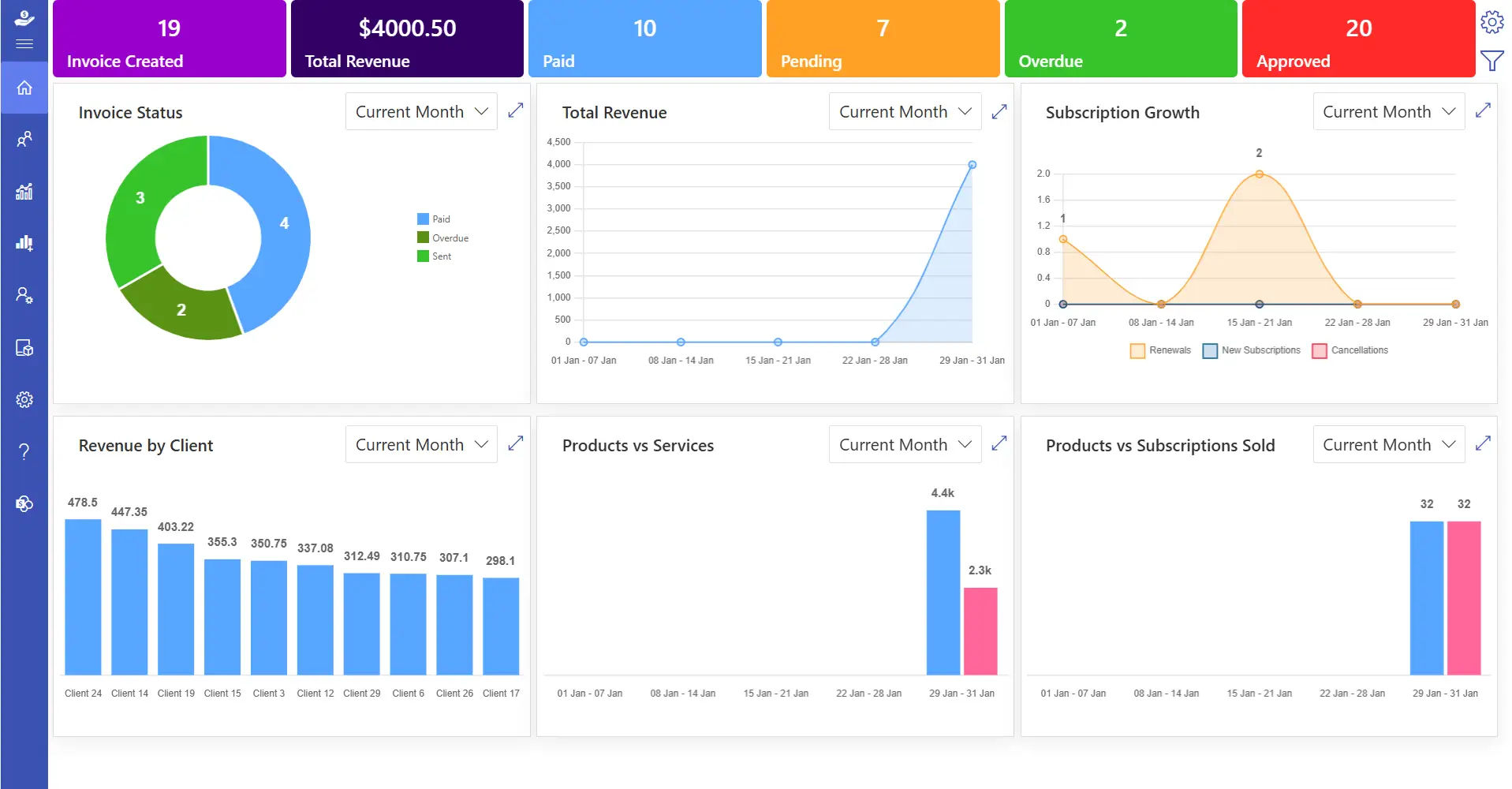
Revenue365 is a billing and revenue management app from Apps365. It is built natively on Microsoft 365 and SharePoint, so finance and sales teams work in a space they already know. It covers quoting, recurring billing, tax, and reporting without a separate tool for each step. This keeps your sales, billing, and finance data in sync from the first quote to the final invoice.
Unlike a merchant of record, Revenue365 gives you full control of your customer relationship and billing rules. It also connects with Microsoft Teams, Outlook, Power BI, and Power Automate, so approvals and updates stay in your daily workflow.
Key features
- Recurring billing and invoicing with automated reminders
- Subscription upgrades, downgrades, and renewal tracking
- Flexible multi-region tax management and revenue reporting
Benefits
- Fewer manual billing tasks for your team
- Quotes and billing live in one platform, so no handoff errors
- Clear view of payments, renewals, and revenue
- Data stays inside your Microsoft 365 environment
- Faster approvals through Teams and Outlook
Key metrics: Built natively on Microsoft 365 | Trusted by 7,100+ businesses across 152 countries | Available on Azure Marketplace
Not sure which model fits your team?
See how Revenue365 handles billing, invoices, and renewals in one place.
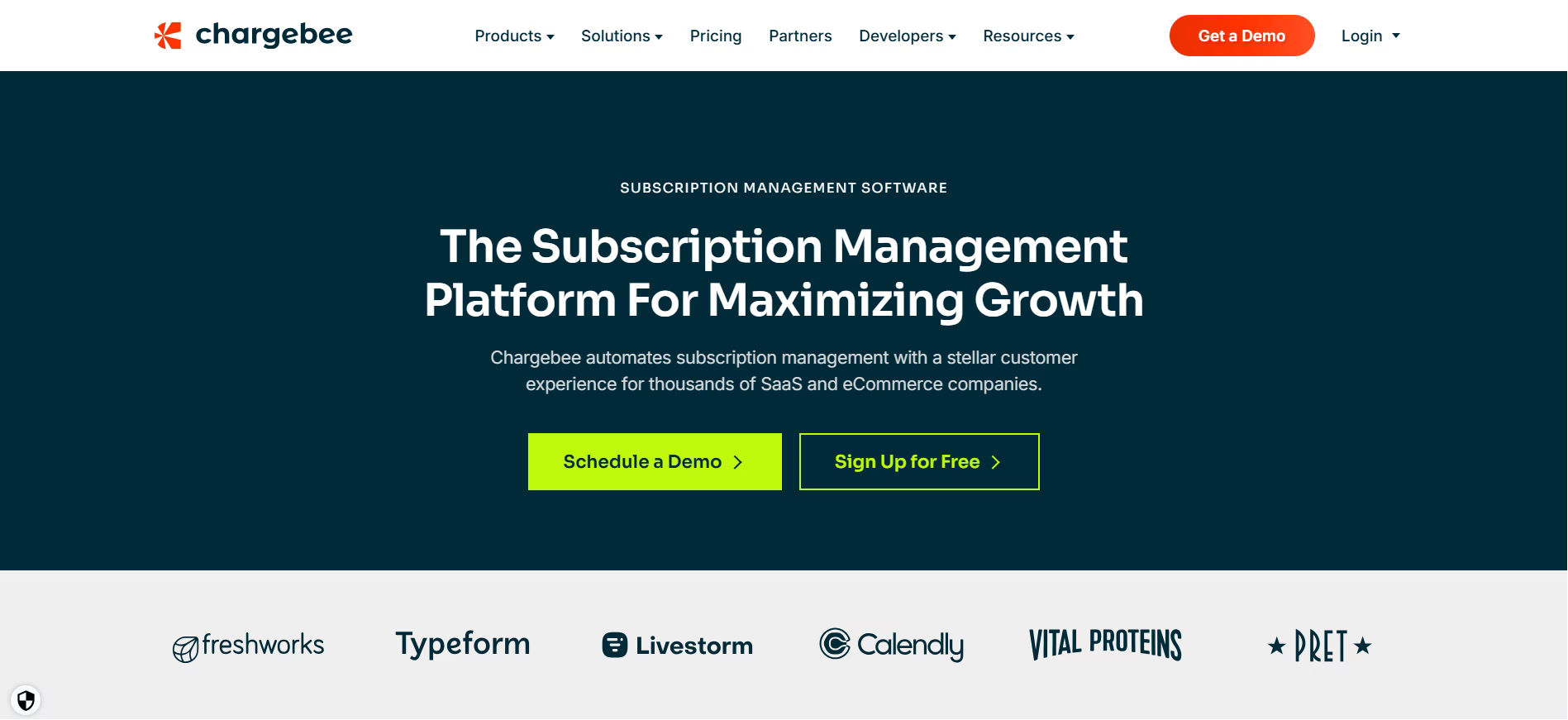
Chargebee is a subscription billing and revenue platform made for recurring businesses. It helps teams manage plans, pricing, invoices, and renewals from one dashboard.
It does not act as a merchant of record, so you keep control of your payment gateway and tax setup. This makes it a strong pick for companies that outgrew Paddle and want more flexible billing models. It also suits teams that sell through sales reps and need custom contracts.
Key features
- Flexible plans, coupons, and usage-based pricing
- Automated invoicing and dunning for failed payments
- Revenue recognition and subscription analytics
Benefits
- Supports complex pricing without custom code
- Works with many payment gateways
- Recovers more failed payments automatically
- Gives finance teams cleaner revenue data
- Scales from startup to enterprise
Key metrics: Billing-focused, not an MoR | Works with multiple payment gateways | Free starter tier available (confirm current limits)
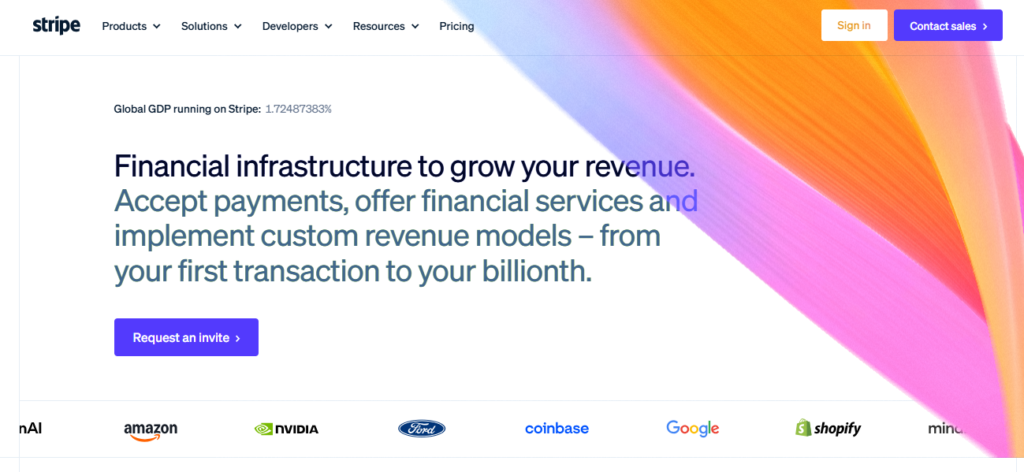
Stripe Billing sits on top of Stripe’s payment network. It lets you create subscriptions send invoices, and handle usage-based charges with a developer-friendly API.
You manage tax rules yourself or add Stripe Tax. For teams with developers, this gives deep control at a lower cost than a percentage-based MoR fee. You build the checkout you want, and you own the customer experience end to end.
Key features
- Subscription, invoicing, and metered billing tools
- Customer portal for self-service plan changes
- Strong API and wide payment method support
Benefits
- Full control over checkout and customer data
- Pay-as-you-go pricing without monthly commitments
- Easy to connect with other Stripe products
- Large developer community and documentation
- Fast to launch for technical teams
Key metrics: Billing engine, not an MoR | Pay-as-you-go pricing on billing volume | Best for teams with developer support

Recurly is a subscription management platform built for businesses that depend on recurring revenue. It focuses on reducing churn and keeping payments running smoothly.
Like Chargebee, it is a billing engine and not a merchant of record. Teams choose it when payment recovery and subscriber retention matter most. It works well for companies with large subscriber bases, where even a small drop in churn adds up to real revenue.
Key features
- Subscription plan and pricing management
- Smart payment retry and churn reduction tools
- Reporting on revenue, churn, and growth
Benefits
- Recovers revenue lost to failed cards
- Keeps pricing changes simple
- Gives clear subscription metrics
- Fits consumer and business subscription models
- Reduces manual billing follow-ups
Key metrics: Subscription-focused platform | Quote-based pricing | Strong in payment recovery and retention

Lemon Squeezy is a merchant of record built for software, digital products, and indie sellers. It handles checkout, tax, and payments in a simple setup. Most small teams can launch a paid product in a short time without a developer.
It is the closest match to Paddle’s model. Note that Stripe acquired Lemon Squeezy in 2024, and the team has talked about moving users toward Stripe’s own MoR product, so check its current roadmap.
Key features
- Merchant of record with global tax handling
- Built-in storefront and license key support
- Subscription and one-time payment options
Benefits
- Very fast setup for small teams
- No monthly fee
- Tax filing handled for you
- Good fit for software and digital downloads
- Simple dashboard with little training needed
Key metrics: 5% + 50¢ per transaction | Extra fees apply for some payment types | MoR model
FastSpring operates as a Merchant of Record for SaaS and digital product companies selling internationally, taking on tax collection, compliance, and fraud prevention on the seller’s behalf. That coverage matters most for independent software vendors and digital product creators who don’t have an in-house team to manage global tax obligations.
Key Features:
- Merchant of Record coverage for global tax collection, compliance, and fraud prevention
- Branded checkout and subscription storefronts with localized language and currency support
- Full subscription lifecycle management including upgrades, downgrades, pauses, and cancellations
Benefits:
- Sell globally without registering for tax in every country you operate in
- Reduce fraud exposure since FastSpring carries Merchant of Record liability
- Launch localized checkout experiences without separate regional builds
How to Choose the Right Paddle Alternative
Start with one question: do you want someone else to own your tax duties?
If yes, look at Lemon Squeezy or FastSpring. If you want control over plans, invoices, and customer data, look at a billing platform.
Next, check your team. Developer-heavy teams often like Stripe Billing. Finance-led teams that live in Microsoft 365 often prefer Revenue365. Then compare fees at your real sales volume, not just the starting price. Finally, ask about reporting, migration help, and support, because these affect how smooth your first three months will be.
Use this quick checklist before you switch:
- Tax duty: Do you want the vendor to file tax for you, or will your team do it?
- Total cost: Add platform fees, payment fees, and tax tools at your real volume.
- Billing needs: Check support for usage billing, custom contracts, and plan changes.
- Reporting: Make sure finance can see renewals, churn, and recognized revenue easily.
- Migration: Ask how customer data, plans, and payment methods will move over.
- Integrations: Confirm the tool works with your CRM, accounting, and team apps.
Conclusion
Revenue365 stands out for teams that already work in Microsoft 365. It brings quoting, billing, tax, and revenue reporting into one place, so your team spends less time on admin and more time on growth. Review your volume, tax needs, and team skills, and then choose the tool that fits. A short trial or demo with real invoices will tell you more than any feature list.
For most businesses, Revenue 365 is the most practical place to start. It handles the full subscription billing lifecycle, runs natively inside Microsoft 365, needs no technical setup team, and comes with a free trial before any commitment. For consumption-based pricing, Togai is the clear specialist. For global tax compliance without the overhead, Paddle or FastSpring takes that problem off your plate entirely. For enterprise-scale complexity, Zuora delivers the depth required
Want a simpler way to manage recurring billing and renewals?
Try Revenue365 and see the difference.
Frequently Asked Questions
It depends on your needs. Lemon Squeezy and FastSpring are closest if you want a merchant of record. Revenue365, Chargebee, Stripe Billing, and Recurly suit teams that want more billing control.
Yes. Paddle is the legal seller of your product, so it collects and pays sales tax and VAT for you.
Some are. Billing platforms often charge on billing volume or a plan fee instead of a percentage of each sale. But you may need to handle tax yourself, so compare the full cost.
Most teams pick one model. If you move to a billing platform, plan how you will handle tax, payments, and customer data on your own.
It takes planning. You need to move customer records, plans, and payment details. Pick a vendor that offers migration help and test with a small group first.
Revenue 365 is purpose-built for Microsoft 365. It connects natively with Teams, SharePoint, Outlook, and Power BI — giving your team full billing visibility without leaving the tools they already use every day.