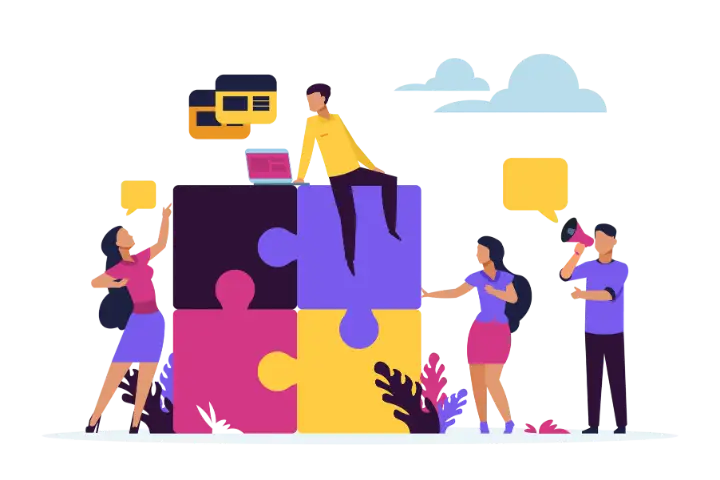

Team building activities are planned exercises that help coworkers get to know each other, trust each other, and solve problems together
Companies use them to improve teamwork, lift morale, and make daily work smoother. This guide shares 24 easy ideas for office, outdoor, remote, and new-hire teams.
- Team building activities improve trust, communication, and teamwork, which leads to better results at work.
- The best activities match your team’s size, location, and goals. A simple 15-minute game can work as well as a full-day event.
- Indoor, outdoor, and virtual formats all work. Remote teams can build strong bonds with the right online games.
- New hires settle in faster when team activities are part of their first weeks, not an afterthought
What Are Team Building Activities?
Team building activities are games, challenges, and group tasks that bring coworkers together outside their normal work. They can be quick, like a five-minute icebreaker, or long, like a full-day retreat. The goal is always the same: help people understand each other so they work better as one team.
Companies run these activities in many forms, such as indoor games, outdoor events, and online sessions for remote teams. Some focus on fun, while others focus on skills like problem solving, communication, and leadership. The best ones are simple, easy to join, and suit the size and needs of your team.
Want every new hire to join a team activity in week one?
Why Do Team Building Activities Matter?
Companies use these activities because strong teams get more done. When people trust each other, they share ideas more freely, ask for help sooner, and solve problems faster.
Indoor Team Building Activities for the Office
Indoor activities are easy to plan, cost little, and fit into a normal workday. They work well for most companies because they need no travel and very few supplies. These six ideas suit teams of different sizes.
Two Truths and a Lie
Each person shares three facts about themselves, and two are true. The rest of the team guesses which one is false. This game takes about 15 minutes and helps coworkers learn surprising things about each other. It works well for new teams and for teams that rarely talk outside of tasks.
Office Trivia Challenge
Split the team into small groups and ask questions about your company, your industry, or general topics. Add points and a small prize to keep it fun. Trivia mixes people from different departments and gives quiet team members a chance to shine without pressure.
Marshmallow Tower Challenge
Give each group spaghetti sticks, tape, string, and one marshmallow. They must build the tallest tower that holds the marshmallow on top. The task shows how people plan, share ideas, and handle mistakes. Afterward, talk about what worked and what the team would change.
Escape Room Challenge
Teams solve puzzles and find clues to “escape” a locked room before time runs out. You can book a local venue or run a simple paper version in your office. Escape rooms push people to listen, divide tasks, and trust each other’s skills under light pressure.
Lunch and Learn Sessions
Invite team members to teach a short skill over lunch, such as a hobby, a work tip, or a recipe. This turns ordinary lunch breaks into learning moments. People also see coworkers in a new light, which builds respect across roles and departments.
Office Scavenger Hunt
Hide small items or list clues around the office and let teams race to find them. The hunt gets people moving and talking. You can add questions about company history or values so the game also teaches something useful about the workplace.
Want to plan team activities without chasing people on chat?
Employee Onboarding 365 helps HR assign tasks and track every team activity inside Microsoft 365.
Indoor Team Building Activities for the Office
Indoor activities are easy to plan, cost little, and fit into a normal workday. They work well for most companies because they need no travel and very few supplies. These six ideas suit teams of different sizes.
Two Truths and a Lie
Each person shares three facts about themselves, and two are true. The rest of the team guesses which one is false. This game takes about 15 minutes and helps coworkers learn surprising things about each other. It works well for new teams and for teams that rarely talk outside of tasks.
Office Trivia Challenge
Split the team into small groups and ask questions about your company, your industry, or general topics. Add points and a small prize to keep it fun. Trivia mixes people from different departments and gives quiet team members a chance to shine without pressure.
Marshmallow Tower Challenge
Give each group spaghetti sticks, tape, string, and one marshmallow. They must build the tallest tower that holds the marshmallow on top. The task shows how people plan, share ideas, and handle mistakes. Afterward, talk about what worked and what the team would change.
Escape Room Challenge
Teams solve puzzles and find clues to “escape” a locked room before time runs out. You can book a local venue or run a simple paper version in your office. Escape rooms push people to listen, divide tasks, and trust each other’s skills under light pressure.
Lunch and Learn Sessions
Invite team members to teach a short skill over lunch, such as a hobby, a work tip, or a recipe. This turns ordinary lunch breaks into learning moments. People also see coworkers in a new light, which builds respect across roles and departments.
Office Scavenger Hunt
Hide small items or list clues around the office and let teams race to find them. The hunt gets people moving and talking. You can add questions about company history or values so the game also teaches something useful about the workplace.
Company events take many small steps to pull off.
Use Employee Onboarding 365 to give every step an owner and a reminder, so nothing slips.
Outdoor Team Building Activities for Company Events
Outdoor activities give teams fresh air and a break from screens. They suit half-day or full-day events and work well for groups who want more energy and movement. Check the weather and plan a backup option before the event.
Team Sports Day
Organize friendly games such as relay races, tug of war, or small football matches. Mix people from different teams so new connections form. Keep the mood light and the rules simple so everyone can join, no matter their fitness level.
Treasure Hunt in the Park
Teams follow clues around a park or campus to find a hidden prize. Each clue needs a small puzzle or task. This activity builds planning skills and teamwork, and it feels more like a fun outing than a work exercise.
Group Hiking Day
A shared hike gives coworkers time to talk in a relaxed setting. Pick an easy trail that suits all fitness levels. Walking side by side often leads to better conversations than sitting across a meeting table.
Cooking Competition
Teams cook a dish together from the same set of ingredients and present it to judges. Cooking needs clear roles, good timing, and open talk. Everyone gets to enjoy the results afterward, which makes it a great way to end a busy week.
Volunteer Day
Spend a day helping a local charity, such as cleaning a park or packing food boxes. Working for a shared cause builds pride and a stronger bond. Many employees also say they feel more connected to a company that gives back.
Outdoor Obstacle Course
Set up cones, ropes, and simple stations that teams must finish together. Add rules like “no talking” at one station to test other ways of communicating. The course shows who leads, who supports, and how the group solves problems.
Company events take many small steps to pull off.
Best Virtual Team Building Activities for Remote Teams
Remote and hybrid teams often miss the casual chats that happen in an office. Virtual activities fill that gap. They work best when they are short, easy to join, and held at a time that suits every time zone.
Virtual Coffee Chats
Pair two coworkers for a 15-minute video call with no work agenda. They can talk about hobbies, weekend plans, or favorite shows. Rotating pairs each week helps people meet colleagues they would never work with otherwise.
Online Trivia and Quiz Games
Use a free quiz tool to host live trivia on video. Teams answer in breakout rooms and compete for a small prize. Quizzes are easy to run, work for large groups, and give remote teams something fun to look forward to.
Virtual Escape Rooms
Teams solve online puzzles together within a set time limit. Each person sees different clues, so they must share information to win. This builds communication and trust, even when everyone is in a different city.
Show and Tell Sessions
Each person brings one item from their home workspace or a favorite object and explains why it matters. It is a simple way to share personal stories. Remote teammates often feel closer after seeing a small part of each other’s lives.
Online Game Hours
Pick a simple game like Pictionary, Wordle races, or a multiplayer puzzle. Keep the sessions to 30 minutes and make them optional. Light play helps people relax, laugh together, and feel part of a team even from far away.
Virtual Team Challenges
Run a month-long challenge, such as a step count goal, a reading goal, or a photo contest. Share progress in a team chat channel. Small daily wins keep the team talking and give remote workers a shared goal outside regular tasks.
Want remote hires to feel part of the team from day one?
See how Employee Onboarding 365 helps new remote employees meet their team through simple tasks and checklists.
Team Building Activities for New Hires and Small Teams
New hires often feel unsure in their first weeks. Team activities help them meet coworkers, learn the culture, and feel welcome sooner. Small teams can also use these ideas to stay close as they grow.
Welcome Lunch With the Team
Host a relaxed lunch on the new hire’s first or second day. Keep the talk light and let the new person share as much as they want. A warm welcome like this lowers first-day stress and helps the new hire feel valued from the start
Buddy Pairing Program
Match every new hire with an experienced coworker who answers questions and shares tips. The buddy becomes a friendly face in a new place. This simple step helps new employees learn faster and ask questions they might feel shy to raise with a manager.
Team Interview Game
Ask coworkers to prepare fun questions for the new hire, like “What was your first job?” The new person answers and then asks their own. It breaks the ice and gives everyone a chance to learn about the newest team member
Shadow a Teammate Day
Let a new hire spend a few hours following someone from another team. They see how different roles connect and who to go to for help. This also helps teams understand each other’s work, which reduces confusion later.
First-Month Team Challenge
Give a small mixed team a short project in the first month, such as planning a team lunch or a mini event. Working on a shared goal helps new hires bond quickly. It also shows how the team makes decisions.
Monthly Team Check-In Games
Start every monthly meeting with a five-minute game or a fun question. Short, regular activities keep small teams close without eating up work time. Over time, these small moments build trust and keep communication open
Conclusion
Team building activities are one of the simplest ways to build trust, improve teamwork, and make work more enjoyable. Whether you choose a short trivia game, an outdoor day, or a virtual coffee chat, the key is to keep activities fun, inclusive, and regular. Small efforts done often usually work better than one big event once a year
Strong teams start with a good first impression. When you pair team activities with a clear process for welcoming new employees, people settle in faster and stay longer. Start small, ask your team for feedback, and keep improving. A connected team is a stronger and happier team.
Ready to make your next employee return a smooth one?
Start your re-onboarding plan today and give every returning team member a confident restart.
Frequently Asked Questions
How often should companies do team building activities?
Short activities work best when done weekly or monthly, such as a quick game at the start of a meeting. Larger events, like outdoor days or retreats, can happen once or twice a year. Regular small activities keep the bond strong.
What are some quick team building activities for work?
Two Truths and a Lie, virtual coffee chats, and short trivia rounds take only 10 to 20 minutes. They need little planning and fit into a busy day. These are good picks when your team has limited time.
How do you run team building activities for remote teams?
Keep sessions short, schedule them at a time that works across time zones, and make them optional. Use video calls for games like trivia, online escape rooms, and show and tell. Share the results in a team chat to keep the fun going.
Why are team building activities important for new employees?
New hires often feel unsure about the culture and who to ask for help. Team activities let them meet coworkers in a relaxed setting and feel welcome sooner. This helps them learn faster and increases the chance they stay with the company.
How much do team building activities cost?
Costs depend on the activity. Simple games like trivia and virtual coffee chats are free or low cost, while outdoor events and escape rooms cost more because of venues and supplies.