

A stock purchase agreement (SPA) is a legal contract that sets the terms for buying or selling shares in a company. It defines contract obligations will transfer from the seller to the buyer and outlines each party’s rights and responsibilities.
- A stock purchase agreement sets the terms for transferring company shares from a seller to a buyer.
- The agreement covers important details such as price, shares, responsibilities, closing conditions, and protections.
- The transaction typically moves through due diligence, negotiation, drafting, approvals, signing, and closing.
- Effective management helps teams track documents, approvals, deadlines, and ongoing obligations throughout the transaction.
Unlike an asset purchase agreement, an SPA transfers ownership of a company through its shares.
An asset purchase agreement transfers selected assets, such as equipment, intellectual property, or customer information, without transferring ownership of the company itself.
This guide covers what an SPA is, when it is used, how it differs from other agreements, and the key terms it typically includes.
What is a Stock Purchase Agreement?
A stock purchase agreement (SPA) is a legal contract used when shares of a company are sold from one party to another. It explains what is being sold, how much the buyer will pay, and what both sides agree to do during the transaction.
It usually covers important details such as:
- Share price: The agreed amount the buyer will pay for the shares.
- Transaction timeline: The key dates, deadlines, and steps needed to complete the deal.
- Risks and responsibilities: What happens if unexpected issues arise before or after the sale.
- Conditions of the deal: Requirements that must be met before the transaction can close.
In simple terms, an it gives both the buyer and seller a clear understanding of the deal and helps prevent contract disputes over what was agreed.
Example of Stock purchase agreement
- Founder exit: A founder sells 20% of the company to another founder for $200,000. The agreement covers the shares being transferred, payment terms, and closing date.
- New investment: An investor puts $500,000 into a startup in exchange for 10% ownership. The document records the investment amount, share price, and ownership received.
- Business acquisition: Company A buys 100% of Company B’s shares for $5 million. The agreement sets out the purchase price, closing conditions, and transfer of ownership.
- Employee share sale: An employee sells their company shares after leaving, with the agreed value and transfer details documented.
- Shareholder buyout: One shareholder buys another’s stake, increasing their ownership in the business.
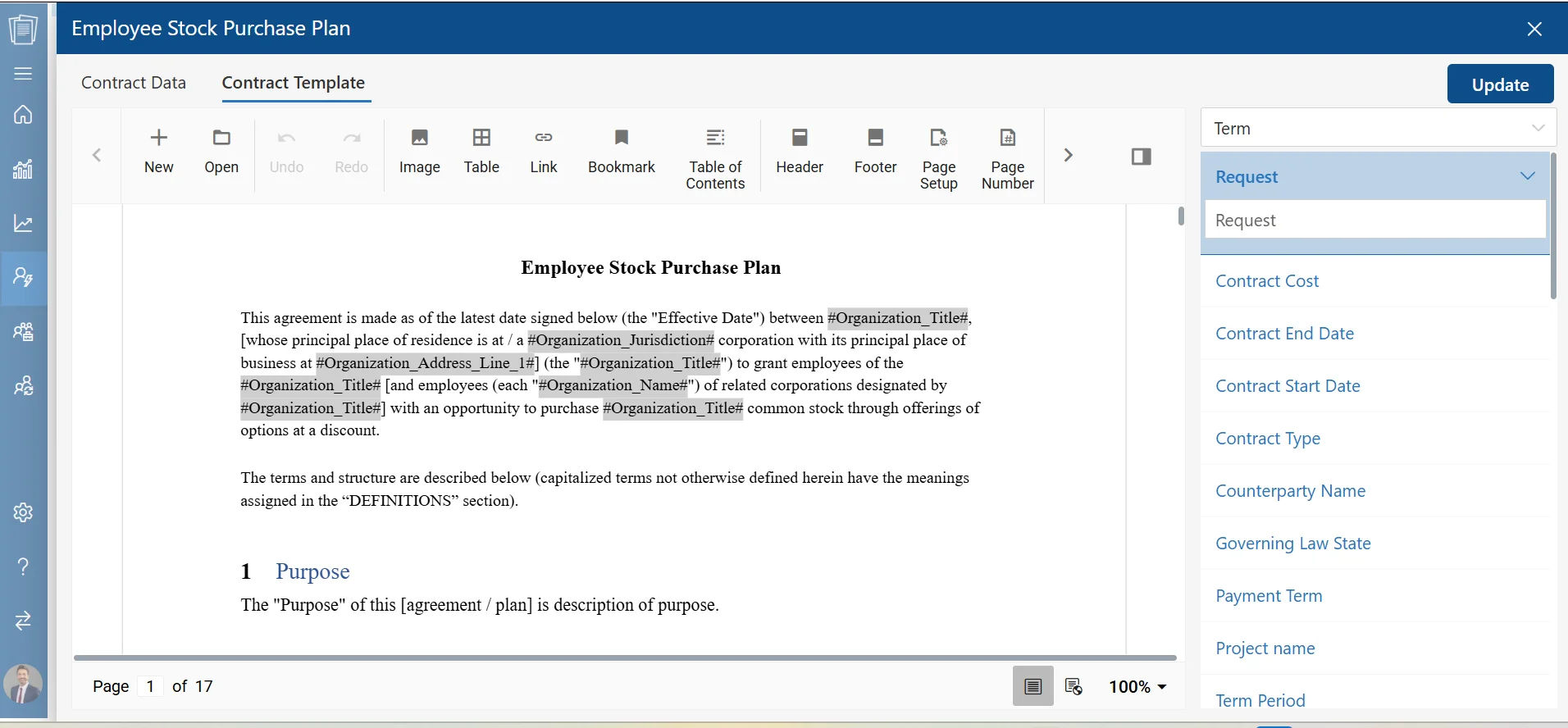
Employee Stock Purchase Template
Stock Purchase vs. Asset Purchase: What’s the Key Difference
The main difference is what the buyer takes over: ownership of the company itself or only selected assets.
Factor | Stock Purchase | Asset Purchase |
What is bought? | The buyer acquires shares and takes ownership of the company. | The buyer selects specific assets from the business. |
What transfers? | Assets, contracts, employees, and existing obligations generally remain with the company. | Only the assets and rights listed in the deal are transferred. |
Liabilities | The buyer generally takes on the company along with its existing liabilities. | The buyer can generally choose which liabilities to assume. |
Legal entity | The company continues to operate under the same legal entity with new owners. | The seller’s company usually remains separate after the sale. |
Example | Buying 100% of a company’s shares for $5 million. | Buying equipment, software, and customer contracts for $3 million without acquiring the company itself. |
Key Clauses in a Stock Purchase Agreement
A stock purchase agreement covers the important details of the deal, from the shares being sold to what happens if something goes wrong.
- Purchase Price: States how much the buyer will pay and when the payment will be made.
- Shares Being Sold: Clearly identifies the number and type of shares being transferred.
- Closing Date: Specifies when the sale will be completed and ownership will change.
- Company Information: Confirms important details about the company, such as its finances, ownership, contracts, and operations.
- Buyer and Seller Responsibilities: Explains what each side needs to do before and after the sale.
- Existing Debts and Issues: Clarifies who will be responsible for known debts, claims, taxes, or other problems.
- Protection Against Losses: Explains who pays if incorrect information or an undisclosed issue causes a financial loss.
- Confidentiality: Sets rules for protecting private business and deal information.
- Ending the Deal: Explains when the parties can walk away from the transaction and what happens afterward.
- Dispute Handling: Explains how the parties will resolve disagreements if they arise.
Stock Purchase Agreement Process: From Negotiation to Closing
A share transaction usually moves through several stages before ownership officially changes. Each stage helps the buyer and seller confirm the deal, resolve open issues, and prepare for closing.
- Initial discussion: The buyer and seller agree on the basic terms, including the shares involved, proposed price, and overall structure.
- Due diligence: The buyer reviews the company’s financial records, ownership details, contracts, debts, and other important information to identify potential risks.
- Negotiation: Both sides discuss and negotiate key contract terms such as payment, responsibilities, closing requirements, and protections.
- Drafting and review: The agreement is prepared and reviewed by the relevant teams. Changes are made until both parties are comfortable with the terms.
- Approvals: Required internal, shareholder, regulatory, or third-party approvals are obtained before the transaction can move forward.
- Signing: Once the terms are agreed upon, the parties sign the final document.
- Closing: The buyer makes the required payment, the shares are transferred, and the agreed closing steps are completed.
- Post-closing: The teams manage any remaining payments, reporting requirements, ongoing responsibilities, or other commitments after the transaction.
Ready to manage your entire contract lifecycle in one secure place?
CLM 365 manages every stage of the contract lifecycle within Microsoft 365, with your contract data remaining within your Microsoft tenant.
Which Purchase Structure Is Right for the Deal?
The right structure depends on the objectives and priorities of both parties. Buyers typically focus on limiting unwanted obligations, while sellers often look for a straightforward transfer of ownership.
- For buyers: An asset purchase provides greater control over what they acquire. They can select specific assets, contracts, or intellectual property without necessarily taking on the entire business.
- For sellers: A stock purchase can provide a more direct exit. The seller transfers their ownership stake, while the company continues operating with its existing assets, contracts, and obligations under new ownership.
Common Challenges When Using a Stock Purchase Agreement
Buying or selling company shares involves more than agreeing on a price. Both sides need to review the deal carefully, identify risks, and agree on their responsibilities.
- Agreeing on the company’s value: Buyers and sellers may have different views on what the business is worth, making the final price difficult to settle.
- Finding hidden risks: Existing debts, tax issues, legal claims, or business obligations can affect the value of the transaction.
- Handling large amounts of information: Reviewing company records, financial details, and transaction history can become difficult when information is spread across multiple locations.
- Getting required approvals: Some deals may require approval from shareholders, regulators, lenders, or other parties before the transaction can move forward.
- Managing the transition: Changing ownership may involve updating employee records, responsibilities, access rights, and other business information.
- Protecting both parties: Buyers and sellers need clear terms that explain what happens if information is incorrect, a responsibility is missed, or an unexpected problem appears after the deal.
Practical Tips for Managing Stock Purchase Agreements
A well-managed agreement helps both sides stay organized, meet important deadlines, and avoid confusion throughout the transaction.
Keep deal documents together
Store the signed contracts, supporting documents, and related correspondence in one organized location. This makes it easier to find the information you need.
Track important dates
Record signing dates, payment deadlines, approval dates, and the planned closing date so nothing important is missed.
Maintain version history
Keep track of changes made during negotiations. This helps everyone understand which version is current and what was changed.
Assign responsibilities
Clearly identify who is responsible for providing documents, obtaining approvals, completing payments, and handling other tasks before closing.
Monitor ongoing obligations
Some commitments continue after the transaction is completed. Set reminders to track these responsibilities and their deadlines.
Protect sensitive information
Limit access to financial, ownership, and other confidential deal information to the people who need it.
Essential Steps to Draft a Contract
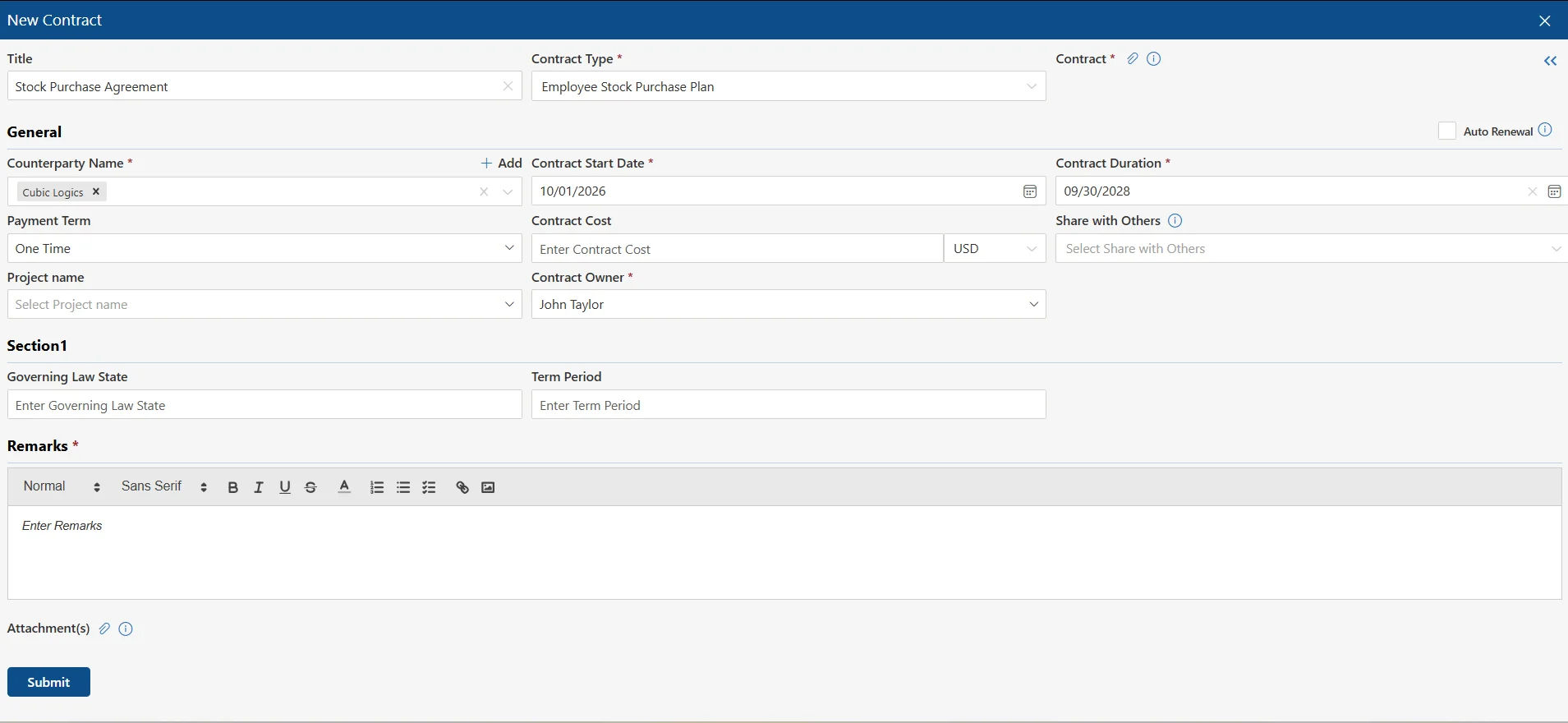
A well-drafted contract clearly sets out what each party agrees to, what they are responsible for, and what happens if things change.
- Name everyone involved: Include the correct legal names and contact details of each person or business signing the agreement.
- Explain the work: Clearly describe what will be delivered, who will do it, and any important project requirements.
- Agree on payment: State the total amount, when payments are due, how they will be made, and what happens if a payment is late.
- Set the timeline: Include the start date, completion date, and any important contract milestones or deadlines.
- Explain how the agreement can end: State when either party can terminate the contract and how much notice they need to give.
- Get signatures: Have all parties sign and date the final version to confirm that they agree to the terms.
Manage Stock Purchase Agreements Effectively
CLM 365 helps teams manage Stock Purchase Agreements from drafting to post-closing. Store agreements and related documents in one place, track revisions, manage approvals, and monitor important dates and obligations without relying on scattered files or manual follow-ups.
With a reliable system, legal and business teams can get better visibility into each agreement and stay on top of key responsibilities throughout the contract lifecycle process.
- Centralize documents: Store SPAs, amendments, approvals, and related documents in one place.
- Track revisions: Maintain a clear record of changes made during drafting and negotiations.
- Manage approvals: Route agreements to the right stakeholders and track approval status.
- Monitor key dates: Set reminders for signing, closing, payments, and other important milestones.
- Track obligations: Monitor post-closing commitments, payments, and other responsibilities.
- Work within Microsoft 365: Connect contract workflows with familiar Microsoft tools such as SharePoint, Outlook, and Teams for easier collaboration and access.
- Improve visibility: Give authorized teams a clear view of agreement status, key terms, and upcoming actions.
Conclusion
A well-drafted contract sets clear expectations around responsibilities, payments, timelines, and other important terms. Managing the agreement after signing is just as important.
SharePoint contract management helps teams organize contracts, track changes, manage approvals, monitor key dates, and stay on top of obligations throughout the contract lifecycle.
Frequently Asked Questions
How can teams track different versions of a stock purchase agreement?
Version history helps teams review previous drafts, see what changed, and identify the latest approved copy. This is especially useful when several people are involved in negotiations.
How can multiple teams collaborate on the same agreement?
Legal, finance, procurement, and business teams can review documents, share feedback, and track updates from a shared workspace. This makes collaboration easier without relying on long email threads.
Can teams set reminders for important deadlines?
Yes. Automated reminders can notify responsible users about upcoming payments, approvals, closing dates, and other important milestones. This helps teams act before deadlines are missed.
Can users assign tasks to specific team members?
Yes. Teams can assign tasks to specific users, set deadlines, and monitor progress. This makes responsibilities clearer throughout the transaction and helps avoid missed actions.
How can teams manage access to sensitive information?
Permission controls allow organizations to decide who can view, edit, or manage specific documents. This helps protect confidential information related to the stock purchase agreement while ensuring authorized users have the access they need.


























