

Expense Reimbursement: What it Is & How to manage it effectively

- Expense reimbursement is a formal process where employers pay back employees for out-of-pocket business costs and a clear policy.
- Not all expenses qualify: having a documented list of reimbursable vs. non-reimbursable costs protects both the company and its people.
- Finance teams lose hundreds of hours each year to manual receipt collection and report reviews the right tools cut that time significantly.
- Automated approval workflows, AI-powered receipt scanning, and corporate cards are the fastest way to reduce reimbursement delays.
Employee pay for flights, client dinners, and office supplies out of their own pockets trusting their employer to pay them back.
That trust, when handled well, builds loyalty. When handled poorly, it creates friction, resentment, and sometimes even turnover.
Expense reimbursement sits at the intersection of finance, compliance, and employee experience. Yet many businesses still run it through spreadsheets, paper receipts, and email chains. The result? Delayed payments, lost receipts, policy disputes, and finance teams buried in administrative work.
This guide walks you through everything: what employee expense reimbursement means, how the process works, what qualifies, and how to build a policy that works for everyone.
What Is Expense Reimbursement?
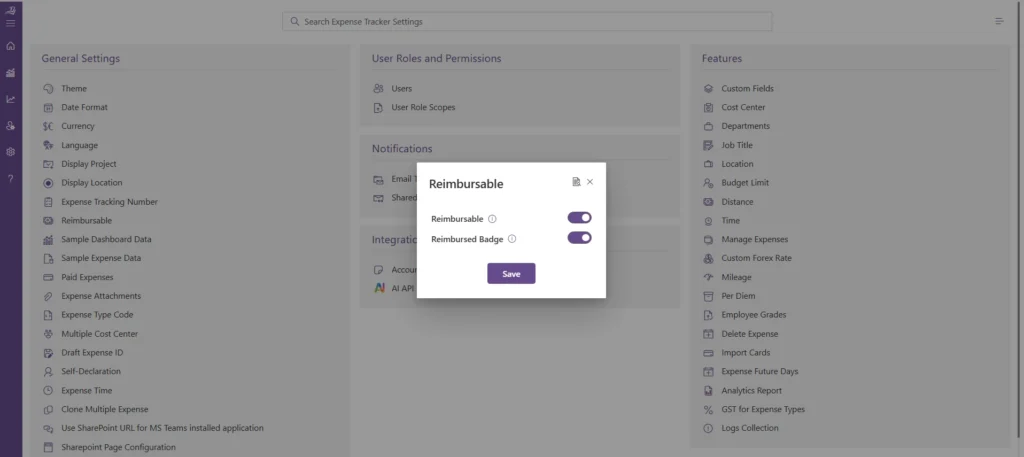
Expense reimbursement is the process by which a company pays back an employee for business-related costs they covered personally. When an employee uses their own money to pay for a work trip, a client lunch, or a required certification course, the company reimburses that amount.
It sounds simple. In practice, though, business expense reimbursement involves policy decisions, tax rules, approval chains, and documentation requirements that can get complicated fast.
There are two types of plans under IRS guidelines.
- Accountable plans require employees to document the business purpose, provide receipts, and return any excess advance. Reimbursements under this plan are not taxable.
- Non-accountable plans do not require documentation or return of excess funds. These reimbursements are treated as taxable income.
Most businesses benefit from running an accountable plan it keeps reimbursements tax-free for employees and gives the company cleaner records.
How the Expense Reimbursement Process Works?
A standard employee expense reimbursement process follows these steps:
- Employee incurs the expense: A team member pays out of pocket for a legitimate business cost, such as a hotel during a work trip or supplies for a client presentation.
- Receipt collection: The employee holds onto the receipt or takes a photo of it as proof of purchase.
- Expense report submission: The employee fills out a report listing the expense category, amount, date, and business reason, and attaches supporting documents.
- Manager review and approval: The direct manager or department head reviews the report for accuracy and policy compliance.
- Finance team verification: Finance or accounts team does a second check, especially for larger or unusual claims.
- Reimbursement payment: Once approved, the amount is processed and paid through payroll, direct bank transfer, or a dedicated reimbursement tool.
- Accounting and reconciliation: Expense is recorded in the company’s books under the correct category and cost center.
This entire cycle from expense submission to payment can take anywhere from a few days to several weeks, depending on how manual or automated the process is.
Importance of Employee Expense Reimbursement Process
A reliable expense mileage reimbursement process matters more than most businesses realize. Here is why.
It directly affects employee satisfaction
When employees wait two to three weeks for reimbursement, they start making decisions around the delay skipping small claims, avoiding trips, or carrying personal financial stress for business costs. Over time, that affects morale and retention.
It keeps the business compliant
Expense reimbursement policies help businesses stay compliant with labor laws and company regulations. In many regions, employers are required to reimburse employees for legitimate work-related expenses. Having a clear and documented process reduces the risk of disputes and helps the business avoid compliance issues or penalties.
It gives finance teams real visibility
Untracked employee spending distorts budgets and project costs. When reimbursements go through a formal channel, the finance team sees where money is going.
It reduces fraud risk. Expense reimbursement is one of the most common vectors. A clear process with documented approvals makes abuse much harder.
Types of Expenses That Can Be Reimbursed
While every company’s policy differs, the most common categories for employee expense reimbursement include:
- Travel expenses
Flights, trains, taxis, ride-sharing services, rental cars, fuel, tolls, and parking costs incurred during business travel. Reimbursing travel expenses ensures employees are not personally bearing the cost of work-related trips and client visits. - Accommodation
Hotel stays, serviced apartments, and other lodging expenses required for overnight business travel. Companies typically reimburse reasonable accommodation costs that are necessary for employees to perform their duties away from their primary work location. - Meals and entertainment
Expenses related to business meals, client meetings, team lunches, or company-sponsored events. Clear reimbursement policies help employees understand spending limits and ensure meal expenses are properly documented. - Office supplies
Work-related purchases such as stationery, printer ink, notebooks, ergonomic accessories, and other supplies needed to perform daily tasks. These reimbursements are especially important for remote and hybrid employees who may purchase items for their home workspace. - Professional development
Training programs, certifications, workshops, conference registrations, online courses, and industry-related books. Supporting these expenses helps employees build new skills while contributing to the organization’s long-term growth. - Technology and software
Business-approved software subscriptions, productivity tools, hardware accessories, and equipment required for work. Reimbursing these costs ensures employees have access to the resources needed to remain productive and efficient. - Communication costs
Business-related phone bills, internet charges, mobile data plans, and other communication expenses. These reimbursements are particularly common for remote employees who rely on personal connections to perform their job responsibilities.
- Health and wellness
Some organizations reimburse expenses such as gym memberships, fitness programs, mental wellness apps, ergonomic equipment, or other health-related benefits. These programs support employee well-being and can contribute to higher engagement and productivity.
Difference Between Reimbursable and Non-Reimbursable Expenses
Not everything an employee pays for qualifies for reimbursement. Defining this clearly in your policy prevents disputes and audit issues.
| Aspect | Reimbursable Expenses | Non-Reimbursable Expenses |
| Business Relevance | Directly tied to a work activity or company purpose | Personal in nature, with no clear business link |
| Examples | Client dinner, business flight, conference fee | Personal vacation, gym membership (if not covered by policy), personal clothing |
| Documentation | Receipt and business purpose required | N/A — not eligible for reimbursement |
| IRS Treatment | Deductible or non-taxable under accountable plans | May be treated as taxable income if incorrectly claimed |
| Approval Required | Yes — manager or finance sign-off needed | Not applicable |
| Policy Basis | Covered under the company’s expense policy | Outside the scope of approved categories |
What Makes an Employee Expense Valid?
For an expense to qualify for reimbursement, it generally needs to meet four criteria:
What Makes an Employee Expense Eligible for Reimbursement?
Not every work-related purchase automatically qualifies for reimbursement. Before approving a reimbursement request, finance teams typically assess several key factors.
1. Clear Business Purpose
Every expense should have a legitimate business reason behind it. Employees must be able to explain how the purchase supports their job responsibilities, a company project, client engagement, or another business activity.
For example, purchasing refreshments during a meeting with a prospective client may be considered a valid business expense because it directly relates to a business objective.
2. Business Necessity
An expense may have a valid purpose, but it should also be necessary for completing work-related tasks. Finance teams often review whether the purchase was genuinely required or if the objective could have been achieved without incurring the cost.
3. Supporting Documentation
Proper documentation plays a critical role in expense validation. Receipts, invoices, booking confirmations, or payment records help verify that the transaction occurred and that the reported amount is accurate. Without supporting evidence, reimbursement requests may be delayed, questioned, or rejected based on company policy.
4. Reasonable Spending
The amount spent should be appropriate for the business purpose. Organizations often evaluate whether the cost aligns with company guidelines and represents a reasonable use of company funds.
For example, selecting a significantly more expensive travel or accommodation option when comparable alternatives were available may require additional justification before approval.
5. Personal Payment by the Employee
Reimbursement is generally intended for expenses that employees have paid using their own funds. If a purchase was made using a company-issued card, prepaid allowance, cash advance, or another company-funded payment method, it may not qualify for reimbursement because the employee did not personally incur the cost.
How to Create a Solid Expense Reimbursement Policy?
A good expense reimbursement policy is not a 20-page legal document. It is a clear, practical guide that employees can read and follow. Here is what every solid policy should cover.
- Scope and eligibility: Who does the policy apply to? Full-time employees only, or contractors too? Does it cover all departments or specific roles?
- Expense categories and limits: List the types of expenses that qualify, along with any spending caps. For example: “Domestic hotel stays should not exceed $200 per night without prior approval.”
- Approval chain: Define who approves what. A $15 coffee might not need approval. A $3,000 conference ticket probably does.
- Submission process: Explain how employees should submit claims, what documentation is required, and where to submit it (a form, a tool, or email).
- Reimbursement timeline: Tell employees when they can expect payment. Two weeks is a reasonable standard. Vague timelines create frustration.
- Non-reimbursable list: Be explicit. If alcohol, personal upgrades, or family expenses are not covered, say so clearly.
- Consequences of misuse: Employees need to know what happens when a false or inflated claim is submitted.
Challenges Faced While Managing Reimbursement
These are the real pain points finance teams and employees talk about pulled from common workplace discussions.
Delayed Approvals and Reimbursements
Lengthy approval workflows can significantly slow down the reimbursement process. When claims require approval from multiple stakeholders or lack defined turnaround times, employees may wait weeks before receiving reimbursement for legitimate business expenses.
Missing or Incomplete Receipts
Receipts remain one of the most common reasons for reimbursement delays and claim rejections. Paper receipts can be misplaced, damaged, or become unreadable over time, making it difficult for employees to provide the documentation required.
Unclear or Outdated Expense Policies
Expense reimbursement policies must evolve as business needs change. When policies are outdated or poorly communicated, employees may struggle to understand which expenses are eligible for reimbursement.
Complex Claim Submission Processes
Many organizations rely on manual forms that require employees to enter excessive information for even minor expenses. Complicated submission processes can discourage timely reporting and increase administrative workload for both employees and finance teams.
Limited Visibility Into Spending
Without real-time expense tracking, finance teams often lack visibility into current spending patterns until the end of the reporting period. This makes it more difficult to monitor budgets, identify trends, and make informed financial decisions.
Employee Uncertainty About Eligible Expenses
When reimbursement guidelines are unclear, employees may hesitate to submit valid business expenses. In some cases, they may choose to absorb the cost themselves rather than risk having their claims rejected.
Manual Review and Processing
Reviewing reimbursement requests manually can be time-consuming, particularly for growing organizations. Finance teams must verify receipts, validate expenses, check policy compliance, and process payments, which can create bottlenecks and increase the risk of human error.
Fraud and Policy Violations
Organizations must also guard against duplicate claims, inflated expenses, and non-compliant purchases. Detecting these issues manually can be difficult, especially when handling a large volume of reimbursement requests.
According to the GBTA Foundation, 19% of expense report errors require extra time and cost to resolve and machine-learning tools now screen 100% of submissions for duplicate claims, weekend anomalies, and out-of-policy vendors, replacing manual sampling that previously covered only 10–15% of claims.
Benefits of Managing Expense Reimbursement Effectively
When the employee expense reimbursement process runs well, everyone benefits.
Faster Reimbursements Improve Employee Satisfaction
Employees should not have to wait weeks to recover money spent on behalf of the company. A streamlined reimbursement process ensures claims are reviewed and approved quickly, reducing financial stress and building trust between employees and the organization. Timely reimbursements also encourage employees to submit expenses accurately and on time.
Better Visibility Into Company Spending
Every approved expense provides valuable insight into how company funds are being used. With accurate and up-to-date expense data, finance teams can monitor spending patterns, identify cost-saving opportunities, manage budgets more effectively, and make informed financial decisions.
Higher Policy Compliance
When expense submission is simple and reimbursement timelines are predictable, employees are more likely to follow company policies. Clear guidelines and user-friendly processes reduce confusion, minimize policy violations, and encourage consistent expense reporting across the organization.
Stronger Audit Readiness
A well-managed reimbursement process creates a clear record of every expense, including approvals, receipts, and supporting documentation. This organized audit trail makes it easier to respond to internal reviews, external audits, and compliance checks while reducing the time spent gathering information.
Reduced Risk of Fraud and Errors
Expense management systems with built-in validation and approval controls help identify duplicate submissions, unusual spending patterns, and policy violations before payments are processed. This reduces the risk of fraud, prevents costly errors, and helps protect company resources.
Improved Financial Planning and Forecasting
Real-time visibility into employee expenses enables finance teams to track spending throughout the month rather than waiting until reporting periods close. This helps organizations forecast expenses more accurately, maintain budget control, and respond quickly to changing business needs.
Increased Productivity for Finance Teams
Automated expense workflows reduce the manual effort required to review receipts, verify claims, and process reimbursements. As a result, finance teams can spend less time on administrative tasks and focus on higher-value financial activities.
Better Employee Retention and Experience
A smooth reimbursement process contributes to a positive employee experience. Frequent reimbursement delays or claim disputes. Particularly for employees who travel regularly or incur business expenses as part of their role. By making reimbursements timely and transparent, organizations can improve employee satisfaction and support long-term retention.
Best Practices for Managing Reimbursement Effectively
Effective expense reimbursement management requires clear policies, streamlined processes, and proper oversight. The following best practices can help organizations improve efficiency, maintain compliance, and create a better experience for employees.
- Establish clear deadlines for submitting expense claims and communicate them to all employees. Consistent submission timelines help prevent accounting delays and ensure expenses are recorded in the correct reporting period.
- Use predefined expense categories instead of free-form entries. Standardized categories improve data accuracy, simplify reporting, and make it easier for finance teams to review claims.
- Require receipts or supporting documentation for expenses above a specified threshold. This helps verify transactions, reduce disputes, and maintain accurate records for audits and compliance purposes.
- Implement automated reminders for managers and approvers when reimbursement requests remain pending. Timely notifications help accelerate approvals and reduce reimbursement delays.
- Conduct periodic audits of expense claims to identify policy violations, duplicate submissions, or unusual spending patterns. Regular reviews strengthen financial controls and improve accountability.
- Make reimbursement policies easily accessible through employee portals, onboarding materials, or internal knowledge bases. Employees are more likely to comply when guidelines are easy to find and understand.
- Review reimbursement limits regularly to ensure they remain realistic and aligned with current business costs. Updating limits periodically helps keep policies relevant and practical.
- Provide managers with training on expense approval procedures and policy requirements. Well-informed approvers can review claims more consistently and help prevent unnecessary delays.
Expense 365: A Smarter Way to Handle Reimbursements
Manual expense management is one of the most fixable problems in finance operations — and Expense 365 is built specifically to fix it.
Expense 365 helps organizations streamline the entire reimbursement process, from expense submission to final payment. Employees can simply upload receipts, and AI automatically extracts key details such as the vendor, date, amount, and expense category, reducing manual data entry and submission time.
Submitted claims are automatically routed to the appropriate approvers based on company rules, helping reduce approval delays and speeding up reimbursements. The system also checks expenses against reimbursement policies before submission, helping employees avoid errors and reducing the number of rejected claims.
For finance teams, Expense 365 provides real-time visibility into reimbursement requests, automated tracking, and a complete audit trail of every action taken. This makes it easier to maintain compliance, process reimbursements faster, and manage employee expenses with greater accuracy and control.
Looking to simplify employee reimbursements?
See how Expense 365 can automate expense submissions, approvals, and reimbursements in one place.
Conclusion
Expense reimbursement is not just a finance function. It touches employee trust, compliance, budget accuracy, and even talent retention. Getting it right requires a clear policy, a practical process, and tools that reduce the manual burden on everyone involved.
The businesses that handle employee expense reimbursement well are not necessarily spending more they are just spending smarter, with better visibility and fewer surprises.
With Expense 365, you can automate expense reporting, simplify approvals, and enforce reimbursement policies all from a single platform. Start your 14-day free trial today and see how much easier expense reimbursement management can be.
Frequently Asked Questions
What is the standard reimbursement timeline for employee expenses?
Most companies aim to reimburse within 5–15 business days of approval. Best practice is to commit to a specific timeline in your policy so employees know what to expect.
Do employees have to pay taxes on expense reimbursements
Not if the company runs an accountable plan. Under an accountable plan, reimbursements are not treated as taxable income. Non-accountable plan payments are included in taxable wages.
What happens if an employee submits a false expense claim?
Expense fraud is a serious matter and can result in disciplinary action, including termination. In cases of significant fraud, legal action may follow. A clear policy should state consequences explicitly.
What is the difference between a per diem and expense reimbursement?
A per diem is a fixed daily allowance paid in advance, regardless of actual spending. Expense reimbursement pays back actual documented costs. Per diems are simpler to administer; reimbursements are more accurate.


_JiluXJRGNl.svg)























