Contract Management Explained: A Complete Guide for 2027

In 2027, contract management is no longer just a legal task; it is a core business control. Every contract affects cost, risk, and compliance.
• Contract management helps businesses handle agreements from creation to renewal
• Strong contract processes improve visibility, compliance, and control
• Manual contract workflows often lead to delays, missed deadlines, and risks
• AI and automation help teams review, track, and manage contracts faster
But when contracts are handled manually, legal teams spend most of their time on repetitive work drafting, reviewing, tracking dates, and following up. This limits their ability to focus on higher-value decisions.
This is where AI and automation change the game. Instead of spending hours on routine tasks, legal teams can leverage contract management with automation to handle approvals, track obligations, and manage renewals. AI can highlight risks, summarize key terms, and make contracts easier to review.
The result is not just speed, but leverage. Legal teams move from doing manual work to driving better decisions, while the business gains more control, visibility, and consistency across every contract.
What Is Contract Management?
Contract management is the process of creating, executing, storing, tracking, and analysing contracts from draft to renewal or termination. Every business relationship involving an agreement, an obligation, or a payment is governed by a contract. That makes contract management one of the most critical yet underestimated functions in any organization making contract lifecycle management solutions more important than ever.
Whether you are a startup closing your first vendor agreement or an enterprise managing thousands of supplier contracts, effective contract management helps you reduce costs, minimize risks, and improve overall business performance.
Quick Example,
A business orders 2,000 units of clothing from a manufacturing company:
- Price = $10 per unit → Total = $20,000
- Delivery = 15 days
- Quality = As per agreed design and size
Both teams use a contract management tool to create, edit, and negotiate the agreement in one place. After signing, they track progress, monitor deadlines, and ensure quality before payment.
Manual vs Automated Contract Management: Key Differences
Understanding the difference between manual and automated contract management helps businesses see how processes impact time and overall contract visibility.
Aspect | Manual Contract Management | Automated Contract Management |
Contract Creation | Teams draft from scratch using Word templates shared over email leading to inconsistency. | Templates are standardized in a central library; clauses are pre-approved and reusable across the team |
Approval Process | Approvals happen over email chains with no visibility | Automated multi-level workflows route contracts to the right stakeholders with real-time status tracking |
Storage & Retrieval | Contracts are saved in shared drives, inboxes, or local folders finding a specific version | All contracts live in a centralized, searchable repository with metadata tagging |
Deadline & Obligation Tracking | Renewal dates and obligations are tracked manually in spreadsheets, and critical deadlines. | Automated alerts and calendar integrations notify stakeholders well ahead of key dates and obligations |
Compliance Monitoring | Compliance depends on individuals remembering to check with no system | AI reviews clauses against approved standards and flags deviations before execution |
Reporting & Visibility | Reports are assembled manually and are always a snapshot of the past, not the current state | Dashboards pull live data and give leadership real-time insight into contract status |
Collaboration & Redlining | Edits happen in tracked changes across email attachments, making it hard to know which version is final | All negotiation, redlining, and commenting happens within a single platform with a clear audit trail |
Still managing contracts through emails and endless follow-ups?
CLM 365 helps teams automate manual contract workflows, speed up reviews with Agentic AI, and keep everything inside your Microsoft 365 environment.
How Does Contract Management Work?
A contract does not begin when it is signed. It begins with a need, and it continues long after the ink is dry. Here is how contract management supports every stage of the lifecycle:
Step 1: Request & Initiation
A business team submits a structured request outlining the contract type, parties involved, key terms, and urgency.
Step 2: Drafting
Legal teams create contracts using pre-approved templates and a clause library.
Step 3: Internal Review & Collaboration
Legal, finance, and compliance teams review the contract, share comments, and track edits and approvals in one place.
Step 4: Negotiation & Redlining
The contract is shared with the other party, and proposed changes are tracked, compared, and reviewed before acceptance.
Step 5: Approval Workflow
The contract is routed to the appropriate decision-makers based on factors such as contract value, type, or geography.
Step 6: E-Signature & Execution
The parties sign the contract digitally, and the executed agreement is stored in a central repository with relevant metadata.
Step 7: Obligation Management
The system tracks contract deliverables, payment milestones, and compliance requirements while sending alerts before deadlines.
Step 8: Reporting & Performance Review
Dashboards help teams monitor contract value, vendor performance, and potential risks across the contract portfolio.
Step 9: Renewal or Termination
Automated contract reminders notify stakeholders before expiration, giving them time to renegotiate, renew, or terminate agreements.
Manage your Entire Contract Lifecycle in Centralized Place
Who Uses Contract Management?
Managing agreements is not only a legal department problem. It touches every team that makes business commitments. Five teams rely on it daily:
1. Legal Teams
Legal teams are the primary users of contract management software. They use it to improve review efficiency, maintain standardized clauses, manage risk, and handle a high volume of contracts without increasing resources. It also helps them stay aligned with legal and regulatory requirements.
2. Procurement & Supply Chain
Procurement teams manage vendor agreements, service-level agreements (SLAs), pricing terms, and supplier obligations. Procurement contract management software provides visibility into spend commitments, renewal timelines, and vendor performance across the supply chain. This helps in better vendor planning and decision-making.
3. Sales & Revenue Operations
Sales teams depend on fast contract execution to close deals. A good contract management supports sales team in making approvals quicker, provides access to pre-approved templates, and reduces the time required to finalize and execute agreements. This allows sales teams to move deals forward without delays.
4. Finance & Accounting
Finance teams use contract data to support revenue forecasting, monitor financial obligations, and track payment terms. A centralized system helps them work with accurate and complete contract information. This improves financial planning and reporting.
5. HR & People Operations
HR teams manage employment agreements, contractor documents, NDAs, and offer letters. The software helps standardize documentation, maintain records, and support compliance across the employee lifecycle. It also makes it easier to manage employee-related contracts at scale.
Built for all Teams, Manage Contracts with Efficiently
Key Features of Modern Contract Management
It brings structure, visibility, and efficiency to every stage of the contract lifecycle. Here are some key feature to consider.
1. AI-Powered Clause Summary
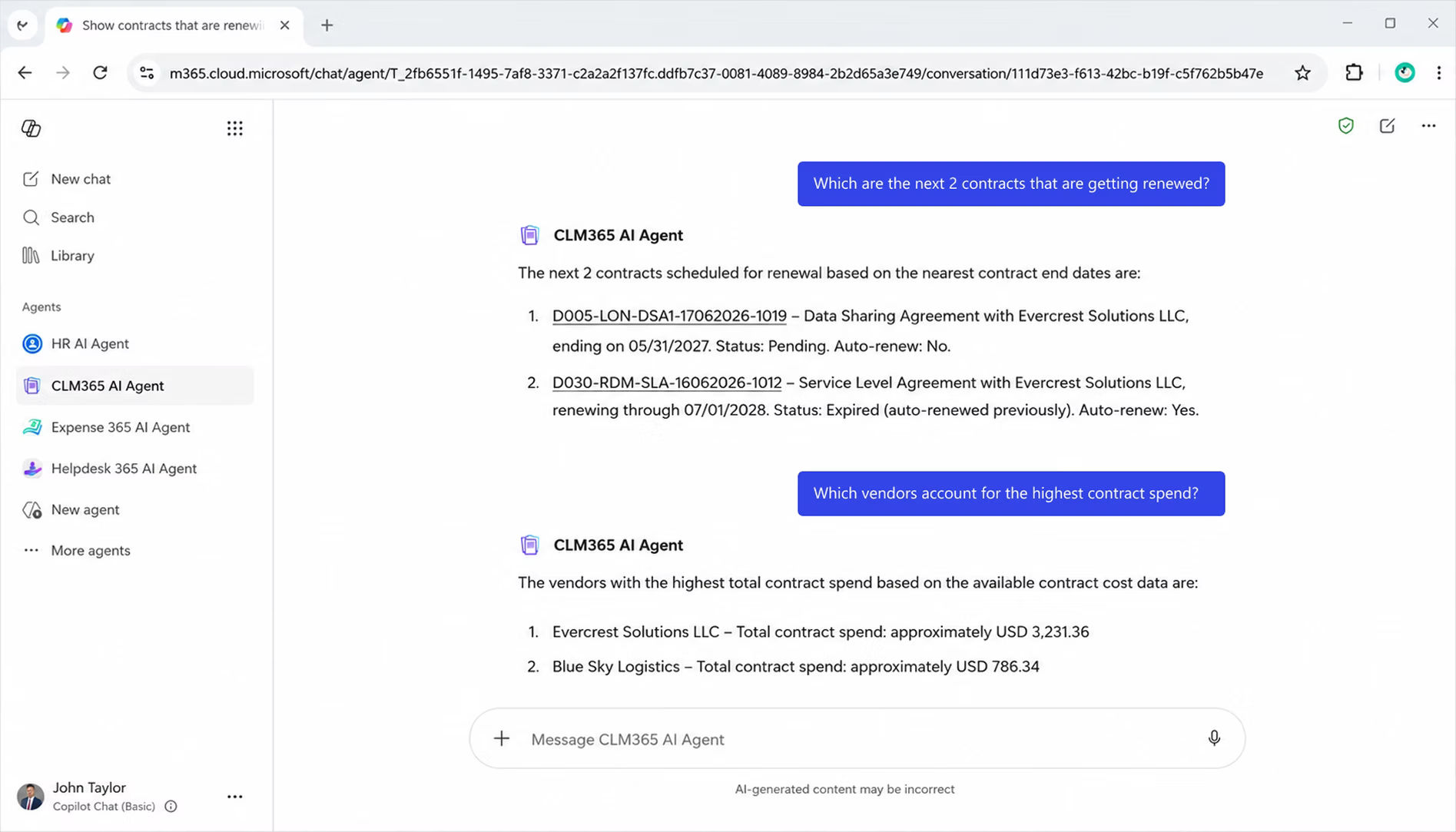
Instead of reading a 40-page agreement line by line, AI generates plain-language summaries of key clauses who owes what, by when, under what conditions. The AI-powered contract management makes contract review accessible to non-lawyers and significantly reduces review time. It also helps teams quickly understand critical terms, identify key obligations, and make faster decisions without depending entirely on legal teams.
2. Compliance Management
The software monitors contracts against regulatory requirements and internal policies, flagging any clauses or obligations that may create compliance risk before execution. This proactive approach helps businesses stay aligned with contract compliance, reduce exposure to penalties, and maintain strong governance across all agreements throughout the contract lifecycle.
3. Centralized Repository
Almost 90% of business users find contracts “difficult or impossible to understand,” and research shows that an average of 25% of the workforce is involved in contract-related work in some capacity. A centralized repository with smart search, metadata tagging, and role-based access puts the right contract in front of the right person in seconds and stores contracts in a secure place.
4. Draft Comparison
When counterparties return a redlined document, the contract comparison tool highlights exactly what version changed. By this process reviewers can focus on the changes that matter instead of re-reading the entire document. This not only speeds up reviews but also improves accuracy and helps teams respond quickly during negotiations.
5. Centralized Dashboard
According to the World Commerce and Contracting Association, in 40% of organizations, it is a guessing game of who is responsible for which contract. A centralized contract dashboard eliminates that unclarity by giving every stakeholder real-time visibility into contract status. This improves accountability, helps teams stay aligned, and makes it easier to track progress across multiple contracts.
6. Multi-Level Approval Workflow
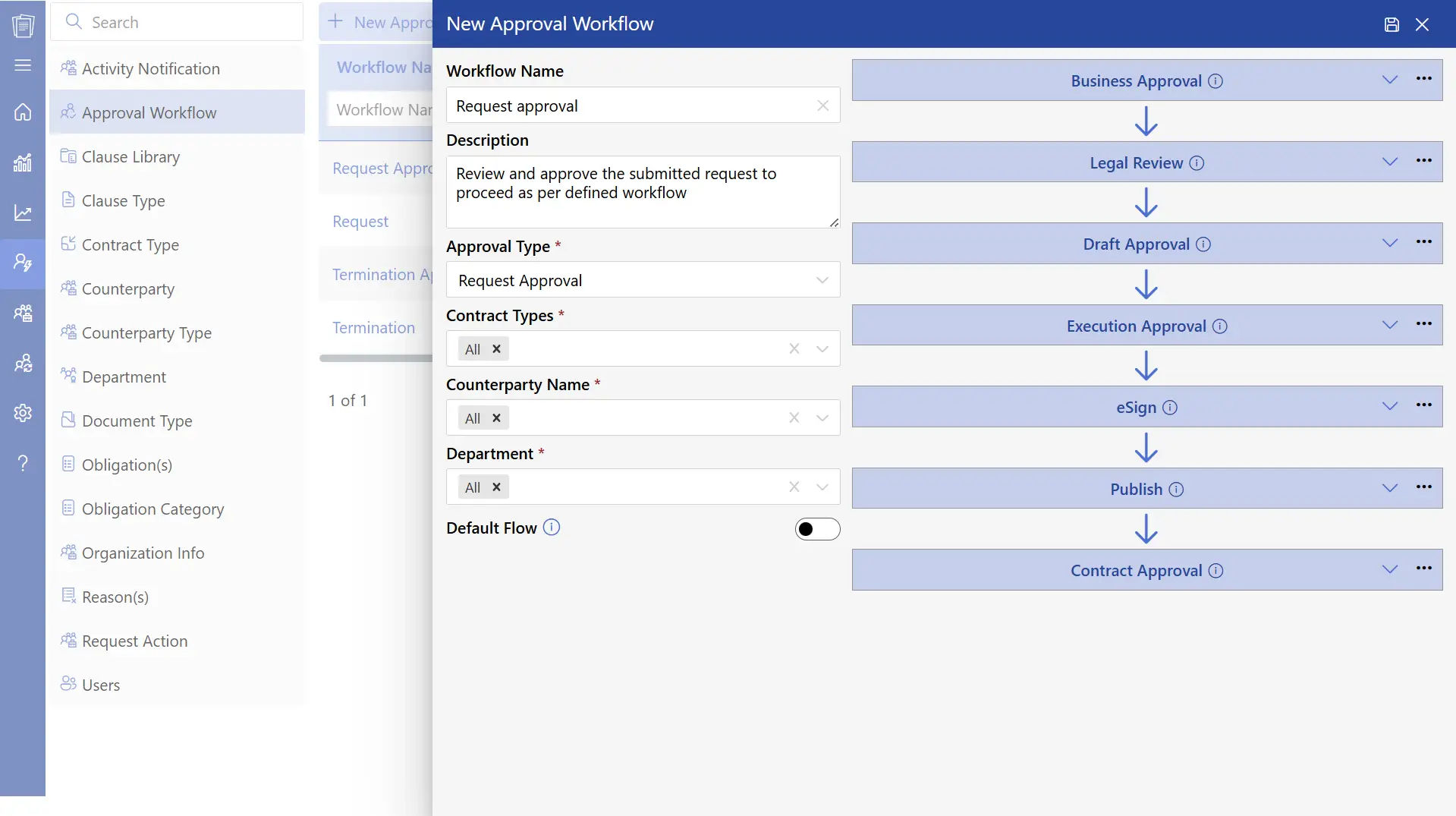
Complex contracts often require sign-off from legal, finance, and executive leadership. Configurable multi-level workflows route approvals automatically based on contract type, value, and geography with escalation rules when approvals stall. This reduces delays, improves coordination across teams, and keeps the approval process moving efficiently without constant follow-ups.
7. Clause Library
Forrester Research states that CLM solutions can reduce contract drafting and review time by up to 80%, significantly easing legal workloads. A pre-approved clause library is a primary driver of that reduction. Legal teams build and maintain a library of standard clauses that business teams can use directly reducing the back-and-forth between legal and business units, improving consistency, and speeding up contract creation.
8. Contract Redlining
Negotiation happens inside the platform. All edits, comments, and counterparty changes are tracked with a full audit trail, so the negotiation history is always visible and every change is attributed. The contract redlining software improves transparency, keeps all stakeholders informed, and helps teams manage negotiations more effectively.
9. E-Signature
95% of organizations are either using e-signature, evaluating e-signature providers, or planning to purchase a solution in the future. It integrates e-signature natively, so contract signing is the last step in the platform not a separate workflow that breaks the process. This speeds up execution, improves user experience, and keeps the entire process within one system.
10. Reporting & Analytics
Leadership needs contract data to make decisions. Reporting and analytics features turn contract data into business intelligence tracking cycle times, contract values, renewal rates, and risk exposure across the entire portfolio. This helps organizations gain deeper insights, improve planning, and continuously optimize contract performance.
ROI of Implementing Contract Management
The software turns contracts into strategic assets, reducing costs, minimizing risk, and driving measurable ROI. Here is how it benefits your business.
1. Faster Contract Cycles
Automated workflows and pre-approved templates help reduce the time taken to create, review, and approve contracts. Deals move forward quickly, approvals happen without delays, and revenue is recognized sooner. This also allows teams to handle a higher volume of contracts while improving speed in contract management.
2. Reduced Legal Costs
With standard agreements and AI supporting routine review tasks, legal teams spend less time on repetitive work. This allows them to focus on strategic and high value matters that require expertise. Over time, this improves resource utilization and reduces overall legal costs for the business.
3. Fewer Missed Renewals
Automated alerts and reminders help teams stay informed about upcoming contract expirations. This ensures contracts are reviewed, renewed, or renegotiated on time. As a result, businesses can protect ongoing revenue, avoid service disruptions, and maintain strong relationships with vendors and customers.
4. Lower Compliance Risk
Structured clause review and obligation tracking help businesses stay aligned with regulatory requirements and internal policies. By identifying risks early and keeping all terms visible, organizations can avoid penalties and maintain better control over compliance. This creates a more secure and reliable contract environment.
5. Better Negotiation Outcomes
Access to historical contract data, clause usage, and negotiation patterns gives teams valuable insights during discussions. This helps them make informed decisions, set contract duration, and negotiate with greater clarity. Over time, this leads to stronger agreements that deliver better value for the business.
6. Improved Operational Efficiency
The system helps close this gap by providing the data and automation needed to act. This improves coordination across teams and makes contract processes more effective.
7. Stronger Vendor & Partner Relationships
When obligations are clearly tracked and deliverables are managed properly; both parties work with better clarity. This reduces misunderstandings and supports smoother contract collaboration in day-to-day operations. With clear visibility into responsibilities, timelines, and expectations, teams can address issues early and keep projects on track.
Common Challenges in Contract Management
Even with the right software, contract management comes with real obstacles that organizations must actively address.
- Scattered Contract Storage: Contracts stored across emails, PDFs, spreadsheets, and shared drives make documents difficult to find and track.
- Missed Renewal Deadlines: Overlooking renewal dates or notice periods can lead to unnecessary expenses and unwanted contract extensions.
- Spreadsheet Limitations: Spreadsheets and calendar reminders become difficult to maintain as contract volumes increase.
- Lack of Contract Ownership: Without clear responsibility, important tasks such as renewals, follow-ups, and approvals may be delayed or missed.
- Rushed Renewals: Renewing agreements without reviewing past performance or terms can cause businesses to repeat previous mistakes.
- Limited Contract Visibility: Teams may struggle to track active contracts, upcoming deadlines, obligations, and current approval statuses.
- Inconsistent Tracking: Different teams may follow different processes, making it difficult to maintain consistent records and ensure accountability.
EY research: While 70% of organizations say they have a formal contracting technology strategy, 99% admit they lack the right data and tools to truly improve their contracting process.
Best Practices for Improving Contract Workflows
- Centralize all contracts into a single repository as the first step visibility is the foundation of everything else.
- Standardize your contract templates and clause library before rolling out software so teams start with consistent, approved language.
- Assign clear contract ownership at every stage of the lifecycle so accountability is explicit, not assumed.
- Set automated alerts for key dates renewals, payment milestones, compliance reviews — at least 60 days in advance.
- Involve all stakeholder teams early in the implementation process so the platform is configured to match how your business works.
- Track cycle time at every stage of the contract process to identify where delays occur and reduce them systematically.
- Build a post-signature obligation management process that is as rigorous as your pre-signature review the value of a contract is in its execution, not just its signing.
- Review and update your clause library quarterly to reflect regulatory changes, business priorities, and lessons learned from recent negotiations.
How CLM 365 Supports Modern Contract Management
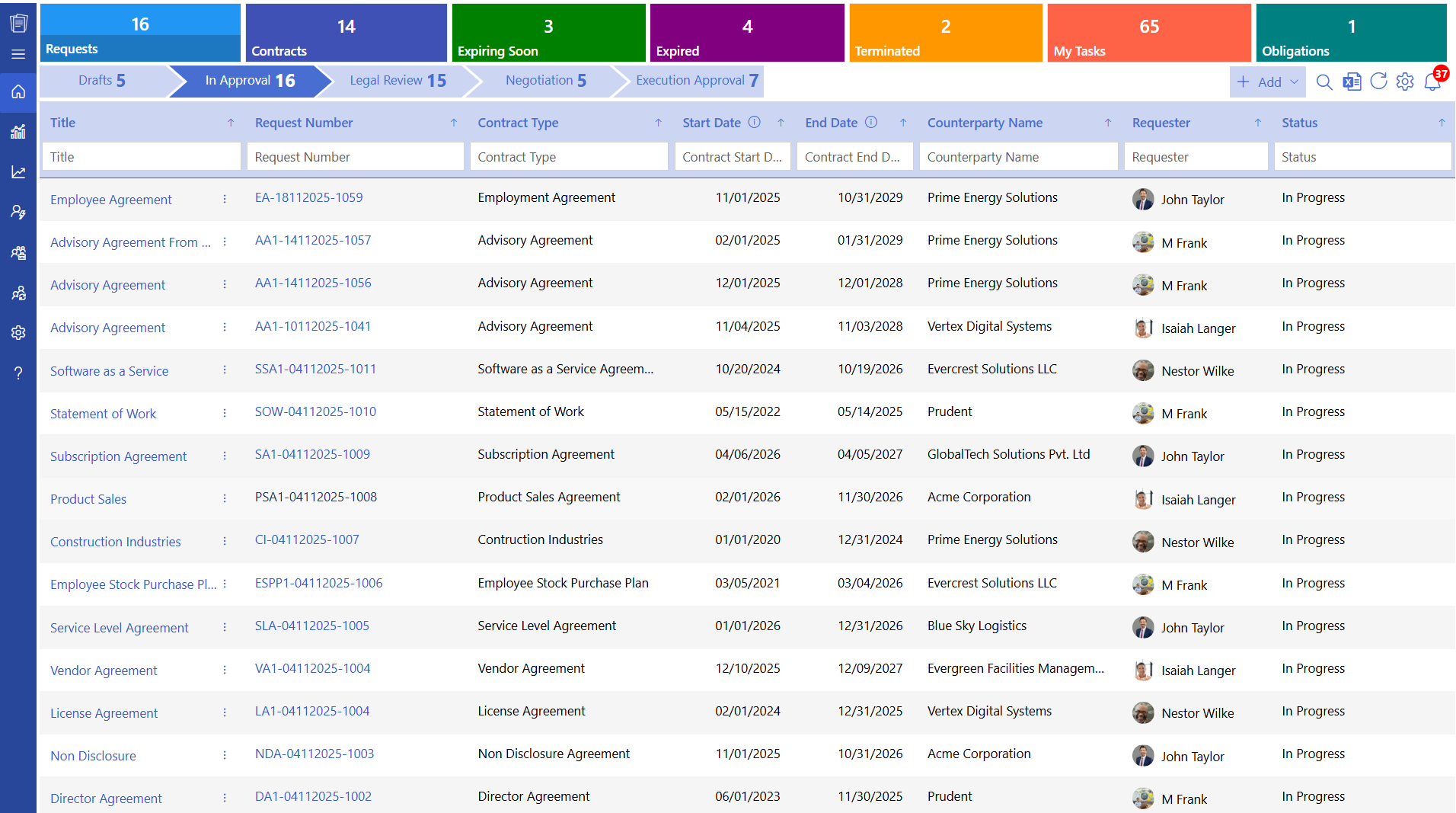
The SharePoint contract management is purpose-built for organizations that want contract management to work where their teams already work. Built within the Microsoft ecosystem, It integrates with SharePoint, Microsoft Teams, Outlook, Microsoft Copilot, Power BI, and Power Automate so legal, sales, procurement, and finance teams can manage contracts without switching platforms.
Approvals are automated. Obligations are tracked. Compliance is enforced through AI-driven workflows that eliminate manual follow-ups and reduce exposure before it becomes a problem.
Supported by SOC 2 compliance, Microsoft Certification, and Microsoft Solutions Partner status, It offers a reliable and secure approach to contract management.
It also supports GCC and GCC High environments, providing advanced data protection and meeting the strict security needs of government and highly regulated industries.
What sets CLM 365 Apart: The data stays within your Microsoft tenant, giving you full control, security, and compliance over your contracts.
The system is built for SMBs and enterprise businesses ready to take control of their contracting process without the complexity or cost of legacy platforms.
Key Signs the Market Is Shifting Toward AI-Driven Contract Management
The role of contract management is changing. It is no longer just about storing and tracking agreements, but about using data, speed, and intelligence to support business decisions. The shift toward AI is already visible across organizations.
- A survey by ALM and Bloomberg Law shows that 43% of corporate counsel spend at least half their time on contract-related tasks, highlighting the need to reduce manual workload and improve efficiency.
- Around 78% of organizations are already using AI in at least one business function, showing a clear move toward automation and smarter workflows across teams.
- Businesses are now looking for systems that go beyond storage, using AI to support faster reviews, better visibility, and more structured contract processes across the organization.
Conclusion
Contract management is essential for controlling revenue, reducing risks, and meeting business obligations. Moving from manual to automated processes helps businesses improve visibility, streamline contract reviews, track obligations, and manage the entire contract lifecycle more effectively.
With AI-powered contract management, teams can make informed decisions, improve efficiency, and build stronger business relationships.
Ready to simplify contract management? Explore CLM 365 with no credit card details required.
Frequently Asked Questions
What are the benefits of centralized contract storage for teams?
It gives every team instant access to the latest contract version, eliminates time wasted searching across emails or folders, and reduces the risk of working on outdated documents.
Does the software improve compliance?
Yes, it enforces standardized clauses, tracks obligations, and maintains complete audit trails, making it easier to meet regulatory and internal compliance requirements.
Why does contract visibility matter for decision-making?
Clear visibility into contract terms, risks, and timelines allows leaders to make faster, more informed decisions instead of relying on assumptions or incomplete data.
How does contract cycle time impact business growth?
Faster contract cycles accelerate deal closures, improve onboarding speed, and allow businesses to handle more deals without increasing resources.
What is the long-term value of contract management in negotiations?
Over time, teams build a library of proven clauses and insights from past deals, enabling stronger negotiation positions and more consistent outcomes.
How can contract management align sales and legal teams?
It creates shared workflows, pre-approved templates, and clear approval paths, reducing friction between speed-driven sales teams and risk-focused legal teams.