
Revenue Cycle Analytics Software: Transforming How Businesses Monitor Revenue

Businesses grow faster when they can see their revenue clearly. Revenue cycle analytics software gives you the tools to track, check, and improve how money flows into your business.
- Revenue cycle analytics software tracks your income from the first sale to final payment.
- It helps you spot revenue leaks, forecast growth, and manage subscriptions with ease.
- Key features include automation, custom invoices, and audit logs.
- Revenue 365 brings all these tools together on the Microsoft 365 platform.
What Is Revenue Analytics?
Revenue analytics means studying your company’s income to find ways to earn more. It looks at sales records and customer habits to spot patterns. These patterns help you make better choices in pricing, marketing, and product plans.
This process often begins with historical information, such as sales records or customer behaviour data, to identify patterns and trends that guide strategic revenue forecasting.
Why Should Businesses Track Revenue Cycle Analytics Software?
Tracking revenue is no longer a nice extra. It is a must for steady growth. Here is why every business should keep a close eye on how money moves through their systems.
It Finds Hidden Revenue Gaps
Every business wants to keep every dollar it earns. But small gaps often go unnoticed. Analysing the entire revenue cycle helps uncover missed opportunities, delayed collections, or revenue leakages that silently impact growth.
It Guides Smarter Business Decisions
Good choices need good data, not guesswork. When you understand your subscription numbers A deep understanding of subscription metrics gives leaders the clarity they need to adjust pricing, prioritize product investments, and allocate resources where they deliver the highest return.
It Reveals Weak Spots in Your Process
Watching your revenue flow shows you where things slow down. Maybe invoicing takes too long. Maybe billing has errors. Once you see the problem, you can fix it and speed up collections.
Good revenue management system does more than store numbers. It gives you tools to act on what you see. Here are the features that matter most.
It Builds Stronger Customer Bonds
Behind every payment is a real customer. Studying revenue patterns shows you who your best customers are. You learn what they like to buy. This helps turn one-time buyers into loyal fans.
It Cuts Down on Errors and Delays
Manual tracking often leads to mistakes. These mistakes slow down your cash flow. Automated revenue tracking reduces human error. Your team spends less time fixing problems and more time growing the business.
Features of Revenue Cycle Analytics Software
Good revenue management system does more than store numbers. It gives you tools to act on what you see. Here are the features that matter most.
Advanced Reporting and Dashboards
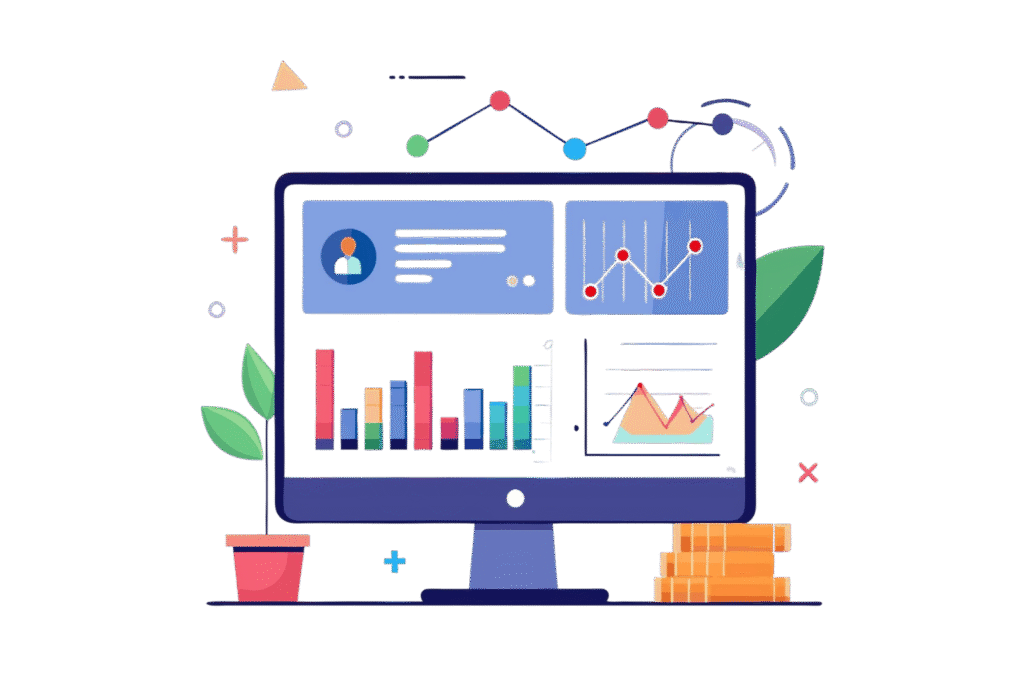
Reports are the base of smart decisions. Good software turns raw numbers into simple charts. These charts show trends and problem areas at a glance. Leaders can act fast instead of digging through spreadsheets.
Real-Time Transaction Tracking
Every sale tells a story about your business. This feature follows each transaction from start to finish. It catches errors early and keeps your books accurate. Your team can trust the numbers they see.
Smart Automation
Manual work slows everyone down. Automation handles invoices, reminders, and renewals on its own. This cuts down on mistakes and saves hours each week. Your team can focus on bigger goals instead.
Custom Invoice Generation
Invoices often shape how customers see your brand. This feature lets you build invoices that match your style. You can add your own tax rules and billing cycles. You can also bill in different currencies with ease.
Subscription Management
Recurring revenue needs careful handling. This feature manages renewals, upgrades, and cancellations for you. It updates your records the moment a plan changes. This keeps your billing and reports always in sync
Audit Logs and Compliance Tools
Trust matters in every financial process. Audit logs record every action and change in the system. Compliance tools apply the right tax rules automatically. Together, they keep you ready for any review
Benefits of Revenue Cycle Analytics Software
The right software does more than save time. It changes how your whole business runs. Here are the biggest wins you can expect.
Better Revenue Visibility
This software pulls data from sales, subscriptions, and invoices into one place. You see which products earn the most. You also spot gaps before they grow. This clear view helps you act fast.
Accurate Financial Forecasting
Good forecasts need good data. The software studies past trends to predict what is next. Finance teams use these insights to set real budgets. This means fewer surprises and better planning.
Stronger Subscription Revenue
For subscription businesses, keeping customers matters most. The software tracks renewals, upgrades, and churn. This helps you build better offers and pricing. The result is steadier, more predictable income.
More Operational Efficiency
Automated tasks free up your team’s time. Invoicing, reminders, and reconciliation happen without manual work. This speeds up daily tasks across departments. Your team can focus on strategy instead of paperwork
Deeper Customer Understanding
Revenue data tells you more than just numbers. It shows buying habits and customer value. This helps you find your most loyal customers. Understanding them builds stronger, longer relationships.
Important Metrics to Track During the Revenue Cycle
You cannot improve what you do not measure. These are the key numbers every business should watch closely.
Revenue Growth Rate
This shows how your income changes over time. You can check it monthly, quarterly, or yearly. It tells you if your strategies are working. Steady growth means strong demand and stable operations.
Average Revenue Per User (ARPU)
ARPU shows how much each customer brings in on average. It helps you find your most valuable customer groups. This guides where to focus your sales efforts. It also helps set fair pricing.
Revenue Leakage
This is income lost to missed invoices or billing errors. Even small leaks add up fast over time. Tracking leakage helps you plug these gaps. This protects the money you have already earned.
Customer Lifetime Value (CLV)
CLV estimates the total revenue one customer will bring over time. It helps you judge long-term profit, not just one sale. This number guides how much you should spend to keep customers happy.
Monthly Recurring Revenue (MRR)
MRR shows your predictable income each month from subscriptions. It helps you plan budgets with confidence. Watching MRR trends shows if your business is growing steadily or losing ground.
Monthly Recurring Revenue (MRR)
MRR shows your predictable income each month from subscriptions. It helps you plan budgets with confidence. Watching MRR trends shows if your business is growing steadily or losing ground.
Best Practices After Implementing Revenue Cycle Analytics Software
While implementing revenue cycle analytics software is valuable, it may require additional steps to maximize its impact. Following best practices ensures that businesses derive maximum value from their investment..
Make Metrics Part of Daily Work
Do not save reports for once a month. Check revenue dashboards every day. Assign someone to own each key metric. Hold short weekly check-ins to talk about trends and goals.
Align All Teams Around Revenue Goals
Revenue growth is not just one team’s job. Sales, finance, marketing, and support should share the same goals. Hold meetings where teams share ideas and challenges. Recognize every team’s role in growing revenue.
Train Your Teams Well
Software only helps if people know how to use it. Run regular training sessions for your team. Build simple guides for common tasks. Encourage staff to share wins from using the data well.
Study Transaction Trends
Every sale holds useful information. Look at what drives your busiest sales periods. Compare trends across different customer groups. Use these insights to plan promotions and adjust pricing at the right time.
Focus on Customer Retention
Keeping current customers costs less than finding new ones. Spot customers who show signs of leaving early. Offer them loyalty rewards or renewal discounts. Track how well these offers work over time.
Review and Refine Regularly
Your first setup will not be perfect. Review your reports and workflows every quarter. Ask your team what is working and what is not. Small updates over time lead to big improvements.
ROI on Investing in Revenue Analytics
Investing in revenue analytics software generates tangible returns for businesses
Higher Revenue Collection
Every transaction gets tracked and accounted for. Automated billing catches missed or late payments fast. This speeds up cash flow. Your business stays financially strong and steady.
Lower Operational Costs
Automating reports and reconciliation cuts manual work. This saves time and lowers costs. Finance teams can focus on real analysis instead of data entry. Over time, this adds up to real savings.
Better Customer Retention
Analytics helps you spot customers who may leave soon. You can act early with personal offers or support. This keeps more customers around longer. Steady customers mean steady revenue.
Smarter, Data-Driven Decisions
Real-time data gives leaders the confidence to act. Whether pricing, collections, or marketing, decisions rest on facts. This leads to outcomes that are more predictable and more profitable.
Stronger Competitive Edge
Businesses with clear revenue data can react to changes fast. They spot new chances before others do. This agility helps protect revenue and puts your business ahead of competitors.
Faster Time to Insight
Manual reports take days to build and often arrive too late. Automated dashboards show insights the moment data comes in. This speed helps you act while the opportunity is still fresh.
How Revenue 365 Helps During Revenue Cycle Process?
Revenue 365, built on the Microsoft ecosystem, integrates effortlessly with SharePoint, Teams, Outlook, Power BI, and Power Automate to deliver a unified revenue management experience. Its centralized dashboard provides real-time insights into transactions, invoices, and overall revenue performance, helping teams make informed decisions quickly.
With enterprise-grade security and a user-friendly interface, Revenue 365 enables organizations to analyse, manage, and improve revenue operations efficiently turning data into actionable growth opportunities.
Conclusion
Understanding your revenue is no longer optional. It is the foundation of steady, healthy growth. Revenue cycle analytics software gives you the insight, speed, and accuracy needed to track every dollar and make smarter choices along the way.
The businesses that grow fastest are the ones that see their numbers clearly and act on them early. With the right software in place, you stop guessing and start growing with confidence. Revenue 365 brings this clarity to your team in one simple, connected platform.
Join Our Creative Community
Frequently Asked Questions
By analysing historical transactions and trends, it allows businesses to predict future revenue and plan budgets, investments, and expansions accurately.
Yes, it helps automate billing and invoicing processes, reducing manual work and keeping financial records accurate.
Yes, integration with tools like Microsoft Teams and SharePoint allows cross-department collaboration with shared dashboards and insights.
Yes, Revenue 365 helps manage renewals, upgrades, and cancellations efficiently, providing clear visibility into subscription performance and helping businesses maintain predictable recurring revenue.


_JiluXJRGNl.svg)























