
10 Best Onboarding Apps in 2026: Features, Reviews & How to Choose

Hiring the right talent is only half the battle. Making them feel welcome, supported, and ready to contribute from day one is what sets winning companies apart. That’s where the best onboarding apps step in transforming traditional HR processes into digital, engaging, and human experiences.
- AI-powered onboarding apps automate document workflows, personalize new-hire journeys, and track progress in real time.
- Most employees say their onboarding experience fell short a clunky first impression is still the norm, not the exception.
- The right platform can cut onboarding time significantly while lowering administrative costs.
- Microsoft 365, Teams, and HRIS integrations are what separate top onboarding apps from the rest.
According to Gallup, a clunky onboarding process can ruin even the best first impression. Studies show that 88% of employees believe their employer didn’t provide a great onboarding experience.
Here’s why modern organizations are switching to onboarding apps:
- Streamlined Workflows: Automate document submission, policy acknowledgment, and training setup.
- Personalized Experience: Tailor onboarding journeys for different roles or departments.
- Seamless Integration: Connect with existing HR and communication systems.
- Data-Driven Insights: Track progress, completion rates, and new hire satisfaction.
- Improved Engagement: Use interactive content, chatbots, and feedback tools to keep new hires connected.
By leveraging the right onboarding software, companies can reduce manual effort, boost employee confidence, and create a memorable first-day experience that drives long-term retention.
Why Companies Are Switching to Onboarding Apps
Modern organizations are moving to onboarding software for a few clear reasons:
- Streamlined workflows — Automate document submission, policy sign-off, and training setup.
- Personalized experience — Build different onboarding journeys for different roles or teams.
- Seamless integration — Connect with the HR and communication tools you already use.
- Data-driven insights — Track progress, completion rates, and new hire satisfaction.
- Better engagement — Use chatbots, interactive content, and feedback tools to keep new hires connected.
Used well, onboarding software does more than help HR. It builds employee confidence, boosts loyalty, and can cut admin costs by up to 50% (SHRM).
Why You Need an Onboarding App
Picture a new hire walking in on day one. Paper forms everywhere. No clear plan. Missing tools. That’s what still happens at companies stuck with manual onboarding.
The best onboarding apps clear up that mess. They give you:
- Automated document signing and workflow management
- Personalized welcome portals
- Easy integration with HR and communication platforms
- Real-time tracking and analytics for HR teams
Top 10 Best Onboarding Apps 2026
Automated onboarding software refers to the use of software to process the repetitive onboarding processes such that the HR departments do not have to do everything manually.
It provides a streamlined, accelerated and more structured onboarding process for all new employees.
1. Employee Onboarding 365
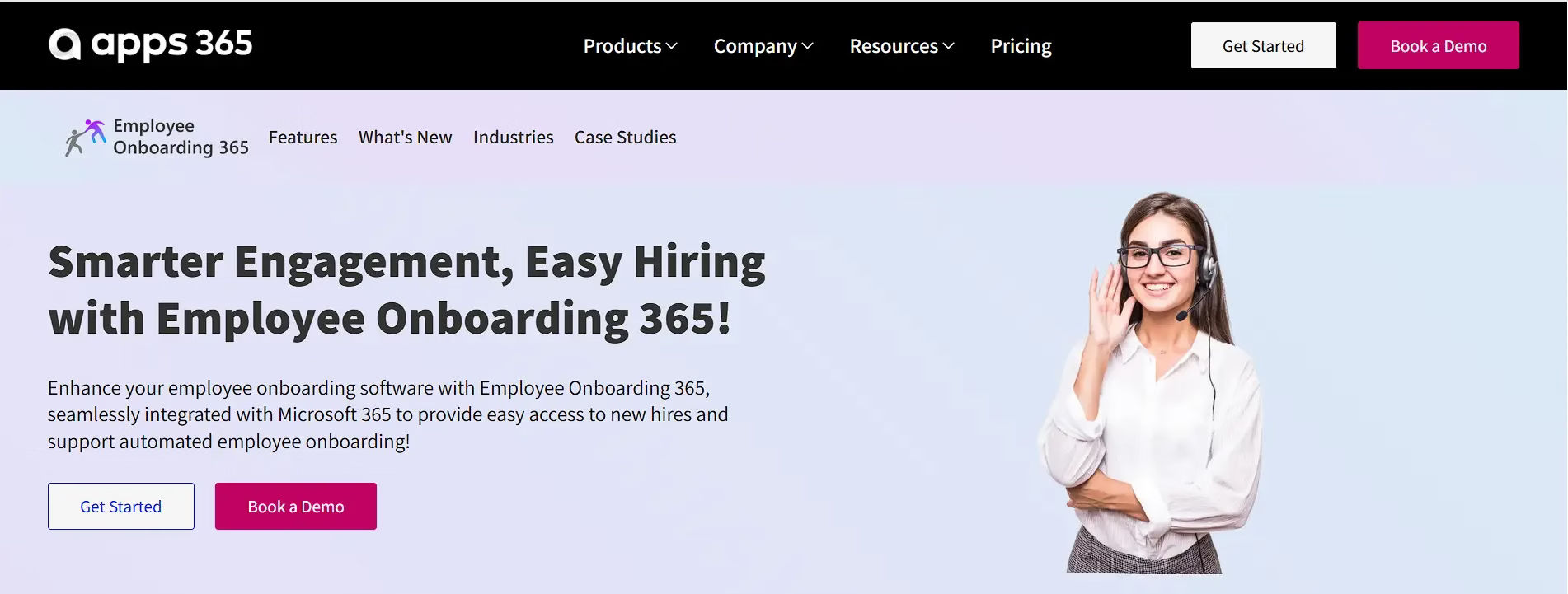
Employee Onboarding 365 is an all-in-one onboarding tool built to work directly inside Microsoft Teams, SharePoint, and Office 365. It’s designed for both enterprises and small businesses. It covers every stage of onboarding from preboarding to day-one engagement to compliance tracking.
Key features:
- Centralized onboarding inside Microsoft Teams manage tasks and chats in one place
- Role-based workflows that automate manual HR tasks
- Document management and digital signatures for paperless work
- Real-time analytics dashboard to track onboarding progress
- Integrations with Workday, SAP, and Dynamics for unified workforce data
Why it stands out:
Employee Onboarding 365 turns onboarding into one connected experience right inside the tools your team already uses. Companies using it report up to 60% faster onboarding and 70% higher new-hire satisfaction (Apps365 internal data).
Additional benefits:
- Global compliance support with region-specific templates
- AI-driven task assistance for timely follow-ups
- Interactive learning modules for guided training
- Welcome portals, feedback surveys, and onboarding chat support
- Enterprise-grade security on Microsoft’s cloud infrastructure
With personalized training plans, smart automation, and deep integration, Employee Onboarding 365 goes beyond basic onboarding software. It creates a connected, efficient new-hire experience.
📊 Track every new hire’s progress in real time, all in one dashboard.
2. BambooHR
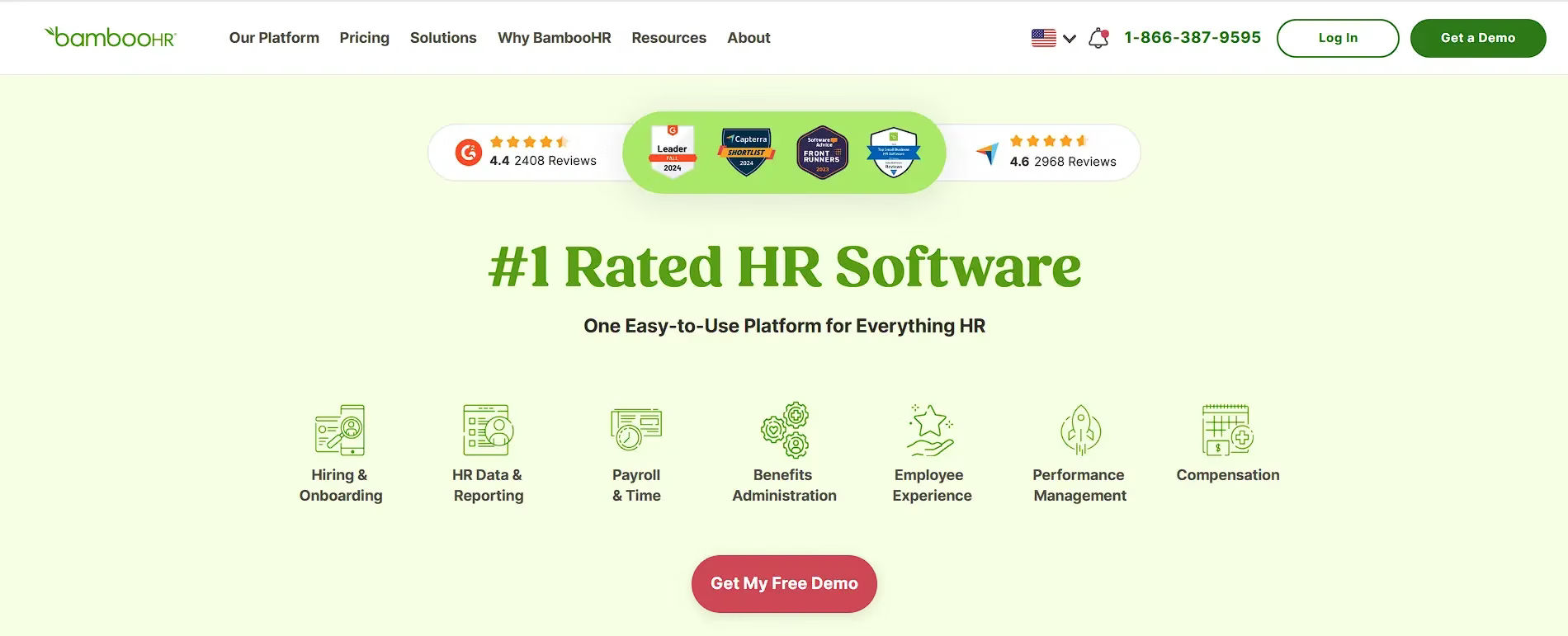
BambooHR is a favorite among small and mid-sized companies. It’s simple to set up and easy to use no heavy IT lift required.
Key features:
- Ready-made onboarding templates for different departments
- Self-service portals for forms, documents, and policies
- Built-in e-signatures for offer letters and paperwork
- Central dashboard to track onboarding in real time
- Integrations with Slack, Microsoft Teams, and Google Workspace
Why it stands out:
BambooHR puts ease of use first. Small teams get up and running fast, without needing technical help.
Worth knowing:
- Handles basic onboarding well, but has less room for complex custom workflows
- Reporting is solid but not as deep as larger HR platforms
- Support is strong, though it can cost extra for smaller teams
- Best suited to companies with simple HR needs
- Pricing rises as your team grows and you add more modules
3.Rippling
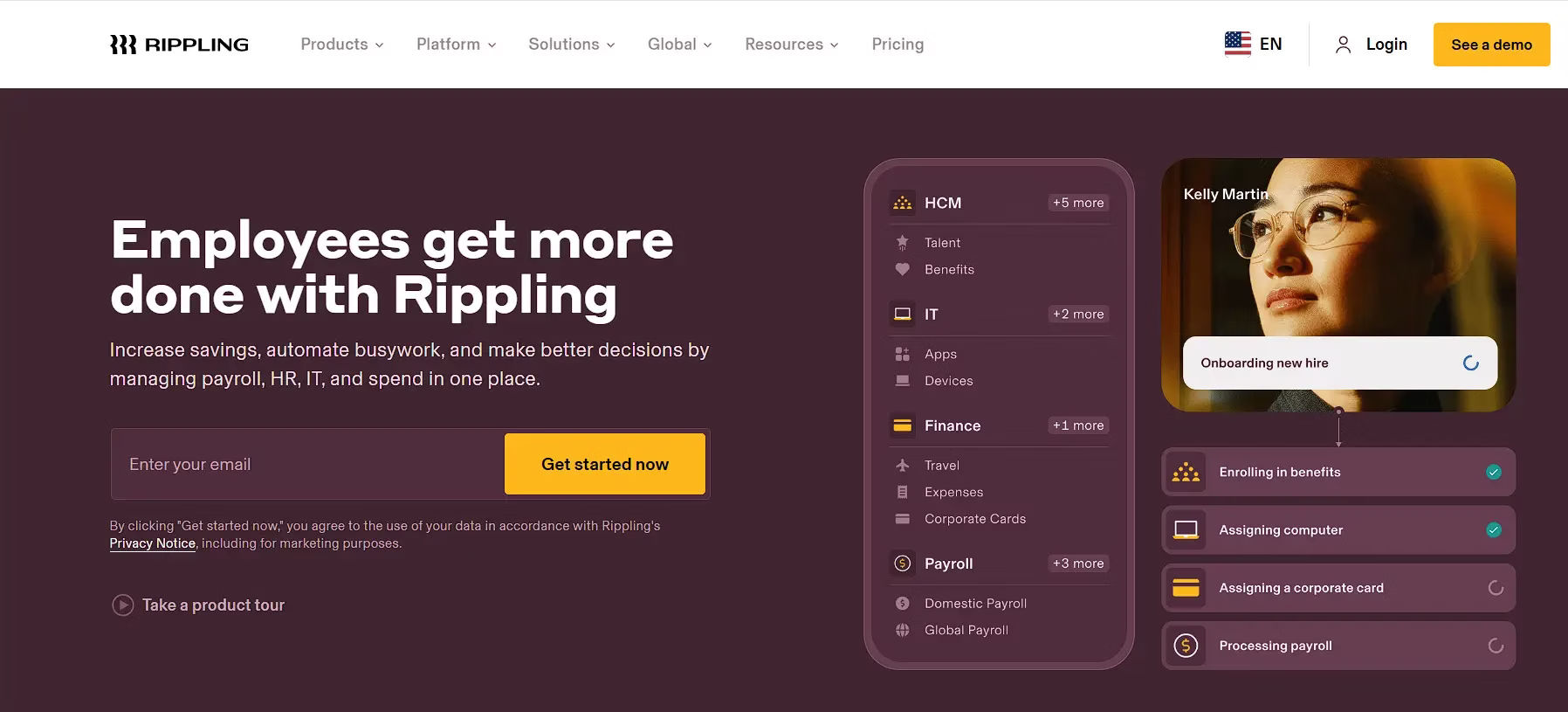
Rippling brings HR, IT, and finance together in one platform. It handles the full employee journey — onboarding, device setup, payroll, and compliance — saving HR teams hours each week.
Key features:
- Automated IT setup — laptops, software, and access, ready on day one
- Compliance tracking to keep every employee up to standard
- 500+ app integrations, including Slack, Zoom, and Microsoft Teams
- One dashboard for employee data, onboarding, and system setup
- Scalable automation for growing or multi-location teams
Why it stands out:
Rippling combines onboarding, HR, and IT in one place. HR can kick off the entire setup — from offer letter to account access — with a single click.
Worth knowing:
- Great fit for large or spread-out teams
- Reporting is advanced, which may be more than smaller businesses need
- Supports a fully paperless onboarding process
- Priced higher, but useful for companies consolidating multiple tools
4. WorkBright
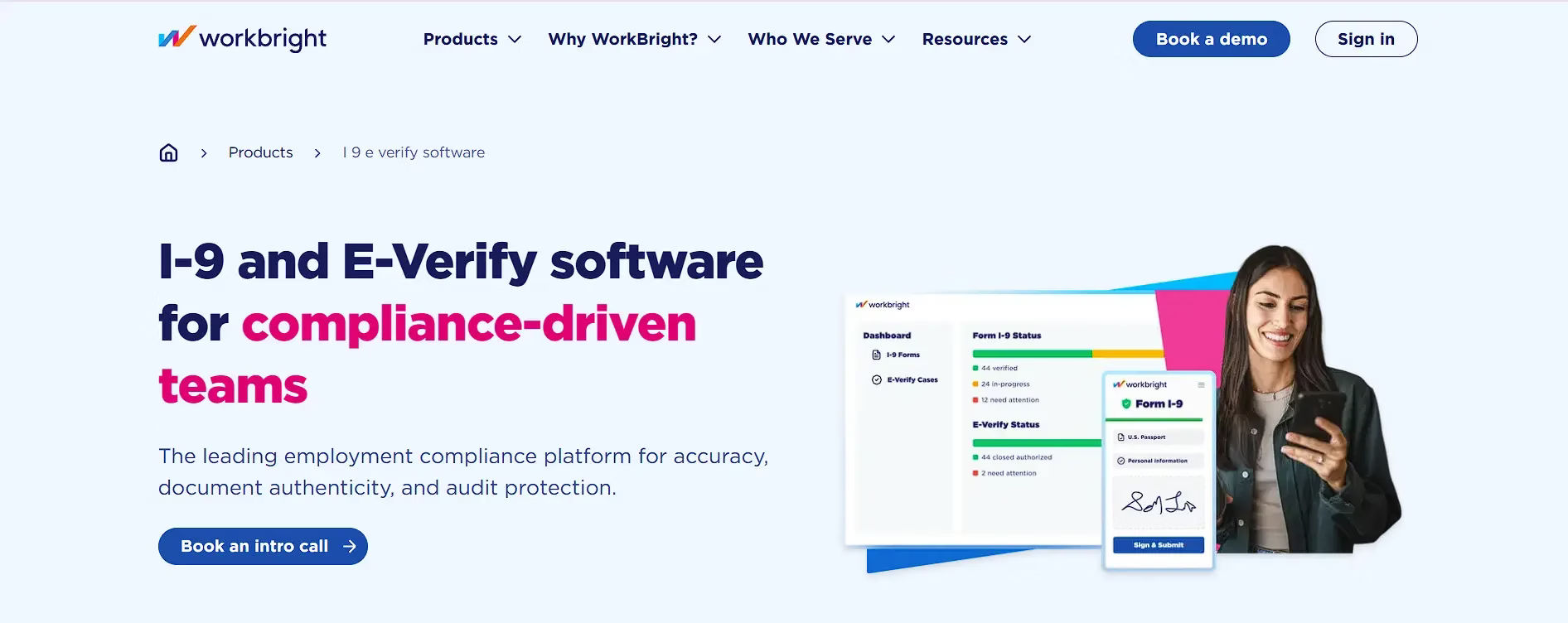
WorkBright is built for companies with remote or field-based teams. Its mobile-first design lets HR run onboarding fast, wherever new hires are — no office visit needed.
Key features:
- Paperless onboarding with e-signatures and secure uploads
- Remote identity verification for I-9 and hiring compliance
- Automated compliance alerts for accurate paperwork
- Cloud storage for all employee forms, on any device
- Simple communication tools to keep HR and new hires connected
WorkBright is a practical, mobile-first choice ideal for remote-first and field-based teams.
5. Talmundo by Talentech
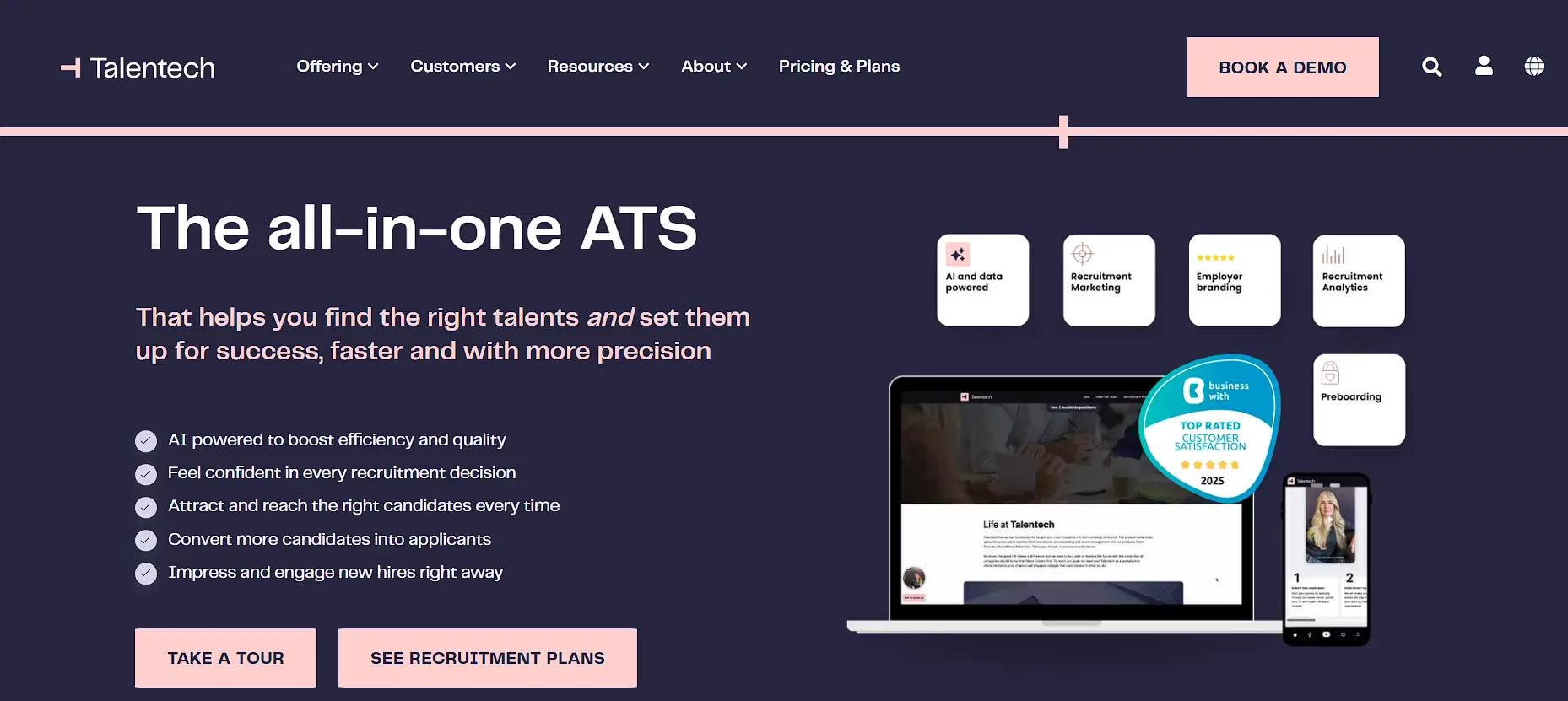
Talmundo by Talentech makes onboarding feel personal. It uses storytelling, gamification, and guided learning paths to build a real connection with new hires from day one.
Key features:
- Mobile app for onboarding tasks and company culture content
- Feedback and pulse surveys to measure how new hires feel
- Analytics dashboards for engagement and task completion
- Personalized learning modules and videos
- Integration with major HR systems
Worth knowing:
- Great for companies that care about culture and long-term retention
- Strong customization for branded onboarding content
- Useful analytics, though setup can take time for larger teams
- Good fit for global companies with multiple languages and regions
6. Deel
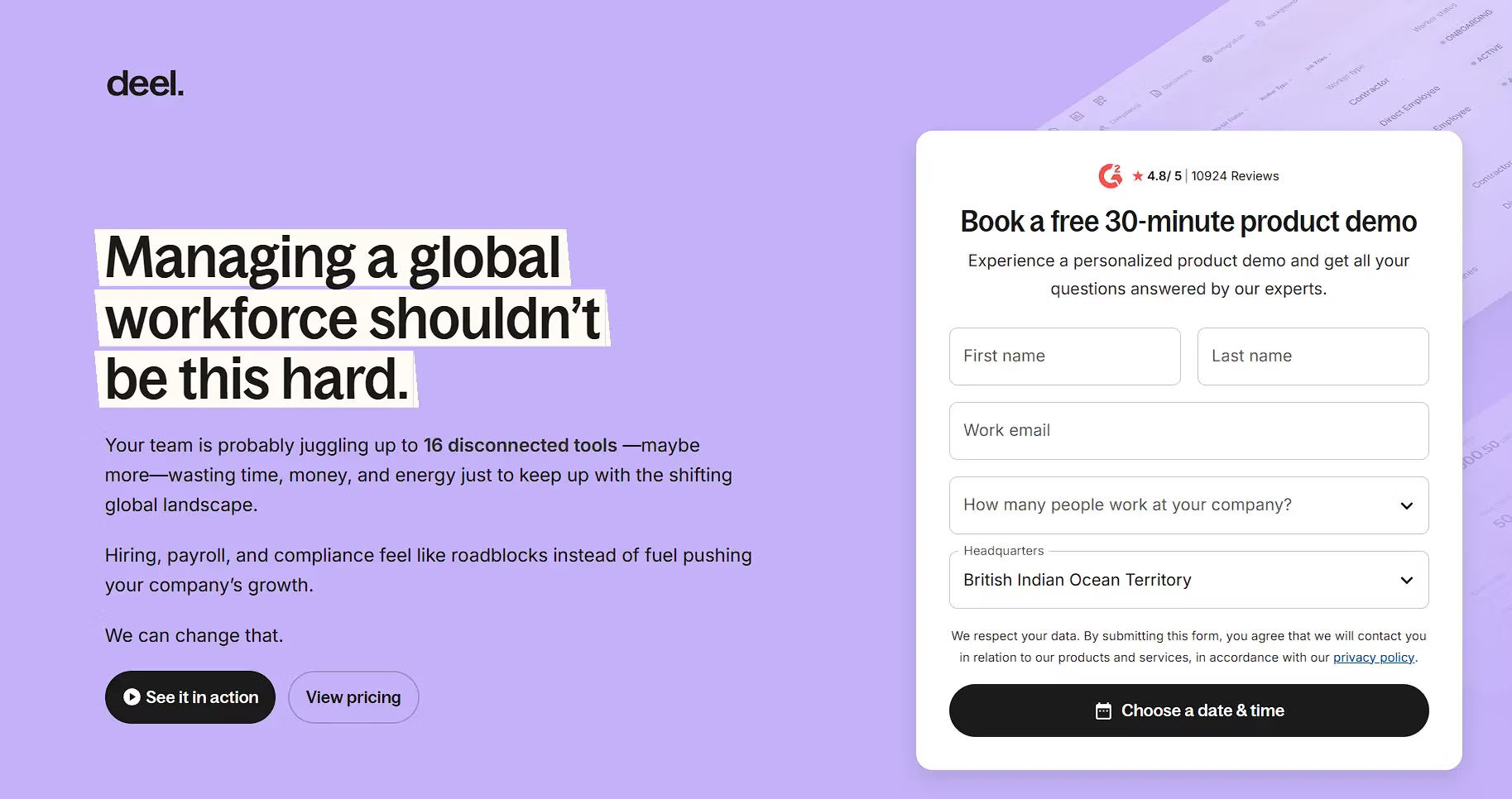
Deel manages onboarding, compliance, and payments for employees and contractors in over 150 countries.
Key features:
- Multi-country compliance with built-in tax and legal support
- Automated contract generation and document management
- Role-based onboarding workflows
- Integrated payroll and benefits across 150+ countries
- Real-time dashboards for progress and compliance tracking
Why it stands out:
Deel is built for companies with distributed, global teams. It keeps onboarding consistent and compliant, no matter where an employee is located while cutting the manual work for HR.
7. Trainual
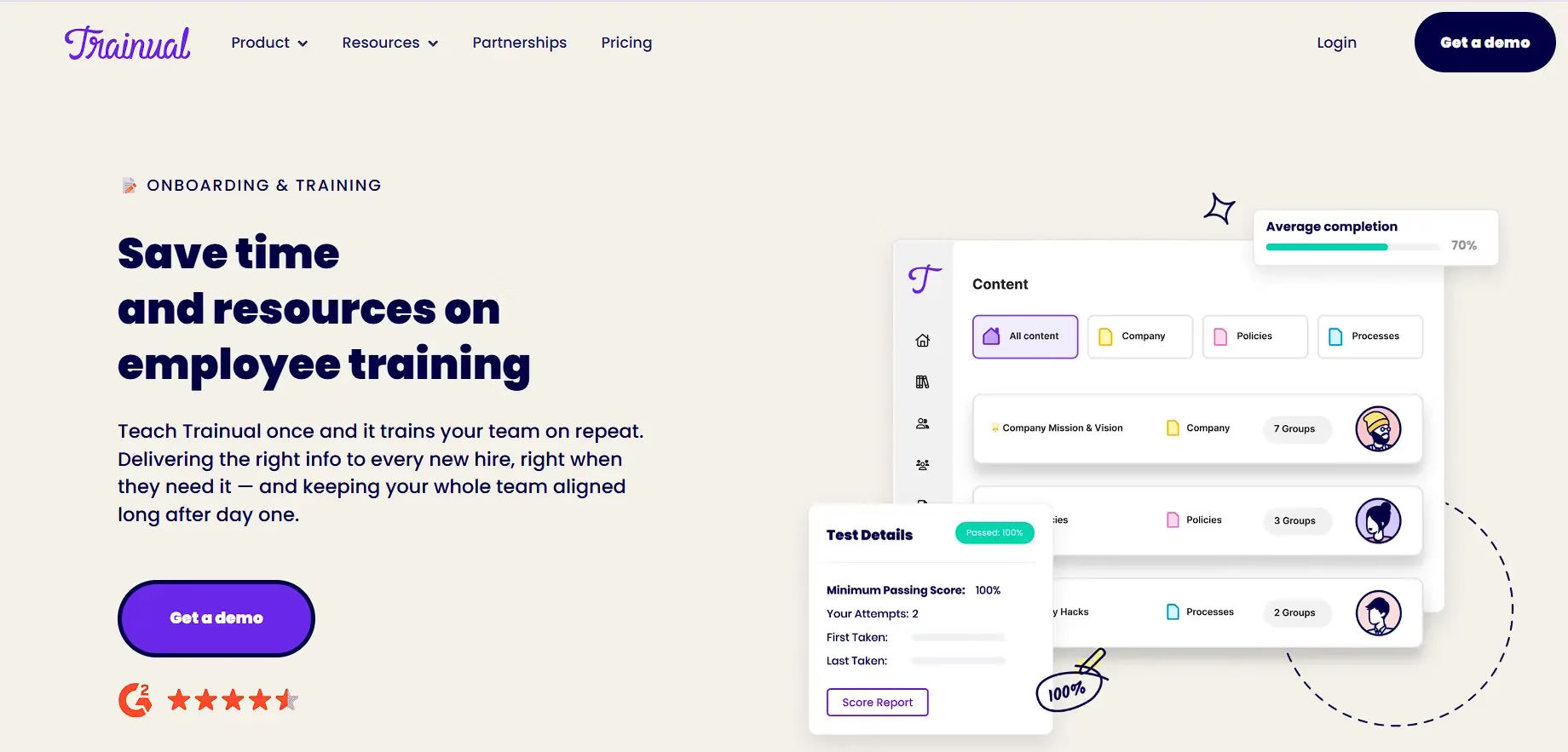
Trainual organizes your policies, SOPs, and training content in one searchable hub. Every employee gets instant access to what they need.
Key features:
- Central knowledge base with version control
- Custom training modules and quizzes
- Progress tracking with automated reminders
- Integration with HR and communication tools
- Easy updates when policies change
Why it stands out:
Trainual works like a living employee handbook. Startups and growing teams use it to assign and track onboarding tasks with far less manual follow-up.
8. Sapling
Sapling automates onboarding and HR workflows for companies that want to scale without losing the employee experience.
Key features:
- Automated task assignments and workflow management
- Preboarding tools for faster setup
- Customizable templates for repeat onboarding
- Integration with ADP, Workday, and BambooHR
- Analytics to track onboarding performance
Why it stands out:
Sapling suits fast-growing and global teams with high hiring volume. It connects people, data, and processes cutting manual work while improving compliance.
9. Click Boarding
Click Boarding is built for security, compliance, and scale. It’s designed for organizations with complex structures that still need flexibility.
Key features:
- Digital forms and e-signatures for paperless onboarding
- Task automation for faster completion
- Workflow approvals for process accuracy
- Audit trails for regulated industries
- Integration with HRIS and payroll systems
Why it stands out:
Trusted by Fortune 500 companies, Click Boarding keeps automated onboarding compliant at every step especially valuable for high-volume hiring.
10. Monday.com
Monday.com is a flexible platform HR teams can shape to fit their own onboarding process. Its visual layout keeps hiring organized and easy to follow.
Key features:
- Automated task management for onboarding checklists
- Visual dashboards to track employee progress
- Integration with HRIS, CRM, and communication tools
- Custom templates for different team needs
- Role-based access for secure collaboration
Why it stands out:
Monday.com suits creative or fast-moving teams. It removes manual paperwork, gives real-time visibility, and helps new hires feel connected from day one.
Onboarding App Best Practices
To get the most from your onboarding software, follow these proven strategies that help streamline HR operations and improve the new hire experience.
Start Before Day One
Send welcome emails, digital forms, and company guides early. Preboarding helps new hires complete key tasks before their start date, reducing first-day stress. A proactive approach using a digital employee integration platform ensures candidates feel prepared and valued.
Automate Repetitive Tasks
Automate document signing, task reminders, and IT provisioning to save time and eliminate errors. With an HR process automation tool, HR teams can focus on personal connections rather than paperwork, creating a smoother transition for both employees and managers.
Integrate with Collaboration Tools
Connect onboarding apps with Microsoft 365, payroll, or Teams to build a unified workspace. Integration ensures seamless communication, unified access, and cross-department visibility, helping organizations operate efficiently.
Measure Everything
Track engagement, completion, and feedback metrics to identify bottlenecks and areas for improvement. Use analytics to measure success rates, optimize training content, and refine your onboarding process continuously.
Personalize the Journey
Tailor learning paths and introductions based on each role or department. Personalized onboarding helps employees feel recognized, motivated, and aligned with company goals — strengthening engagement and long-term retention.
How to Choose the Best Onboarding App
Selecting the right onboarding app depends on your organization’s size, budget, and company culture. The right solution ensures smoother transitions, better engagement, and measurable outcomes for HR teams and new hires alike.
Ease of Use
Choose an app with a clean, intuitive interface that minimizes training time.
- A user-friendly dashboard allows HR teams to onboard faster without technical help.
- Simplified navigation helps new employees complete forms and training independently.
Integration
Look for an onboarding tool that seamlessly connects with your existing systems.
- Integration with Microsoft 365, SharePoint, and Teams ensures smooth communication and workflow continuity.
- Unified access through familiar tools helps new hires stay organized and engaged from day one.
Automation
Automation is key to efficiency and consistency.
- Automate repetitive tasks such as sending reminders, collecting signatures, and provisioning accounts.
- Reduce errors and administrative load while improving overall onboarding accuracy.
Analytics
Choose a solution that offers deep insights into onboarding performance.
- Track metrics like time-to-productivity, completion rates, and new hire engagement.
- Use analytics dashboards to make data-driven improvements to your onboarding strategy.
Scalability
Ensure the platform grows with your business needs.
- The app should support additional users, workflows, and integrations as your organization expands.
- Scalable systems prevent the need for constant tool-switching and maintain process continuity.
The Future of Onboarding Apps
- AI-Driven Personalization: Onboarding apps will use artificial intelligence to tailor learning paths and communication for each employee.
- Predictive Analytics: HR teams will leverage data to forecast engagement levels and retention risks before they arise.
- Deeper Microsoft Integrations: Expect seamless compatibility with tools like Microsoft Copilot, Viva Engage, and Microsoft 365 for a unified onboarding experience.
- Focus on Digital Belonging: As hybrid and remote work expand, onboarding will emphasize culture, connection, and inclusion across digital platforms.
- Automation with Human Insight: Routine onboarding tasks will stay automated, while HR will spend more time on personal support and employee engagement.
Conclusion
The best onboarding apps help businesses streamline hiring, automate repetitive HR tasks, and deliver personalized experiences for every new hire. They not only improve engagement but also ensure compliance and faster team integration.
As digital onboarding evolves, choosing the right platform can make a measurable impact on productivity and retention. Experience the difference with Employee Onboarding 365, built for seamless integration with Microsoft 365 and also listed on Microsoft AppSource. Book a Demo today to transform your onboarding experience.
Ready to make onboarding effortless for every new hire?
Start your free trial and see the difference today.
Frequently Asked Questions
What onboarding software do people actually recommend that isn't bloated?
Recommendations vary by company size, but the common thread is: pick a tool that fits your existing stack Teams rather than adding a standalone system. Employee Onboarding 365 is built directly into Microsoft Teams and SharePoint, so there’s no extra platform for new hires or HR to learn.
Is an onboarding app worth it for a 50-person company, or is it overkill?
At 50 people, manual onboarding is usually still manageable but already showing cracks — missed forms, inconsistent training, no visibility into who’s stuck where. Most companies at this size benefit from at least a lightweight automated checklist and e-signature setup, even if they don’t need enterprise-level compliance tools yet.
How do you onboard remote hires without it feeling impersonal?
Ship equipment early, over-communicate expectations that would normally be picked up in person, and build in intentional video face-time beyond the mandatory meetings. Tools with built-in chat support and welcome portals help close the distance without adding more meetings to the calendar.
Any onboarding tools that integrate well with Microsoft Teams specifically?
Employee Onboarding 365 is purpose-built for the Microsoft ecosystem, running natively inside Teams and SharePoint. Rippling and Monday.com also offer Teams integrations, though they’re broader platforms not built Microsoft-first.
What's the biggest onboarding mistake you've seen at a company?
The most commonly cited mistake is treating orientation as the entire onboarding process — a single info-dump day with no follow-up. New hires are left to figure out the next 90 days on their own, which is when most of the quiet disengagement happens.


_JiluXJRGNl.svg)























