
Subscription Management Software: A Comprehensive Guide for [2026]
Subscription management software helps businesses handle recurring billing, track customer subscriptions, automate invoicing, manage upgrades or cancellations, and monitor payments.
Subscription-based business models are steadily gaining traction across industries. Whether it is software, digital content, or e-commerce, subscriptions help companies stay connected with their customers long after the first purchase.
But with growth comes complexity. Managing recurring billing, invoicing, customer lifecycles, and renewals can quickly become overwhelming without the right tools in place.
That’s where subscription management software comes in.
It is not just a backend tool it is a foundation for delivering seamless customer experiences and scaling your operations. According to a report by MarketsandMarkets, the global subscription and billing management market is projected to grow from $4.0 billion in 2020 to $7.8 billion by 2025, at a CAGR of 14.0%.
What Is Subscription Management Software?
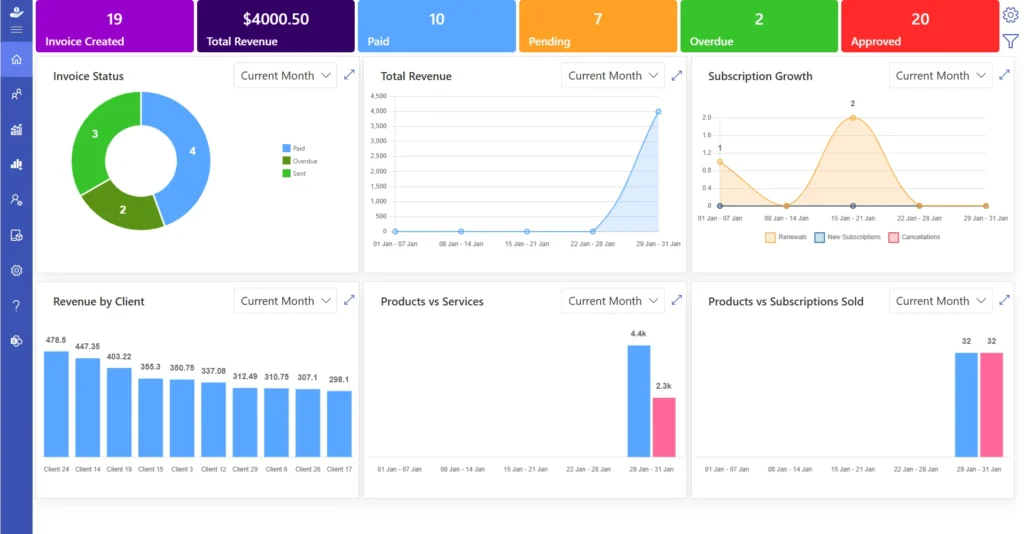
Subscription management software is a system that helps businesses offer and manage services that customers pay for on a regular basis. It manages entire subscription lifecycle like creating bills sending invoices and keeping track of each customer’s subscription.
By using this software businesses can save time avoid mistakes and give customers a better and more reliable experience.
Types of Subscription Businesses
Subscription models are used across many industries to build steady revenue and strong customer relationships. Here are some of the most common types of subscription-based businesses.
1) Tiered Subscriptions
Tiered pricing is one of the most widely used subscription models, especially in the SaaS industry.
In this model, customers can choose from multiple plans such as Basic, Pro, or Enterprise based on their specific needs and usage. Each tier offers a fixed set of features at a set price.
Research shows that companies using a three-tier pricing structure often see 20–30% higher average revenue per user compared to those offering only one or two pricing tiers. This approach not only gives customers flexibility but also helps businesses increase their overall revenue.
2) Fixed or Flat-Rate Subscriptions
In a fixed or flat-rate subscription model, customers pay the same amount during each subscription lifecycle management, regardless of how much they use the service.
This approach is simple to offer and easy for customers to understand, making it a popular choice for businesses that provide standard features or consistent monthly access.
Common examples include streaming services and online learning platforms.
Subscription management software plays an important role by automating billing, sending invoices, handling renewals, and tracking customer status.
3) Usage-Based Subscriptions
A recent report by OpenView shows that nearly 46% of SaaS companies are either using or experimenting with usage-based pricing. Usage-based subscriptions are becoming more popular as businesses look for flexible pricing models.
In this model, customers are charged according to their actual usage of the service, ensuring they pay only for what they consume. It is a great fit for industries like cloud computing or telecom where usage levels can vary from month to month.
4) Freemium to Paid Subscriptions
Starting with a free plan gives customers a risk-free way to try your service. Once they see the value, upgrading to a paid plan feels like a natural next step.
Subscription management software makes this process seamless by tracking free users, managing upgrades. This ensures a smooth shift to paid plans helping you grow revenue while building customer trust.
5) Hybrid Subscriptions
A hybrid model offers the best choice for subscription business. You can charge a fixed fee while also billing for extra usage. This gives customers flexibility and helps your business increase earnings based on real value delivered.
With subscription management software, complex billing becomes simple, accurate, and automatic so you can focus on growing, not calculating.
6) One-Time Payment with Renewal Option
This model lets customers pay once and enjoy the service for a set time with the option to renew later. It is ideal for annual plans or software licenses.
Subscription management software keeps track of renewal dates, sends reminders, and handles payments so customers stay engaged and your revenue stays consistent.
Types of Subscription Businesses
Subscription business models are used across many industries to build steady revenue and strong customer relationships. Here are some of the most common types of subscription-based businesses.
1. SaaS (Software as a Service)
SaaS businesses provide software applications through a subscription model, where users pay monthly or yearly to access the platform. This setup gives customers continuous access to the latest feature without needing to install anything on their devices. It is a flexible and scalable business model used by many SaaS brands.
Looking to manage SaaS subscription, upgrades, and renewals in one place?
2. eCommerce Subscription Boxes
These businesses send physical products to customers on a regular schedule like every month or every three months. In ecommerce subscription management the items are often carefully chosen based on a theme such as beauty snacks clothing or pet care. With the help of subscription management software, it is easy to handle orders track renewals and manage customer preferences.
3. Media and Streaming Services
Streaming services have become a huge part of everyday life. In fact, a Forbes article reports that 99% of U.S. consumers now have at least one video streaming subscription, with an average of 2.9 subscriptions per person. This shows just how much people value on-demand access to their favourite shows, music, and news and managing it effectively needs a system. Subscription management software helps by making billing smooth, handling plan changes, and keeping the experience good.
4. Online Learning Platforms
Online learning has become one of the most popular ways to gain new skills and knowledge from anywhere. Educational platforms now offer a wide range of courses, certifications, and learning paths through simple subscription plans. Whether someone wants to improve their career, learn a new hobby, or prepare for exams. With subscription management software in place, these platforms can easily manage user access, renewals, and progress tracking.
5. Membership-Based Subscription
Businesses with membership models provide continuous benefits or services to customers in return for recurring payments. Whether it is a gym, a co-working space, or an online community, members pay monthly or yearly fees to access exclusive features, spaces, or services. A reliable subscription management platform plays a key role in this growth
6. Subscription-Based Healthcare and Wellness
Healthcare and wellness platforms now use subscriptions to give better access to care. This includes online doctor visits fitness plans and monthly health products. It makes staying healthy easier and more affordable. Subscription management software helps manage renewals track user needs and keep the service smooth.
7. Digital Products and Tools
Many tools and apps now use subscriptions to give users access to photos design files templates and app features. Users get the latest updates without buying again. The subscription management software effectively handles billing and access, so the service works without any trouble.
Your team has better things to do than track renewal dates all day
Keep subscription management simple for your team and billing crystal clear for your customers.
Different Types of Subscriptions That Can Be Handled (Types of Subscriptions)
Businesses today offer a wide range of subscription models based on the needs of their customers and the type of service they provide. In this section we will look at the different types of subscriptions that can be managed using subscription management software.
1. Tiered Subscriptions
Tiered pricing is one of the most widely used subscription models, especially in the SaaS industry.
In this model, customers can choose from multiple plans such as Basic, Pro, or Enterprise based on their specific needs and usage. Each tier offers a fixed set of features at a set price.
Research shows that companies using a three-tier pricing structure often see 20–30% higher average revenue per user compared to those offering only one or two pricing tiers.
This approach not only gives customers flexibility but also helps businesses increase their overall revenue.
2. Fixed or Flat-Rate Subscriptions
In a fixed or flat-rate subscription model, customers pay the same amount during each subscription lifecycle management, regardless of how much they use the service.
This approach is simple to offer and easy for customers to understand, making it a popular choice for businesses that provide standard features or consistent monthly access.
Common examples include streaming services and online learning platforms.
Subscription management software plays an important role by automating billing, sending invoices, handling renewals, and tracking customer status.
3. Usage-Based Subscriptions
A recent report by OpenView shows that nearly 46% of SaaS companies are either using or experimenting with usage-based pricing.
Usage-based subscriptions are becoming more popular as businesses look for flexible pricing models.
In this model, customers are charged according to their actual usage of the service, ensuring they pay only for what they consume.
It is a great fit for industries like cloud computing or telecom where usage levels can vary from month to month.
4. Freemium to Paid Subscriptions
Starting with a free plan gives customers a risk-free way to try your service. Once they see the value, upgrading to a paid plan feels like a natural next step.
Subscription management software makes this process seamless by tracking free users, managing upgrades.
This ensures a smooth shift to paid plans helping you grow revenue while building customer trust.
5. Hybrid Subscriptions
A hybrid model offers the best choice for subscription business. You can charge a fixed fee while also billing for extra usage.
This gives customers flexibility and helps your business increase earnings based on real value delivered.
With subscription management software, complex billing becomes simple, accurate, and automatic so you can focus on growing, not calculating.
How Does Subscription Management Software Work (How Does it Works)
Subscription management software helps businesses run their subscription services in a smooth and simple way. It takes care of important tasks like billing payment tracking plan changes and customer updates. Here is how the software works step by step:
1. Customer Sign-Up
The process begins when a customer picks a plan and signs up for the service. The software collects the customer’s details and sets up their account. This includes information like name contact details plan type and payment method. Once the setup is done the customer is ready to use the service. This step is important as it starts the subscription journey.
2. Plan Management
After sign-up the software keeps track of the customer’s active plan. It helps manage changes like moving to a higher or lower plan starting a free trial or adding a custom price. These changes can happen at any time. The software updates the system in real time, so customers always get what they pay for. This gives flexibility and a better experience.
3. Billing and Invoicing
The online subscription management software checks the plan type and billing cycle and calculates the right amount. It then creates the bill and shares it with the customer. This helps avoid mistakes and makes sure customers know exactly what they are paying for. The system also stores billing records for future use.
Also Read: SaaS Billing: A Complete Overview
4. Payment Collection
Once the bill is generated, the software processes the payment using various methods such as credit cards, debit cards, UPI, and digital wallets. This gives customers more choice and makes the payment process simple. The platform also keeps payment details safe and secure.
5. Renewals and Reminders
The subscription management software tracks when a subscription is about to renewed. It sends reminders to the customer before the next payment is due. If a payment fails, the software sends an alert or tries again later. This helps avoid missed payments and keeps the subscription active without breaks.
6. Cancellations and Refunds
If a customer wants to cancel their subscription the software makes the process quick and easy. It also handles refunds if the business allows them. This builds trust and shows that the business respects the customer’s choice. All updates are saved so nothing is missed.
7. Reports and Analytics
The subscription management software creates simple reports to show useful data. This includes total income number of active customers failed payments cancellations and more. These reports help the business understand what is working and what needs to improve. It helps with planning and decision-making.
Features of Subscription Management Software
Running a subscription-based business comes with many moving parts. From billing and payments to renewals and customer support every detail matters. Below are some of the key features that help businesses save time increase revenue and deliver a smooth experience to their customers.
1. Flexible Billing Options
Subscription management software allows you to offer different billing choices. You can charge customers every month every year or after a set number of days. Users can also offer free trials one-time payments or charge based on how much the customer uses the service. This helps you meet the needs of different customers. It also makes it easier to grow your business with flexible pricing.
Recommended Read: Billing and Revenue Management Explained
2. Automated Invoice Emails
The subscription management software sends invoices to customers after every payment. You do not have to send them by hand. It happens on time and without delay. Customers always get a clear record of what they paid for. This helps reduce questions and support requests. It also keeps your business looking professional and organized.
Also Read: Benefits of Automate Subscription Billing
3. Integration with Existing Apps
Subscription management software connects with SharePoint, MS Teams, Outlook, Power BI. This allows smooth data flow across platforms, reducing manual input and maintaining consistency across business operations. It also supports API-based connections, allowing businesses to extend functionality based on their needs.
4.Multi-Currency Invoicing
The system enables billing in multiple currencies with automatic conversion and accurate invoice generation. The multi-currency invoicing software supports global operations while maintaining consistent financial records. It also handles currency-based pricing, helping businesses offer region-specific plans and maintain accurate financial reporting.
Ready to manage global billing with ease?
5. Personalized Billing Themes
Users can change the look of your billing pages and invoices to match your brand. Add your business logo and custom layout. This makes your bills look clean and trustworthy. It also gives your customers a better experience every time they see a payment page or email from you. This small detail builds brand trust and loyalty.
6. Generate Custom Quotations
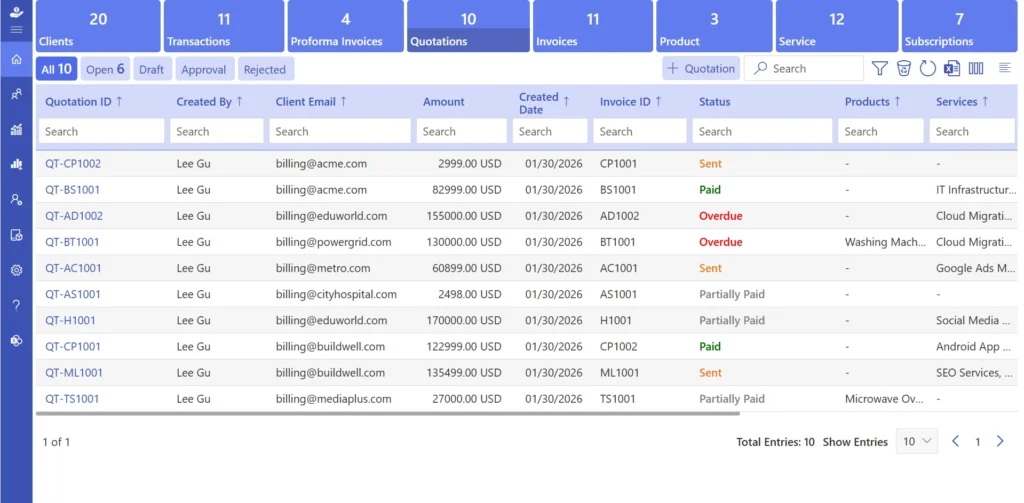
Sometimes customers need special pricing. The software lets you create custom quotes in a few steps. Users can edit prices terms and plan details to match customer needs. Once ready users can send the quote to the customer with one click. The CPQ tools helps your team close deals faster and makes the customer feel valued.
7.Track Transactions
Every payment made is recorded in the system. As per CFO.com, 48% of subscription businesses face difficulties in managing accounting and reporting. This highlights the growing need for smarter tools that simplify financial tracking in recurring revenue models. Admins can see what was paid when it was paid and by the users. This gives you a full view of your income.
8. Compliance Management
Subscription management software supports regulatory requirements through audit logs, access controls, and policy-based workflows. It helps maintain accurate records for billing, contracts, and user activity across every transaction.
It also supports documentation tracking and audit readiness, making internal reviews and external checks easier to manage.
9. Manage Add-Ons
Easily handle add-ons, upgrades, and plan variations within a single platform. Subscription management software allows businesses to assign features, modify plans, and control pricing structures without complexity. It also supports dynamic plan changes, allowing users to upgrade or switch services without interrupting billing cycles.
10. Reporting and Analytics
The platform helps users easy to generate reports on your business. You can see how much money you earned which plans are most used and how many customers stayed or left. These reports help you make smart business decisions. Customers can also spot problems early and find ways to improve. Clear reports helps your business grow with confidence.
The right features can make all the difference
From automated renewals and invoicing to revenue tracking and subscription insights, Revenue 365 brings all the essential tools together in one platform.
Benefits of Subscription Management Software
Running a subscription business comes with many moving parts. From billing to customer service every subscription metrics matters. Here are some important benefit benefits to consider.
1. Improved Customer Experience
Customer happiness is the heart of any subscription business. When people sign up for a service, they expect things to be simple. Subscription management software makes it easy to join a plan change it anytime and receive help without any trouble. It keeps customers updated about their payments and subscriptions. A smooth and problem-free journey keeps customers loyal and satisfied.
2. Efficiency and Automation
Running a subscription business involves many small but important tasks. Doing them all by hand takes a lot of time and can lead to mistakes. Subscription software takes care of these tasks automatically. It sends reminders updates account details and handles billing without needing someone to do it manually.
3. Faster Billing and Invoicing
A study by BCG found that 59% of companies face major customer issues because of billing disputes. It shows that getting paid on time is very important for a business to stay strong. The business billing software makes billing fast and accurate. It sends out invoices as soon as they are due and keeps records of every payment. This reduces delays and avoids confusion.
4. Real-Time Revenue Tracking
Knowing how the business is performing helps leaders make smart choices. Subscription software gives live updates on earnings cancellations upgrades and renewals. It helps to forecast subscription revenue, what is working and what is not. This helps businesses act fast and adjust their plans without waiting for end-of-month reports.
5. Reduced Payment Failures
Payment failures are a big problem in subscription businesses. It helps prevent this with smart payment retry tools and real-time alerts. It reminds customers when their payment is due or when a payment did not go through. This reduces the chances of losing a customer because of a missed payment.
6. Scalable Operations
As more customers join the service it can become hard to keep up. The tool is built to grow with the business. The platform can handle thousands of customers without slowing down. It works just as well with ten customers as it does with ten thousand. This means there is no need to hire extra staff or use new systems. It supports growth in a smart and cost-effective way.
7. Cost Savings
Using too many tools or doing tasks manually can cost a lot of money. Subscription management software helps save money by reducing the need for manual work and extra software. Online subscription management software lowers the chances of billing errors which can be expensive. It also reduces the need for support staff by automating routine processes.
8. Increased Revenue
Revenue grows when customers stay longer and are more engaged. Subscription software helps make that happen. It improves the customer journey supports upgrades and encourages renewals. It also gives insights into what customers like which helps create better plans and offers. These features work together to boost revenue without needing extra effort
Best Practices to Implement in a Subscription Business
A successful subscription business needs clear systems strong customer focus and simple processes that support growth and build trust. Here are best practices to implement.
- Keep pricing simple and transparent so customers know exactly what they are paying for. Clear pricing builds trust, reduces confusion, and helps customers make faster decisions.
- Display prices in the customer’s preferred currency to create a more comfortable buying experience. This makes costs easier to understand and removes the need for manual currency conversion.
- Make it easy for new customers to get started with clear instructions, simple account setup, and helpful welcome messages. A smooth onboarding experience increases engagement and confidence.
- Offer different subscription plans to match various needs and budgets. Allow customers to upgrade, downgrade, or change plans whenever needed to improve flexibility and satisfaction.
- Automate billing and invoicing to ensure payments are collected on time and invoices are sent accurately. This saves time, reduces errors, and improves the customer experience.
- Provide an easy and hassle-free cancellation process. Customers appreciate having control over their subscriptions, and a simple exit process helps maintain trust in the brand.
- Reward long-term subscribers with benefits such as discounts, exclusive features, early access, or free upgrades. Recognizing loyalty helps strengthen customer relationships and improve retention.
Collect and act on customer feedback regularly. Listening to customer suggestions and concerns helps improve the service, solve issues faster, and create a better overall subscription experience.
How Revenue 365 Helps to Manage Subscriptions Effectively
Revenue 365 is built on the trusted Microsoft ecosystem and works smoothly with tools like SharePoint and Outlook. It brings everything into one place to manage subscriptions with ease. With built-in automation it handles billing renewals and customer updates without manual work. This helps reduce errors save time and give better control over every part of the subscription process.
Built with enterprise-grade security and an intuitive interface, making it easy for both growing businesses and large enterprises to manage subscriptions with confidence.
Backed by SOC 2 compliance, Microsoft certification, and Microsoft Solutions Partner status, providing a trusted and secure subscription management solution.
Fully supports GCC and GCC High environments, offering government-grade security and advanced data protection for organizations operating in highly regulated industries.
Subscriptions don’t have to be hard to manage
With Revenue 365, you can automate renewals, keep billing on track, and get a clear view of your recurring revenue all from one place. See what it can do for your team.
How to Implement Subscription Management Software
Implementing subscription management software takes planning and the right steps to make sure it works well for the business and customers. Here is how to do it the right way.
- Start by setting clear goals for what the software should solve or improve
- Choose software that fits the business model and works well with existing tools
- Inform all teams about the change and assign roles for setup and support
- Move all customer data plans and payment info carefully and safely
- Set up billing plans cycles and rules that match the current offer
- Test the setup with sample data to find and fix issues before launch
- Train the support and billing team to use the software with confidence
- Go live in small steps if needed to avoid disruption
- Watch how the system works and improve it based on results and feedback
Conclusion
Managing subscriptions the right way is key to long term growth and customer trust. A strong subscription management software helps reduce manual work improve accuracy and deliver a smooth experience at every step.
It makes this process simple and effective with smart automation and full control over billing renewals and reporting.
Get started with Revenue 365 today and make subscription management easier faster and more reliable.
Frequently Asked Questions
Does Revenue 365 provide real-time alerts for client payments?
Yes, it sends real-time alerts to help track client payments and reduce delays.
Does Revenue 365 offer personalized billing themes?
Yes, it allows businesses to customize billing themes to match their brand identity.
Does Revenue 365 include compliance management features?
Yes, it supports compliance management to help meet regulatory and audit requirements.
Can Revenue 365 handle subscription upgrades and downgrades?
Yes, the platform allows easy plan upgrades and downgrades to support flexible subscription changes.






















