

_mVFFaHUZhS.webp)
Beginning of a new job must be exciting and not intimidating. However, the initial weeks of employment in the workplace are full of misunderstandings, ambiguous expectations, and lost contacts in the minds of many employees.
Training HR software is used to automate the tasks of onboarding employees, provide role-based training, and provide compliance to ensure that employees can be ramped up faster. AI and automation offer one-on-one learning, foresight, and chatbots.
This is why the employee onboarding training HR software has become one of the most significant investments of contemporary HR teams. Onboarding in 2026 will no longer involve paperwork. It is all about establishing clarity, confidence and commitment early on.
The new guide is designed with HR leaders, founders, and people managers in mind who wish to enhance engagement, minimize early attrition, and establish a solid foundation of long-term performance.
What Is Employee Onboarding Training HR Software?
Employee onboarding training HR software is a computer-based system, which assists organizations to plan, deliver, and monitor onboarding and training processes of new employees. It substitutes the disjointed emails, spreadsheets, and manual follow-ups with the organized workflows and guided learning paths.
This software assists HR teams in the most basic way:
- Provide role based training at the outset.
- Automate the processes of onboarding and reminders.
- Administer documents, policies and acknowledgements.
- Monitor progress of onboarding.
- Provide an equal onboarding process to all employees.
SHRM states that organizations that have structured onboarding programs have better retention rates of 82% and productivity rates of 70% of new hires. The effect of that fact is the only explanation why onboarding software is becoming a strategic HR system, rather than a support tool.
Why Companies Choose Onboarding Software
The manner in which individuals work has been transformed. Teams have become distant, mixed, universal, and dynamic. Recruits might not even enter an office, but he or she is supposed to work fast and with confidence. In the absence of appropriate technology, onboarding becomes uneven, time-consuming, and stressful to the employees and the HR departments.
This is the reason why firms in all sectors are aggressively integrating employee onboarding training HR software to develop scaled, systematic, and humanistic onboarding procedures.
Faster Time to Productivity
Once the new employees know exactly what to do, where to get information and whom to approach in case of need, they are productive within a very short time. Onboarding software is a software that gathers all the training materials, tools, and expectations in a single place.
Employees will be able to concentrate on role learning and achieve results earlier than wasting time searching emails or asking similar questions.
Greater Employee Engagement
The initial weeks determine the perception of employees towards the organization. A lack of understanding and silence results in disengagement, whereas an understanding and connection result in trust.
According to Gallup, the age of employees who strongly agree that their organization does a great job onboarding is only 12%. Onboarding software enhances communication, organization and emotional engagement in the most important phase of the employee lifecycle, which is the welcome, support, and appreciation of the new employee.
Reduced HR Workload
Onboarding should be done manually, which is a waste of work to HR teams. Pursuing documents, sending reminders, and monitoring progress on spreadsheets are time- and energy-consuming activities.
Automation removes these repetitive processes through delegation of duties, reminders and automatic tracking of completion. This enables the HR teams to do meaningful work, including employee experience, culture building, and strategic work.
Increased Compliance and Consistency
Non-compliance errors are expensive and dangerous. Since policy acknowledgements to training security and safety are to be done, all steps should be filled and documented in appropriate ways.
Onboarding software will make sure that all employees are subjected to the same systematic approach. The tasks required are done in time, records are stored in a safe place and audits are simplified. This uniformity not only safeguards the organization but also provides all the hires with a consistent onboarding experience.
Importance of Onboarding as a Pivotal Point in the Employee Lifecycle
The initial 30-90 days of a new job determine the level of satisfaction of an employee with the company, his/her position, and future. The employees make a choice of whether they belong, whether they can succeed, and whether they desire to remain during this period. A poor onboarding process generates suspicion and alienation, whereas a good one generates trust and loyalty.
An effective onboarding program is more than a task description program. It brings comfort and security in times when everything is new.
- Gives expectations early, and therefore employees understand how success would be.
- Establishes psychological safety and trust through day one support.
- Strengthens company values, culture and methods of working.
- Lessens the premature regrets, stress and anxiety which are common causes of exits.
Onboarding training HR software introduces order and uniformity to this important process. It guarantees that all employees are guided, communicated, and supported, thus no one feels like he or she is left alone, overwhelmed, or left alone.
Traditional Onboarding vs Software-Driven Onboarding
Traditional onboarding depends on manual coordination and memory, often causing delays and inconsistency. Software-driven onboarding uses structured workflows and automation to deliver clear, consistent experiences while reducing HR effort and improving efficiency.
| Aspect | Traditional Onboarding | Software-Driven Onboarding |
| Process structure | Relies on emails, spreadsheets, and verbal instructions | Uses structured, predefined onboarding workflows |
| Experience consistency | Varies across teams and managers | Standardized experience for every new hire |
| Task ownership | Often unclear who owns each onboarding step | Tasks are automatically assigned with clear ownership |
| Training delivery | Manual sessions or scattered documents | Centralized training modules and learning paths |
| Progress visibility | Limited or no visibility for HR and managers | Real-time dashboards to track onboarding progress |
| HR workload | High manual follow-ups and coordination | Automated reminders reduce HR effort |
| Remote readiness | Difficult to support remote or hybrid hires | Designed for remote, hybrid, and global teams |
| Compliance tracking | Forms and policies tracked manually | Automated compliance with secure record storage |
| Time to productivity | Slower due to confusion and delays | Faster ramp-up with guided onboarding journeys |
How Great Onboarding Improves Engagement and Retention
Onboarding is not a simple HR activity, but a rather emotional exercise that determines the attitude of new employees towards their work and the organization from the first day. The initial impression counts, and a properly designed onboarding program may turn a motivated and loyal employee into a lost or disoriented one.
When onboarding is executed properly, the employees feel:
- Accepted rather than hurried into work.
- Assured rather than disoriented on expectations.
- Linked rather than detached to their team and company culture.
- I appreciate it rather than neglected.
Training HR software based on employee onboarding improves employee engagement and retention by:
- Breaking down learning into small and clear steps, so that the employees do not feel overwhelmed by the information.
- Promoting active participation of the manager, establishing significant relationships and mentorship.
- Supporting the progress with milestones and checkpoints, providing new employees with a feeling of accomplishment.
- Developing early victories, increasing confidence and motivation to make a contribution fast.
- Offering regular, organized experiences regardless of whether the employees are in-office, hybrid or remote.
Harvard Business Review states that it may cost between 30 and 50% of an annual salary to replace an employee, and retention is a very important business priority. Investing in effective onboarding and using the HR software of employee onboarding, organizations decrease the rate of turnover and promote the higher productivity and engagement, as well as the long-term loyalty.
10 Features to Look for in Onboarding Training Software
It is important to select the appropriate onboarding platform. The most effective employee onboarding training HR software does not only address day-one activities, but also assists the entire employee experience, preboarding, the first 90 days and beyond. The features that are important to consider when assessing a platform include:
- Automated Onboarding Processes – Automate repetitive processes such as welcome email, training assignment, or introduction scheduling. Automation makes sure that nothing is overlooked and saves on HR.
- Role-Based Training Paths – Job-role and department or location-specific onboarding content is an example of this type of training path, which enables new employees to focus on the most important content to their work.
- Document Management and E-Signatures – Keep all forms, policies and agreements in a secure digital storage and have the capability to e-sign and improve compliance and paperwork.
- Progress Tracking Dashboards – View the real-time onboarding completion rates, progress of tasks, and learning milestones, and thereby the HR and managers can guide new employees.
- Manager and IT Task Coordination – Have managers and IT teams assign tasks to install equipment, be able to access it or introduce it and ensure that new employees are ready to start.
- Remote and Mobile Access – Remote and hybrid teams – enable employees to complete onboarding activities and training modules and checklists anywhere on any device.
- Connection with HR Systems – Connect with the applicant tracking systems (ATS), payroll, HRIS, and learning management systems to ensure consistency in the data and avoid unnecessary duplication.
- Department, Team, or Role-specific Onboarding Checklists – Adapt onboarding checklists by department, team, or role to allow the HR teams and managers to offer a structured and standardized onboarding experience.
- Compliance and Audit Support – Track policy recognitions and certifications and store them in a secure place in case of audit and reduce compliance risks.
- Analytics and Reporting – Measure onboarding performance, identify gaps, and enhance data-driven to enhance engagement, turnover, and time-to-productivity.
The HR software of right employee onboarding training helps to turn the onboarding training into a supportive, structured, and engaging experience, which saves the HR efforts, increases the retention and productivity in the long term.
Typical Pains in the Absence of Onboarding Software
Companies with manual onboarding usually face major challenges that impact the staff and human resource departments. These challenges include:
- Employee disengagement at the initial stages – New employees might experience a sense of confusion, lack of connection, or support which decreases motivation and early input.
- Lapsed training and compliance processes – Manual tracking leads to the risk of missing learning modules, missing forms or missing policy acknowledgements.
- Poor consistency in the quality of onboarding – There is a wide variation in the quality of onboarding across departments, locations, or managers, which is confusing and results in the incomplete preparation.
- Large first-90-day turnover – Employees are likely to turn over in the first three months without a formal onboarding program, which affects retention and productivity.
- Ineffective HR departments – Paperwork, follow-ups, and reminders are still manual, which eat up the HR time, leaving the team with less time to focus on coaching and employee support.
This underscores the fact that employee onboarding training HR software is required to provide a supportive, consistent, and structured experience on the first day.
Top 10 Employee Onboarding Training HR Software in 2026
This underscores the fact that employee onboarding training HR software is required to provide a supportive, consistent, and structured experience on the first day.
1. Employee Onboarding 365
Employee Onboarding 365 is developed on the Microsoft 365 and SharePoint, which is why it is a logical selection of organizations that already have Microsoft tools. It assists HR teams to provide a secure, consistent and well-organized onboarding experience without altering the way employees operate.
New employees receive a clear direction on the first day. HR departments save on manual labor. Managers are aware of what to do and at what time.
Why HR teams choose it:
- Known Microsoft 365 setting enhances adoption.
- Single point of onboarding of all new employees.
- Effective security and compliance.
Key features:
- Native Microsoft 365 integration.
- Onboarding portals based on SharePoint.
- Onboarding automation and notifications.
- Profession-specific orientation and training trips.
- Sharing and acknowledgements of documents.
Best for:
Mid-sized and large organizations on Microsoft 365 and SharePoint.
2. BambooHR
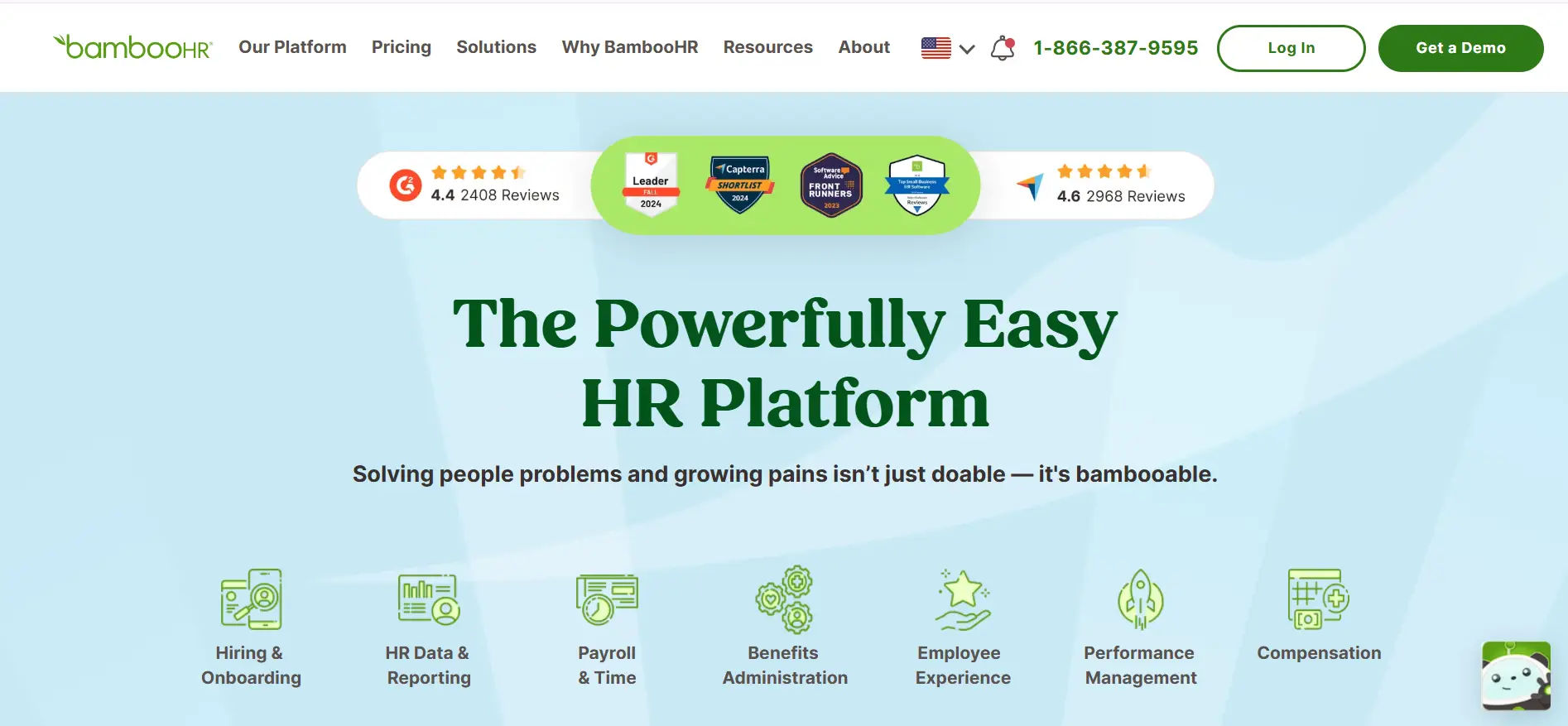
BambooHR is aimed at simplicity and easy usage that suits growing companies that do not need complex setups to onboard their employees. It offers a systematized, orderly onboarding process.
The new hires are provided with a clear roadmap on the first day, which involves the tasks to be accomplished and whom to meet. Monotonous activities such as welcome emails, forms, and tracking of progress can be automated by the HR teams to cut down on manual work. Managers will be able to track the progress of onboarding and offer timely assistance.
Why HR teams choose it:
- Uncluttered and usable interface.
- Quick installation and little training.
- Strong core HR features.
Key features:
- New hire task checklists
- E-signatures and document management.
- Self-service portal of employees.
- Simple progress tracking of onboarding.
Best for:
Small to medium sized companies that require straightforward onboarding.
3. Workday Learning
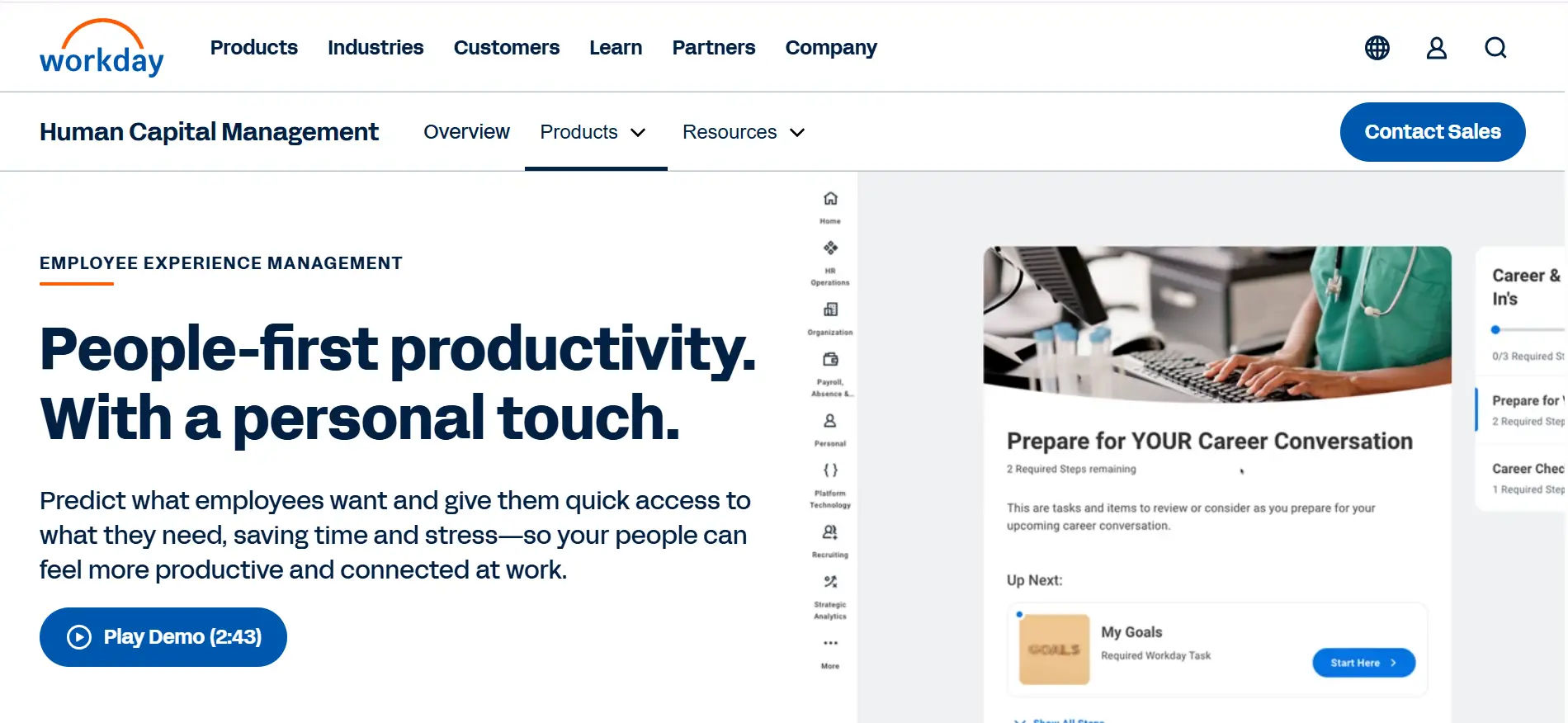
Workday Learning is designed to support large companies with intricate onboarding and training requirements. It sustains global teams, multi-role and advanced reporting and thus it suits well to enterprises that need organized and scalable learning programs.
The new employees are offered role-specific training opportunities and clear guidance on the first day. Real-time reporting dashboards allow HR teams to monitor progress, enforce compliance, and create insights. Managers are able to see the completion of learning and assist the employees where necessary and keep everyone on track.
Why HR teams choose it:
- Manages massive onboarding programmes.
- Helps in meeting international standards.
- Strong analytics and reporting.
Key features:
- Combined learning management.
- Role-based training courses.
- High-tech reporting dashboards.
- Global onboarding support
Best for:
High-scale businesses with complicated HR.
4. SAP SuccessFactors
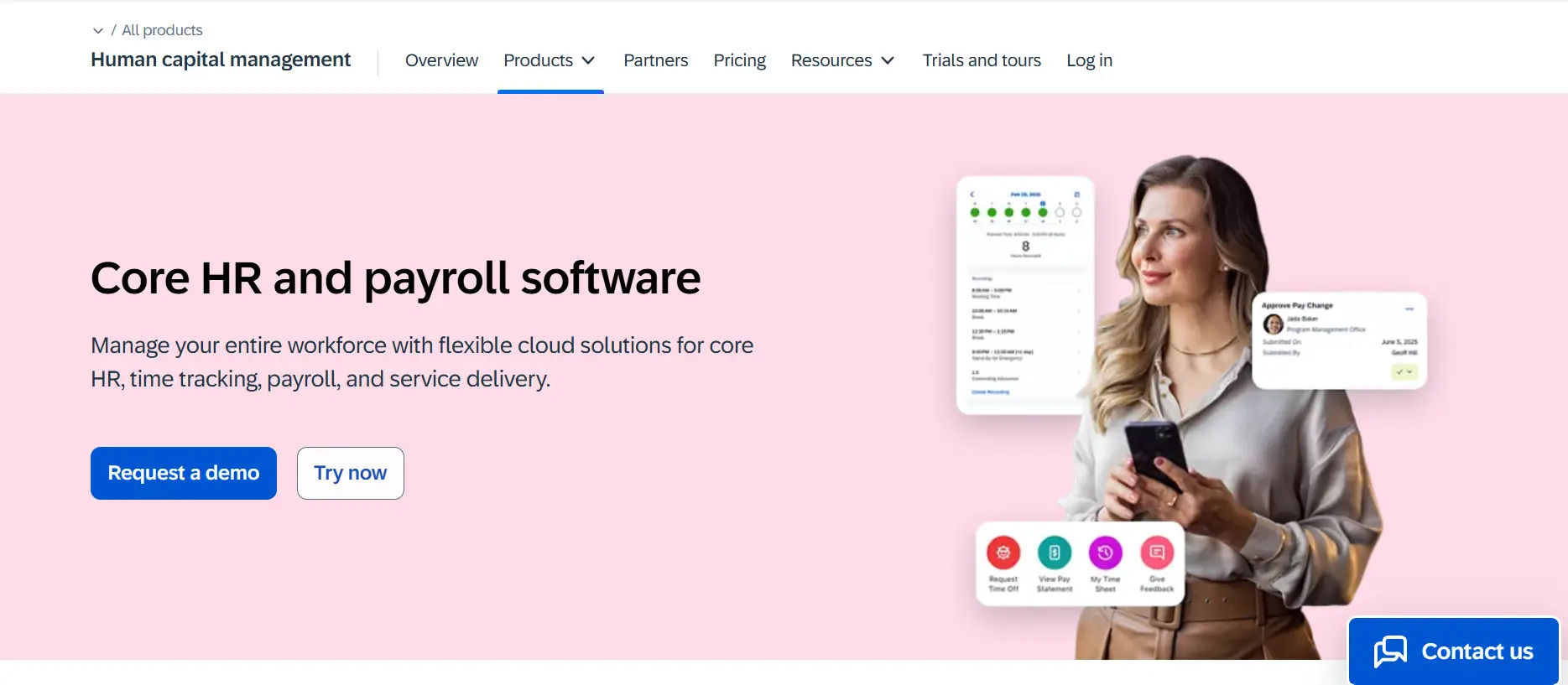
SAP SuccessFactors provides onboarding at an enterprise level that is compliance-oriented, structure-oriented, and global workforce management. It is best suited to organizations that are geographically spread and require to onboard uniformly and comply with local rules.
New employees have systematic onboarding processes, which mean that they are aware of their roles, responsibilities, and company policies on their first day. HR departments will be able to automate the work, monitor its completion, and control compliance in different locations. Managers are able to see how far they have gone and can support the employees in time and integrate them with ease.
Why HR teams choose it:
- Good compliance and governance controls.
- International onboarding processes.
- Deep HR process integration
Key features:
- Automated onboarding processes.
- Tracking of policy and compliance.
- Global workforce support
- Integration of learning and development.
Best for:
Big and international companies.
5.Rippling
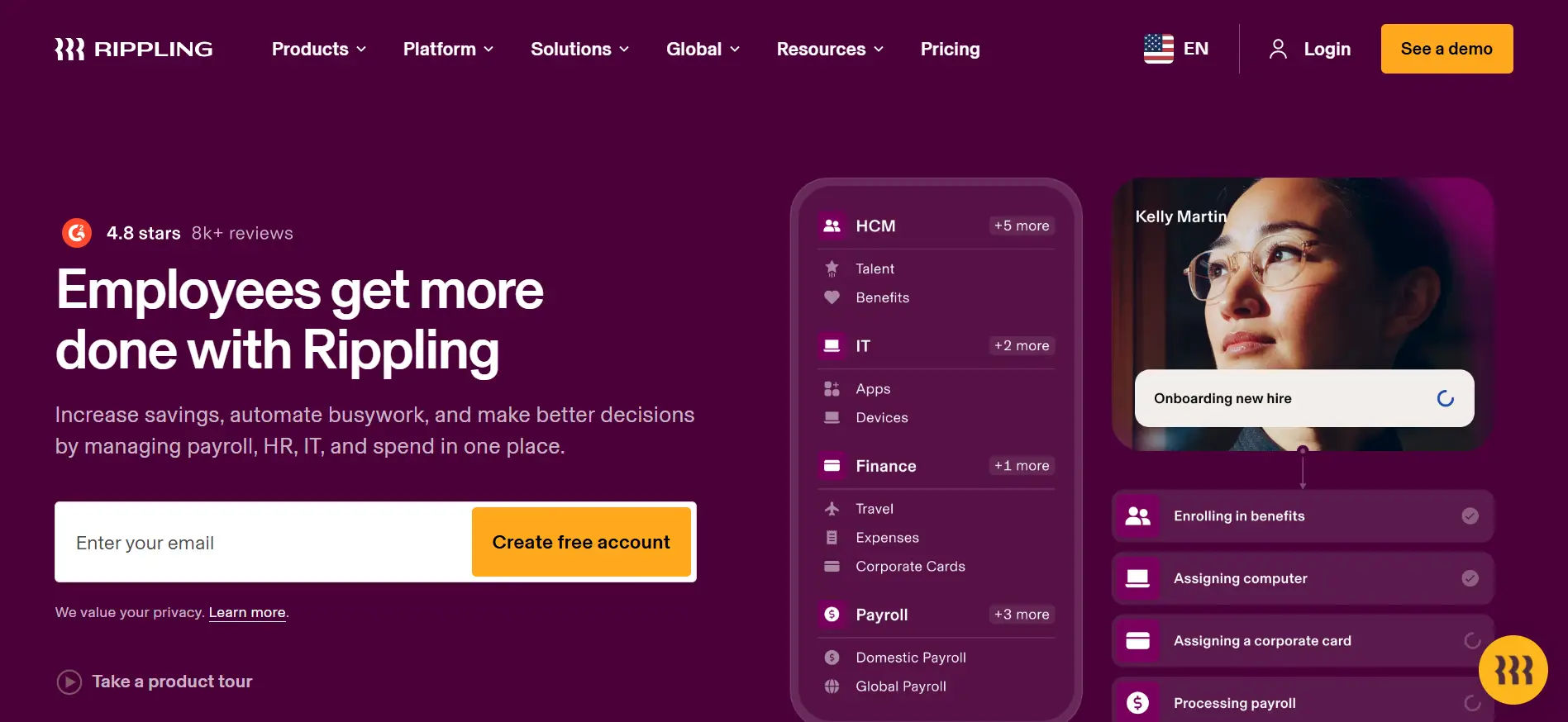
Rippling integrates HR, IT, and onboarding into a single platform, which facilitates a seamless process of new employment. It extends beyond training in automating access to employees, setting up of devices, and permissions to the system to ensure that everything is in place on the first day.
With no manual follow-ups, HR teams can assign tasks, monitor their completion, and compliance. Managers can be seen the setup and progress of every employee which minimizes delays and confusion. New employees are ready, motivated and efficient.
Why HR teams choose it:
- A single HR and IT onboarding system.
- Faster employee setup
- Less manual coordination
Key features:
- Automated devices and apps provisioning.
- Onboarding task automation
- Management of employee lifecycle.
- HR and IT system integration
Best for:
High-tech and rapidly expanding businesses.
6. Gusto
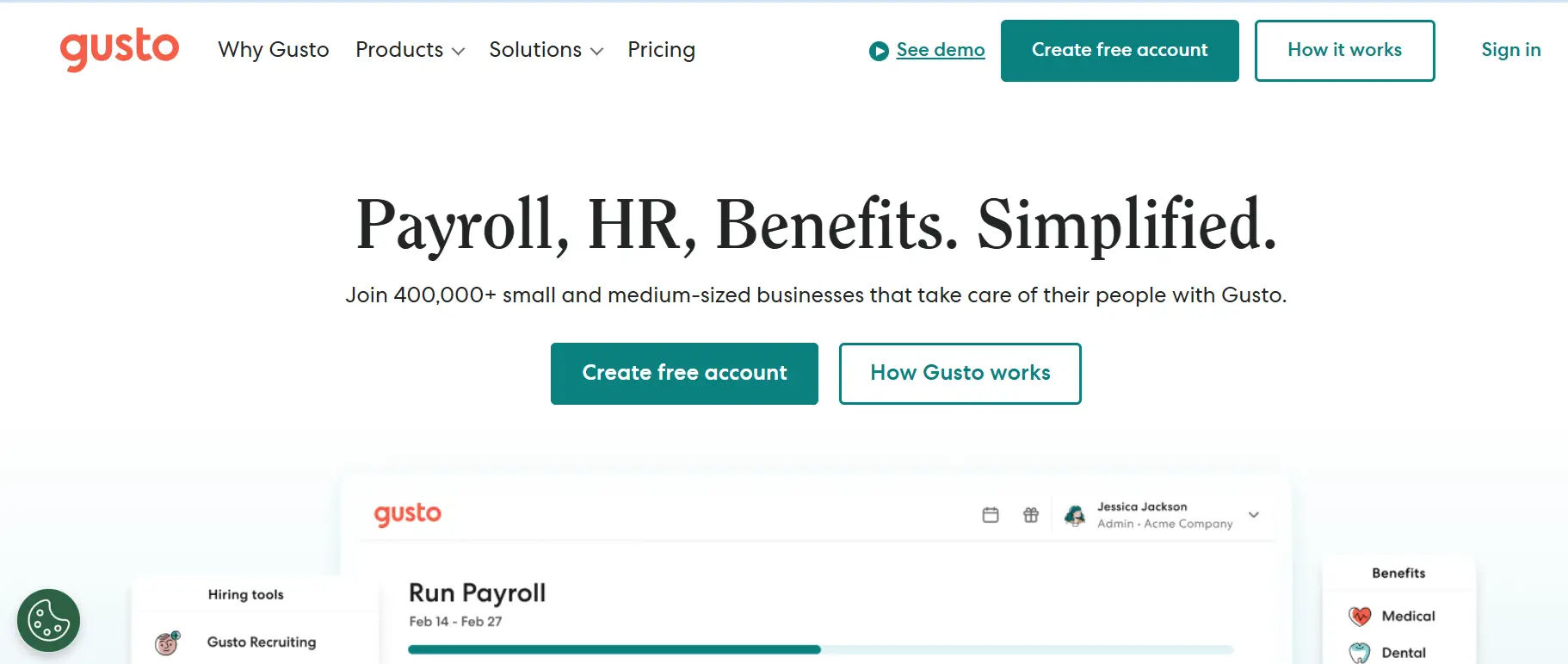
Gusto is an onboarding, payroll, and basic training solution that is simple and integrated to use by small businesses. It enables the HR departments to do the work of new hires in a single location and the employees are aware of what to do and have the resources they require on the first day.
At Gusto, the onboarding process is transparent, well-organized, and adherent. Employees have the opportunity to fill the forms, consult the policies and do the training at their own pace and HR teams save time on repetitive work. The new employees feel ready and welcomed, increasing the involvement even on the first day.
Why HR teams choose it:
- Small teams can easily manage it.
- Merges payroll and onboarding.
- Minimal learning curve
Key features:
- Onboarding processes by new hires.
- Payroll and benefits integration.
- Basic training support
- Compliance assistance
Best for:
Small business and startups.
7. Docebo
Docebo is an AI-based learning solution designed to support onboarding and training of expanding or international companies. It offers individualized learning experiences that are tailored to the role, skills and learning style of each employee.
Due to its integration of onboarding and continuous learning, Docebo will enable employees to gain confidence in a short period of time. HR departments are able to monitor progress, allocate role-specific training, and provide all employees with a structured learning process, which is in line with the objectives of the company.
Why HR teams choose it:
- High emphasis on learning experience.
- Individualized training experiences.
- Scales well across teams
Key features:
- Artificial intelligence-based learning suggestions.
- Role based onboarding training.
- Analytics and reporting in learning.
- Content management tools
Best for:
Training-focused organizations.
8. Trainual
Trainual enables businesses to document processes and transform them into formal onboarding training. It also makes sure that all new employees are able to learn how things are done, and this will minimize confusions and accelerate the production process.
The platform assists the HR departments in recording best practices, role-specific training, and progress. The step-by-step instructions to the tasks can be accessed quickly by the employees, which makes them become confident and independent sooner.
Why HR teams choose it:
- Well documented processes.
- Easy knowledge sharing
- Regular onboarding material.
Key features:
- Centralized knowledge base
- Sequential onboarding instructions.
- Process and policy documentation.
- Progress tracking
Best for:
Expanding companies and process-based teams.
9. Lessonly
Lessonly is skill-based in its onboarding and coaching, which is why it is ideal in customer-facing or communication-intensive jobs. Training to employees is done in the form of interactive lessons, practice exercises, and real-time feedback.
Through HR and managers, progress can be monitored, lessons can be assigned and advice given to the new hires as the critical skills are gained. The systematic strategy makes the employees feel that they have support, are involved and are willing to give their best on the first day.
Why HR teams choose it:
- Strong coaching tools
- Engaging learning process.
- Manager involvement
Key features:
- Coaching-based onboarding
- Training modules that are interactive.
- Skill tracking
- Feedback and assessments
Best for:
Customer facing, support and sales teams.
10. Paycor
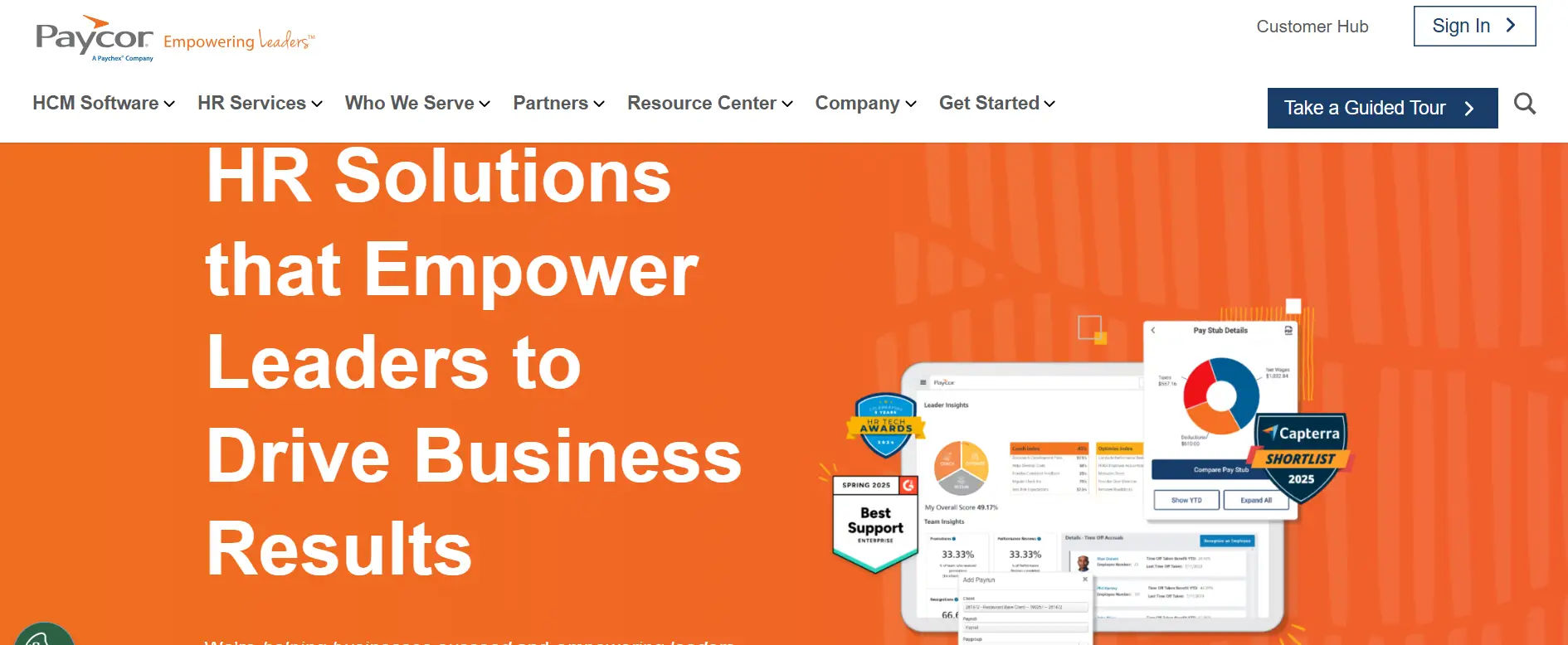
Paycor also combines onboarding and training into a larger HR platform so that organizations can manage compliance, employee data and workflows under a single roof. This provides a uniform structured onboarding process to all new employees.
The platform also facilitates scalable onboarding, enabling the HR departments to delegate duties, track their fulfillment and make sure that all the employees are ready to work. Employees have a sense of clarity and confidence and HR saves on manual effort and compliance.
Why HR teams choose it:
- All-in-one HR platform
- Compliance-focused onboarding
- Employee records that are centralized.
Key features:
- Onboarding workflows
- Training and compliance monitoring.
- Employee data management
- Reporting and analytics
Best for:
Expanding organizations who desire a single HR system.
How AI and Automation Are Revolutionizing Employee Onboarding
Onboarding software is changing how businesses introduce, train, and keep new hires through AI. Modern platforms now offer:
- Tailor-made training plans that change with the position of the employee, his/her level of skills and learning.
- Prioritization of tasks to be undertaken smartly so that new hires can be engaged in the most crucial activities first and this will help them not to be overwhelmed.
- Anticipatory retention information that assists the HR to detect employees who are likely to become disengaged early.
- Instant answers to frequent questions, policies, and training advice Chatbot-based employee support.
Gartner predicts that 70% of HR processes will be based on AI-powered automation by 2027, and onboarding leads in this change. AI does not only accelerate processes but also makes the experience of employees faster, more engaging, and productive and confident on the first day of employment.
Conclusion
Onboarding training HR software is required to achieve quicker productivity, increased engagement and reduced turnover. It makes new employees feel that they are supported and confident on the first day.
Book a demo today to learn how Employee Onboarding 365 will help streamline the onboarding process and increase the effectiveness of teams.
Join Our Creative Community
Frequently Asked Questions
Which is the best employee onboarding training software in 2026?
The optimal employee onboarding training software assists organisations in training new employees, automating work and monitoring new employee progress. Employee Onboarding 365 is the best option to use in the case of companies that employ Microsoft 365 with role-specific training journeys and onboarding dashboards in real-time.
Does it have a free employee onboarding training software?
Some of the platforms have free trial options to allow the HR teams to test the features such as onboarding checklists, document management, and automation of tasks. A free trial will enable organizations to understand how onboarding software can enhance productivity and engagement prior to investing.
What is the recommended employee onboarding software in the small business?
Onboarding software is easy to use and install, and it automates manual processes, which is beneficial to small businesses. The Employee Onboarding 365 or any other similar solutions can assist the small HR team with training, compliance, and task assignments.
How does HR onboarding software compare with traditional onboarding?
Unlike the traditional ways of coordinating and using manual systems and emails to carry out training, tasks, and compliance, HR onboarding software makes it all centralized and on one platform. It offers HR visibility, consistency to new recruits, and remote or hybrid workers.
Is it possible to employ an employee onboarding app on remote teams?
Indeed, most employee onboarding applications enable new employees to go through training courses, checklists, and document submissions at any location. Such applications will help HR and managers to monitor progress, delegate tasks, and give guidance in real time.


_JiluXJRGNl.svg)























