
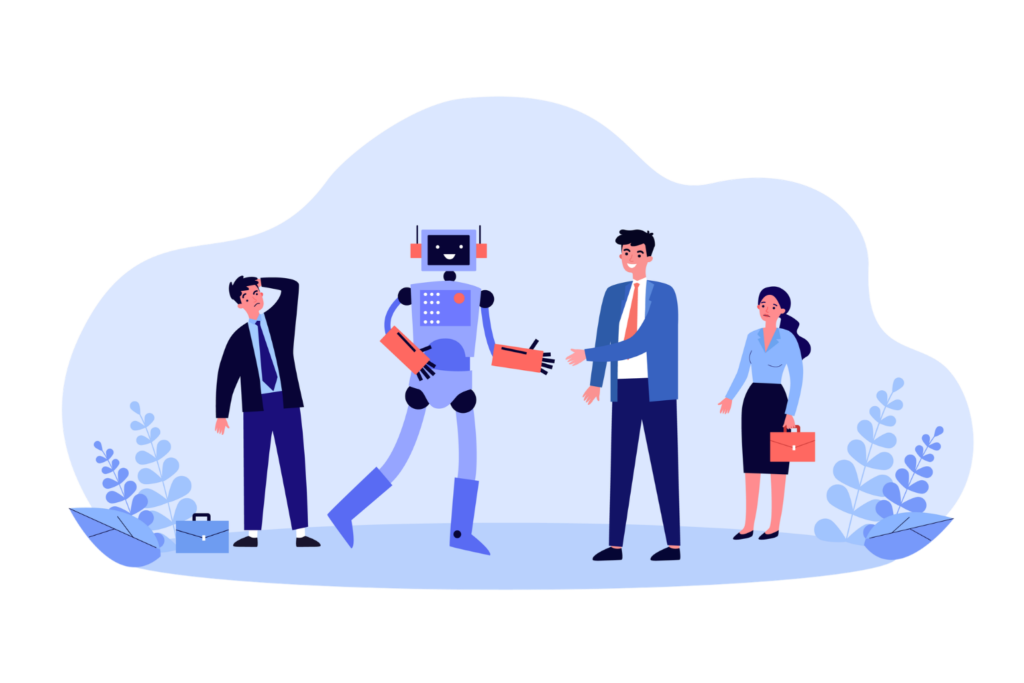

AI for employee onboarding Software is transforming the way companies receive and orient new employees. Companies are abandoning the use of fragmented emails, paperwork and manual follow-ups in favour of AI to provide structured, consistent and engaging experiences.
- AI automates paperwork, approvals, and training steps, so onboarding moves faster.
- HR teams spend less time on repetitive tasks and more time on people.
- AI gives new hires personalized guidance and instant answers.
- Structured onboarding improves compliance and cuts down on errors.
- Remote and hybrid teams get a consistent experience, no matter where they work.
Old-school onboarding doesn’t work well anymore. Remote and hybrid teams are now the norm, and that exposes the gaps in paper forms, scattered emails, and manual check-ins.
AI brings structure and automation to every stage of onboarding. Instead of reacting to problems, companies can guide new hires from the start.
History of Employee Onboarding
Old-school onboarding doesn’t work well anymore. Remote and hybrid teams are now the norm, and that exposes the gaps in paper forms, scattered emails, and manual check-ins.
AI brings structure and automation to every stage of onboarding. Instead of reacting to problems, companies can guide new hires from the start.
Here’s what AI-driven onboarding does:
- Replaces paperwork with automated electronic processes, cutting down errors and delays
- Keeps onboarding consistent across every department
- Speeds up system access, approvals, and task completion
- Gives HR, managers, and employees real-time visibility into progress
- Sends timely reminders so no step gets missed
With the introduction of intelligence, organizations do away with guess work and manual dependence. The outcome is a more predictable, smooth onboarding process in which new employees feel encouraged, educated, and prepared to work.
PwC Estimates that by 2026, 67% of large organizations are intending to use AI-assisted onboarding solutions to enhance consistency and efficiency.
Curious how AI-driven onboarding could look at your company?
See what a guided, automated setup feels like in practice.
Challenges of Traditional Onboarding
Onboarding automation for both new hires and HR teams. Manual processes lack structure, and that makes it hard to give employees a smooth experience.
Common problems include:
- Slow document and approval cycles — Paper-based approvals need constant follow-up, which delays new hires from using the systems,onboarding tools, and resources they need most.
- Unclear onboarding steps — New employees often don’t know what to do next or when. This confusion adds stress and shakes their confidence early on.
- Too many repetitive questions for HR — HR teams answer the same policy and benefits questions again and again, leaving less time for real engagement.
- Inconsistent onboarding across teams — Different departments run onboarding differently, so new hires get uneven levels of support.
- Poor tracking of progress and compliance — Manual tracking makes it hard to see who finished training or met compliance requirements. AI fixes this with automated, real-time tracking.
Key Benefits of AI in Employee Onboarding
AI adds value through speed, consistency, and better employee engagement. Instead of a one-time event, onboarding becomes an ongoing, guided experience.
Here’s what AI delivers:
- Faster time to productivity — Automated task tracking keeps new hires on the right steps at the right time, so they start contributing sooner.
- Less work for HR — AI handles routine tasks like document collection and approvals, freeing HR teams to focus on culture and strategy.
- Higher engagement — Personalized materials, interactive training, and real-time guidance keep onboarding interesting instead of overwhelming.
- Better retention — A smooth, supportive onboarding process builds confidence early, which leads to stronger long-term commitment.
- Easy scaling for distributed teams — AI-based onboarding works across departments, locations, and time zones without adding extra HR workload.
According to Gartner, onboarding enhanced with technology boosts the retention of new hires by 82% and speed of productivity onboarding by 2.5 times, confirming the importance of AI.
These advantages make AI onboarding a strategic asset, which includes building better teams, lowering turnover in the first year, and making a long-lasting first impression.
Best Practices AI for Employee Onboarding
The application of AI must be done thoughtfully in terms of automation and human touch. When used in a strategic manner, AI assists HR and improves the new hire experience, and does not eliminate personal interaction.
Automate high-impact processes first
Start with the tasks that slow onboarding down the most paperwork, approvals, and checklists. Digital forms and automated approvals cut down on mistakes and save time at every step. This frees HR to focus on higher-value work early on, instead of chasing signatures. It also gives new hires faster access to what they need on day one.
Pair AI with human check-ins
Use AI to show employees only what’s relevant to their job. Role-based training, department-specific instructions, and tailored career paths help new hires learn faster. It also keeps them motivated instead of overwhelmed by content that doesn’t apply to them. Over time, this personalization builds a stronger sense of relevance and direction.
Improve continuously with onboarding analytics
AI tracks completion rates, engagement levels, and common bottlenecks across the onboarding journey. HR teams can use this data to spot issues early, before they affect more new hires. Over time, this makes the onboarding process stronger, faster, and more efficient. Small adjustments based on real data tend to compound into big improvements.
Integrate with your existing HR tools
Connect AI onboarding with the systems your team already uses, including platforms such as Microsoft Teams. This cuts down on tool switching and keeps communication centralized in one place. It also makes adoption easier for new hires, since they’re not learning a brand-new system. The result is a smoother, more connected daily workflow.
Review and refine onboarding content regularly
Onboarding materials can go stale fast as policies, tools, and teams change. Regularly updating content keeps guidance accurate and relevant for every new hire. This prevents new hires from following outdated steps or referencing tools the company no longer uses. A quarterly review is often enough to keep things current.
Personalization With AI for Onboarding
One of AI’s biggest strengths is personalization, and it doesn’t add extra work for HR. It’s easy to scale onboarding with Copilot AI, since it’s contextual, guided, and responsive to each employee
Context-based learning and task instructions
Copilot AI shows tasks, documents, and learning materials based on an employee’s role and onboarding stage. Nothing irrelevant gets in the way of what they actually need to know. This keeps new hires focused on what matters for their job, rather than sifting through generic content. It makes the first few days feel far less overwhelming.
Suggestions based on progress
As new hires complete tasks, Copilot AI suggests the next steps and supporting resources automatically. This keeps the onboarding journey moving in a clear, logical order. Employees always know what comes next without needing to ask. It removes the guesswork that often slows down early progress.
Flexible onboarding schedules
Copilot AI adjusts pacing based on task completion and engagement levels. Employees with different experience levels can move at a pace that works for them. No one feels rushed or held back by a fixed, one-size-fits-all schedule. This flexibility helps both new grads and experienced hires succeed.
Role-congruent support and guidance
New hires get support that matches their specific responsibilities, tools, and policies. This makes expectations clear from the very start of their journey. It also reduces the number of basic questions HR needs to answer day to day. Employees feel more prepared because the guidance actually applies to them.
Centralized access to resources
New hires get support that matches their specific responsibilities, tools, and policies. This makes expectations clear from the very start of their journey. It also reduces the number of basic questions HR needs to answer day to day. Employees feel more prepared because the guidance actually applies to them.
How AI Enhances the New Hire Experience
The first few weeks shape how a new hire feels about their job, team, and company. Without structure, confidence can drop quickly. AI helps keep employees engaged, clear, and supported from day one
Clear task lists and workflows
New hires get a step-by-step view of their tasks, deadlines, and the reasoning behind them. This removes guesswork and keeps them focused on learning instead of figuring out what to do next. Clarity early on builds confidence fast, especially during the first week. It also reduces the anxiety that often comes with starting a new job.
Instant help through chatbots
New hires get a step-by-step view of their tasks, deadlines, and the reasoning behind them. This removes guesswork and keeps them focused on learning instead of figuring out what to do next. Clarity early on builds confidence fast, especially during the first week. It also reduces the anxiety that often comes with starting a new job.
Visible progress tracking
Status updates and progress indicators give new hires a sense of achievement as they complete tasks. Seeing progress build up over time is genuinely motivating. It also helps managers spot anyone who might be falling behind before it becomes a bigger issue. Visibility benefits both the employee and the people supporting them.
Less uncertainty in the early weeks
Regular reminders and easy access to information keep new hires informed at every stage of onboarding. This reduces doubt during a period that’s often stressful and unfamiliar. A smoother, more predictable process means a more confident employee by the end of week one. That confidence tends to carry forward into how they approach their role
Stronger connection to company culture
Guided onboarding introduces new hires to company values and ways of working, not just tasks and checklists. This helps them feel like part of the team faster than a purely administrative process would. A strong early connection tends to carry into long-term engagement and loyalty. It also makes new hires more likely to reach out and collaborate early on.
Faster confidence building
When employees are supported and informed from the start, they settle into their role more quickly. They collaborate more easily and start contributing sooner than they would without guidance. That early confidence often shapes how they perform long after onboarding officially ends. In many cases, it sets the tone for their entire first year.
Assuring AI Compliance and Accuracy
Paper-based compliance tracking leads to missed steps, slow approvals, and inaccurate records. This adds risk and pressure for HR teams.
AI improves compliance by:
- Automating document collection and approvals — forms and documents are tracked automatically, cutting down on follow-ups and errors
- Tracking policy reads and training completion — so no compliance requirement slips through
- Standardizing onboarding across departments — every team follows the same process
- Reducing audit risk with real-time dashboards — gaps are easy to spot and fix
AI-based compliance tools reduce errors, create a predictable process, and build trust across the organization.
Remote and Hybrid Onboarding Support
Remote and hybrid onboarding needs to be clear and easy to access. Without face-to-face guidance, new hires can feel disconnected. AI keeps the experience consistent no matter where employees are located.
AI supports remote onboarding by:
- Going fully digital — documents and approvals are completed online from anywhere
- Offering on-demand training — new hires access role-specific materials whenever they need them
- Sending time-zone-aware reminders — AI notifies employees about tasks and deadlines automatically
- Connecting to familiar tools — integration with Microsoft Teams and Outlook keeps employees in tools they already know
According to LinkedIn Global Talent Trends 2024, onboarding using digital and AI technologies results in higher engagement and shorter ramp-up times. Structured onboarding helps remote and hybrid employees integrate into the organization as quickly as possible.
Conclusion
AI-driven onboarding automates paperwork, simplifies workflows, and gives new hires personalized guidance from day one. It reduces HR workload, strengthens compliance, and helps employees become productive faster. In today’s remote and hybrid workplaces, AI ensures every new hire gets a consistent, engaging, and efficient start.
See how it works before your next start date
Managing onboarding across time zones can get messy fast. Here’s how automated reminders keep every hire on track.
Join Our Creative Community
Frequently Asked Questions
How does AI improve employee onboarding?
AI automates repetitive tasks like paperwork and approvals, gives new hires personalized guidance, and keeps HR teams updated on progress in real time.
Is AI onboarding suitable for remote and hybrid teams?
Yes. AI onboarding works across time zones and locations, giving every employee the same guided experience regardless of where they’re based.
Does AI onboarding replace HR teams?
No. AI handles repetitive administrative work, so HR teams can focus on culture, engagement, and strategic tasks that need a human touch.
How does AI help with onboarding compliance?
AI tracks document approvals, policy reads, and training completion automatically, reducing the risk of missed compliance steps.


_JiluXJRGNl.svg)























