
_mVFFaHUZhS.webp)
Managing employee time off doesn’t have to drain your energy or waste precious hours. Smart AI vacation tracker solutions are revolutionizing how businesses handle absence requests, turning chaos into clarity with automated workflows that save time and reduce errors.
AI-integrated leave management systems automate the employee time-off process by managing requests, approvals, and tracking in real time. It trades smart processes for manual ones and integrates workflows that in turn saves time, lowers the chance of mistakes, and increases visibility for all.
Providing intelligent insights and compliance, PTO tracker software increases productivity and employee experience. It also allows businesses to manage time off efficiently while providing trust and work-life balance.
Today’s AI leave management software eliminates the frustration of manual tracking, spreadsheet nightmares, and endless email chains. Modern AI PTO tracker technology delivers instant approvals, real-time visibility, and seamless coordination—giving HR teams, managers, and employees the freedom to focus on what truly matters.
Why Traditional PTO Management Is Broken
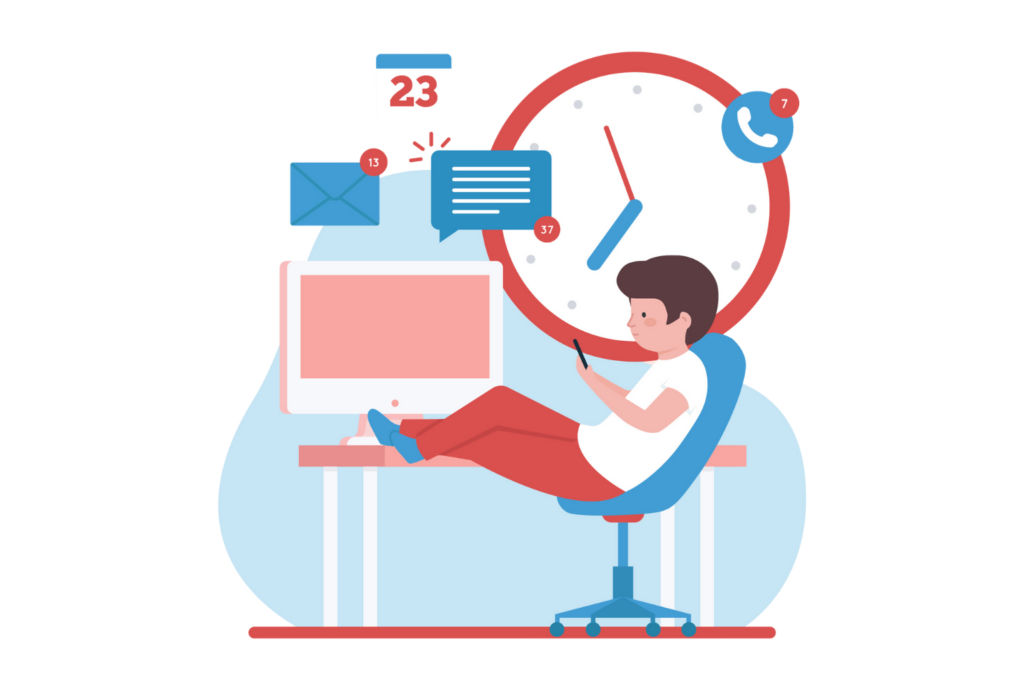
Picture this: It’s Monday morning, and your inbox is flooded with leave requests. Sarah needs approval for next week. Mike submitted his form three days ago but hasn’t heard back. Jennifer’s wondering if she has enough days left for her summer trip.
Sound familiar?
Here's the truth about old-traditional leave tracking:
- Paper forms get lost between desks
- Spreadsheets contain outdated information
- Managers forget to respond to requests
- Employees feel frustrated and ignored
- Compliance errors cost companies thousands
- Manual calculations lead to payment mistakes
- Tracking multiple leave types becomes overwhelming
- Approval chains create unnecessary delays
Traditional methods create bottlenecks. They waste time. They damage morale. They hurt your bottom line.
But there’s a better way.
The Hidden Costs You're Paying
Manual leave tracking isn’t just annoying—it’s expensive. Consider these eye-opening statistics that should make every business leader pay attention.
According to research, 73% of HR professionals spend over maximum hours weekly managing manual leave administration tasks. That’s an entire workday consumed by paperwork instead of strategic initiatives that actually grow your business and develop your people.
Think about what your HR team could accomplish with those five hours back each week. They could:
- Conduct meaningful employee development conversations
- Build stronger workplace culture initiatives
- Focus on recruitment and talent acquisition
- Develop training programs that boost skills
- Address workplace conflicts before they escalate
- Create engagement strategies that reduce turnover
Instead, they’re stuck counting days, chasing signatures, and updating spreadsheets.
The financial drain goes deeper:
- Companies lose significant revenue per employee annually due to inefficient leave processes
- Workers have considered leaving their jobs because of poor PTO experiences
- Administrative errors in leave tracking cost mid-sized businesses thousands yearly
- Compliance violations result in penalties and legal fees
- Manager productivity suffers from constant interruptions
- Employee morale drops when requests sit unanswered
Every delayed approval frustrates your team. Every miscalculation risks compliance issues. Every hour spent on paperwork is an hour not spent on strategic HR initiatives that actually move your organization forward.
The Emotional Toll on Your Workforce
Beyond dollars and cents, manual leave systems create real human suffering. Employees feel:
Disrespected when their requests disappear into a black hole. They submit forms and hear nothing for days. They wonder if anyone even saw their request. This silence communicates that their time and plans don’t matter.
Anxious about whether they’ll get approval in time. They’ve booked flights, made commitments, planned family reunions. But they can’t confirm anything because they’re still waiting for a simple yes or no.
Frustrated by the lack of transparency. They don’t know how many days they have left. They can’t see if their request was approved or denied. They have to track down HR or their manager for basic information.
Undervalued when the process feels deliberately difficult. Modern technology makes everything else in their lives easy—banking, shopping, communication. Yet getting time off approved feels like navigating a bureaucratic maze from 1985.
This emotional damage accumulates over time. It erodes trust. It diminishes engagement. It drives talented people to competitors who respect their time.
The Manager's Nightmare
Managers face their own special torture with traditional leave systems. They’re caught between competing pressures:
Coverage concerns: They need adequate staffing to meet deadlines and serve customers. But they can’t easily see who’s already scheduled off or identify coverage gaps until it’s too late.
Fairness pressure: They want to treat everyone equitably. But without clear visibility into patterns, some employees might get preferential treatment while others feel overlooked.
Administrative burden: They’re hired to lead teams and drive results. Instead, they’re drowning in leave paperwork, tracking spreadsheets, and approval emails.
Decision paralysis: Without complete information, they struggle to make confident decisions. Should they approve this request? Will it create problems? They don’t know, so they delay—frustrating everyone.
The result? Managers become bottlenecks in the very system designed to help employees recharge and return productive.
Compliance Risks That Keep You Up at Night
Manual leave tracking doesn’t just frustrate people—it exposes your organization to serious legal risks that could cost hundreds of thousands of dollars.
Common compliance failures include:
- FMLA violations: Missing eligibility tracking, improper denial of protected leave, inadequate documentation
- State law conflicts: Different states have different requirements, and spreadsheets can’t track them all
- Overtime miscalculations: When leave isn’t properly recorded, payment processing makes costly errors
- Discrimination claims: Inconsistent approval patterns can suggest bias, even when none exists
- Audit failures: Missing documentation, incomplete records, inability to produce required reports
One discrimination lawsuit can cost your company more than a decade’s worth of AI vacation tracker subscriptions. One FMLA violation can result in penalties that dwarf your entire HR budget.
Yet companies continue risking these outcomes because “we’ve always done it this way.”
What Is AI Leave Management Software?
Think of an AI vacation tracker as your tireless digital assistant. It never sleeps, never forgets, and handles leave requests with lightning speed and perfect accuracy.
Simple definition: AI leave management software uses artificial intelligence to automate, optimize, and streamline the entire employee absence process—from submission to approval to tracking to compliance reporting.
Breaking Down the Technology Without the Jargon
Let’s make this crystal clear. No tech jargon, just straight talk about what this technology actually does for real people in real workplaces.
An AI PTO tracker does three main things:
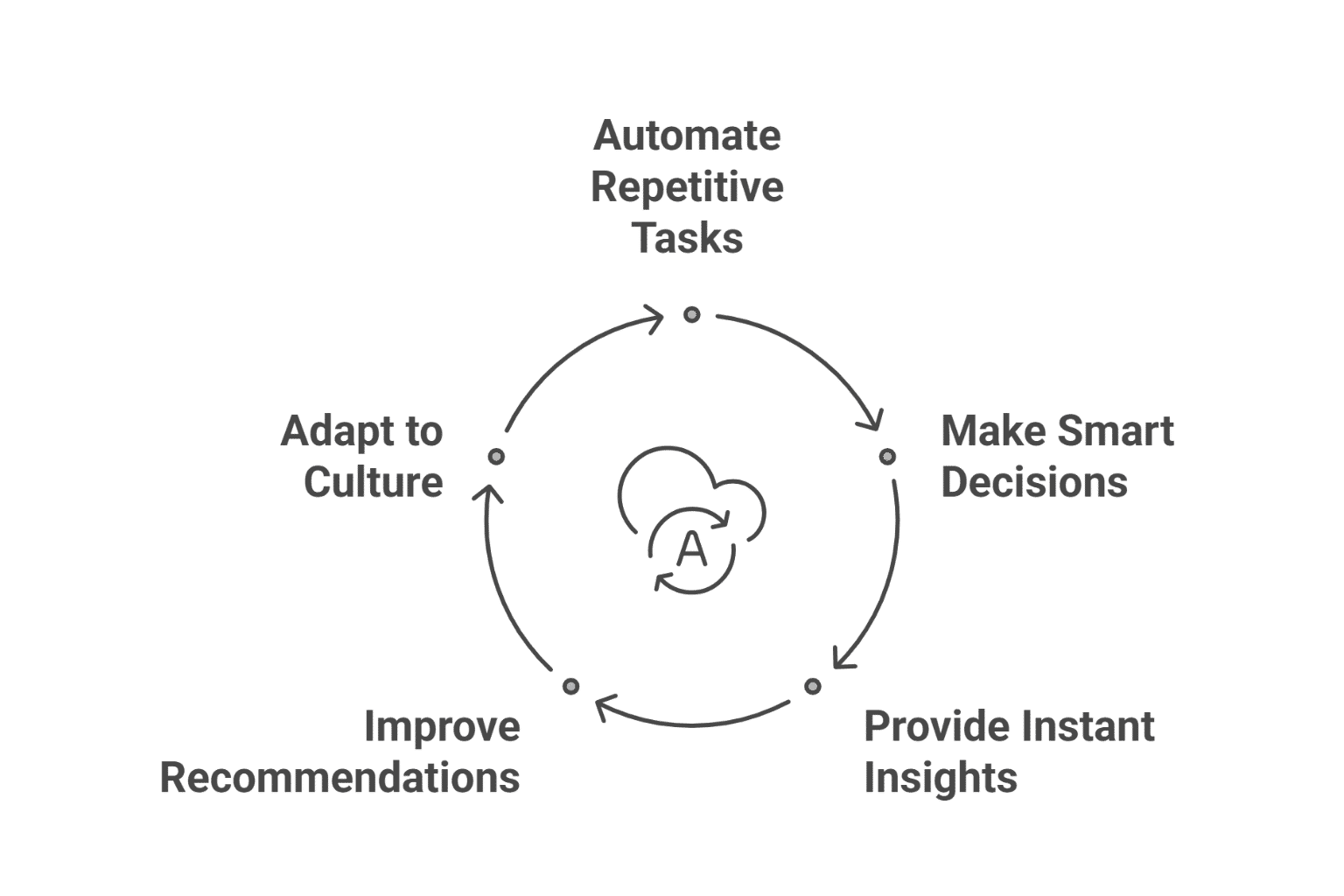
1. Automates repetitive tasks
The system handles all the boring, time-consuming work that humans hate:
- Processes requests instantly without human intervention
- Sends automatic notifications to all relevant parties
- Updates calendars in real-time across all platforms
- Calculates remaining balances with perfect accuracy
- Routes approvals to the right people automatically
- Generates reports without anyone asking
- Tracks accruals according to complex rules
- Maintains complete audit trails for compliance
2. Makes smart decisions
Unlike basic software that just stores information, AI actually thinks:
- Identifies scheduling conflicts before they become problems
- Suggests optimal coverage solutions based on skills and availability
- Predicts busy periods using historical patterns
- Balances team availability to maintain productivity
- Recognizes patterns that indicate potential issues
- Learns from past decisions to improve recommendations
- Adapts to your company’s unique culture and needs
- Provides context-aware suggestions for complex situations
This intelligence transforms leave management from reactive firefighting to proactive planning.
3. Provides instant insights
Knowledge is power, and AI gives you knowledge instantly:
- Shows usage patterns by department, team, and individual
- Highlights potential issues before they impact operations
- Generates compliance reports in seconds instead of hours
- Tracks trends over time to inform policy decisions
- Identifies employees at risk of burnout
- Reveals seasonal patterns for better planning
- Calculates accrual liabilities for financial forecasting
- Measures manager response times and approval consistency
With these insights, you move from guessing to knowing—making decisions based on data instead of hunches.
Why "AI" Makes All the Difference
You might wonder: “Isn’t this just software? Why does the AI part matter?”
Great question. Traditional software follows rigid rules. AI adapts and improves continuously.
Here’s what sets intelligent systems apart from basic leave tracking tools:
Pattern recognition:
AI spots trends humans miss completely. It notices that certain departments always have coverage issues in July. It recognizes that particular managers consistently delay approvals. It identifies employees who never use their full allocation and might be heading toward burnout.
Predictive analytics:
AI doesn’t just record what happened—it forecasts what’s coming. It predicts staffing needs weeks in advance. It anticipates busy periods when leave requests should be limited. It identifies potential conflicts before anyone submits a request.
Natural language processing:
Employees can make requests in plain English: “I need next Friday off for my daughter’s graduation.” The AI understands context, intent, and nuance—no forms, no codes, no confusion.
Machine learning:
The system gets smarter every single day. It learns your company’s patterns, preferences, and priorities. It adapts to seasonal variations. It improves accuracy continuously without any manual programming.
Contextual awareness:
AI considers company policies automatically. It knows that certain positions require minimum staffing. It understands blackout periods. It recognizes union contract requirements. It applies all relevant rules instantly.
Organizations using AI-powered HR tools report 68% faster processing times compared to conventional software.
That’s not a small improvement—it’s a complete transformation of how work gets done.
How AI Leave Management Software Differs from Basic Tools
Many companies think they have “leave management software” because they use a shared calendar or basic time-tracking system. But there’s a massive difference between simple tools and true AI vacation tracker platforms.
Basic tools:
- Store information passively
- Require manual data entry
- Follow rigid, pre-programmed rules
- Generate basic reports
- Need constant human oversight
- Can’t handle complexity
- Don’t learn or improve
- Operate in isolation from other systems
AI leave management software:
- Actively manages the entire process
- Captures data automatically from multiple sources
- Adapts rules based on context and learning
- Provides predictive analytics and insights
- Operates autonomously with minimal oversight
- Handles extreme complexity effortlessly
- Continuously learns and improves
- Integrates seamlessly across your technology ecosystem
The difference is like comparing a calculator to a financial advisor. Both deal with numbers, but only one provides intelligence, guidance, and strategic value.
The Human Touch Enhanced by Technology
Here’s something important: AI leave management software doesn’t remove the human element. It enhances it.
Before AI:
- HR spends hours on data entry → No time for employee conversations
- Managers delay decisions → Employees feel ignored
- Employees wait days for answers → Frustration builds
- Everyone focuses on process → Nobody focuses on people
With AI:
- HR freed from data entry → Time for meaningful employee support
- Managers get instant decision support → Quick, confident approvals
- Employees receive immediate responses → Satisfaction increases
- Process runs automatically → Everyone focuses on relationships
The technology handles the mechanical work so humans can do what humans do best: connect, empathize, solve problems, and build culture.
How AI PTO Tracker Technology Works
You don’t need a computer science degree to understand this. Let’s break it down step-by-step so you can see exactly how this technology transforms the leave request experience for everyone involved.
The Employee Experience: From Frustration to Freedom
Step 1: Making a Request
Sarah wants time off for her wedding anniversary. In the old system, she would:
- Find the paper form (if she can locate it)
- Fill out multiple fields with dates and codes
- Get her manager’s signature
- Walk it to HR
- Wait days for processing
- Wonder if anyone received it
With an AI vacation tracker, she opens her phone and types: “I need March 15-17 off for my anniversary.”
That’s it. One sentence. No forms. No codes. No confusion.
The system instantly:
- Understands her natural language request
- Checks her available balance automatically
- Reviews team coverage for those specific dates
- Identifies her manager without asking
- Verifies compliance with company policies
- Checks for any conflicts or issues
Step 2: Instant Processing
Within seconds—not days, not hours, but actual seconds—the system:
- Confirms she has 8.5 days remaining (plenty for her 3-day request)
- Notes that two other team members are already scheduled off March 16
- Flags a potential coverage issue for manager awareness
- Routes to her manager with all relevant context and decision support
- Sends Sarah a confirmation that her request was received and is being reviewed
- Updates the team calendar tentatively pending approval
Sarah knows immediately that her request is in process. No wondering. No anxiety. No need to follow up.
Step 3: Smart Approval
Her manager receives a notification showing:
- Sarah’s request details (dates, reason, balance)
- Current team availability during that period
- Suggested coverage options based on skills and availability
- Historical context (Sarah’s usage patterns, team trends)
- One-click approve or discuss button
- Alternative date suggestions if coverage is problematic
The manager can approve from his phone while walking between meetings. He doesn’t need to open spreadsheets, check calendars, or do mental math.
Total time from request to decision: Under 2 minutes.
Compare that to the traditional method taking 3-5 business days—or longer if the manager is traveling or the form gets lost.
Step 4: Immediate Confirmation
Once approved, multiple things happen automatically:
- Sarah receives instant notification on her preferred channel (text, email, app)
- The team calendar updates to show her absence
- Her balance decreases by 3 days
- HR systems receive the information for record-keeping
- Coverage assignments are suggested or confirmed
- Reminder notifications are scheduled for the week before
Sarah can now book her dinner reservations with confidence. Her manager can move on to strategic work. HR doesn’t touch the transaction at all.
This is how leave management should work in 2026.
Behind the Scenes: The AI Brain at Work
While employees see simplicity, powerful technology works in the background, orchestrating a complex dance of data, rules, and intelligent decision-making.
The system continuously:
- Monitors company leave policies across all departments and locations
- Tracks accrual rates per employee based on tenure, role, and contract
- Calculates carryover rules considering state laws and company policy
- Ensures legal compliance with FMLA, state regulations, and union contracts
- Updates multiple systems simultaneously without manual intervention
- Maintains complete audit trails for every transaction
- Validates data integrity across all connected platforms
- Archives historical information for trend analysis
Machine learning algorithms analyze:
- Historical leave patterns by season, department, and role
- Seasonal trends that predict future demand
- Department-specific needs and coverage requirements
- Individual usage behaviors and potential burnout indicators
- Approval timeframes to identify bottlenecks
- Manager decision patterns to ensure consistency
- Team dynamics and optimal coverage combinations
- Company-wide trends that inform policy recommendations
Companies using intelligent leave systems reduce administrative workload by 84%.
That’s not incremental improvement—that’s revolutionary transformation.
The Intelligence Layer: What Makes It "Smart"
The “AI” in AI leave management software isn’t just marketing hype. It represents genuine intelligence that learns, adapts, and improves over time.
Predictive modeling:
The system doesn’t just record what happened—it predicts what’s coming. Based on historical data, it forecasts:
- Which weeks will have high leave demand
- Which departments might face staffing shortages
- Which employees are likely to request time off soon
- Which managers need reminders about pending approvals
- Which policies might need adjustment based on usage patterns
This predictive capability transforms HR from reactive to proactive.
Contextual decision-making:
AI considers multiple factors simultaneously when processing requests:
- Current team workload and project deadlines
- Employee tenure and accrual status
- Historical usage patterns
- Upcoming holidays and peak periods
- Skills required for coverage
- Manager preferences and past decisions
- Company policies and legal requirements
- Budget implications and accrual liability
A human would need 30 minutes to consider all these factors. AI does it in milliseconds.
Continuous learning:
Every transaction makes the system smarter:
- Approved requests teach it about acceptable patterns
- Denied requests reveal constraints and priorities
- Manager feedback refines recommendations
- Employee behavior informs user experience improvements
- Seasonal patterns become more accurate over time
- Exception handling becomes more nuanced
- Predictions become increasingly precise
After six months, the AI PTO tracker knows your company better than any individual employee possibly could.
Integration Magic: Connecting Your Technology Ecosystem
Modern AI vacation tracker platforms don’t work in isolation. They become the central nervous system connecting all your HR and business systems.
Seamless connections with:
Calendar applications: Team visibility, meeting rescheduling, availability blocking, reminder synchronization
HRMS platforms: Centralized employee data, org chart updates, role changes, termination processing
Communication tools: Slack notifications, Teams messages, email alerts, mobile push notifications
Project management software: Resource planning, capacity forecasting, deadline adjustments, task reassignments
Time tracking systems: Hours worked, overtime calculations, schedule coordination, attendance records
Benefits administration: COBRA notifications, insurance impacts, retirement contributions, FSA coordination
This integration eliminates duplicate data entry completely. Information flows automatically between systems, reducing errors by substantial margins and ensuring everyone works from the same accurate, real-time data.
When Sarah’s leave is approved, her manager’s calendar automatically blocks those dates. The project management system flags tasks assigned to her during that period. The team chat receives a notification. The company directory shows her as out of office.
All of this happens without anyone touching a keyboard.
Mobile-First Design for the Modern Workforce
Today’s employees don’t sit at desks all day. They’re in meetings, on job sites, traveling, working remotely, or managing hybrid schedules. They need mobile access that actually works.
AI leave management software delivers:
Full functionality on smartphones
- Submit requests in seconds
- Approve from anywhere
- Check balances instantly
- View team calendars
- Receive real-time notifications
- Upload supporting documents
- Communicate about requests
Intuitive touch interfaces
- Swipe to approve
- Tap to request
- Pinch to zoom calendars
- Pull to refresh
- Voice commands for hands-free operation
Offline capability
- Draft requests without internet
- View cached information
- Sync automatically when connected
- Never lose data
Biometric security
- Fingerprint authentication
- Face recognition
- Secure yet convenient
- Protects sensitive information
Mobile isn’t an afterthought—it’s the primary interface for most users. The best AI PTO tracker platforms are designed mobile-first, with desktop as the secondary experience.
Top Benefits of Using AI for Time Off Requests
Let’s talk about what really matters: results you can see, feel, and measure. The benefits of AI vacation tracker technology extend far beyond simple time savings—they transform your entire organization.
For HR Teams: Reclaim Your Time and Your Purpose
Dramatic time savings that change everything:
- Manual processing: 15-20 minutes per request
- With AI: 30 seconds per request
- Time saved annually: Over 200 hours for a 100-person company
What could your HR team accomplish with an extra 200 hours? That’s five full weeks of work suddenly available for initiatives that actually matter.
Imagine using that time to:
- Develop comprehensive onboarding programs that set new hires up for success
- Create mentorship initiatives that develop future leaders
- Build recognition programs that celebrate achievements
- Conduct stay interviews that prevent turnover
- Design training that closes skill gaps
- Foster diversity and inclusion initiatives
- Strengthen company culture through meaningful events
- Provide career counseling that helps employees grow
Instead of being data entry clerks, HR professionals can finally do the strategic, human-centered work they were hired to perform.
Additional HR benefits that compound over time:
Zero calculation errors: AI handles complex accrual math perfectly every single time. No more spreadsheet mistakes. No more manual corrections. No more employee disputes over balances.
Instant compliance: Automatic adherence to labor laws across multiple jurisdictions. The system updates when regulations change. You never worry about FMLA violations, state law conflicts, or union contract breaches.
Better planning: Predictive analytics for staffing needs let you anticipate problems weeks in advance instead of scrambling to solve crises the day before.
Reduced stress: No more chasing approvals, hunting for paperwork, or tracking down managers. The system handles it all while you focus on people.
Strategic focus: More time for employee development, culture building, talent acquisition, and retention initiatives that actually move organizational needles.
Professional credibility: When HR delivers flawless, instant service, their credibility across the organization soars. They’re seen as strategic partners instead of administrative bottlenecks.
HR professionals using AI leave management software report significantly improved job satisfaction.
When you’re not drowning in paperwork, you remember why you chose HR in the first place—to help people thrive.
For Employees: Finally, Respect for Your Time and Plans
Your team members will notice the difference immediately, and that difference will reshape how they view your organization.
Key employee advantages:
24/7 access: Submit requests anytime, anywhere—at 11 PM from your couch, at 6 AM before your workout, during your commute, while traveling. The AI vacation tracker never closes.
Instant confirmation: Know your balance in seconds. See if your dates are available. Get immediate acknowledgment that your request is being processed. No more wondering if anyone received your form.
Complete transparency: See exactly where your request stands at every moment. Is it pending? Under review? Approved? Denied? You always know, eliminating anxiety and uncertainty.
Mobile-friendly: Manage everything from your phone. No need to log into clunky desktop systems or fill out paper forms. Request time off as easily as sending a text message.
No more waiting: Approvals happen in minutes instead of days. You can make plans confidently instead of living in limbo while your request sits on someone’s desk.
Self-service power: Check your balance without bothering HR. View your history without submitting requests. Download your records without waiting for someone to email them. You’re in control.
Proactive reminders: The system reminds you when you have unused days that might expire. It suggests optimal timing based on your work patterns. It helps you actually use the benefits you’ve earned.
The emotional impact matters more than you might think:
When employees can easily plan their lives, they feel valued. When requests get quick responses, they feel respected. When the process is simple, they feel trusted. When transparency is complete, they feel empowered.
These feelings accumulate into something powerful: genuine engagement and loyalty.
Research shows powerful results:
- Employee satisfaction increases substantially with automated leave systems
- Unplanned absences decrease when tracking is transparent
- Employee retention improves in companies with efficient PTO processes
- Burnout rates decline when people actually use their time off
- Productivity increases when employees return refreshed
- Workplace stress decreases when administrative friction disappears
An AI PTO tracker doesn’t just process requests—it demonstrates through actions that your organization respects employees’ time and trusts them to manage their work-life balance responsibly.
For Managers: Lead with Confidence Instead of Guesswork
Managers face constant pressure balancing team needs with individual requests. They want to be fair, maintain coverage, support their people, and hit their goals—all simultaneously.
AI vacation tracker tools provide the support they desperately need:
Complete visibility: See team schedules at a glance with visual calendars that show who’s out, who’s available, and where potential gaps exist. No more mental math or spreadsheet hunting.
Conflict alerts: Get warned about coverage gaps before approving requests. The system flags potential problems and suggests solutions, so you never accidentally create a crisis.
Smart suggestions: Receive alternative date recommendations when coverage is tight. The AI identifies windows that work better for team dynamics and project timelines.
Historical context: View past patterns for better decisions. See how similar situations were handled. Learn from trends that inform current choices.
Fairness assurance: Consistent policy application across all employees. The system prevents unconscious bias by applying the same rules to everyone, documenting every decision for transparency.
Decision support: All relevant information in one place—employee balances, team coverage, project deadlines, policy requirements, and recommended actions. Make informed decisions quickly and confidently.
Delegation capability: Set up automatic approval rules for straightforward requests. Delegate approval authority when you’re on vacation. Ensure the team keeps moving even when you’re unavailable.
Performance insights: See which team members never use their time off (potential burnout risks). Identify patterns that suggest morale issues. Use data to support your people proactively.
Managers using AI leave management software make faster decisions while maintaining higher approval consistency.
They spend less time on administrative tasks and more time coaching, developing, and leading their teams toward success.
For the Business: Measurable ROI That Justifies the Investment
Let’s talk numbers that matter to leadership—the financial impact that makes AI vacation tracker implementation an obvious choice.
Financial benefits that hit your bottom line:
Reduced administrative costs: $50-$75 per employee annually in direct labor savings. For a 200-person company, that’s $10,000-$15,000 every single year.
Decreased compliance violations: Average savings of $12,000 yearly by avoiding penalties, legal fees, and settlement costs from FMLA violations, discrimination claims, and wage-hour disputes.
Lower turnover costs: Retention improvements save $4,000+ per employee by reducing recruitment, hiring, onboarding, and lost productivity expenses. Even a 5% improvement in retention delivers massive savings.
Increased productivity: Teams lose less time to scheduling conflicts, coverage gaps, and administrative friction. The productivity gains often exceed the cost of the system within months.
Better capacity planning: Predictive analytics prevent understaffing and overstaffing, optimizing labor costs while maintaining service levels.
Reduced HR headcount needs: As your company grows, you don’t need to grow HR proportionally. The AI PTO tracker scales effortlessly without adding staff.
A mid-sized company with 250 employees can expect:
- Annual cost savings: $18,000-$25,000
- Productivity gains equivalent to: 1.5 full-time positions
- Retention improvement value: $20,000-$40,000
- ROI timeline: Typically 4-6 months
- Total three-year value: $150,000-$250,000
Organizations implementing AI PTO tracker solutions achieve 327% ROI over three years.
That’s not a minor improvement—it’s a game-changing return that makes the investment decision simple.
Strategic advantages beyond direct savings:
Competitive talent advantage: Top candidates expect modern, employee-friendly systems. Your AI leave management software becomes a recruiting differentiator.
Scalability without complexity: Grow from 100 to 500 employees without changing systems or adding HR staff. The platform scales seamlessly.
Data-driven decision making: Use leave patterns to inform workforce planning, policy adjustments, and strategic initiatives.
Risk mitigation: Reduce exposure to lawsuits, penalties, and reputational damage from compliance failures.
Employee experience improvement: Better experiences drive engagement, which drives performance, which drives business results.
The ROI isn’t just financial—it’s strategic, cultural, and operational.
For Company Culture: Building Trust Through Actions
Culture isn’t created through mission statements and values posters. It’s built through daily experiences that demonstrate what your organization truly values.
An AI vacation tracker sends powerful cultural messages:
“We respect your time.” By making leave requests simple and approvals fast, you demonstrate that employee time matters as much as company time.
“We trust you.” Self-service access and transparent processes show you trust employees to manage their responsibilities without micromanagement.
“We use technology to empower people.” Implementing modern tools demonstrates you’re investing in employee experience, not just operational efficiency.
“We value work-life balance.” Easy leave management encourages people to actually use their time off, supporting genuine balance instead of just talking about it.
“We’re fair and consistent.” Automated policy application ensures everyone plays by the same rules, eliminating perceptions of favoritism.
These messages accumulate into a culture where people feel valued, respected, and supported—the kind of culture that attracts talent, retains stars, and drives performance.
Key Features to Look For in AI Leave Management Software
Not all AI vacation tracker systems are created equal. Here’s what separates excellent platforms from mediocre ones that will frustrate your team and waste your money.
Must-Have Core Features That Define Quality
1. Intelligent Request Processing
The system should handle requests with genuine intelligence, not just basic data entry:
- Accept natural language requests (“I need next Friday off” or “Can I take the week of July 4th?”)
- Process requests in under 60 seconds from submission to manager notification
- Check balances automatically against all leave types and accrual rules
- Route to appropriate approvers based on org structure and delegation rules
- Send instant confirmations to employees so they know it’s being handled
- Apply company policies automatically without requiring manager knowledge
- Flag potential issues proactively before they become problems
- Support bulk requests for planned shutdowns or recurring patterns
If employees need to fill out forms with codes and categories, the system isn’t intelligent enough.
2. Smart Conflict Detection and Resolution
Look for capabilities that prevent problems instead of just recording them:
- Identify scheduling overlaps across teams and departments
- Flag coverage gaps based on minimum staffing requirements
- Suggest alternative dates that work better for team dynamics
- Calculate team availability percentages in real-time
- Alert managers proactively when thresholds are approached
- Consider project deadlines and critical deliverables
- Account for skills and certifications required for coverage
- Provide visual indicators of staffing levels
The AI PTO tracker should be your early warning system, catching issues before they impact operations.
3. Mobile-First Design That Actually Works
Your team needs full functionality on smartphones, not crippled mobile versions:
- Complete feature parity with desktop (submit, approve, view, report)
- Intuitive touch interfaces designed for thumbs, not mouse cursors
- Offline capability that syncs when connectivity returns
- Push notifications for time-sensitive actions
- Biometric security options (fingerprint, face recognition)
- Voice command support for hands-free operation
- Fast loading times even on slower connections
- Responsive design that adapts to any screen size
Test the mobile experience thoroughly during demos. If it’s clunky, your adoption will suffer.
4. Comprehensive Reporting and Analytics
Essential analytics that transform data into actionable insights:
- Usage trends by department, team, location, and role
- Peak absence periods with predictive forecasting
- Accrual liability tracking for financial planning
- Compliance documentation that’s audit-ready instantly
- Custom report building without IT assistance
- Manager performance metrics (approval speed, consistency)
- Employee wellness indicators (unused balances, patterns)
- Comparative benchmarking against industry standards
- Export capabilities to Excel, PDF, and other formats
- Scheduled automatic report delivery to stakeholders
Reports should answer questions, not just present data.
5. Flexible Policy Engine for Complex Rules
The AI leave management software must handle your specific policies, not force you to change them:
- Multiple leave types (vacation, sick, personal, bereavement, jury duty, parental)
- Different accrual rates based on tenure, role, location, and contract
- Varying carryover rules by leave type and employee category
- State-specific regulations that override company defaults
- Union contract requirements with specific terms
- Part-time and full-time calculation differences
- Blackout periods for critical business times
- Approval hierarchies that reflect org structure
- Exception handling for unusual circumstances
If the system can’t accommodate your policies, you’ll spend years fighting it.
Onboarding is an important investment in any organization because it reduces turnover, increases productivity, and enhances employee engagement.
Advanced Capabilities That Deliver Extra Value
Predictive Staffing Intelligence
Top-tier systems forecast future needs instead of just recording the past:
- Upcoming busy periods based on historical data and business cycles
- Potential coverage shortages weeks in advance with specific dates
- Seasonal absence patterns that inform proactive planning
- Department-specific trends that reveal unique dynamics
- Individual employee patterns that predict future requests
- Optimal timing suggestions for maintenance and projects
- Budget impact forecasting for financial planning
- Scenario modeling for “what if” analysis
Companies using forecasting features reduce last-minute staffing crises substantially.
Automated Compliance Monitoring
Premium AI vacation tracker platforms keep you legally protected:
- Updates automatically when laws change at federal, state, and local levels
- Tracks FMLA eligibility with automatic notifications at 12-month marks
- Monitors ADA accommodation requests with proper documentation
- Documents everything for audits with tamper-proof trails
- Alerts HR to potential violations before they occur
- Generates required government reports automatically
- Maintains separate accrual pools for different leave types
- Calculates complex interactions between leave types
- Provides compliance training resources and policy templates
Legal protection is worth the investment by itself.
Natural Language Chatbot Interface
Modern systems include conversational AI that employees actually want to use:
- Employees ask questions in plain English (“How many vacation days do I have left?”)
- Instant answers about balances, policies, and procedures 24/7
- Guided request submission through conversational flow
- Personalized recommendations based on usage patterns and calendar
- Proactive suggestions (“You have 5 days expiring next month”)
- Multi-language support for diverse workforces
- Learning capability that improves responses over time
- Escalation to human support when needed
Chatbots reduce HR support tickets by handling routine questions automatically.
Integration Ecosystem That Connects Everything
The best AI leave management software platforms connect seamlessly with your existing technology:
- Microsoft 365 and Google Workspace for calendar and email
- Slack, Microsoft Teams, and other communication platforms
- Single sign-on (SSO) solutions for security and convenience
- Time and attendance systems for comprehensive tracking
- Benefits administration platforms for coordinated leave
- Project management tools (Asana, Monday, Jira)
- Custom API access for proprietary systems
Integration isn’t optional—it’s essential for eliminating duplicate data entry and ensuring accuracy.
User Experience Essentials That Drive Adoption
For Employees: Simplicity Above All
- Submit requests in 3 clicks or less from any device
- See balances without logging in through widget or app
- Receive notifications their preferred way (email, text, push, chat)
- Access complete leave history with search and filter options
- Download personal records easily for planning or documentation
- Understand policies through plain-language explanations
- Get instant answers to common questions through chatbot
Conclusion
Implementing AI for employee time off management marks a major shift in improving HR efficiency. By automating routine tasks and accurately tracking leave data, AI reduces manual effort, minimizes errors, and ensures fair, transparent leave management across the organization.
As workplaces continue to evolve with technology, AI is becoming essential for streamlining HR processes and improving productivity. Its ability to handle complex data and deliver faster, smarter decisions helps organizations operate more efficiently while supporting a better employee experience.
Take control of your team’s time off with a free 14-day trial of Time Off Manager 365 within Microsoft Teams.
Join Our Creative Community
Frequently Asked Questions
What is Time Off Manager 365, and how can it help my business?
Time Off Manager 365 is an AI-powered time off tracking solution that automates leave requests, approvals, and balances. It helps businesses save time, reduce errors, and improve HR efficiency.
How does the AI-powered system track employee leave and vacation requests?
The AI system automatically processes leave requests, checks balances, and routes approvals in real time. It eliminates manual tracking and keeps all data accurate and up to date.
Can HR managers easily access reports on employee time off using Time Off Manager 365?
Yes, HR managers can view real-time reports on leave usage, balances, and trends. These insights help with planning, compliance, and workforce management.
Is it possible to customize leave policies based on different departments or roles?
Absolutely. Time Off Manager 365 allows you to create custom leave policies for departments, roles, or locations, ensuring flexibility and compliance.
What kind of support or training is provided for new users?
We offer guided onboarding, documentation, and ongoing support to ensure a smooth setup. Our team helps users get started quickly and confidently.


_JiluXJRGNl.svg)























