

Microsoft Asset ManagementTo Keep Your Assets in Order
Microsoft Asset Management helps organizations track devices, optimize software licenses, and secure their entire cloud environment.
_eH2jDg7dZ.png)
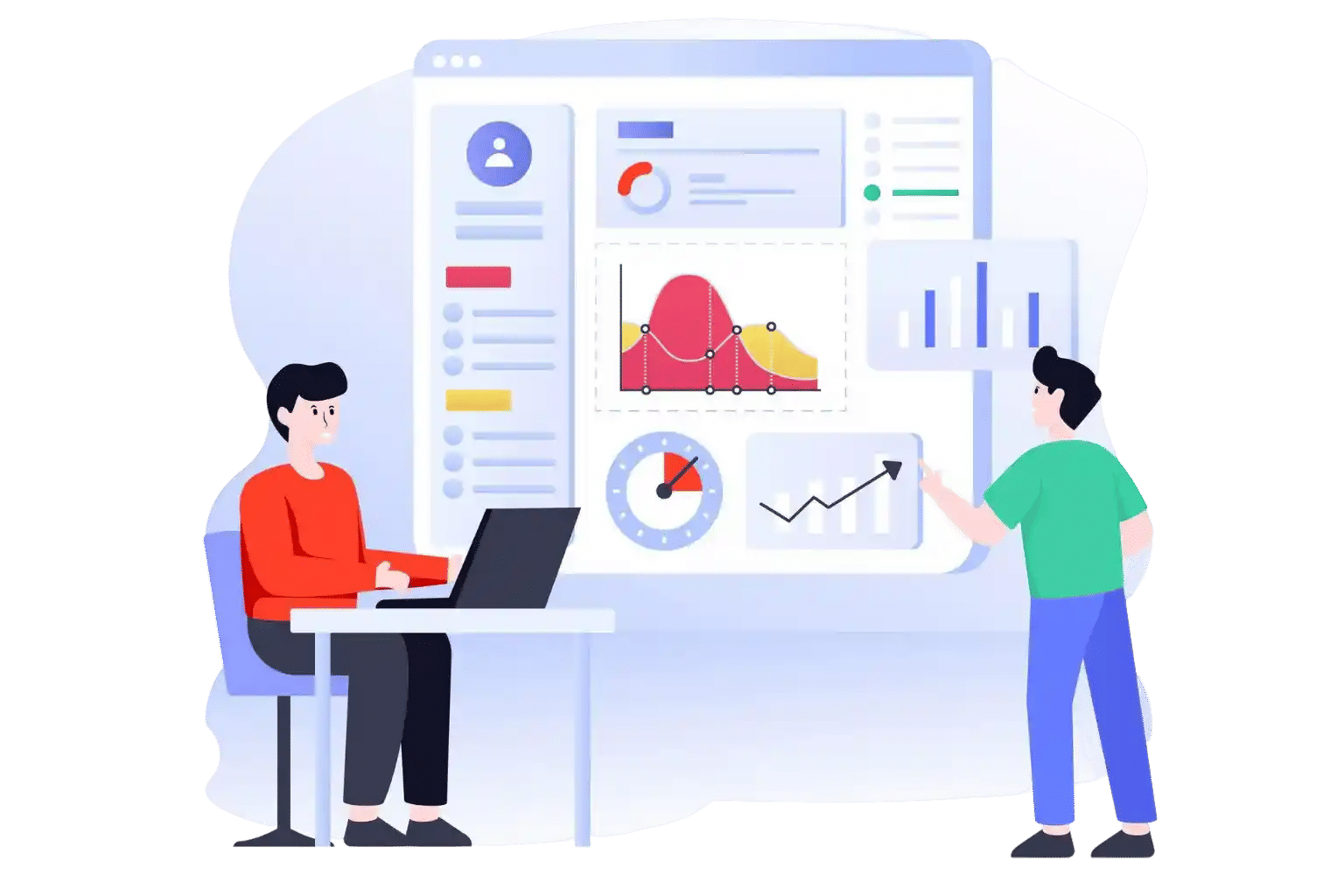
Microsoft offers a set of tools that help organizations keep their hardware and software in proper order. Platforms such as SharePoint, Microsoft 365, Intune, Azure Active Directory, and Power Platform give teams a single place to store asset details, make updates, and maintain information in a secure environment.
With these tools, IT and operations teams can track devices, stay on top of software licenses, assign assets to the right users, and keep records current throughout each asset’s life. Since everything works within the same Microsoft ecosystem, it becomes easier to handle asset-related tasks without confusion.
What is Microsoft Asset Management?
Microsoft Asset Management refers to how organizations track, organize, and maintain all their hardware and software using Microsoft tools. Solutions like SharePoint, Microsoft 365, Intune, and Power Platform help teams log asset information, update records quickly, and find details whenever required. This approach helps teams understand:
- What assets the organization owns, including laptops, desktops, mobiles, servers, accessories, and software
- Where each asset is kept, whether in a department, a specific location, or with a remote user
- Who is currently using an asset
- Important dates such as purchase, warranty, renewal, and service history
- How assets perform over time, so replacements and upgrades can be planned properly
By keeping everything inside Microsoft 365, organizations avoid data being spread across systems or going out of date. IT and admin teams can update asset details, stay aligned with license requirements, and track usage with ease.
Microsoft’s ecosystem also supports automation through Power Automate and reporting through Power BI. These options help teams handle routine tasks more smoothly and give a clear view of each asset from the day it is purchased to the day it is retired.
Academic research shows that organizations with structured asset management gain better control, reduce avoidable costs, and improve overall performance. A large review covering more than 700 studies confirms that clear asset-lifecycle practices lead to stronger operational results and long-term stability.
Why Asset Management Matters in Organizations
Asset management helps teams keep daily work organized. As companies grow, they use more devices, software, and user accounts. This makes it harder to track what is in use and what is not. Without a clear asset management process, information gets spread out, updates are missed, and costs increase because unused assets are not noticed. A structured asset management system helps organizations:
- Maintain clear records of all hardware and software
- Understand who is using each asset and where it is located
- Avoid duplicate purchases and reduce unnecessary spending
- Keep software licenses in order and prevent compliance issues
- Stay prepared for audits with accurate, up-to-date information
- Plan repairs, upgrades, and replacements at the right time
- Protect the organization from risks caused by lost or unmanaged devices
When teams have a central place to record and check asset information, decision-making becomes easier. IT teams gain better control, finance teams can plan budgets more effectively, and employees get the tools they need without delay. Clear asset management is not just an IT task anymore, it supports overall productivity, cost control, and operational clarity across the entire organization.
Strengthen your operations with organized, accurate asset data
Key Benefits of Asset Management in Microsoft
Managing assets within the Microsoft ecosystem gives organizations a clear and reliable way to organize, track, and update hardware and software. With Microsoft 365, SharePoint, Intune, Azure Active Directory, and Power Platform working together, teams gain better control, fewer errors, stronger visibility, and improved planning, leading to lower costs and better compliance.
- Centralized asset data stored in SharePoint and Microsoft 365 ensures all hardware and software information lives in a single, organized location. Teams no longer deal with scattered spreadsheets or outdated files, and every record is easy to find and update.
- Clear visibility of each asset, including the assigned user, department, physical location, asset condition, and usage history. This helps teams understand how assets are being used, prevent confusion, and make informed decisions during audits or internal checks.
- Smooth and consistent updates supported by Microsoft’s connected ecosystem. Changes made in one place reflect across related systems, reducing manual effort and ensuring records remain accurate and current.
- Complete tracking of warranties, renewals, and service history, allowing teams to stay prepared for important dates. This prevents missed renewals, unexpected downtime, and sudden expenses that occur when maintenance events are overlooked.
- Lower overall spending by avoiding duplicate purchases, unused software licenses, misplaced equipment, and early replacements. With precise data, organizations make smarter budgeting decisions and reduce waste.
- Improved audit and compliance readiness, with accurate, timestamped records stored securely within Microsoft’s environment. Auditors can view complete asset histories, reducing audit time and increasing confidence in record accuracy.
- Automation of routine tasks through Power Automate, such as sending reminders for warranty renewals, triggering repair approvals, updating asset status, or notifying teams when assets are reassigned. Automation reduces manual workload and improves daily workflow.
- Advanced reporting and insights using Power BI, giving teams dashboards that highlight asset performance, lifecycle stages, upcoming renewals, and spending patterns. This supports smarter forecasting and long-term planning.
Secure and scalable platform, backed by Microsoft’s strong security and compliance framework. Permissions, access controls, and data governance tools ensure only authorized users can view or update asset data, keeping information safe as the organization expands.
Microsoft Asset Management vs Traditional ITAM Tools
While many businesses use standalone IT asset management tools, Microsoft offers a more integrated approach. Here’s how the Microsoft ecosystem compares to traditional ITAM solutions:
| Feature | Microsoft Ecosystem | Traditional ITAM |
|---|---|---|
| Integration | Native (M365, Teams) | Limited |
| Automation | Power Automate | Tool-specific |
| UI | Familiar | Complex |
Challenges and Limitations of Microsoft Asset Management
Asset management often looks straightforward, but organizations face several challenges that affect accuracy, efficiency, and decision-making. Here are four common limitations:
Incomplete or Inaccurate Data
Assets are frequently updated, moved, or reassigned, and without consistent logging, data becomes outdated. This leads to errors in tracking, audits, and planning.

Manual and Time-Consuming Processes
Many teams still rely on spreadsheets or disconnected tools. This slows down updates, increases the risk of mistakes, and makes it difficult to maintain real-time asset visibility.

Limited Visibility Across the Lifecycle
Organizations often struggle to monitor assets from purchase to disposal. Missing lifecycle data affects budgeting, replacements, maintenance planning, and compliance.

Poor Integration with Existing Systems
When asset data is scattered across procurement, IT, finance, and user systems, teams cannot get a unified view. This creates delays, duplicates records, and reduces control.

Core Features of Microsoft Asset Management
Microsoft Asset Management brings structure, visibility, and control to the complex world of IT assets. Instead of juggling multiple tools and spreadsheets, organizations can rely on Microsoft’s ecosystem to manage hardware, software, cloud services, and digital resources in one place. Below are the core features that make Microsoft Asset Management a reliable solution for modern businesses.
One of the biggest challenges in IT management is scattered data. Without a single source of truth, IT teams struggle to track what assets they own, where they are located, and who is using them. Microsoft solves this with a centralized asset repository, which consolidates all devices, applications, and cloud resources into a unified inventory.
Using Intune and Configuration Manager, organizations can automatically discover and record every device and software instance across the network. This not only eliminates blind spots but also ensures that IT leaders have real-time visibility into their asset landscape. Having one repository simplifies audits, improves decision-making, and reduces redundancy.
License and Compliance Tracking
Software licensing is one of the most expensive areas of IT. Many organizations overspend by purchasing more licenses than they need, or risk fines by falling short of compliance requirements. Microsoft Asset Management includes built-in license and compliance tracking tools to prevent both scenarios.
By integrating with Microsoft 365, Windows, Azure, and third-party applications, the system monitors license usage, identifies underutilized subscriptions, and highlights compliance risks. IT teams can reassign unused licenses, cut unnecessary costs, and stay aligned with vendor agreements. This feature is especially valuable for regulated industries where proof of compliance is mandatory.
Asset Lifecycle Management
Assets have a defined lifecycle, from procurement to deployment, daily usage, and eventual retirement. Managing each stage properly ensures maximum value and reduced risks. Microsoft Asset Management provides end-to-end lifecycle tracking:
- Procurement: New assets are recorded as soon as they are acquired.
- Deployment: Devices and software are assigned to employees, with policies and configurations applied automatically.
- Usage: Performance, updates, and license status are continuously monitored.
- Retirement: Assets that reach end-of-life can be decommissioned securely, ensuring data is wiped and licenses are reassigned.
By reducing manual intervention, automation minimizes errors, speeds up processes, and ensures IT teams can focus on strategic tasks instead of repetitive work.
Recommended Reading: How Asset Lifecycle Management Software Transforms Operations
Automated Workflows and Alerts
Manual asset management often leads to delays, missed updates, and errors. The Microsoft ecosystem solves this through Power Automate and seamless integration with Microsoft 365 apps. Teams can create automated workflows that:
- Send reminders for warranty renewals, service dates, and asset check-ins
- Trigger approval flows for new assets, repairs, or reassignment
- Notify teams when assets are assigned, returned, or need attention
- Update asset status automatically based on predefined rules
These automated alerts keep information current, reduce repetitive work, and ensure important actions are completed on time.
Analytics & Dashboards for IT Visibility
Data without insights has little value. Microsoft brings Power BI dashboards and reporting tools into asset management to provide real-time analytics.
These dashboards give IT leaders clear visibility into:
- Asset utilization trends
- License usage and optimization opportunities
- Cost breakdowns by department or region
- Compliance status and audit readiness
- Device health and security posture
Interactive dashboards not only simplify reporting but also empower decision-makers to plan budgets, forecast needs, and align IT investments with business priorities. The ability to slice and analyze data from different perspectives ensures nothing goes unnoticed.
Security and Policy Enforcement
In the hybrid and remote work environments, asset security is critical. Microsoft integrates Azure Active Directory, Microsoft Defender, and Intune to enforce strong policies across devices and asset inventory applications. Key capabilities include:
- Enforcing role-based access control (RBAC) so employees only access what they need.
- Applying conditional access policies to secure logins from risky devices or networks.
- Encrypting sensitive data on both company-owned and personal (BYOD) devices.
- Monitoring device health and automatically applying security patches.
Policy enforcement ensures compliance with standards like GDPR, HIPAA, and ISO, while minimizing the risk of data breaches. It also reassures stakeholders that IT assets are not only tracked, but actively protected.
The core features of Microsoft Asset Management, centralized repositories, compliance tracking, lifecycle management, automation, analytics, and security, work together to create a complete IT asset management framework. Businesses gain real-time visibility, reduce costs, ensure compliance, and strengthen security without relying on multiple disconnected tools.
By leveraging Microsoft’s integrated ecosystem, organizations can transform asset management from a reactive, manual process into a strategic advantage that drives efficiency, compliance, and long-term value.
Recommended Reading: Asset Lifecycle Management Software: Complete Guide
Best Practices for Microsoft Asset Management
Implementing Microsoft Asset Management goes beyond using tools like Intune, SCCM, or Power BI, it requires adopting the right practices to maximize value. By following proven strategies, organizations can reduce costs, improve compliance, and turn IT Asset Management (ITAM) into a driver of business growth. Below are five best practices every organization should consider.
Creating a Complete Asset Inventory
The foundation of effective asset management is knowing what you own. A complete inventory ensures all hardware, software, cloud resources, and digital assets are accounted for. Microsoft tools like Intune and Configuration Manager can automatically discover devices and installed applications, while Azure Active Directory tracks cloud usage.
Maintaining this asset inventory in a centralized repository reduces blind spots, supports audits, and helps IT teams make data-driven decisions about asset allocation and spending.
Automating Lifecycle Tracking with Power Automate
Manual asset tracking is prone to errors and inefficiencies. By using Power Automate, organizations can streamline lifecycle processes, from procurement to retirement. For example:
- When a new device is purchased, a workflow can register it in the inventory and assign it to an employee.
- Expiring licenses can trigger renewal alerts or reassignment workflows.
- Retired devices can automatically generate wipe-and-recycle tasks.
Automation ensures consistency, saves time, and reduces the burden on IT staff while minimizing compliance risks.
Conducting Regular Audits & Compliance Checks
Compliance is a top priority, especially in industries like healthcare, finance and government. Conducting regular asset audits ensures that licensing, data protection, and security standards are met. Microsoft Asset Management simplifies this by providing compliance dashboards, audit trails, and reporting capabilities.
Periodic checks help identify unused software, expired licenses, or devices that fail to meet security baselines. Early detection prevents costly fines and protects organizational reputation.
Leveraging Power BI for Insights
Data is only useful when it drives action. Power BI integrates with Microsoft’s asset management ecosystem to provide interactive dashboards and analytics. IT leaders can visualize trends in asset utilization, license consumption, cost allocation, and compliance risks.
For instance, a Power BI report can reveal departments overspending on software or highlight underutilized cloud resources. By transforming raw data into actionable insights, organizations can optimize budgets, plan future investments, and align IT operations with strategic goals.
Aligning ITAM Strategy with Business Goals
IT Asset Management should not function in isolation, it must support broader business objectives. Whether the goal is cost reduction, digital transformation, or strengthening security, ITAM strategy must align accordingly.
For example, if a company prioritizes remote work, asset management should focus on securing mobile devices and cloud subscriptions. If cost optimization is the focus, license audits and reallocation should take priority. By aligning ITAM with business outcomes, Microsoft Asset Management becomes a tool for driving growth, not just IT efficiency.
.webp)
A Guide to Building a SharePoint Ticketing System for Your Team
The Future of Microsoft Asset Management Software
The way organizations track, govern, and optimize their digital and physical assets is undergoing a major transformation. With Microsoft expanding its ecosystem across Microsoft 365, Power Platform, Azure, and AI-driven tooling, the next generation of asset management software is shaping up to be smarter, more connected, and dramatically more insightful than anything available today.
Below is a clear picture of where Microsoft-aligned asset management is heading and what businesses can expect in the coming years.
1. Unified Asset Governance Across the Microsoft 365 Ecosystem
The future will eliminate fragmented systems. Asset management solutions will integrate more deeply across:
- SharePoint Online for structured repositories
- Intune for device lifecycle and compliance
- Azure AD / Entra ID for identity-linked asset ownership
- Microsoft Teams as the operational interface
- Power Apps & Power Automate for custom workflows
- Defender for Endpoint for device signals and risk insights
This unified approach means one source of truth instead of multiple disconnected tools. Everything people, devices, licenses, warranties and vendors will be connected.
2. AI and Copilot-Driven Asset Intelligence
Microsoft’s Copilot ecosystem will transform asset tracking from reactive to proactive. Future asset management platforms will include:
- AI-based anomaly detection for unusual asset behavior
- Predictive lifecycle analytics estimating replacement timelines
- Automated license optimization based on real usage
- Natural language queries like “Show laptops needing replacement this quarter”
- Automated documentation creation for audits and compliance
- Proactive renewal reminders for warranty and contract expirations
AI will not just automate tasks; it will guide decision-making.
3. Deeper Integration with Zero-Trust Security
Security and asset governance will merge. Expect:
- Built-in compliance mapping
- Device posture signals pulled from Defender, Intune, and Entra
- Risk-scoring models for high-value assets
- Alerts for unassigned, untagged, or shadow assets
- Auto-triggered isolations for compromised devices (via Intune/Defender)
Asset data will become foundational to an organization’s Zero-Trust model.
4. Full Lifecycle Automation
Manual asset updates will become obsolete. Upcoming systems will support:
- Automated asset onboarding when devices join the tenant
- Dynamic owner assignments based on Entra user roles
- API-rich integrations for procurement and finance
- Return and offboarding workflows that trigger automatically
- Auto-generated disposal certificates
Organizations will move from “tracking assets” to “orchestrating lifecycle operations.”
5. IoT-Powered Real-Time Visibility
Hardware devices, sensors, and high-value equipment will increasingly connect to Azure IoT. Future capabilities include:
- Real-time asset health telemetry
- Condition-based maintenance alerts
- Automated check-in/out for movable equipment
- Location tracking for field assets
This will particularly benefit manufacturing, government, construction, education, and healthcare.
6. Better Compliance, Audit, and Governance Tools
Expect strong advancements in:
- Audit trails
- Retention policies
- Change logs tied to user identity
- Auto-tagging for compliance (SOC, ISO, GDPR)
Microsoft-backed asset platforms will shift from simple records to compliance-strength systems.
7. No-Code Customization Will Become Standard
The future is personalization without development complexity. Users will gain:
- Custom views, filters, and KPIs
- Drag-and-drop workflow design
- Low-code forms for requests, approvals, and assignments
- Power BI-based reporting packs
Every company will be able to create its own asset management “mini-ecosystem” without coding.
8. Cost Optimization Will Become a Core Feature
With rising SaaS and device costs, asset management software will evolve into a financial optimization engine. Expect:
- Automatic license reclamation
- Smart renewal recommendations
- Real usage analytics pulled from Microsoft 365 Admin Center
- TCO (Total Cost of Ownership) calculators
- Vendor and contract intelligence
This shifts asset management from an operational tool to a financial strategy system.
9. Teams Will Become the Primary Command Center
Teams will not just be a communication hub; it will be the work execution layer. Future systems will support:
- Asset requests and approvals directly in Teams
- Integrated dashboards
- Chat-based commands (“Assign this laptop to John”)
- One-click updates
- Embedded Power Apps and adaptive cards
Teams + SharePoint + Power Platform = the next generation of asset control.
10. Hyper-Scalability for All Organization Sizes
The future platforms will support:
- SMBs with simple tracking needs
- Mid-size companies needing workflow automation
- Enterprises with thousands of device signals, compliance rules, and complex lifecycle processes
Scalability will be native, not an add-on.
Recommended Reading: Enterprise IT Asset Management: Strategy & Best Practices 2026
Conclusion
Microsoft Asset Management gives organizations the tools to track devices, optimize licenses, monitor cloud resources, and secure digital assets, all within one unified ecosystem. With solutions like Intune, SCCM, Power BI, and SharePoint, businesses gain visibility, reduce costs, and strengthen compliance. To bring this power into action, Asset Management 365 extends these benefits with a SharePoint-based solution integrated with Microsoft Teams for easy collaboration and automation.
Ready to Simplify Microsoft Asset Management?
Book a demo and see how your organization can simplify IT asset management and unlock smarter, cost-effective operations.



Frequently Asked Questions
What is Microsoft Asset Management?
It is the process of tracking and managing company devices, licenses, and equipment using Microsoft 365 tools like SharePoint, Intune, and Power Apps.
Does Microsoft have a built-in asset management tool?
Microsoft does not offer a complete asset management app but provides tools that can be combined to manage assets effectively.
What assets can be tracked in Microsoft 365?
Devices, software licenses, accessories, network equipment, IoT devices, warranties, and location-based inventory.
How does Intune support asset management?
Intune offers device enrollment, compliance checks, and real-time monitoring to keep company devices secure and updated.
Is Microsoft Asset Management secure?
Yes. All data stays inside the organization’s Microsoft 365 tenant with Microsoft’s compliance, encryption, and audit controls.
What is Microsoft IT asset management software?
Microsoft IT asset management software uses tools like Microsoft 365, SharePoint, Intune, Power Platform to track and manage hardware, software, cloud assets in one integrated ecosystem.
What is an enterprise IT asset management solution in Microsoft?
An enterprise IT asset management solution in Microsoft helps large organizations manage thousands of assets with automation, compliance tracking, lifecycle management, integration across Microsoft 365 and Azure services.
What is the best Microsoft asset management tool?
The best Microsoft asset management tool depends on your needs. Many businesses use SharePoint-based solutions combined with Power Apps and Power Automate for flexibility, automation, seamless Microsoft 365 integration.
Try It Free, No Obligation










Schedule a free personalized 1:1 demo
By proceeding, you accept Cubic Logics’s terms and conditions and privacy policy





Please provide your contact details, we will connect with you soon!
Please provide your contact details, we will connect with you soon!
By proceeding, you accept Cubic Logics Terms and Conditions and Privacy Policy
Schedule a free personalized 1:1 demo
By proceeding, you accept Cubic Logics’s terms and conditions and privacy policy







