
_eH2jDg7dZ.png)
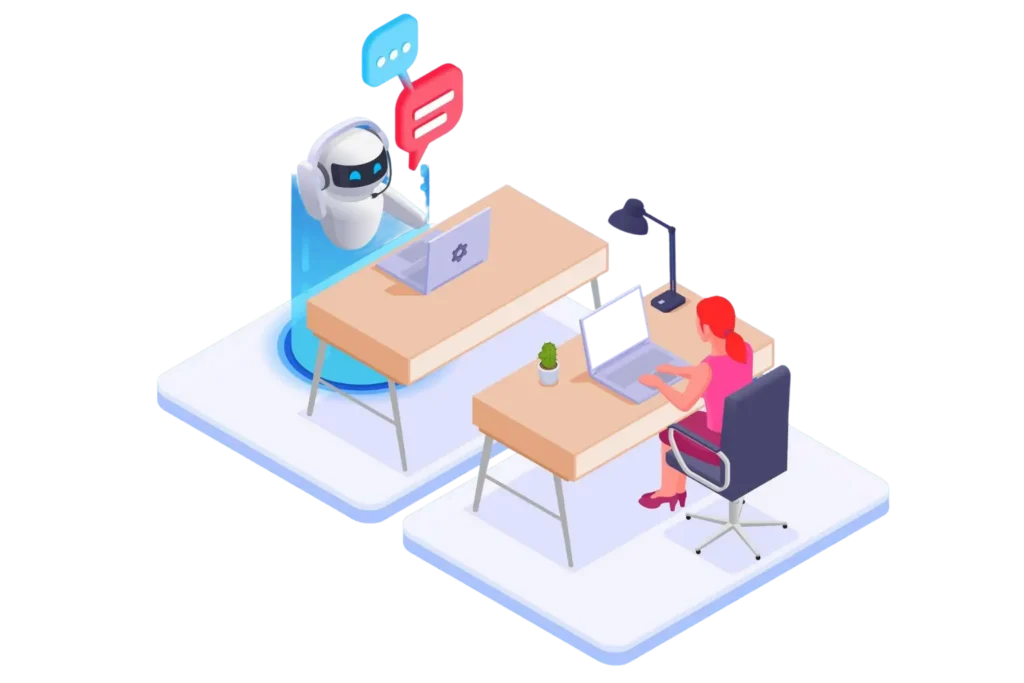
Managing employee questions, complaints, and requests is one of the most time-consuming jobs in any company. HR teams often spend hours answering the same questions, resolving repetitive issues, and managing piles of pending tickets. That’s where an AI-driven HR help desk comes in.
AI-Driven HR Help Desk automates routine tasks, allowing HR teams to focus on complex issues while providing faster, more efficient support. With AI-powered ticket routing and self-service options, employees get quick solutions.
It also offers multilingual support, improving accessibility for global teams. This technology streamlines HR support, boosting employee satisfaction and productivity.
In this blog, we’ll break down how AI is changing the way HR teams support employees faster, smarter, and more personally than ever before.
What Is HR Help Desk Software?
An HR help desk is a system that allows employees to raise questions or requests related to their work life, things like payroll queries, leave applications, policy clarifications, onboarding questions, and benefits information. Instead of walking up to the HR manager or sending scattered emails, employees submit a “ticket,” and the HR team handles it in an organized way.
An HR help desk is a system that allows employees to raise questions or requests related to their work life, things like payroll queries, leave applications, policy clarifications, onboarding questions, and benefits information. Instead of walking up to the HR manager or sending scattered emails, employees submit a “ticket,” and the HR team handles it in an organized way.
Traditional HR help desk tools work like a basic ticketing system. Someone raises an issue, it gets assigned to an HR agent, and the agent resolves it. Simple enough, but the problem is that HR teams are often small, and the volume of employee questions can be very large.
Modern HR help desk software goes a step further. It brings all employee queries into one platform, tracks each request, sets priority levels, and helps HR managers track resolution time. When combined with AI, it becomes even more powerful. The software can automatically categorize incoming tickets, suggest answers, send automated replies to common questions, and flag urgent issues for human attention.
For companies with hundreds or thousands of employees, this is not just convenient, it’s essential. HR help desk software ensures no question falls through the cracks and every employee gets a proper response.
How AI Can Solve Employee Issues Faster and More Efficiently
Speed matters a lot when employees have problems. If someone’s paycheck is wrong or they’re confused about their insurance benefits, they need answers quickly. Waiting two or three days for an HR agent to respond creates frustration and affects productivity.
AI changes that completely. Here’s how:
Instant Replies to Common Questions
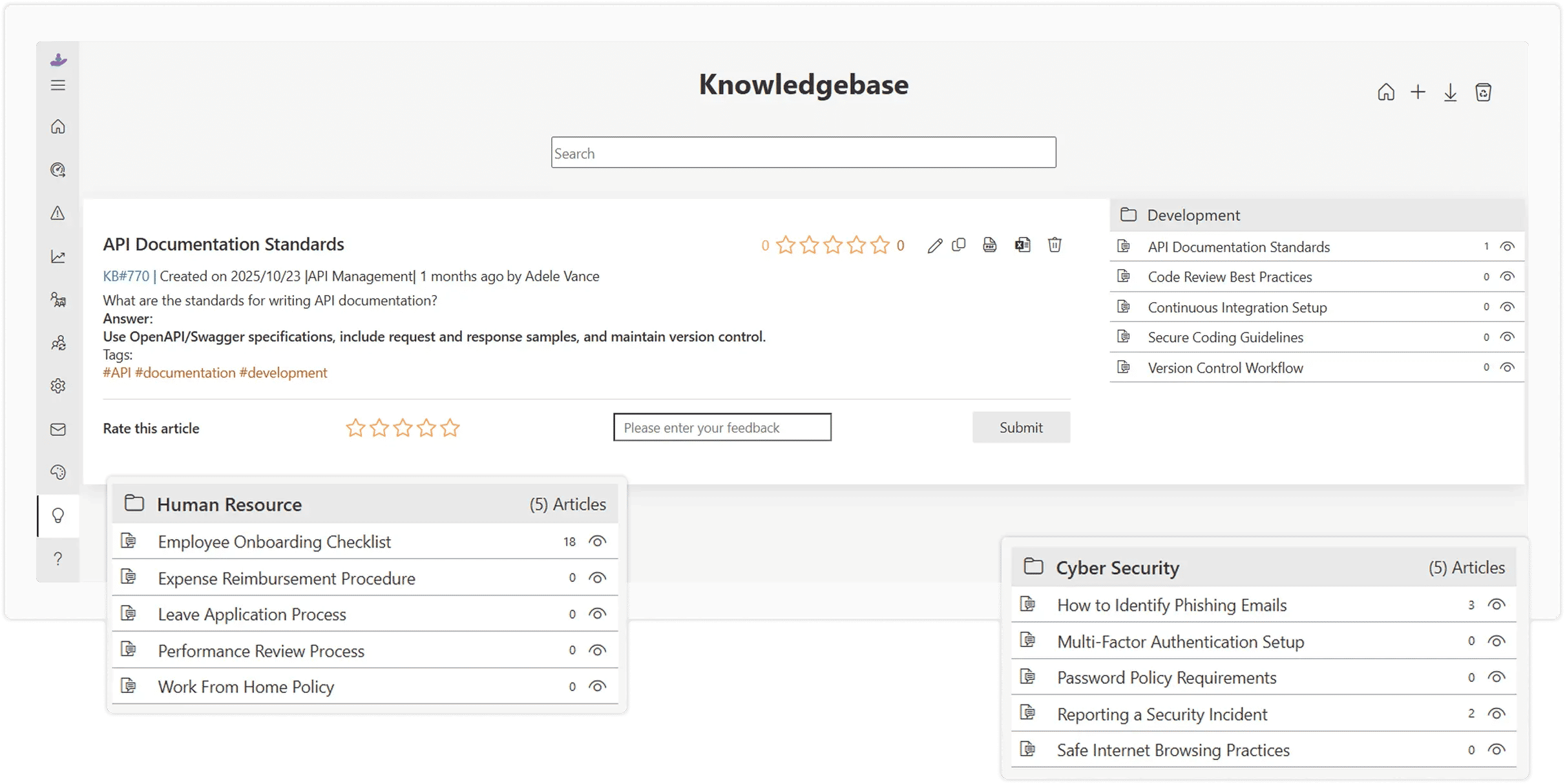
A large percentage of HR tickets, many experts say around 60–70%, are repetitive. Questions like “How many leave days do I have left?” or “What’s the process for claiming reimbursement?” come up over and over. AI-powered chatbots can answer these questions instantly, 24 hours a day, without any human involvement.
Smart Ticket Routing
When an employee submits a ticket, AI can read the content and automatically decide which team or person should handle it. A payroll issue goes directly to the payroll team. An IT access request goes to the IT-HR coordinator. This saves the time that HR managers would otherwise spend manually sorting through incoming tickets.
Reducing Human Error
When HR agents handle hundreds of tickets manually, mistakes happen. A request gets missed. A deadline gets pushed. AI ensures every ticket is logged, tracked, and followed up without gaps. Automated reminders and status updates keep both the employee and the HR agent on track.
Around-the-Clock Support
Most employees work typical office hours, but urgent questions can come up at any time. With an AI-powered HR help desk, employees can get answers even outside working hours. Whether it’s a night-shift worker or a remote employee in a different time zone, the support is always available.
Handling High Volumes Without Burnout
During peak HR periods, like open enrollment for benefits, performance review season, or after a major company policy change, the number of employee queries skyrockets. AI can handle this surge without needing extra staff or making employees wait for days.
Enhancing HR Help Desk Functionality with AI-Based Analytics
One of the most underrated benefits of AI in HR help desks is the data it generates and analyzes. Every ticket submitted is a piece of information. When you look at all those tickets together, patterns start to emerge, and those patterns can tell HR leaders a lot about what’s really happening in their organization.
Identifying Common Pain Points
If hundreds of employees are asking the same question about a specific policy, that’s a signal the policy isn’t clearly communicated. AI analytics can flag these patterns, so HR can update the documentation or send out a company-wide clarification before the issue becomes a bigger problem.
Tracking Resolution Time
How long does it take for different types of issues to get resolved? Are payroll queries getting answered faster than leave requests? AI dashboards can show these trends clearly. HR managers can use this data to reallocate resources or streamline slow processes.
Predicting Future Issues
Advanced AI tools don’t just look backward, they look forward. By analyzing historical ticket data, they can predict when spikes in certain types of queries are likely to happen. For example, if reimbursement queries always increase in the last week of the month, the system can prepare automated responses or alert HR agents to be ready.
Measuring Employee Satisfaction
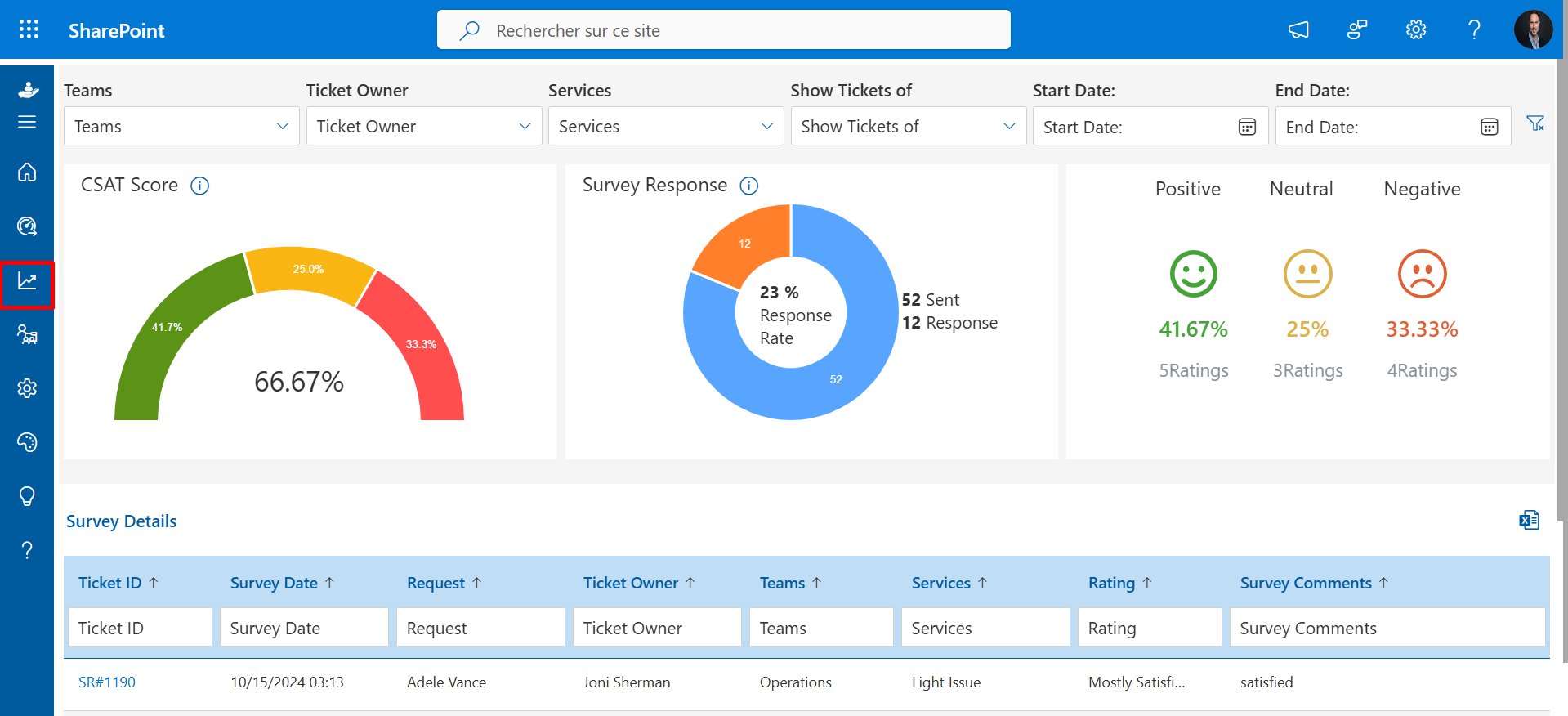
After a ticket is resolved, AI tools can automatically send a short satisfaction survey. Over time, the collected feedback helps HR understand whether employees feel their issues are being handled well. This data is gold for improving HR processes and culture.
Better HR Decision-Making
When HR leaders have clear, real-time data about support trends, resolution rates, and employee sentiment, they can make better decisions. Instead of going by gut feel, they’re working with evidence. This leads to smarter HR policies, better resource planning, and more satisfied employees.
Personalizing Employee Experiences with AI-Driven HR Support
Every employee is different. A new hire has very different needs from someone who’s been with the company for ten years. A manager in one department has different questions than a frontline worker in another. Traditional HR systems often treat everyone the same, but AI allows for genuine personalization.
Personalized Onboarding Support
New employees have a lot of questions in their first few weeks. AI can detect that an employee is new and proactively send them helpful resources, step-by-step guides, FAQs for new hires, important policy documents, before they even need to ask. This reduces confusion and helps new employees settle in faster.
Context-Aware Responses
AI-driven systems can pull information from an employee’s profile, their department, role, location, and work history, and use it to give more relevant answers. If an employee in India asks about leave policy, the system gives the response relevant to local regulations and company rules for that region, not a generic global answer.
Remembering Past Interactions
Good AI systems maintain a history of previous interactions with an employee. If someone had a payroll issue resolved last month and raises a similar concern now, the system can reference the earlier case and provide a more informed response. This feels a lot more like talking to someone who knows you, not starting from scratch every time.
Employee Self-Service Made Easy
With AI guidance, employees can resolve many of their own issues through a self-service portal. Instead of waiting for HR, they can update their personal details, check leave balances, submit reimbursement requests, or access payslips, all with AI walking them through the steps if needed. This is empowering for employees and frees up HR teams to focus on more complex tasks.
The Benefits of AI in Handling HR Ticket Backlogs
One of the biggest challenges for HR teams is the backlog. When tickets pile up, response times get longer, employee frustration grows, and HR agents feel overwhelmed. This is a cycle that’s hard to break, until AI steps in.
Automatic Resolution of Simple Tickets
Not every ticket needs a human agent. When AI can automatically resolve a significant chunk of incoming tickets, those that involve standard answers or easy lookups, the remaining tickets that need human attention become far more manageable.
Prioritization Based on Urgency
AI can analyze tickets and rank them by urgency. A complaint about a hostile work environment gets flagged as high priority and escalated immediately. A question about the company holiday calendar gets a lower priority. This ensures that the most important issues get human attention first, without anything critical getting buried under routine queries.
Suggested Responses for HR Agents
Even for tickets that need a human touch, AI can be a helpful assistant. It can suggest a response based on similar past tickets, saving the agent time while maintaining quality. The agent reviews the suggestion, makes any changes, and sends it. This cuts handle time significantly.
Reducing Repetition Fatigue
HR agents who spend their day answering the same questions repeatedly get burned out quickly. When AI handles the repetitive work, agents can focus on more meaningful cases, complex employee issues, sensitive conversations, or policy development. This improves job satisfaction and reduces turnover within the HR team itself.
Scaling Without Hiring More Staff
As a company grows, the volume of HR queries grows too. Without AI, this means constantly hiring more HR staff just to keep up. With AI, the same team can handle far more employees without losing service quality. This is a major cost-saving advantage, especially for fast-growing companies.
Conclusion
Traditional HR help desks are struggling to meet the demands of modern workplaces, but AI-driven solutions like Helpdesk 365 offer a smarter approach. By instantly answering employee questions, routing tickets efficiently, and analyzing trends, AI brings unmatched speed, accuracy, and personalization.
Investing in Helpdesk software today helps build an HR function that scales, adapts, and supports employees effectively as your organization grows, making HR teams more efficient rather than replacing them. If your team is overwhelmed with repetitive tasks and slow response times, it may be time to embrace AI-powered HR support.
Frequently Asked Questions
What is an AI-driven HR help desk?
An AI-driven HR help desk is a software platform that uses artificial intelligence to manage, respond to, and resolve employee queries and support tickets. It can answer common questions automatically, route tickets to the right team, and provide analytics on HR operations.
How does AI reduce HR ticket backlogs?
AI reduces backlogs by automatically resolving simple, repetitive tickets without human involvement. It also prioritizes remaining tickets and suggests responses to agents, helping them work faster and more efficiently.
Is an AI HR help desk suitable for small businesses?
Yes. Many AI-powered HR help desk tools are scalable and can be used by companies of all sizes. For small businesses, they help a lean HR team manage employee queries effectively without needing to hire additional staff.
Can AI really understand employee questions accurately?
Modern AI systems use natural language processing (NLP) to understand the meaning behind employee questions, not just keywords. While they aren’t perfect, they are highly accurate for most common HR queries and continue to improve with use.
Does using AI in HR help desks compromise employee privacy?
Reputable HR help desk platforms are built with data security and privacy compliance in mind. They follow regulations like GDPR and ensure that sensitive employee data is stored and processed securely. Always check the privacy policies of any software you adopt.
Will AI replace HR professionals?
No. AI is a tool that supports HR professionals, not a replacement for them. It handles routine tasks so that HR teams can focus on higher-value work — like managing employee relations, building culture, and driving strategic initiatives.
How long does it take to implement an AI HR help desk?
Implementation time varies depending on the platform and the size of your organization. Many cloud-based solutions can be set up within a few weeks, with full integration typically taking one to three months.


_JiluXJRGNl.svg)























