
Best Performance Review Software for Small Companies in 2026
Explore the best performance management tools to drive success for small businesses in 2026, offering smarter goal tracking and streamlined employee development to boost growth and productivity.
In 2026, small businesses need performance review software to enhance growth and streamline feedback.
In 2026, businesses are changing how they review employees. Small companies are moving away from yearly reviews to regular feedback. Performance review software for small companies is key to making this change and building a healthier work culture.
As more small businesses turn to digital solutions, the need for easy, affordable, and efficient performance review tools has grown. If your company wants a better way to manage employee performance, this blog will show you how.
Why Performance Review Software for Small Companies Matters
Performance Management for Small businesses often have limited resources. Traditional performance review methods using spreadsheets or informal chats can cause confusion missed deadlines and poor feedback. Performance review software for small companies simplifies this by making reviews more organized timely and aligned with company goals.
Here’s why performance review software is important:
- Better Organization: It keeps feedback in one place helping managers access evaluations quickly.
- Time Savings: Automating reviews saves time for managers and HR. No more chasing feedback or formatting templates.
- Increased Employee Engagement: Continuous feedback helps employees stay connected to their work and perform better.
- Data-Driven Decisions: Analytics track employee progress allowing for informed decisions on promotions and raises.
- Transparent Process: It makes the feedback process clear, so employees understand how their performance is evaluated.
Key Features of Performance Review Software for Small Companies
When choosing performance review software for small companies focus on features that improve productivity and engagement. Here are key features to consider:
- Customizable Review Templates
Tailor performance review templates to fit your team’s needs, adjusting questions, rating scales, and feedback areas to ensure they align with company objectives and provide relevant insights for each team member. - Continuous Feedback
Shift from annual reviews to ongoing feedback with real-time praise, coaching, and guidance. By regularly providing constructive feedback, managers foster a growth-oriented environment and keep employees motivated throughout the year. - Goal Setting and Tracking
Set clear, actionable goals that employees can track in real time. With easy-to-use tracking features, managers and employees can monitor progress, adjust strategies, and ensure alignment with company objectives, leading to better outcomes. - Performance Analytics
Leverage powerful performance analytics to monitor employee progress and identify trends. By analyzing data over time, managers can make informed decisions, spot areas for improvement, and celebrate successes, all contributing to stronger team development. - Real-Time Reporting
Generate immediate reports to assess employee performance and gain insights into strengths and areas for improvement. Real-time reporting helps HR teams and managers quickly address challenges and recognize achievements, ensuring timely action. - Seamless Integrations
Ensure smooth workflows by integrating performance management software with tools like Microsoft Teams, Google Workspace, and other platforms your company already uses. This seamless integration saves time, reduces errors, and enhances collaboration across teams. - Employee Self-Assessment
Enable employees to reflect on their performance and growth through self-assessments. This feature fosters self-awareness, encourages accountability, and opens the door for deeper, more meaningful discussions during manager reviews. - Recognition and Rewards
Celebrate achievements by rewarding employees with badges, bonuses, or public recognition. Acknowledging accomplishments not only boosts morale but also motivates teams to continue striving for excellence, creating a positive work culture. - Customizable Rating Scales
Adapt the performance evaluation process to your company’s specific needs by customizing rating scales. Whether you use numerical scores, competency-based frameworks, or 360-degree feedback, you can tailor evaluations to reflect your team’s goals and values. - Mobile Access
Access performance management tools from anywhere with mobile features. This flexibility allows managers to stay connected with their teams and enables employees to track their progress, complete reviews, and provide feedback, all on-the-go.
Top Performance Review Software for Small Companies in 2026
In 2026 there are plenty of options for online performance review software that can help small companies. Here are the best tools to make the review process easier:
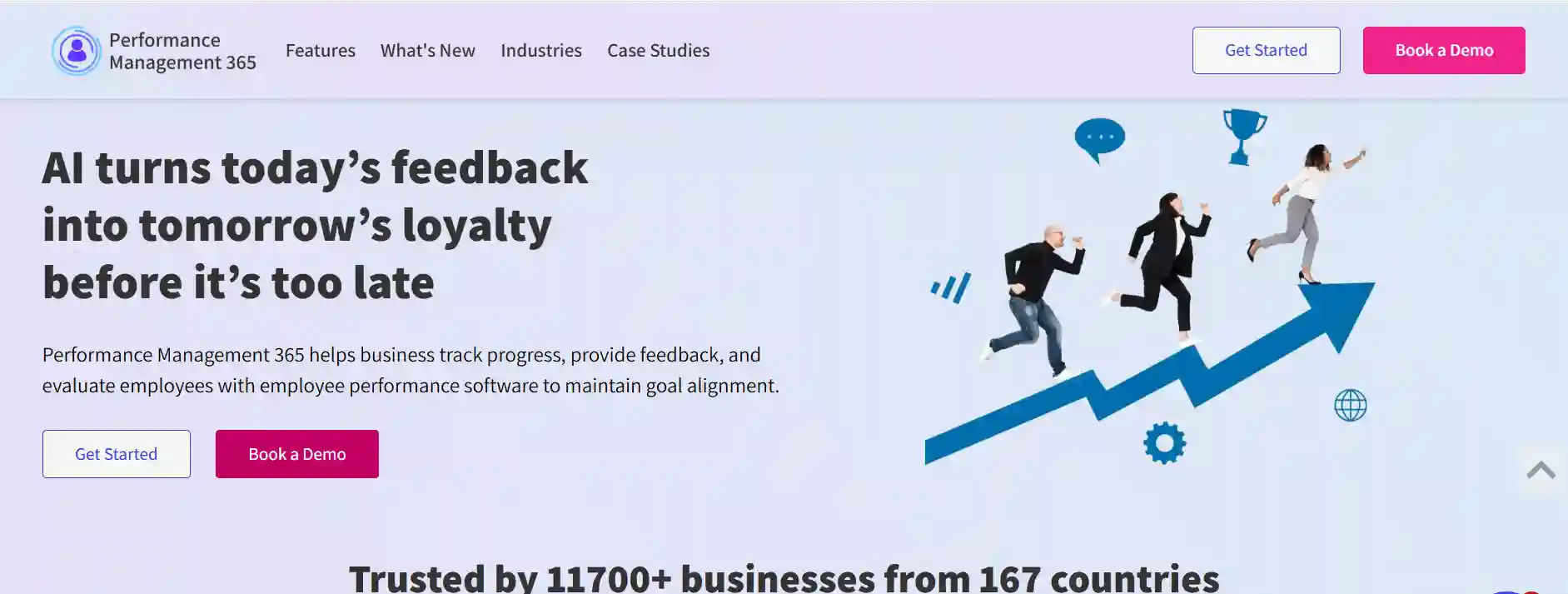
Best for: Small businesses that use Microsoft tools and want an easy solution
Performance Management 365 works directly with Microsoft Teams, Outlook, and SharePoint. It makes managing performance reviews simple and smooth. This tool helps HR teams, managers, and employees track goals give feedback and focus on employee development all within a familiar system. It makes the whole review process easier while staying within the Microsoft environment.
- Key Features: Custom review templates, 360-degree feedback, goal tracking and real-time feedback
- Best for: Small businesses already using Microsoft tools and looking for an integrated solution
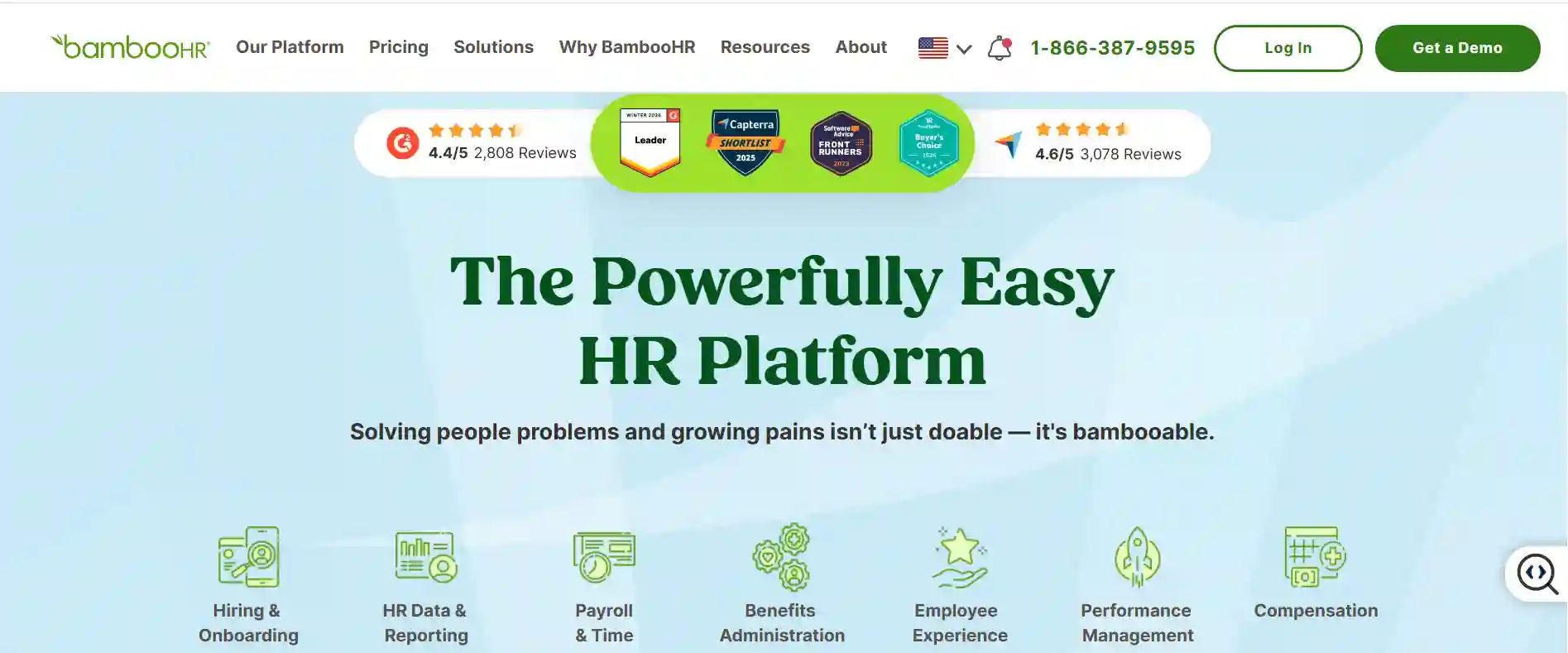
Best for: Small businesses that need everything in one place
BambooHR is simple to use and effective. It combines performance reviews with other important HR tools like time tracking and employee management. It is an all-in-one solution for your team. BambooHR helps manage goals feedback and employee development.
- Key Features: Review templates self-assessments and 360-degree feedback
- Best for: Small companies that need an affordable HR solution
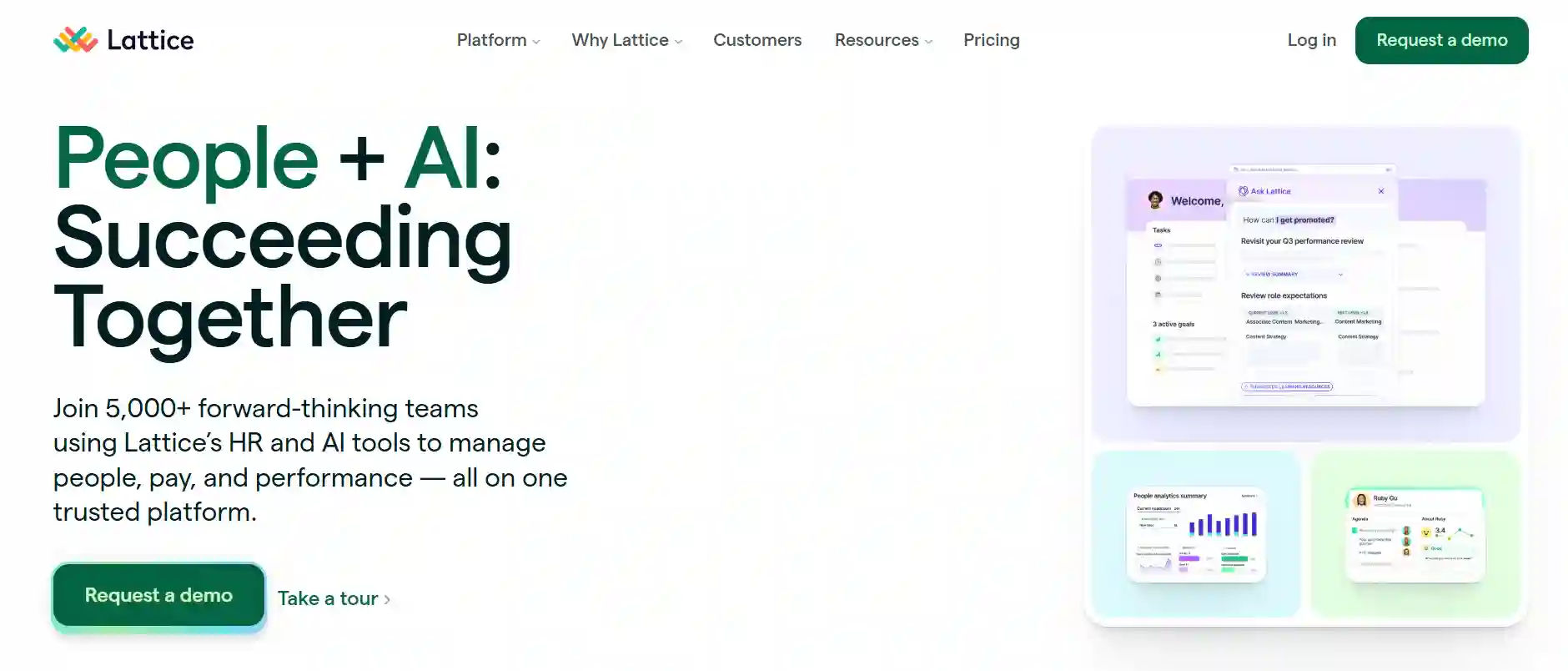
Best for: Startups and people-first cultures
Lattice helps small businesses turn performance reviews into growth opportunities. It makes feedback continuous and easy to act on. Lattice is ideal for companies that want to focus on developing their employees.
- Key Features: OKRs custom review templates feedback tools and goal tracking
- Best for: Companies that focus on people and growth
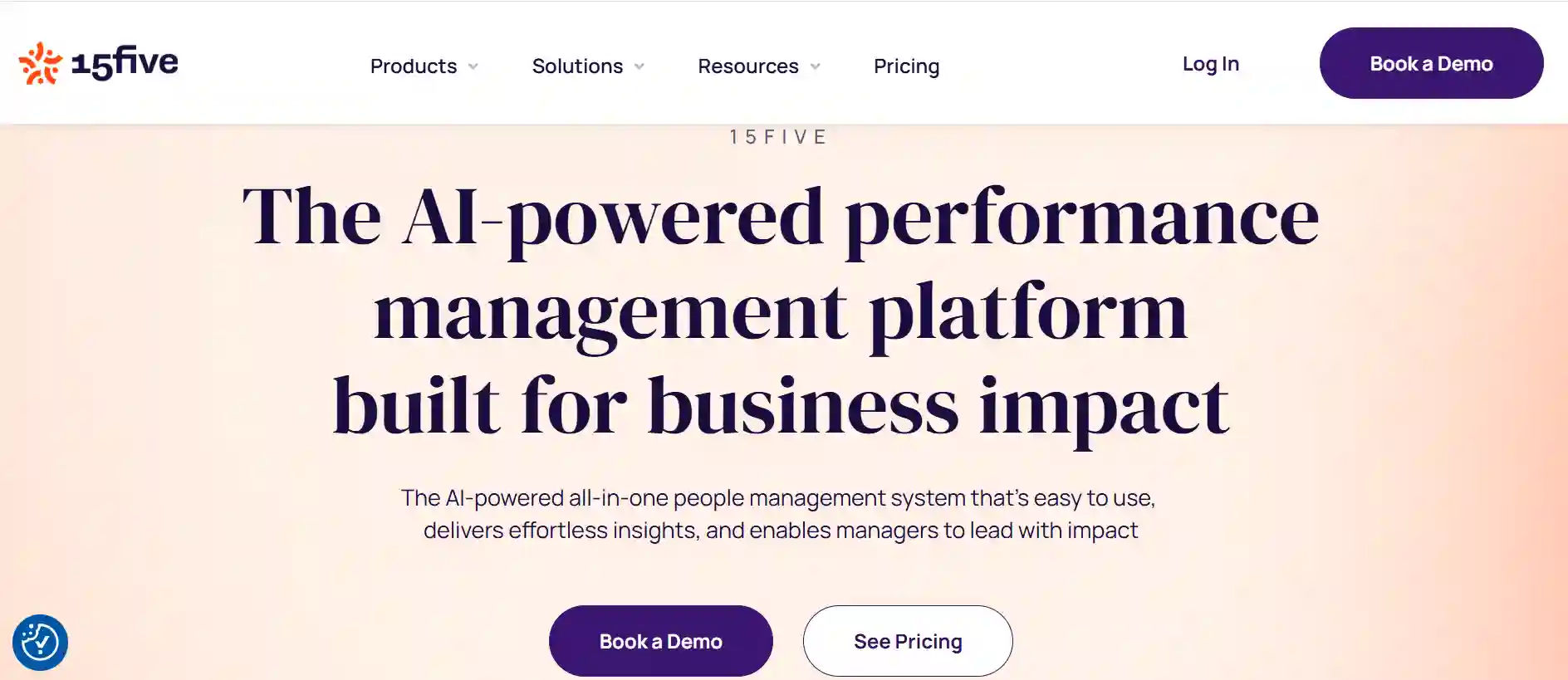
Best for: Teams that value trust and coaching
15Five combines performance reviews with employee engagement. It lets managers give regular feedback set goals and check in with employees weekly. This tool is great for building a high-trust culture in small businesses.
- Key Features: Weekly check-ins feedback alignment recognition tools and performance tracking
- Best for: Teams looking for a supportive and engaging environment
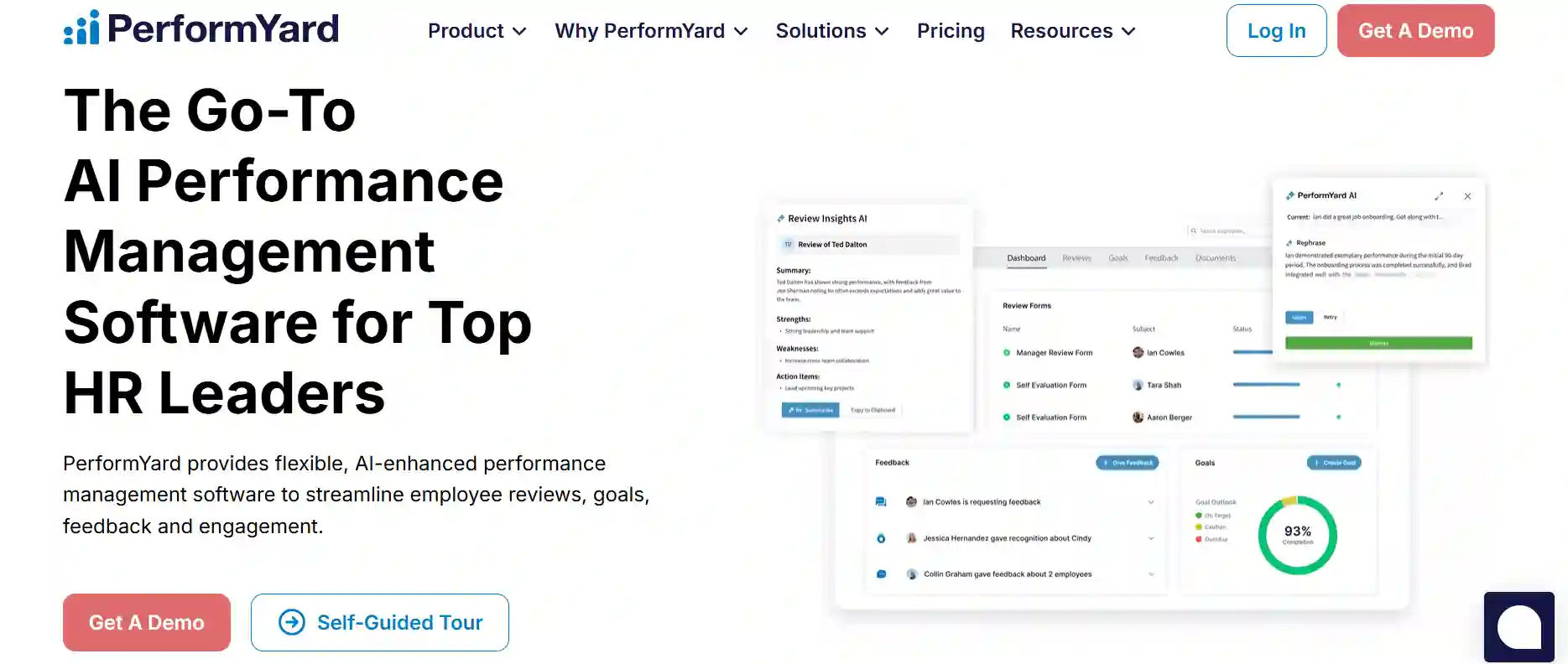
Best for: Custom performance planning
PerformYard works well for small businesses that need flexibility in their performance reviews. It lets you fully customize how feedback evaluations and reports are done. This is great for companies with unique needs.
- Key Features: Custom workflows templates real-time reporting and feedback tools
- Best for: Teams that need flexibility in their review process
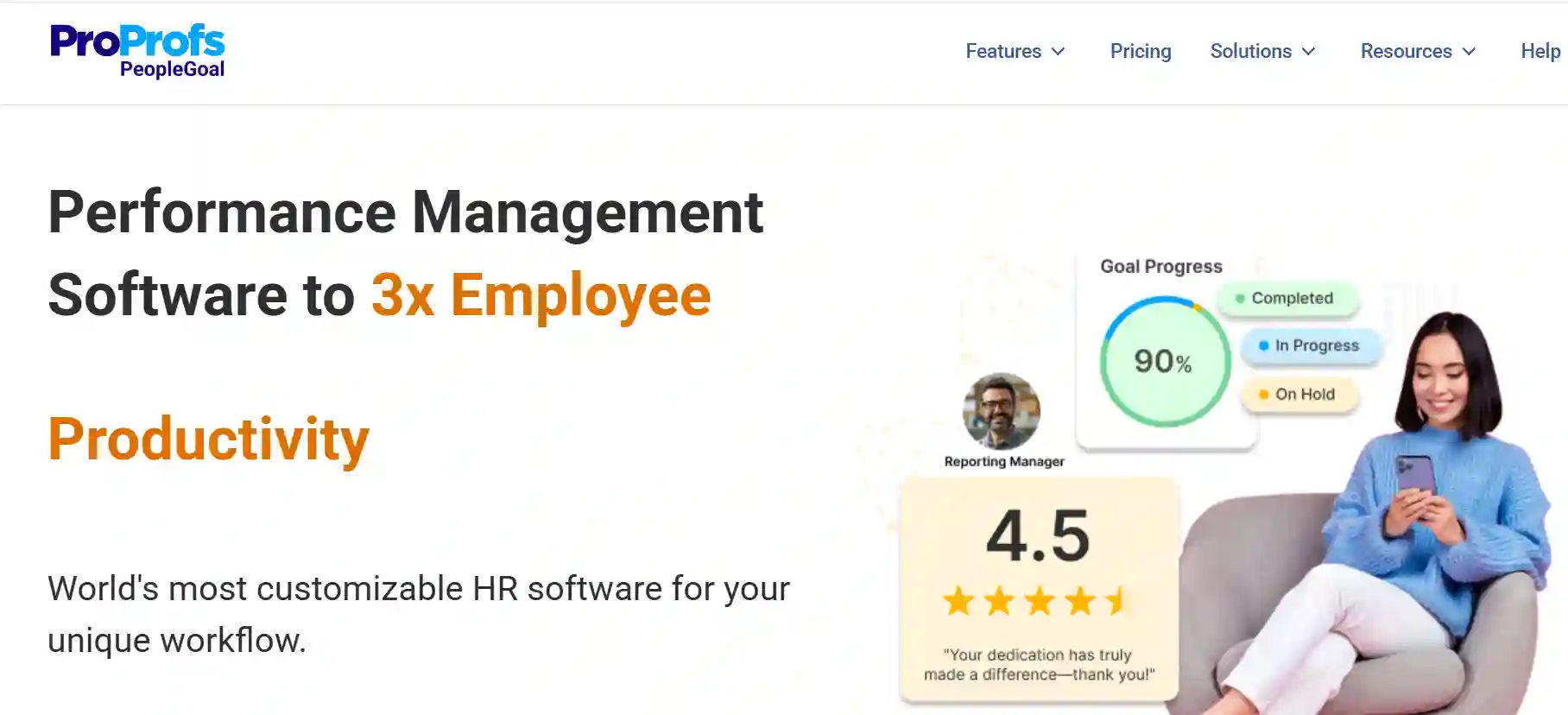
Best for: Companies that focus on data-driven performance
PeopleGoal allows small businesses to create custom performance reviews. It links performance reviews with features like goal tracking and employee engagement. It is great for businesses that make decisions based on data.
- Key Features: KPI dashboards 360-degree feedback and customizable workflows
- Best for: Small businesses that use data to guide decisions
Benefits of Using Performance Review Software for Small Companies
Here’s why performance review software is essential for small businesses:
- Consistent and Clear Feedback: Regular, clear feedback provides employees with a deep understanding of their strengths and areas for improvement, offering actionable insights to fuel their growth and development over time, ensuring they know exactly where they stand.
- Increased Efficiency: Automating feedback, tracking, and reporting reduces the time spent on manual processes and paperwork. This allows HR teams and managers to focus on high-value tasks like strategic planning, employee development, and talent management, boosting overall productivity.
- Employee Engagement: Consistent feedback and timely recognition help employees feel valued and appreciated, leading to increased morale. Regular check-ins and acknowledgment of their achievements create a positive work environment, which in turn boosts motivation and improves productivity.
- Goal Alignment: Performance review software aligns individual goals with company objectives, ensuring that everyone in the organization is working toward the same mission. This clarity fosters collaboration, reduces misalignment, and ensures that everyone’s efforts contribute to organizational success.
- Data-Driven Decisions: Performance review software collects key metrics that enable managers and HR teams to make informed, objective decisions regarding promotions, raises, skill development, and training needs, ensuring fair evaluations and helping drive career growth.
- Personalized Development Plans: Tailoring development plans to each employee’s strengths and weaknesses helps create individualized growth paths. With clear guidance, employees can focus on specific areas for improvement, ensuring they reach their full potential while receiving support for their unique needs.
- Improved Communication: Performance review software enhances communication between managers and employees by providing a structured platform for feedback and discussions. This promotes transparency, reduces misunderstandings, and aligns expectations, making communication more effective and productive.
- Performance Transparency: With clear, consistent tracking of performance over time, both employees and managers can see how well goals are being met and identify progress. Transparency in performance tracking helps boost motivation, as employees know their contributions are being recognized.
- Streamlined Onboarding: New hires can hit the ground running by understanding performance expectations from the start. With structured performance reviews and clearly defined goals, onboarding becomes a more comprehensive and engaging process, setting employees up for success in their roles from day one.
- Remote Workforce Support: For businesses with remote or distributed teams, performance review software offers a centralized platform for tracking progress, giving feedback, and ensuring alignment. This accessibility ensures that remote employees remain engaged, motivated, and connected to company goals.
How to Implement Performance Review Software in Your Small Company
Implementing performance review software in your small company helps employees grow boosts engagement and makes the review process easier. To make it work well you need to implement it smoothly.
Follow these simple steps to get started with confidence.
1. Define Your Goals and Objectives
- Before choosing performance review software you need to define your goals. Ask yourself:
- What do you want the software to do? (e.g. give regular feedback track goals or help employee development)
- What problems are you trying to solve? (e.g. inconsistent reviews unclear goals or lack of engagement)
- Knowing your company’s needs helps you pick the right software.
2. Research and Select the Right Software
Not all performance review software is the same. As a small business you need software that is affordable easy to use and will grow with your company. Look for these features:
- Customizable review templates to match your company’s needs
- 360-degree feedback to gather input from managers peers and employees
- Goal setting and tracking to help employees see their progress
- Real-time feedback features to encourage ongoing communication
Choose tools that are easy to use so your team can start right away.
3. Set Up the Software and Integrate with Existing Tools
Once you’ve picked the software the next step is setting it up. This includes:
Configuring the platform: Customize review templates goals and performance indicators to match your company’s needs
Integration: Make sure the software works well with tools like Microsoft Teams
Set timelines: Decide if reviews will be monthly quarterly or yearly and set it up accordingly
4. Train Your Managers and Employees
The success of the software depends on how well your team uses it. Train managers and employees on how to use it:
- For managers: Teach them how to give feedback set goals and track progress
- For employees: Show them how to fill out self-assessments read feedback and use the software for their growth
The more comfortable your team is with the software the more they will use it.
5. Launch the Software and Start the First Review Cycle
After training launch the software and start the first review cycle:
- Communicate the change: Let employees know why you’re using the tool and how it will help them
- Set expectations: Make sure everyone understands how the review process works and when it will happen
- Monitor feedback: After the first review cycle check in with both managers and employees to gather feedback on the software
6. Gather Feedback and Make Improvements
After a few review cycles ask for feedback from both managers and employees to see if the software is working well. You may find some features are underused or there are areas to improve.
- Analyze feedback: Look for patterns in how the software is used and its effectiveness
- Make changes: Adjust the review process and settings to better meet your company’s needs
7. Foster a Continuous Feedback Culture
Using performance review software is just the start. To make it truly effective encourage ongoing feedback:
- Provide regular check-ins: Don’t wait until the next formal review to give feedback. Use the software to stay in touch regularly
- Celebrate achievements: Recognize milestones and improvements using the software
- Support development: Focus on employee growth by setting new goals and providing actionable feedback
Meet Company Goals with Performance Review Software for Small Companies
As a small business, it’s crucial to align your team’s efforts with company goals. Using performance review software makes this process smoother, helping you create a clear roadmap for success. Here’s how:
- Streamline Goal Setting
Performance review software allows you to set and track both short-term and long-term goals across departments. It ensures that employees are always focused on what truly matters to the business. Clear goal-setting boosts employee motivation and productivity.
- Enable Continuous Feedback
Regular feedback, as opposed to annual reviews, fosters a culture of improvement. With performance review software, managers can provide instant feedback, ensuring that employees stay aligned with company goals and can adjust as needed.
- Increase Transparency
Transparency is key to building trust. Performance review software provides a clear view of individual progress toward company goals. It helps employees understand how their contributions fit into the larger organizational picture.
- Track Employee Development
Not only does performance review software track company goals, but it also tracks employee development. This helps you recognize skill gaps and create personalized development plans that align with both company and employee growth.
- Boost Accountability
Performance review software encourages accountability by giving employees ownership of their goals and progress. When goals are tracked and feedback is readily available, employees are more motivated to stay on track and contribute to the company’s success.
- Create a Data-Driven Strategy
These platforms offer analytics and reporting features, allowing you to gather data on employee performance. With insights from these reports, HR teams and managers can fine-tune their strategies to meet business goals more efficiently.
- Align Performance with Business Strategy
Performance review software ensures that employee efforts are directly aligned with company strategy. You can set department-specific goals that feed into broader business objectives, making it easier for everyone to work toward a unified vision.
- Improve Employee Engagement
By connecting employees’ personal goals to the company’s objectives, performance review software keeps them engaged and invested in their work. Engaged employees are more likely to contribute to the company’s growth and success.
- Facilitate Better Decision-Making
By offering real-time insights into employee performance, these tools allow managers to make better-informed decisions regarding promotions, salary raises, and development needs. This helps make sure that decisions are in line with the company’s overall objectives and vision.
- Support Long-Term Business Growth
The software not only aids short-term goal tracking but also supports long-term business growth. By continuously measuring progress and ensuring alignment, it helps small businesses scale effectively and sustainably.
By using performance review software, small businesses can efficiently track and achieve their goals, leading to better overall performance, employee satisfaction, and business success.
Conclusion
In 2026, performance review software for small companies is key to staying competitive, engaged, and productive. The right tool can simplify feedback, set clear goals, and help your team grow. Don’t let outdated review methods hold you back. Invest in the right performance review software for small companies today and watch your team thrive.
Book a Demo
Now that you know the benefits of performance review software for small companies, it’s time to see it in action. Book a demo today and discover how these tools can help your business grow and thrive in 2026. Take the first step toward building a culture of continuous feedback and development.
Frequently Asked Questions
What is performance review software?
Performance review software is a digital tool designed to streamline and organize employee evaluations, feedback, and goal tracking. It helps managers give consistent, structured feedback and allows employees to track their own growth. By automating the process, it saves time and ensures a more objective, data-driven approach to performance management.
How does performance review software for small companies help?
It saves time, improves feedback consistency, and aligns employee goals with company objectives. By automating processes, small businesses can focus on what matters—employee development and company growth. Additionally, it provides valuable insights that help in making informed decisions about promotions, training, and performance improvement strategies.
Is performance review software easy to use?
Yes! Most performance review software platforms are designed to be user-friendly, especially for small businesses with limited HR resources. These platforms often feature intuitive interfaces and simple setup processes, making it easy for teams to get started without requiring extensive training or technical expertise.
Can performance review software integrate with other tools?
Many performance review tools integrate with other business platforms like Microsoft Teams helping teams stay connected and aligned. This seamless integration ensures that feedback, goals, and updates are easily accessible within the tools teams already use daily, improving workflow efficiency.
How much does performance review software cost?
The cost can differ based on the features you need and the number of users in your company. Many platforms offer affordable pricing options for small businesses, with some even offering free trials. This flexibility allows businesses to try the software before committing, ensuring it meets their specific needs and budget.






















