

Software for HR: Complete Guide to HR Software (HRMS) in 2026

Managing people sounds simple until your team starts growing. What once worked with spreadsheets and emails quickly turns into scattered data, missed updates, and constant follow-ups. HR teams often spend more time fixing errors than focusing on employees.
Corporate skilling software helps businesses train, upskill, and retain employees with smart, role-based learning tools. It automates training, tracks progress, supports compliance, and personalizes learning for each employee—whether they are in-office or remote. With mobile access and real-time analytics, it ensures everyone learns what they need, when they need it.
From onboarding to leadership development, corporate skilling tools boost productivity, close skill gaps, and align learning with business goals. The result? A future-ready workforce that adapts fast, performs better, and stays longer—powered by data-driven, digital learning.
As businesses grow, HR tasks become more complex. From tracking attendance to processing payroll and managing performance, handling everything manually can slow down operations and create unnecessary confusion.
This is where software for HR becomes essential.
Instead of managing tasks across different tools, HR software brings everything into one system. It helps businesses handle employee data, payroll, hiring, and performance with better clarity and control. With the right system in place, HR teams can spend less time on admin work and more time supporting employees.
In this guide, you will learn everything about HR software, including its features, benefits, comparisons, and how to choose the right solution for your business.
What is Software for HR?
Software for HR, also known as HRMS (Human Resource Management System), is a digital platform that brings all your HR activities into one place.
As teams grow, managing employee data, attendance, hiring, and performance across spreadsheets and emails becomes difficult to control. Information gets scattered, updates are missed, and simple tasks start taking more time than they should.
HR software solves this problem by creating a single, organized system where everything is connected.
With HR software, businesses can:
- Keep all employee information structured and easy to access
- Track attendance and leave without manual effort
- Manage hiring and onboarding in a clear, step-by-step way
- Monitor performance and give timely feedback
Instead of switching between multiple tools or relying on manual work, HR teams get a clear view of their workforce in one system.
In simple terms, HR software turns complex HR processes into a smooth, easy-to-manage workflow helping teams stay focused, organized, and in control.
Why Businesses Need HR Software
Managing HR manually may work in the early stages, but as your team grows, it quickly becomes difficult to handle. Tasks that once felt simple start taking more time, and small errors begin to create bigger problems.
HR teams often deal with scattered data, repeated follow-ups, and a lack of clear visibility. This not only slows down work but also affects employee experience.
HR software helps solve these challenges by bringing structure and clarity to everyday HR tasks.
Here’s why businesses need it:
Reduces Manual Work
HR teams spend a large part of their time on repetitive tasks like updating employee records, tracking attendance, and responding to basic requests. When these tasks are handled manually, they take longer and often lead to delays.
With HR software, these activities are managed within a system, reducing dependency on manual work and freeing up time for more important responsibilities.
Keeps Data Organized
Employee data is often spread across spreadsheets, emails, and different tools. This makes it difficult to find accurate information when needed.
HR software stores all employee details in one central system, making it easy to access, update, and manage without confusion or duplication.
Improves Accuracy
Manual processes increase the chances of errors, whether it’s incorrect data entry or missed updates. Even small mistakes can create larger issues over time.
A structured system reduces these risks by maintaining consistent data and minimizing human error.
Gives Better Visibility
Without a proper system, it is hard for HR teams and managers to get a clear view of employee information, attendance, or performance.
HR software provides a complete overview in one place, helping teams quickly understand what is happening across the organization and make better decisions
Speeds Up HR Processes
Tasks like onboarding new employees, approving leave requests, or updating records can take longer when done manually.
With HR software, these processes become faster and more structured, helping teams save time and avoid unnecessary delays.
Supports Better Employee Experience
Employees often depend on HR for basic information or updates. When processes are unclear or slow, it affects their overall experience.
HR software gives employees access to the information they need and allows them to complete tasks like applying for leave or updating details without waiting.
Helps HR Teams Focus on People
When HR teams are busy managing administrative work, they have less time to focus on employee engagement and development.
By reducing manual effort, HR software allows teams to focus more on building a better workplace and supporting employee growth.
As businesses grow, HR becomes more complex. Having the right system in place helps teams stay organized, reduce confusion, and focus more on people instead of processes.
Key Features of HR Software
A strong HR software solution is defined by the features it offers. These features help businesses manage daily HR tasks more efficiently while improving overall visibility and control.
Below are the key features every modern HRMS should include: –
Employee Data Management
Managing employee information manually can quickly become difficult as your team grows. Important details may get lost across spreadsheets or outdated files. HR software solves this by storing all employee data in one central system. From personal details to job roles and history, everything is organized and easy to access. This makes updates faster and reduces confusion when information is needed.
Attendance and Leave Management
Tracking attendance and leave manually often leads to errors and constant follow-ups. It also becomes hard to maintain accurate records over time. With HR software, attendance and leave are tracked in real time. Employees can apply for leave directly through the system, and managers can review and approve requests easily. This keeps the process clear and reduces back-and-forth communication.
Recruitment and Applicant Tracking
Hiring the right people is important, but managing candidates without a system can be time-consuming. Information gets scattered, and it becomes difficult to track progress. HR software helps manage the entire hiring process in one place. It allows teams to track candidates, manage job applications, and move candidates through different stages in a structured way.
Onboarding Management
The onboarding process sets the tone for a new employee’s experience. When done manually, it can feel unorganized and slow. HR software creates a clear onboarding process where tasks, documents, and steps are managed in one system. This helps new employees settle in faster and reduces the workload for HR teams.
Performance Management
Tracking employee performance without a system often leads to unclear goals and delayed feedback. HR software allows businesses to set clear goals, track progress, and provide regular feedback. This helps employees understand expectations and improves overall performance.
Learning Management
Employee growth is an important part of long-term success, but managing training manually can be difficult to track and organize. HR software with learning management features allows businesses to assign training, track progress, and support employee development in a structured way. This helps teams build skills, stay updated, and grow within the organization.
Employee Self-Service Portal
HR teams often spend time handling simple requests like updating employee details or sharing documents. With a self-service portal, employees can access their information, update details, and apply for leave on their own. This reduces dependency on HR and improves overall efficiency.
Reports and Analytics
Making decisions without data can lead to guesswork. HR teams need clear insights to understand trends and improve processes. HR software provides reports and analytics that give visibility into attendance, hiring, performance, and employee development. This helps businesses make informed decisions and plan better.
These features work together to create a system where HR processes are clear, structured, and easy to manage.
Types of HR Software
Not all HR software is built the same. Different businesses have different needs, and the right solution depends on how complex your HR processes are.
Understanding the types of HR software helps you choose a system that fits your current needs while supporting future growth.
HRIS (Human Resource Information System)
HRIS is the starting point for many businesses moving away from manual HR work.
It focuses on organizing employee information and handling basic HR tasks. Instead of managing data across spreadsheets, HRIS stores everything in one structured system.
This type of software is ideal for businesses that:
- Want to centralize employee records
- Need better visibility into basic HR data
- Are moving from manual to digital processes
HCM (Human Capital Management)
HCM takes HR a step further by focusing on employee growth and development.
It includes features that help businesses manage performance, learning, and long-term workforce planning. Instead of just managing employees, HCM helps improve how they grow within the organization.
This is suitable for companies that:
- Want to build strong performance-driven teams
- Focus on employee development and engagement
- Need better planning for future workforce needs
HRMS (Human Resource Management System)
HRMS is a complete solution that combines the strengths of both HRIS and HCM.
It covers day-to-day HR operations along with employee development, all within a single platform. From managing employee data to handling recruitment, onboarding, performance, and learning, everything is connected.
This makes HRMS the best choice for businesses that:
- Want an all-in-one HR solution
- Prefer managing everything from a single system
- Need a scalable platform that grows with their team
Cloud-Based HR Software
Modern businesses need flexibility, especially with remote and hybrid work models.
Cloud-based HR software allows teams to access the system anytime, from anywhere. It does not require heavy setup and can be used across locations without limitations.
This is ideal for businesses that:
- Have remote or distributed teams
- Need easy access to HR systems
- Prefer faster setup and lower maintenance
Benefits of Using HR Software
Investing in HR software is not just about moving away from manual work it’s about improving how your entire organization functions.
When HR processes are clear and structured, teams work better, decisions become easier, and employees have a smoother experience.
Here are the key benefits of using HR software:
Saves Time Across HR Tasks
HR teams often spend a large part of their day handling repetitive tasks such as updating employee records, tracking attendance, and responding to routine requests. When these tasks are managed manually, they take longer and slow down overall productivity.
With HR software, these activities are handled within a single system, reducing the time spent on admin work. This allows HR teams to focus more on meaningful tasks like employee engagement, hiring, and development.
Brings All HR Data into One Place
Managing employee information across spreadsheets, emails, and multiple tools can create confusion and make it difficult to find accurate data when needed. Over time, this leads to duplication and outdated records.
HR software solves this by creating a centralized system where all employee data is stored and updated in real time. This makes it easier to access information quickly and maintain consistency across the organization.
Reduces Errors and Improves Accuracy
Manual data entry increases the chances of mistakes, especially when information is updated frequently. Even small errors can lead to larger issues, affecting records and decision-making.
A structured HR system minimizes these risks by keeping data consistent and organized. It helps maintain accuracy across processes, making HR operations more reliable.
Improves Employee Experience
Employees expect simple and clear processes when it comes to managing their work-related tasks. Delays or lack of transparency can create frustration and reduce satisfaction.
HR software provides employees with easy access to their information and allows them to complete tasks like applying for leave or updating details without waiting. This creates a smoother and more transparent experience.
Speeds Up HR Processes
Many HR activities, such as onboarding new employees or approving requests, can take longer when handled manually. This often leads to delays and unnecessary back-and-forth communication.
With HR software, these processes follow a clear workflow, making them faster and more efficient. This helps teams complete tasks on time and reduces dependency on manual coordination.
Provides Better Visibility for Managers
Without a proper system, managers often struggle to get a clear understanding of their team’s performance, attendance, or overall activity. This lack of visibility can affect decision-making.
HR software provides real-time insights that help managers stay informed. With better visibility, they can take timely actions and manage their teams more effectively.
Supports Employee Growth and Development
Employee development is important for long-term success, but tracking progress manually can be difficult and inconsistent.
HR software helps by providing tools for performance tracking and learning management. This allows businesses to support employee growth in a structured way and align development with business goals.
Scales with Your Business
As organizations grow, managing HR processes becomes more complex. What worked for a small team may not work for a larger workforce.
HR software is built to handle this growth. It can manage increasing data, employees, and processes without adding confusion, making it easier for businesses to scale smoothly.
Signs You Need HR Software
Many businesses don’t realize they need HR software until problems start affecting daily operations. What begins as small inefficiencies can quickly grow into bigger challenges as the team expands.
If you notice any of the following signs, it may be time to consider HR software:
You Are Relying Too Much on Spreadsheets
Spreadsheets may work in the beginning, but they become difficult to manage as your employee data grows. It becomes hard to track updates, avoid duplication, and maintain accuracy over time.
If your team is constantly updating multiple files and still struggling to keep data consistent, it’s a clear sign that you need a more structured system.
Employee Information Feels Scattered
When employee data is stored across emails, documents, and different tools, finding the right information can take time. This often leads to delays and confusion within the HR team.
HR software brings all this information into one place, making it easy to access and manage without searching through multiple sources.
Too Much Time is Spent on Manual Tasks
If your HR team is spending most of their time on repetitive work like tracking attendance, updating records, and handling basic requests, it limits their ability to focus on more important tasks.
This is a strong sign that your current process is not efficient and needs improvement through automation.
Hiring and Onboarding Feel Unorganized
Managing candidates and onboarding new employees without a system can quickly become overwhelming. Important steps may be missed, and the experience may feel inconsistent for new hires.
HR software helps create a clear and structured process, making hiring and onboarding smoother and more organized.
Lack of Visibility into Employee Performance
When performance tracking is done manually or not done regularly, it becomes difficult to understand how employees are progressing.
Without clear insights, managers may struggle to provide feedback or make informed decisions. HR software helps bring visibility and consistency to performance management.
Delays in Approvals and HR Processes
Simple processes like leave approvals or updating employee details can take longer when done manually. This often leads to unnecessary follow-ups and delays.
If your team frequently faces such issues, it indicates the need for a system that can handle these processes more efficiently.
HR Feels Reactive Instead of Proactive
When HR teams are busy managing day-to-day issues, they have little time to focus on improving employee experience or planning growth.
HR software helps shift the focus from reacting to problems to managing processes in a more organized and forward-thinking way.
Best HR Software in 2026
Choosing the right HR software depends on your business needs, team size, and the type of HR processes you want to manage. Different tools focus on different areas, so understanding their capabilities helps you make a better decision.
HRMS
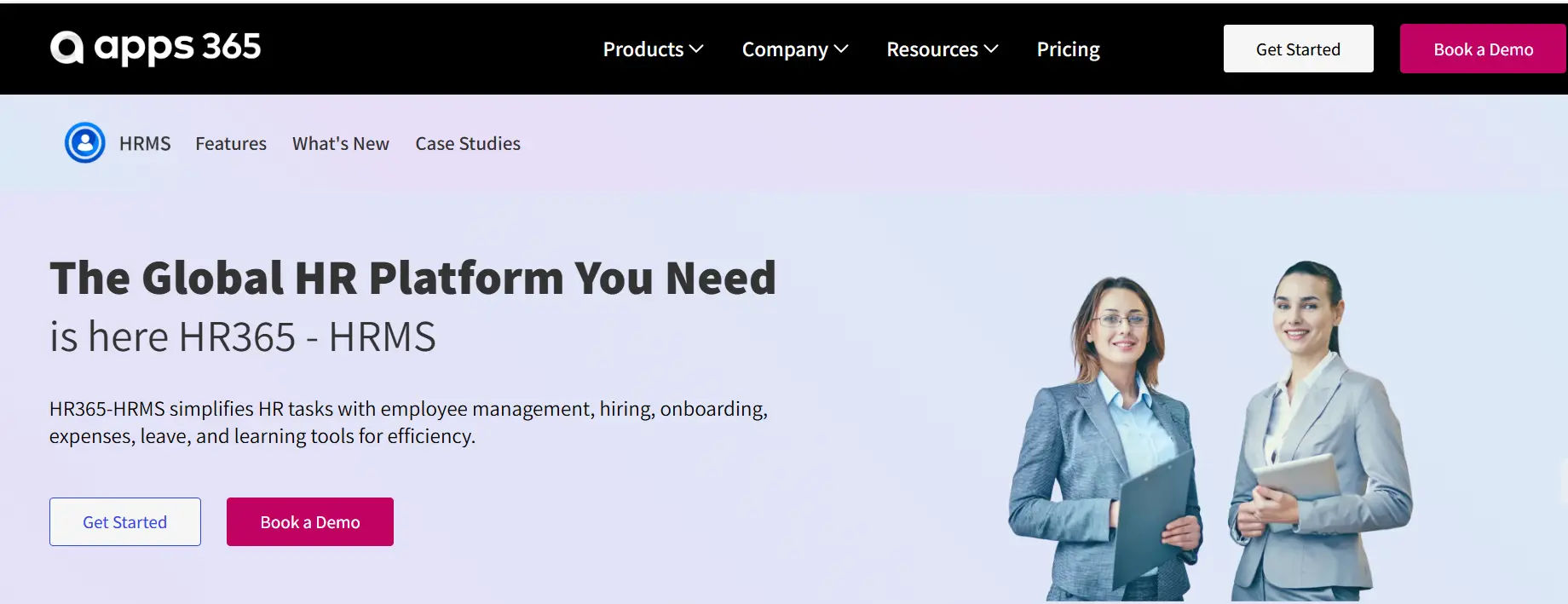
Your HRMS focuses on managing core HR operations in a structured and simple way. It brings multiple HR functions into one platform to help teams stay organized and reduce manual work.
Key capabilities:
- Employee data management
- Attendance and leave tracking
- Recruitment and onboarding
- Performance management
- Learning management
Best suited for:
Businesses looking for an all-in-one HR system to manage daily HR operations.
BambooHR
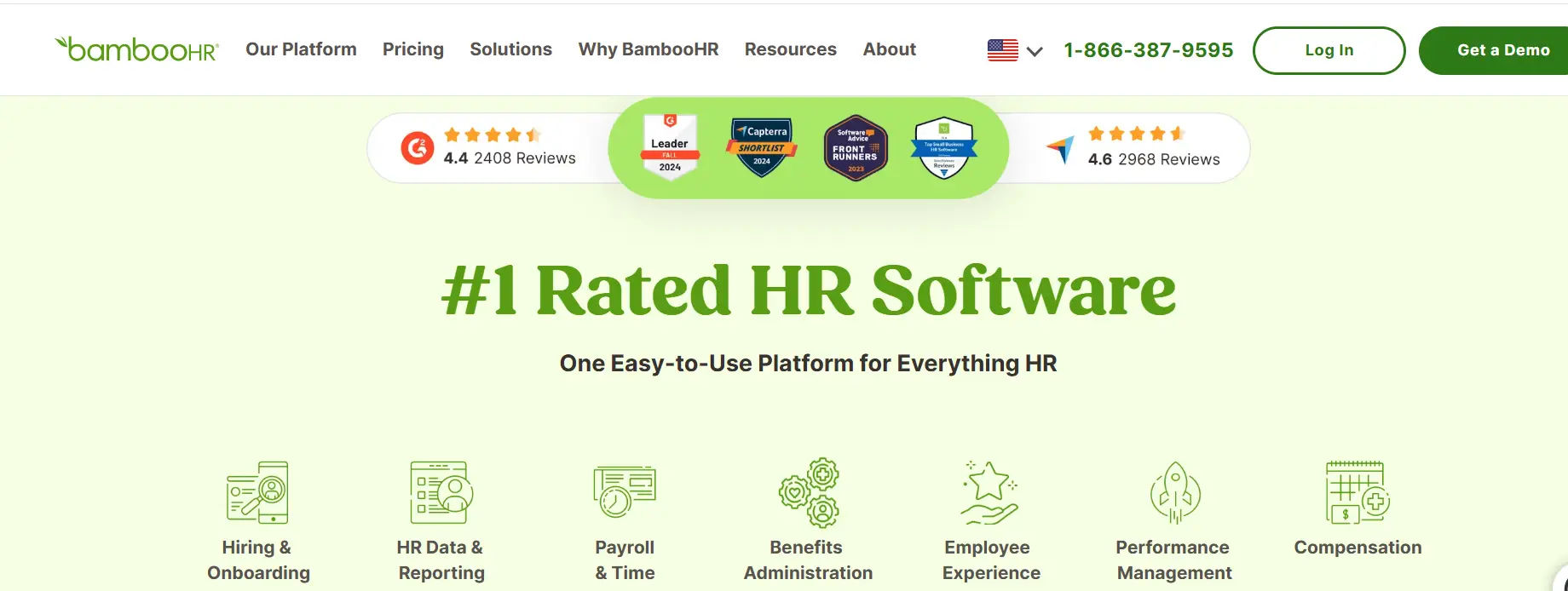
BambooHR is widely used for managing core HR processes with a focus on ease of use. It helps businesses organize employee information and basic HR workflows.
Key capabilities:
- Employee record management
- Onboarding workflows
- Time-off tracking
- Basic reporting
- Employee database
Best suited for:
Small to mid-sized businesses that need a simple and easy-to-use HR system.
Lattice
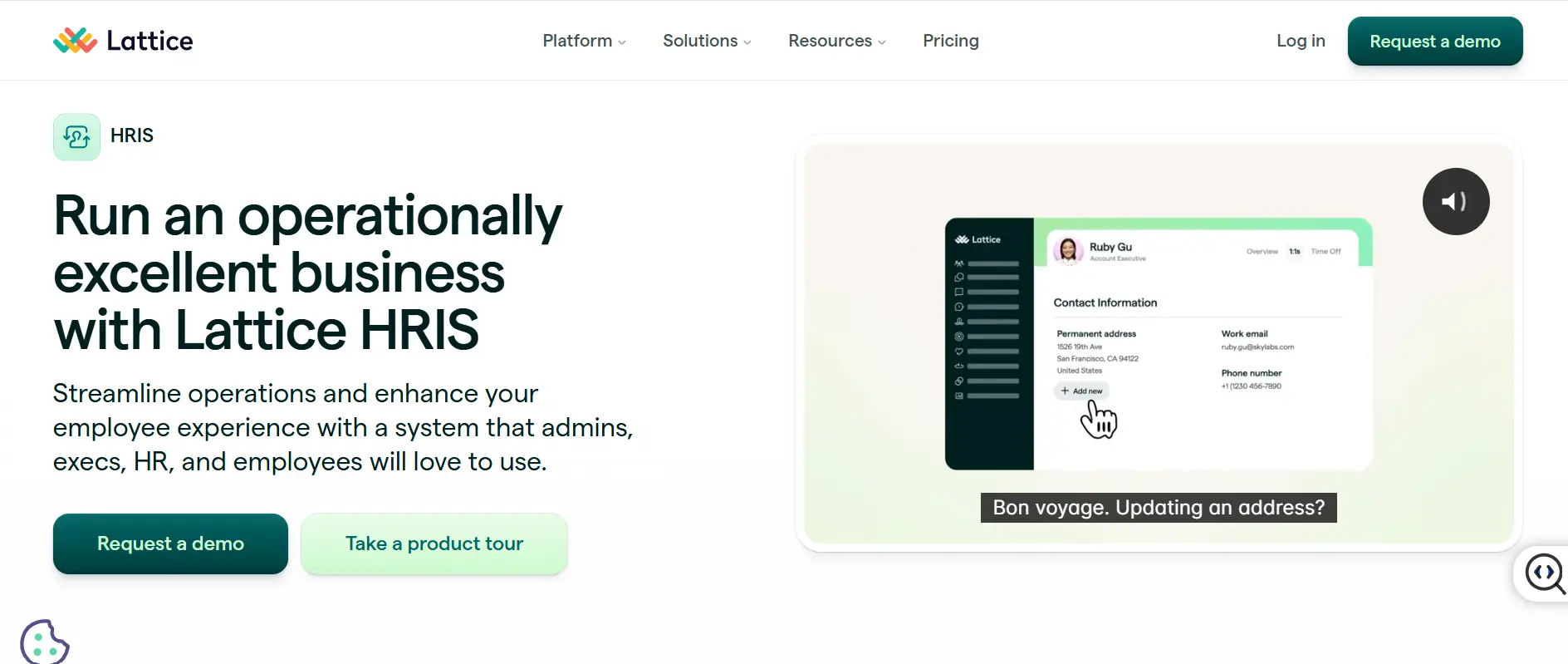
Lattice focuses on performance management and employee engagement. It helps organizations improve how they track goals and provide feedback.
Key capabilities:
- Performance reviews
- Goal and OKR tracking
- Continuous feedback
- Employee engagement tools
- Analytics and insights
Best suited for:
Companies that want to improve performance and build a feedback-driven culture.
Paylocity
Paylocity offers a broad range of HR and workforce management features designed for more complex needs.
Key capabilities:
- Employee data management
- Workforce management
- Time and attendance tracking
- Reporting and analytics
- Talent management tools
Best suited for:
Mid-sized to large organizations that need a wide range of HR functionalities.
Zoho People
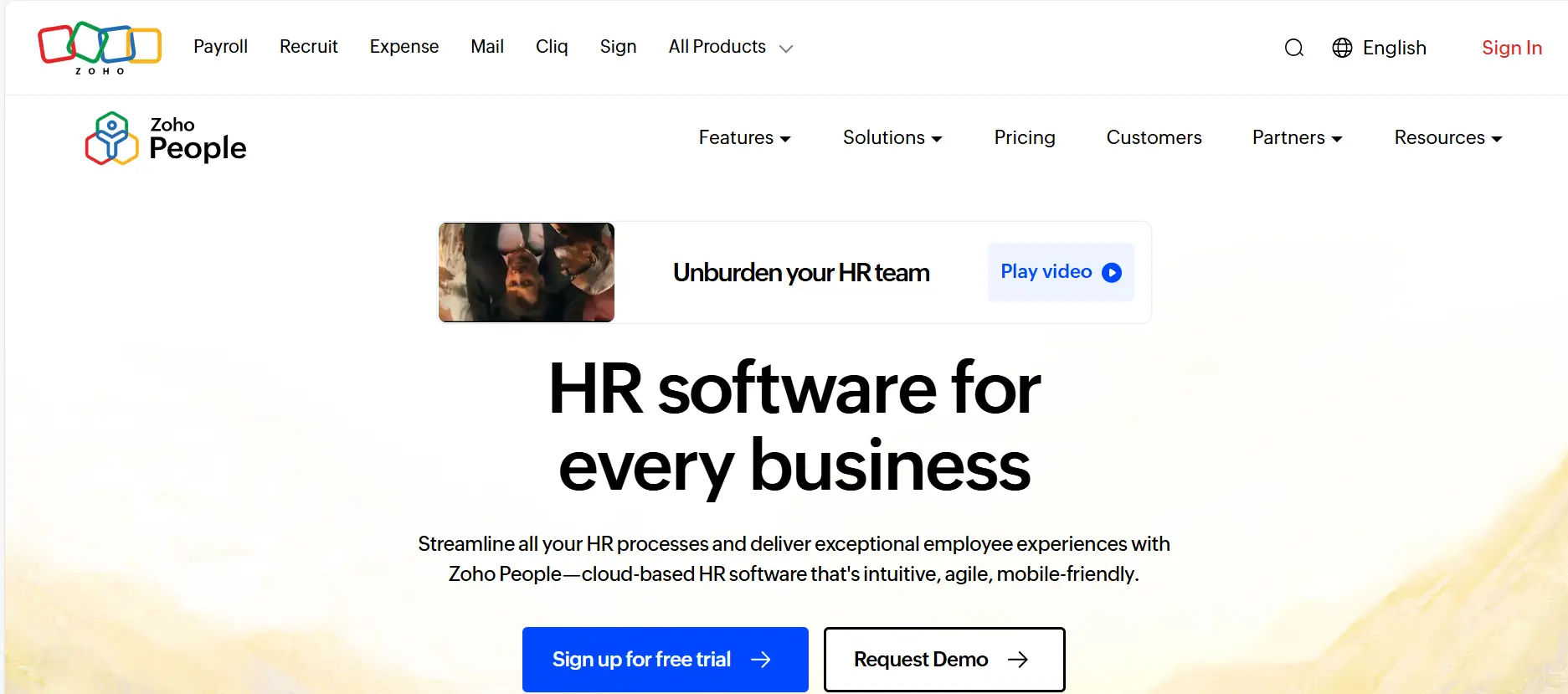
Zoho People is part of the Zoho ecosystem and offers a flexible HR solution with a focus on customization and integration with other business tools.
Key capabilities:
- Employee database management
- Attendance and leave tracking
- Performance management
- Workflow automation
- Integration with Zoho apps
Best suited for:
Businesses that are already using Zoho products or need a customizable HR system.
How to Compare HR Software Effectively
When comparing HR software, focus on how well the system matches your needs instead of just looking at features.
- Does it cover your core HR processes?
- Is it easy for your team to use?
- Can it support your growth?
- Does it reduce dependency on multiple tools?
HR Software for Different Business Sizes
Not every business has the same HR needs. A startup managing a small team will have very different challenges compared to a growing company or a large organization.
Choosing the right HR software depends on your business size, structure, and how complex your HR processes are.
HR Software for Startups
Startups usually begin with small teams and limited resources. In the early stages, HR tasks are often handled manually or shared across different roles.
As the team starts growing, managing employee data, attendance, and hiring through spreadsheets becomes difficult. This can lead to confusion and missed updates.
HR software helps startups by providing a simple system to organize their HR processes from the beginning.
What startups should look for:
- Easy setup and quick adoption
- Basic employee data management
- Attendance and leave tracking
- Simple hiring and onboarding workflows
For startups, the focus should be on choosing a solution that is simple, easy to use, and does not require heavy setup.
HR Software for Small and Medium Businesses (SMBs)
As businesses grow, HR processes become more structured and require better coordination. Managing multiple employees, tracking performance, and handling onboarding manually can slow down operations.
At this stage, businesses need a system that can handle both daily operations and employee development.
HR software helps SMBs by bringing all HR functions into one place, reducing confusion and improving efficiency.
What SMBs should look for:
- Centralized employee data
- Attendance and leave management
- Recruitment and onboarding features
- Performance tracking and feedback
- Learning management for employee growth
SMBs benefit most from an all-in-one HRMS that supports both operational and strategic HR needs.
HR Software for Large Enterprises
Large organizations deal with complex HR processes, multiple teams, and a higher volume of employee data. Managing this without a proper system can create major inefficiencies.
Enterprises need HR software that can handle scale, provide deeper insights, and support structured workflows across departments.
HR software helps large organizations maintain consistency, improve visibility, and manage workforce data effectively.
What enterprises should look for:
- Advanced reporting and analytics
- Scalable system for large teams
- Structured performance management
- Integration with other business tools
- Strong data security and access control
For enterprises, the focus should be on scalability, visibility, and managing complexity across the organization.
Choosing Based on Your Growth Stage
As your business grows, your HR needs will change. The key is to choose software that not only solves your current challenges but can also support your future requirements.
A flexible HRMS can help businesses move from basic HR management to more structured and growth-focused processes without switching systems.
How to Choose the Right HR Software
As your business grows, your HR needs will change. The key is to choose software that not only solves your current challenges but can also support your future requirements.
A flexible HRMS can help businesses move from basic HR management to more structured and growth-focused processes without switching systems.
Understand Your Business Needs
Every business has different HR challenges, and there is no one-size-fits-all solution. Before choosing any software, take time to understand what your organization truly needs today and what it may need in the future. If your focus is on improving hiring and onboarding, your priorities will be different from a company looking to strengthen performance and employee development. Choosing a system that aligns with your actual needs helps you avoid unnecessary features and keeps your processes focused and effective.
Look for Ease of Use
HR software should simplify work, not add another layer of complexity. If the system feels difficult to use, adoption becomes a challenge, and teams may fall back to manual processes. A clean and intuitive interface makes a big difference, allowing both HR teams and employees to use the system with confidence. When software is easy to navigate, it naturally becomes a part of daily work instead of something people avoid.
Check Core Features
It is important to look beyond surface-level features and focus on what truly supports your HR operations. A strong HR system should cover essential areas like employee data management, attendance tracking, recruitment, onboarding, performance management, and learning. When these features work together in one platform, it reduces the need to switch between tools and keeps your processes more organized and connected.
Consider Scalability
Your HR needs will grow as your business expands. What works for a small team today may not be enough a year from now. Choosing software that can scale with your organization helps you avoid the disruption of switching systems later. A scalable HR solution supports increasing employee data, more structured workflows, and evolving processes without making things complicated.
Evaluate Flexibility
No two organizations manage HR in exactly the same way. A system that is too rigid can force you to adjust your processes, which may not always work in your favor. Flexible HR software allows you to adapt workflows, structure processes, and manage data in a way that fits your organization. This makes the system more practical and easier to integrate into your daily operations.
Data Security and Access Control
HR systems handle sensitive employee information, so security is a critical factor. The software should provide clear control over who can access specific data, along with strong protection measures to keep information safe. This not only protects your organization but also builds trust among employees, knowing their data is handled responsibly.
Support and Implementation
Even the most advanced software needs proper setup and guidance. A smooth implementation process helps your team get started without confusion or delays. At the same time, reliable support ensures that any issues are resolved quickly. When support is responsive and helpful, it reduces disruptions and keeps your HR processes running without interruptions.
Why Choose Your HRMS
Choosing the right HR software is not just about features, it’s about how well the system fits into your daily operations and supports your team as it grows. A good HRMS should make work simpler, bring clarity to processes, and help your organization stay organized without adding complexity.
Your HRMS is designed with this approach in mind. It focuses on solving real HR challenges while keeping the system easy to use and practical for everyday work.
Built for Simplicity and Clarity
Many HR tools become difficult to manage as more features are added. This often leads to confusion and low adoption among teams.
Your HRMS is designed to keep things simple and structured. It allows HR teams and employees to use the system without spending too much time learning it. This makes it easier to adopt and use consistently across the organization.
All Core HR Functions in One Place
Managing HR through multiple tools can create gaps in communication and make processes harder to track. Switching between systems also increases the chances of missing important updates.
Your HRMS brings essential HR functions like employee data, attendance, hiring, onboarding, performance, and learning into a single platform. This helps teams stay organized and reduces dependency on multiple tools.
Designed for Growing Teams
As businesses grow, HR processes become more detailed and require better coordination. A system that works for a small team may not support a larger workforce.
Your HRMS is built to support this growth by handling increasing data, employees, and processes without making the system complex. This makes it a practical choice for businesses planning to scale.
Supports Better Employee Experience
A smooth HR process has a direct impact on how employees experience the workplace. Delays, lack of clarity, or constant follow-ups can create frustration.
Your HRMS helps create a more transparent and structured experience where employees can access information, complete tasks, and stay informed without unnecessary delays.
Structured Approach to Performance and Learning
Employee growth requires consistent tracking, feedback, and development opportunities. Without a system, this process often becomes unstructured and inconsistent.
Your HRMS provides a clear framework for managing performance and learning, helping employees understand expectations and improve over time.
Easy to Get Started and Use Daily
Adopting new software can feel challenging, especially if the system is complex. Long setup times and difficult navigation can slow down implementation.
Your HRMS is designed for quick setup and smooth daily use, allowing teams to start using it without major disruptions. This helps organizations see value from the system faster.
Conclusion: -
Managing HR manually can slow down your team and create confusion as your business grows. HR software helps bring structure to your processes, making it easier to manage employees, track performance, and stay organized. With the right system in place, HR teams can spend less time on routine tasks and more time focusing on building a better employee experience and supporting business growth.
Choosing the right HRMS supports both your current needs and future growth.
Book a demo or start your 14-day free trial to see how it can simplify your HR processes.
Frequently Asked Questions
What is software for HR used for?
Software for HR is used to manage employee-related tasks such as storing employee data, tracking attendance, handling hiring and onboarding, and monitoring performance. It helps businesses organize HR processes in one system instead of relying on manual methods.
What is the difference between HRIS, HCM, and software for HR?
HRIS focuses on managing employee data and basic HR tasks. HCM includes features related to employee development, such as performance and learning. Software for HR, often referred to as HRMS, combines both and provides a complete system to manage daily HR operations along with employee growth.
Which software for HR is best for small businesses?
The best software for HR for small businesses is one that is easy to use, covers essential HR functions, and does not require complex setup. A simple and scalable system helps small teams manage their processes efficiently as they grow.
How does software for HR improve efficiency?
Software for HR improves efficiency by reducing manual work, organizing data in one place, and speeding up daily HR processes. It helps teams complete tasks faster and reduces the chances of errors.
Can software for HR support employee performance and learning?
Yes, many software for HR solutions include performance management and learning features. These tools help businesses set clear goals, track progress, provide feedback, and support employee development in a structured way.
Is software for HR suitable for growing businesses?
Software for HR is especially useful for growing businesses because it helps manage increasing employee data and processes. A scalable system can support business growth without adding complexity.

_JiluXJRGNl.svg)























