
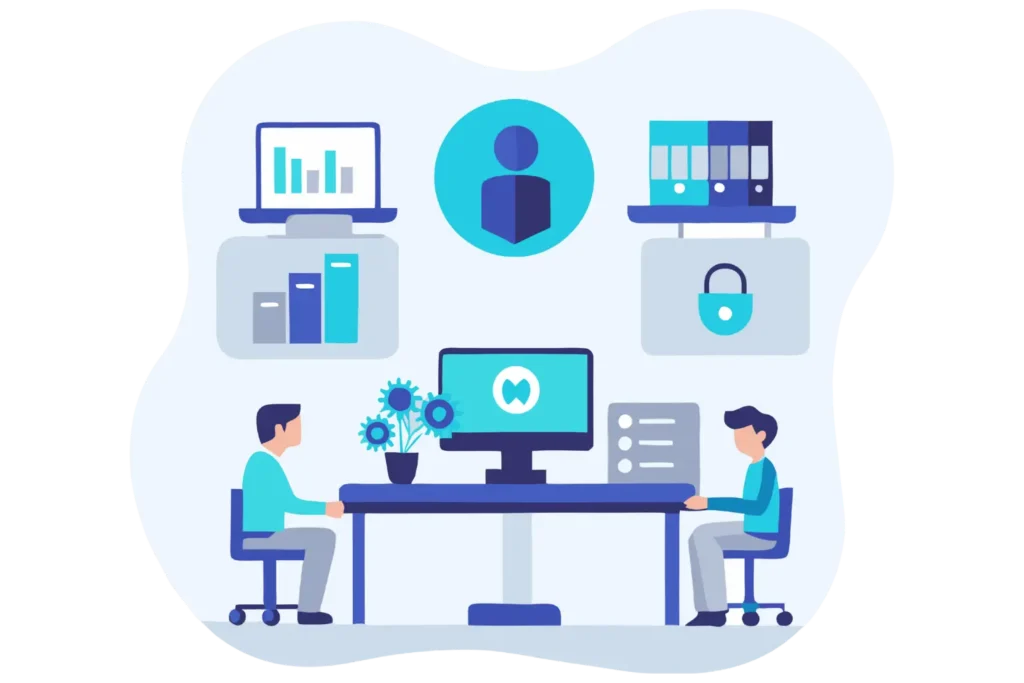

HR teams today are under constant pressure to do more with less manage employees, ensure compliance, and deliver a great experience, all while handling time-consuming administrative tasks. Relying on manual processes for onboarding, payroll, and approvals not only slows down operations but also increases the risk of errors.
This is where automated HR workflows play a crucial role.
HR appraisal software is transforming how organizations track and evaluate employee performance. By automating performance reviews, goal setting, and feedback, it helps businesses align individual goals with broader company objectives. This data-driven approach boosts employee engagement, enhances development, and supports informed decision-making.
With features like customizable templates, 360-degree reviews, and real-time insights, HR appraisal software streamlines performance management. It saves time, provides valuable data, and drives succession planning, compensation decisions, and employee development. Investing in HR appraisal software optimizes your performance management process.
By automating repetitive HR processes, organizations can streamline operations, reduce manual effort, and improve overall efficiency. With the support of a modern HRMS, businesses can ensure accuracy, speed up approvals, and create a more seamless experience for employees.
In this blog, we’ll explore what automated HR workflows are, how they work, and how they can help you transform your HR operations.
What are Automated HR Workflows?
Automated HR workflows are structured processes that use HR software to handle repetitive tasks with minimal manual intervention. Instead of relying on emails, spreadsheets, and manual follow-ups, these workflows ensure that every step such as approvals, notifications, and data updates happens automatically based on predefined rules.
In simple terms, automated HR workflows replace manual HR tasks with a streamlined, system-driven process that improves consistency and efficiency.
For example, when an employee submits a leave request, the system automatically routes it to the reporting manager for approval. Once approved, the leave balance is updated instantly, and the employee is notified all without HR needing to intervene.
By eliminating repetitive manual work, automated HR workflows help organizations save time, reduce errors, and ensure that HR processes run smoothly.
Benefits of Automated HR Workflows
Implementing automated HR workflows can significantly improve the way HR teams operate. By reducing manual effort and streamlining processes, organizations can achieve better efficiency and accuracy across all HR functions. It also helps create a more agile HR environment where processes are completed faster and with greater consistency.
Saves Time and Boosts Productivity
HR teams spend a large portion of their time on repetitive administrative tasks. Automating these processes reduces manual workload and allows HR professionals to focus on strategic activities like employee engagement and talent development. This shift not only improves productivity but also adds more value to overall business operations.
Reduces Errors and Improves Accuracy
Manual data entry often leads to mistakes in payroll, attendance, and employee records. Automated workflows ensure that data is processed consistently, minimizing errors and improving overall accuracy. This is especially important for maintaining reliable employee data and avoiding costly mistakes.
Speeds Up Approvals and Processes
With automated workflows, requests such as leave applications, reimbursements, and approvals are processed faster. This eliminates delays and keeps operations running smoothly. Faster turnaround times also help improve internal communication and decision-making.
Enhances Employee Experience
Employees expect quick responses and transparency. Automation enables real-time updates, faster approvals, and a seamless experience, which improves overall employee satisfaction. A smoother HR process also builds trust and engagement among employees.
Ensures Compliance and Consistency
Automated workflows follow predefined rules and approval hierarchies, ensuring that company policies are applied consistently, and compliance requirements are met. This reduces the risk of policy violations and helps organizations stay audit-ready.
Key HR Processes You Can Automate
Automated HR workflows can be applied across various HR functions to improve efficiency and reduce manual effort. By automating key processes, organizations can ensure smoother operations, minimize delays, and improve coordination across teams. This not only enhances productivity but also creates a more structured and scalable HR environment.
Employee Onboarding
Onboarding is one of the most time-consuming HR processes, involving multiple steps such as document collection, policy sharing, and task assignments. Automation helps streamline these activities by creating predefined workflows that guide new hires through each step.
With automated onboarding, HR teams can assign tasks to different departments, send welcome emails, and ensure all necessary documentation is completed on time. This reduces manual follow-ups and ensures a smooth, consistent onboarding experience for every employee from day one.
Leave and Attendance Management
Managing leave requests and tracking attendance manually can lead to errors and confusion. Automated workflows simplify this process by allowing employees to apply for leave through a centralized system.
Requests are automatically routed to the appropriate manager for approval, and once approved, leave balances are updated in real time. Attendance data is also tracked accurately, helping HR teams maintain reliable records while reducing administrative effort.
Performance Management
Performance management requires continuous tracking, regular feedback, and structured review cycles. Automated workflows help streamline this process by scheduling evaluations, sending reminders to managers, and tracking employee goals.
This ensures that performance reviews are conducted on time and in a consistent manner. It also helps organizations build a culture of continuous feedback, improving employee development and overall productivity.
Employee Offboarding
Offboarding involves multiple steps, including exit formalities, knowledge transfer, asset recovery, and final settlements. When handled manually, it is easy to miss important steps.
Automation ensures that each part of the offboarding process is completed systematically. Tasks are assigned automatically, checklists are followed, and all necessary actions are tracked, creating a smooth and compliant exit experience for employees.
Employee Data and Document Management
Managing employee records and documents manually can be time-consuming and prone to errors. Automated workflows help HR teams collect, store, and organize employee data in a centralized system.
This ensures that all documents are easily accessible, securely maintained, and updated in real time. It also simplifies compliance and reduces the risk of data loss or duplication, making HR operations more efficient and reliable.
How Automated HR Workflows Work
Automated HR workflows operate on a simple yet effective logic that ensures tasks are completed without manual intervention. These workflows are designed to follow predefined rules, making HR processes faster, more consistent, and error-free.
At a basic level, every automated workflow follows three key steps:
- Trigger: An action initiates the workflow (for example, an employee submits a leave request or completes onboarding forms)
- Action: The system automatically performs the required steps (such as sending approval requests or assigning tasks)
- Outcome: The final result is updated in the system (like leave approval, status update, or task completion)
This structured approach eliminates the need for constant follow-ups and manual tracking. It ensures that every process flows smoothly from start to finish without delays.
In a modern HRMS, these workflows can also be customized based on company policies, approval hierarchies, and specific business needs. This flexibility allows organizations to create workflows that match their internal processes while maintaining efficiency and control.
Challenges Without HR Automation
Organizations that rely on manual HR processes often face several operational challenges that impact efficiency and productivity. As the workforce grows, these issues become even more difficult to manage, leading to delays, errors, and increased workload. Over time, these inefficiencies can slow down overall business operations and prevent HR teams from functioning effectively.
Delayed Approvals and Slow Processes
Manual workflows depend heavily on emails, spreadsheets, and constant follow-ups, which can delay approvals and slow down important HR activities. This often creates bottlenecks, especially when multiple stakeholders are involved in decision-making.
For example, a simple leave request may take days to get approved due to missed emails or delayed responses. Such delays not only affect employee satisfaction but also disrupt day-to-day operations and planning.
Increased Chances of Errors
Handling employee data, attendance, and records manually increases the risk of mistakes, which can lead to confusion and rework. Even small errors, such as incorrect data entry or missed updates, can create larger operational issues over time.
Inaccurate records can impact reporting, decision-making, and compliance, making it difficult for organizations to maintain reliable HR data.
Higher Administrative Workload
HR teams spend a significant amount of time on repetitive tasks such as updating records, tracking attendance, and managing approvals. This leaves less time for strategic initiatives like employee engagement, training, and performance improvement.
As a result, HR professionals often get stuck in administrative work instead of focusing on activities that drive business growth and employee development.
Lack of Transparency
Without a centralized system, it becomes difficult to track the status of requests and processes, leading to miscommunication and inefficiencies. Employees and managers often lack visibility into approvals, updates, and workflow progress.
This lack of transparency can create confusion, increase dependency on HR teams for updates, and slow down decision-making across the organization.
Inconsistent Employee Experience
Delays, errors, and lack of communication can negatively impact employee satisfaction and trust in HR processes. Employees may feel frustrated when their requests are not handled efficiently or when there is no clarity on process timelines.
Over time, this inconsistency can affect employee engagement, reduce trust in HR systems, and impact overall workplace experience.
These challenges not only affect HR efficiency but can also impact overall business performance. As organizations grow, relying on manual processes becomes increasingly unsustainable, making HR automation a critical step toward building efficient and scalable operations.
How an HRMS Helps Automate HR Workflows
A modern HRMS plays a crucial role in simplifying and automating HR workflows. Instead of managing multiple tools, spreadsheets, and manual processes, an HRMS brings everything into one centralized platform, making HR operations more efficient and structured.
Centralizes All HR Processes
An HRMS consolidates employee data, documents, and HR activities in one place. This eliminates the need to switch between systems and ensures better data management and accessibility. With all information stored centrally, HR teams can easily access and manage records without delays or duplication.
Automates Repetitive Tasks
Routine tasks such as onboarding workflows, leave approvals, and document management can be automated. This reduces manual effort and allows HR teams to focus on more strategic responsibilities. Automation also ensures that tasks are completed consistently without missing any important steps.
Streamlines Communication and Approvals
With built-in workflow automation, requests are automatically routed to the right stakeholders. Notifications and reminders ensure that approvals are completed on time without constant follow-ups. This improves coordination between teams and reduces unnecessary communication delays.
Provides Real-Time Visibility
An HRMS offers real-time tracking of HR processes, giving both employees and managers complete visibility into requests, approvals, and status updates. This transparency helps in better decision-making and avoids confusion across teams.
Improves Overall Efficiency
By reducing manual intervention and automating workflows, an HRMS helps organizations operate more efficiently. It ensures faster processes, better accuracy, and a smoother HR experience. Over time, this leads to improved productivity and more streamlined operations.
With the right HRMS in place, organizations can move beyond administrative tasks and focus on building a more productive and engaged workforce.
Conclusion
Managing HR processes manually might have worked in the past, but it no longer meets the demands of modern workplaces. As organizations grow, the need for speed, accuracy, and consistency becomes critical and that’s exactly where automated HR workflows make a real impact.
By automating routine tasks and streamlining processes, businesses can reduce manual effort, eliminate errors, and create a smoother, more efficient HR experience for both teams and employees. It also empowers HR professionals to shift their focus from administrative work to strategic initiatives that drive real business value.
If you’re looking to simplify your HR operations and improve efficiency, now is the right time to make the shift.
Book a demo today and see how our HRMS can help you automate workflows, streamline processes, and transform your HR operations.
Frequently Asked Questions
What are automated HR workflows?
Automated HR workflows are structured, software-driven processes that handle repetitive HR tasks without manual intervention. Instead of relying on emails, spreadsheets, or constant follow-ups, these workflows use predefined rules to automatically manage tasks such as onboarding, leave approvals, performance tracking, and document management. By automating these processes, organizations can ensure consistency, reduce errors, and improve overall operational efficiency.
Why are automated HR workflows important?
Automated HR workflows are important because they help organizations eliminate time-consuming manual processes and improve productivity. They ensure that HR tasks are completed faster and more accurately while reducing the chances of human error. Additionally, automation enhances employee experience by providing quicker responses, better transparency, and smoother interactions with HR systems. This ultimately leads to improved efficiency and better workforce management.
Which HR processes can be automated?
A wide range of HR processes can be automated to improve efficiency and reduce administrative workload. These include employee onboarding, leave and attendance management, performance management, employee data and document management, and offboarding processes. Automating these tasks ensures that HR operations run smoothly, reduces delays, and allows HR teams to focus on strategic initiatives rather than repetitive administrative work.
How does an HRMS help in automating workflows?
An HRMS (Human Resource Management System) helps automate HR workflows by centralizing all HR functions into a single platform. It allows organizations to create customized workflows, define approval hierarchies, and automate repetitive tasks such as approvals, notifications, and data updates. With real-time tracking and reporting, an HRMS improves visibility, reduces manual effort, and ensures that all HR processes are executed efficiently and consistently.
Are automated HR workflows suitable for small businesses?
Yes, automated HR workflows are highly beneficial for small businesses as well as large enterprises. For small teams, automation helps save time, reduce dependency on manual processes, and improve accuracy without requiring additional resources. It also enables businesses to scale their HR operations efficiently as they grow, ensuring that processes remain organized and manageable even with an increasing workforce.
Ready to Simplify Your HR Workflows?
If you’re looking to reduce manual work, speed up HR processes, and improve overall efficiency, it’s time to switch to a smarter solution.
With the right HRMS, you can automate your HR workflows, streamline operations, and create a better experience for your employees all from a single platform.
👉 Explore how our HRMS can help you automate HR workflows and boost efficiency today


_JiluXJRGNl.svg)























