
Finance Operations Software: The Smarter Way to Run Your Business Finances in 2026

Running a growing company means managing invoices, subscriptions, approvals, and revenue reports across a dozen scattered tools. Most finance teams still stitch together spreadsheets, emails, and disconnected apps just to close the books each month. That’s where finance operations software comes in a single system built to automate billing, tracking, and reporting so finance teams can focus on strategy instead of manual data entry.
- This type of software centralizes billing, invoicing, and revenue tracking into one connected system, replacing scattered spreadsheets.
- Manual finance processes create billing errors, slow reconciliation, and fragmented revenue visibility as a business scales.
- The right platform combines automated billing, CPQ, subscription management, and real-time reporting in one place.
- Choosing a platform means matching it to your billing model, checking integrations, and confirming your team can adopt it quickly.
This kind of platform isn’t just another accounting tool. It connects billing, subscription management, revenue tracking, and compliance into one workflow, giving finance leaders real visibility into cash flow without chasing numbers across ten different tabs. Teams that adopt it usually notice the difference within the first billing cycle: fewer errors, faster approvals, and a much clearer picture of where the business actually stands financially.
What Does Finance Operations Software Actually Do?
At its core, this type of platform automates the repetitive, error-prone tasks that eat up a finance team’s day. Instead of manually generating invoices or reconciling payments in spreadsheets, it handles these processes automatically, accurately, and on a fixed schedule that doesn’t depend on someone remembering to hit send. It pulls billing, payments, and customer records into one dashboard, so finance teams stop switching between a CRM, an accounting tool, and a spreadsheet just to answer a simple question about an account.
Beyond invoicing, this type of platform gives leadership a live view of recurring revenue, one-time charges, and upcoming renewals. Instead of waiting until month-end to understand where the business stands financially, teams can check dashboards updated in real time. That visibility helps founders and CFOs make faster, better-informed decisions about hiring, spending, and growth, rather than reacting to numbers that are already weeks old by the time they’re compiled by hand.
Just as importantly, it removes the manual, repetitive work that eats into a finance team’s week. Recurring invoices, payment reminders, and approval workflows run automatically instead of requiring someone to re-enter the same data every billing cycle. Teams that used to spend days each month on this kind of repetitive work can redirect that time toward forecasting, planning, and the strategic finance work that actually requires human judgment.
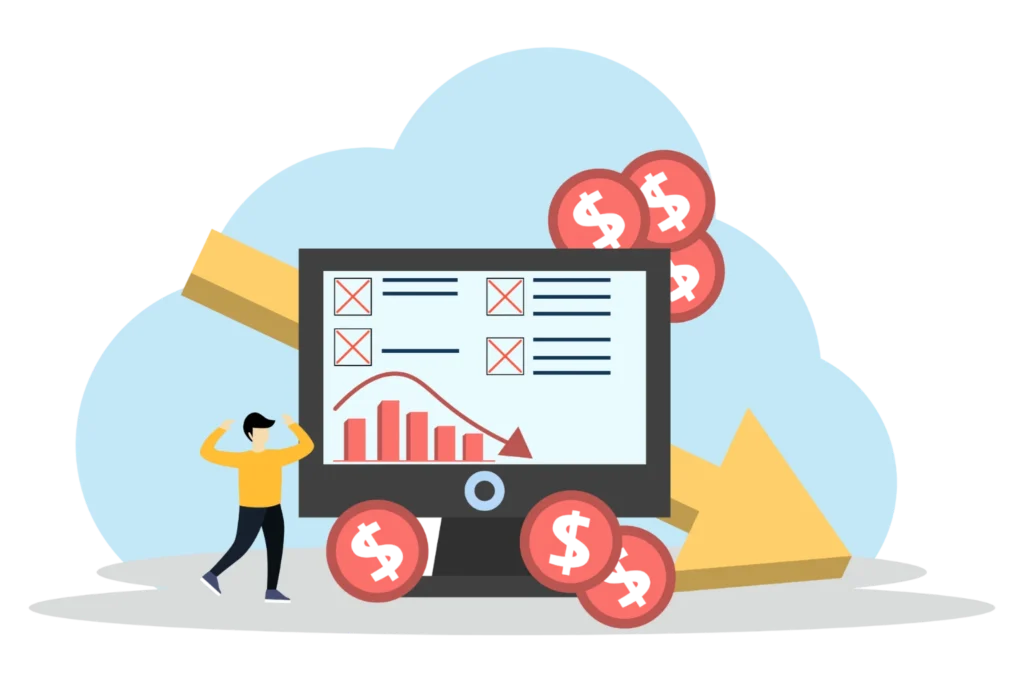
Manually chasing late payments drains hours your finance team doesn’t have.
Key Features to Look for in Finance Operations Software
Not every platform labeled this way offers the same depth of functionality, and the differences matter once you’re relying on the system every single day. Here are the features that actually move the needle for growing teams.
CPQ (Configure, Price, Quote) Capabilities
Sales teams need to generate accurate quotes quickly, especially for complex pricing models with tiers, bundles, or usage-based charges. Built-in CPQ tools keep pricing consistent between sales and finance, preventing the mismatched quotes and invoices that create customer disputes down the line. Once a quote is approved, it should flow directly into billing without manual re-entry.
Subscription and Contract Management
For subscription billing , tracking renewals, upgrades, downgrades, and cancellations manually is nearly impossible at scale. The system should manage the full subscription lifecycle automatically, alerting teams to upcoming renewals and handling mid-cycle plan changes without manual recalculation, especially across hundreds or thousands of active accounts.
Reporting and Revenue Analytics
Strong platforms give finance leaders dashboards that break down revenue by product, customer segment, or time period. Instead of building reports manually in spreadsheets every month, teams get accurate, real-time analytics they can use immediately for board meetings or investor updates, with anomalies flagged automatically rather than discovered weeks later.
Payment Gateway and Multi-Currency Support
Businesses selling internationally need billing that handles multiple currencies, local tax rules, and a range of payment methods without extra manual setup for each new region. A platform with built-in gateway and currency support lets finance teams expand into new markets without rebuilding billing logic from scratch every time.
Role-Based Access and Approval Controls
As finance teams grow, not everyone should have the same level of access to billing, pricing, or customer records. Role-based permissions let teams control exactly who can approve discounts, issue refunds, or edit contract terms, reducing the risk of costly mistakes or unauthorized changes slipping through unnoticed.
Building revenue reports by hand every month takes time your team could spend on strategy.
Automated dashboards turn raw billing data into decisions instantly, without extra spreadsheet work.
Benefits of Using Finance Operations Software in Business
Adopting the right features is only half the equation what actually matters is how those features change day-to-day work for a finance team. The benefits below are what most businesses notice first once billing, reporting, and subscriptions run through one connected system instead of a patchwork of spreadsheets and disconnected tools.
Real-Time Revenue Visibility
Instead of waiting for a month-end report to understand where the business stands, finance leaders can check current numbers whenever they need to. That kind of up-to-date visibility makes it far easier to spot a slowdown early and adjust before it becomes a bigger problem.
Reduced Manual Errors
Every manual step in a billing process is a chance for a typo, a missed line item, or a miscalculated total. Automating those steps removes the risk almost entirely, since the same rules apply consistently to every invoice and every customer, without anyone needing to double-check the math by hand.
Improved Team Productivity
When routine tasks like invoicing and reconciliation run on their own, finance staff spend less time on repetitive data entry and more time on the work that actually requires judgment, like forecasting, planning, and pricing strategy.
Better Cash Flow Management
Predictable, automated billing cycles combined with timely payment reminders mean money arrives on a more consistent schedule. That predictability makes it easier to plan spending and investment decisions with confidence instead of guessing at what’s coming in.
Easier Compliance and Audit Readiness
With every transaction logged automatically in one system, pulling records for an audit or compliance review becomes a quick export instead of a weeks-long scramble through inboxes and old spreadsheets.
How Finance Operations Software Improves Business Efficiency
Beyond automating individual tasks, this kind of system changes how the entire finance function operates day to day, shifting the team’s time away from cleanup and toward planning.
It Shortens the Monthly Close
Closing the books at month-end typically means chasing down invoices, reconciling payments, and double-checking numbers across systems. A connected platform keeps every transaction updated in real time, so the close process takes days instead of weeks, and leadership gets final numbers early enough to actually act on them.
Unauthorized Recurring Charges
When sales, finance, and operations all work from the same platform, miscommunication drops significantly. Everyone gets visibility into the same billing and revenue data, so sales can quote accurately and finance can invoice without back-and-forth clarification emails or disputes over what a customer actually agreed to.
It Scales With the Business
Manual processes that work for ten customers break down at a hundred. A well-built platform is designed to handle growing transaction volume without requiring the finance team to grow at the same rate, so businesses can scale revenue without proportionally scaling headcount in finance.
It Reduces Errors That Cost Time Later
Every manual entry is a chance for a mistake, and mistakes caught late cost far more time to fix than the seconds it would have taken to prevent them. Automated workflows apply the same rules consistently every time, catching mismatches before an invoice ever reaches a customer instead of after a complaint arrives.
It Frees Up Finance Leaders for Strategic Work
When routine billing and reconciliation run on their own, finance leaders spend less time approving line items and more time on forecasting, pricing strategy, and planning for growth. That shift changes finance from a purely reactive function into one that actively shapes business decisions.
It Improves Cash Flow Predictability
Automated billing and consistent reminders mean payments arrive on a more predictable schedule instead of trickling in whenever a customer gets around to it. That predictability makes it far easier to plan spending, hiring, and investment decisions with confidence rather than guesswork.
Growing transaction volume shouldn’t mean growing your finance headcount at the same pace.
The right system scales invoicing and reporting automatically as you add customers, no extra hires required.
Choosing the Right Finance Operations Software for Your Business
With so many platforms on the market, picking the right one comes down to matching features to your actual business model and growth stage, rather than choosing whichever tool has the longest feature list.
Match the Platform to Your Billing Model
If your business runs on subscriptions, usage-based pricing, or complex contracts, look for a platform built specifically for those models. A tool designed mainly for simple one-time invoicing won’t handle renewals, proration, or tiered pricing well, and you’ll end up building manual workarounds anyway.
Check for Integration With Your Existing Tools
The system should connect smoothly with your CRM, accounting system, and payment processors. Poor integrations mean data still has to be manually copied between systems, which defeats the purpose of automating in the first place. Ask vendors directly how their platform integrates with the tools your team already relies on.
Consider Ease of Adoption for Your Team
The most powerful platform won’t help much if your team finds it too complex to use daily. Look for a system with a clean interface and a reasonable learning curve, so your finance team can start seeing value within weeks, not months, of implementation.
Look Beyond the Sales Demo
A polished demo is designed to show a platform at its best, which makes it a poor substitute for understanding how the tool performs on an ordinary Tuesday with real customer data. Ask vendors for a trial period long enough to run an actual billing cycle, and talk to a few existing customers about support response times and how painful data migration turned out to be.
Confirm the Platform Can Grow With You
A platform that fits your business today should also be able to handle double or triple the transaction volume without falling apart. Ask vendors how their pricing and performance change as you scale, so you’re not forced into another painful migration in two years just as things start working smoothly.
Why Choose Revenue 365
Most finance teams don’t struggle because they lack effort they struggle because their billing, quoting, and reporting tools were never built to work together. Renewals get tracked in one spreadsheet, quotes get built in another tool, and revenue reports get assembled by hand right before every board meeting. Revenue 365 was built to close that gap, bringing billing, CPQ, and subscription management into a single Microsoft 365-based platform so finance teams stop losing hours to reconciling numbers across disconnected systems.
Instead of forcing a business to adapt to rigid billing logic, Revenue 365 handles recurring invoices, usage-based pricing, and multi-currency billing out of the box, while giving finance leaders real-time dashboards for revenue and renewals. Because it’s built on Microsoft 365, teams already working in that ecosystem can adopt it without the steep learning curve or lengthy migration that often comes with switching finance platforms, making it a practical fit for growing businesses that need automation without adding complexity.
Conclusion
Finance operations software has become less of a nice-to-have and more of a necessity for businesses managing subscriptions, recurring billing, or complex pricing models. It centralizes invoicing, automates reconciliation, and gives finance leaders real-time visibility into revenue all without adding headcount. As your business grows, the manual processes that once worked will start slowing you down, and that’s exactly the gap this kind of platform is built to close.
Choosing a system that fits your billing model, integrates with your existing stack, and is easy for your team to adopt will make the difference between a smooth transition and a frustrating one. Platforms like Revenue 365 show what that looks like in practice automation that reduces manual work without forcing a finance team to overhaul how it already operates.
Manual billing processes only get harder to manage as your customer base grows.
See how the right billing platform keeps invoicing, revenue, and reporting effortless at any scale.
Frequently Asked Questions
What is this type of platform used for?
It automates core finance tasks like billing, invoicing, subscription management, and revenue reporting, replacing manual spreadsheets and disconnected tools with one connected system that stays consistent as the business grows.
Is this kind of platform only for large enterprises?
No. Growing small and mid-sized businesses often benefit the most, since manual finance processes tend to break down quickly as transaction volume increases, long before a company reaches enterprise scale.
How is it different from basic accounting software?
Accounting software mainly tracks transactions after they happen. This type of platform actively manages the billing, quoting, and subscription workflows that generate those transactions in the first place, rather than simply recording them after the fact.
Can it handle usage-based or tiered pricing?
Yes, most modern platforms in this category support usage-based billing, tiered pricing, and hybrid models, calculating charges automatically based on the rules you set rather than requiring manual recalculation each cycle.
How long does it take to implement a system like this?
Implementation timelines vary by platform and complexity, but many businesses can get core billing and invoicing workflows running within a few weeks with proper onboarding support, especially if existing data is already reasonably organized.


_JiluXJRGNl.svg)























