Maintenance and Lifecycle
Maximize the Efficiency and Lifespan of Your Assets
Manage assets with preventive maintenance, real-time tracking, and lifecycle monitoring to boost efficiency and minimize downtime.
Enhance Asset Life with Smart Maintenance
Extend your assets’ life with regular maintenance, reducing downtime and keeping them running at peak performance.

Preventive Maintenance
Perform regular maintenance to avoid breakdowns and extend asset life, helping to reduce unexpected repairs and downtime.

Real-Time Monitoring
Track asset performance continuously to identify issues early, ensuring smooth operations and quick response times.
Lifecycle Tracking
Manage the full asset lifecycle from acquisition to disposal, optimizing performance, upgrades, and replacements when needed.
Condition-Based Maintenance
Perform maintenance based on the asset’s condition, reducing unnecessary services and ensuring efficient use of resources.
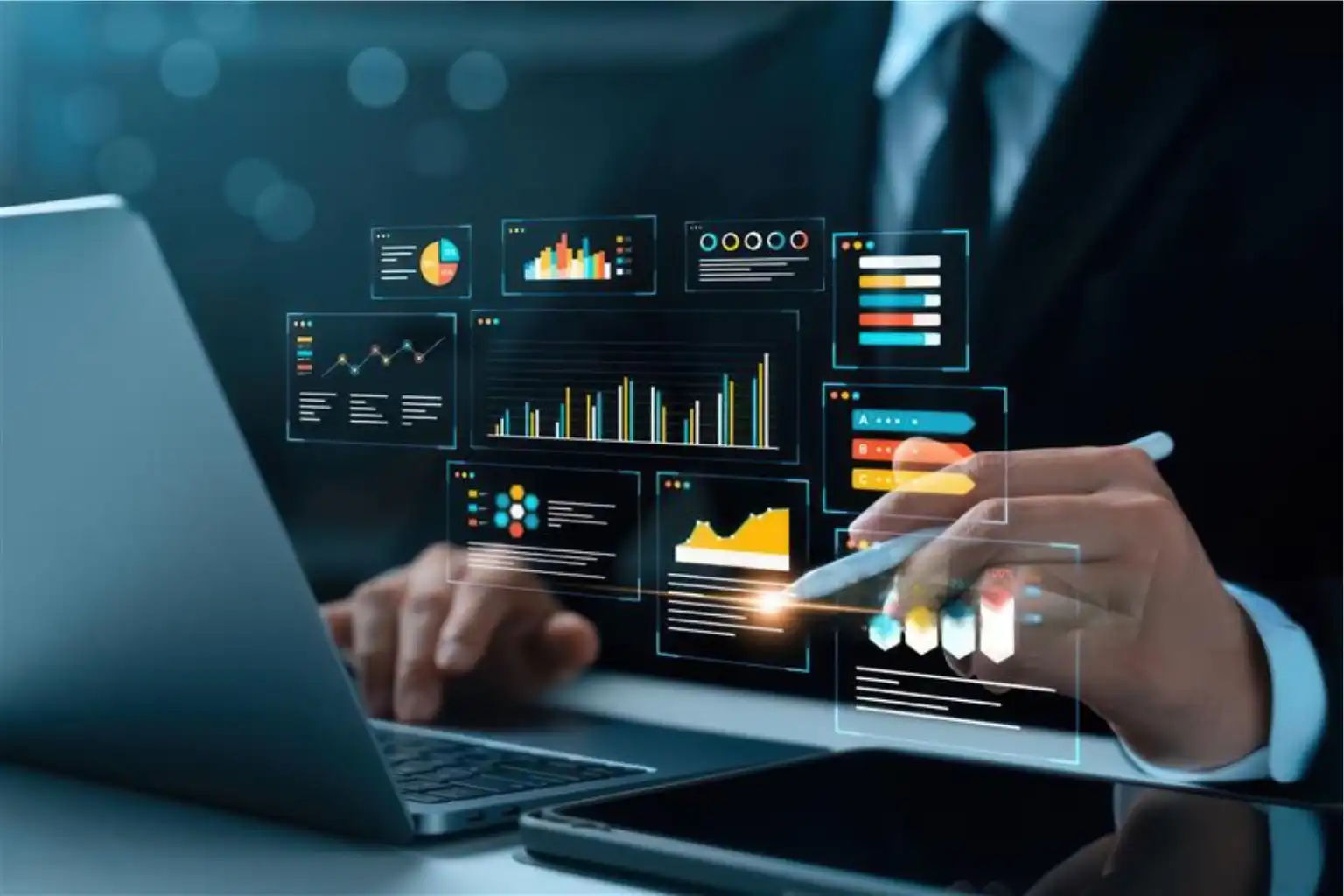
Prolong Asset Life with Preventive Maintenance
Keep your assets performing at their best from start to finish. Smart maintenance and condition-based monitoring help reduce costs and maximize asset longevity.
Scheduled Inspections & Alerts
Set up regular inspections to assess asset condition and receive automatic notifications for upcoming maintenance, ensuring nothing is missed.
Parts & Inventory Management
Track spare parts and materials for maintenance, ensuring you have everything on hand when repairs are needed, reducing delays and keeping assets running smoothly.
Maintenance History & Tracking
Keep a detailed record of all maintenance activities, repairs, and upgrades for each asset, helping you monitor performance and make informed decisions for future maintenance or replacements.
Energy & Condition Monitoring
Monitor energy consumption and asset condition in real-time to identify inefficiencies, prevent unnecessary repairs, and ensure optimal performance.
Predictive & Condition-Based Maintenance
Use real-time data to predict when maintenance is needed based on the asset’s condition, reducing unnecessary service and minimizing downtime.
Where Real-Time Monitoring Drives Asset Performance
Monitor asset health and performance in real-time to ensure maximum efficiency, reduce unexpected downtime, and extend asset life by addressing issues before they arise.

Immediate Issue Detection
Detect potential problems as they happen, allowing for fast intervention and minimizing disruptions.
Optimized Asset Utilization
Track asset performance to ensure efficient use, reducing wear and improving productivity.

Proactive Maintenance
Plan maintenance based on actual asset conditions, preventing unnecessary repairs and keeping operations running smoothly.

Cost Savings
Avoid costly breakdowns and repairs by identifying issues early, saving money on emergency fixes and extending asset lifespan.
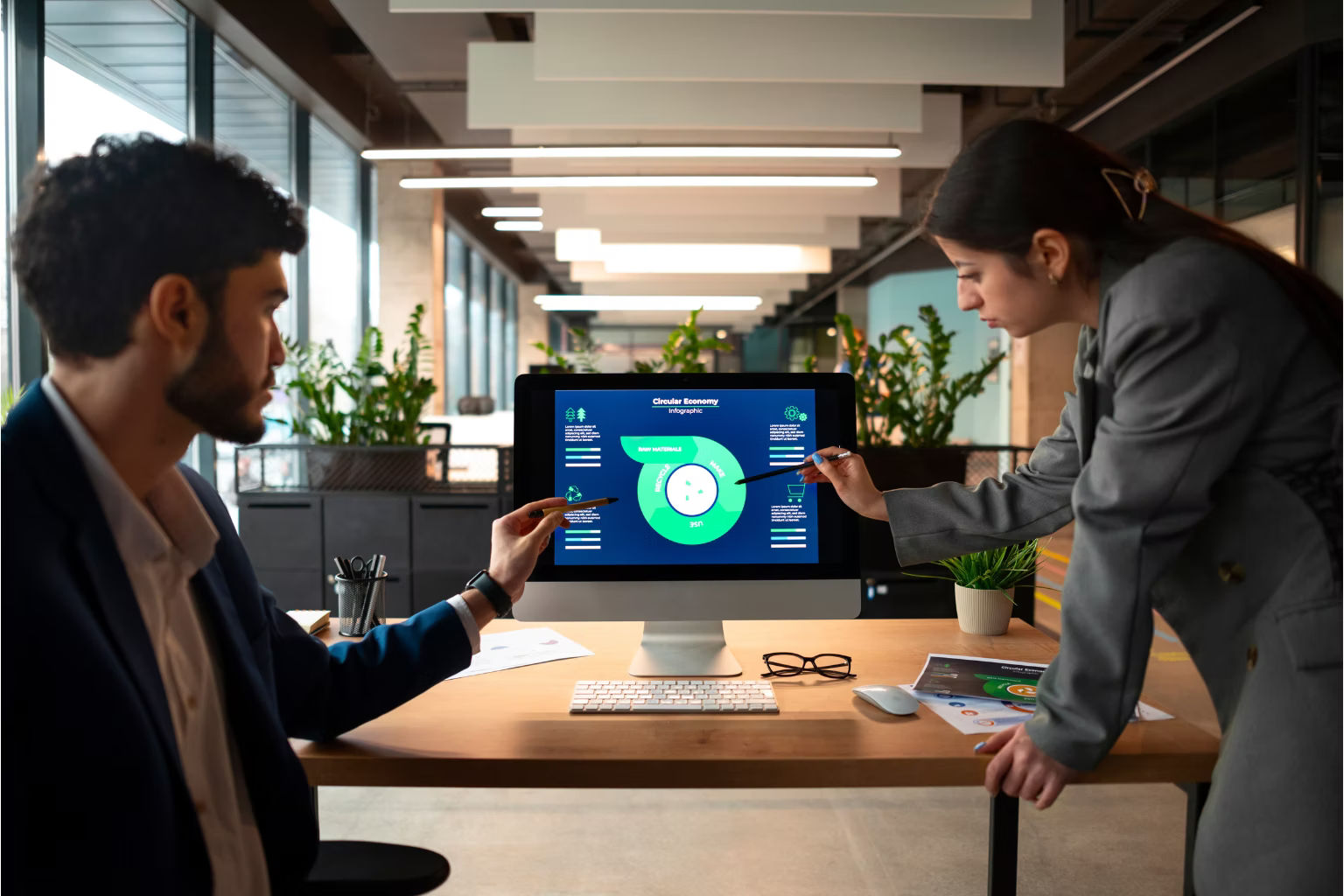
Why Optimize Asset Lifecycles?
Modern businesses need more than just functional assets—they need assets that provide long-term value. Optimizing asset lifecycles ensures maximum performance, minimal downtime, and cost efficiency. Here’s how effective lifecycle management makes a difference:
Extended Asset Lifespan
Regular maintenance and timely upgrades help your assets last longer, delaying costly replacements.
Improved Efficiency
Monitoring and tracking assets throughout their lifecycle ensures they perform at peak efficiency, reducing operational disruptions.
Better Resource Allocation
With proper lifecycle management, resources are allocated effectively, ensuring you’re investing in the right assets at the right time.
From Preventive Maintenance to Real-Time Monitoring,
Everything runs smoother with optimized asset lifecycles
Frequently Asked Questions
Maintenance and lifecycle management is the process of tracking and optimizing the entire lifecycle of an asset—from acquisition and installation to maintenance, upgrades, and eventual disposal. It ensures that assets perform at their best, reducing downtime and extending their useful life.
Preventive maintenance involves regularly scheduled checks and repairs to prevent unexpected failures. By addressing small issues before they escalate, preventive maintenance helps extend asset life, improve performance, and minimize downtime.
Yes, lifecycle tracking helps optimize the use of assets by ensuring timely maintenance, upgrades, and replacements. By managing the entire lifecycle effectively, businesses can reduce unnecessary spending on repairs, replacements, and energy costs.
Condition-based maintenance involves monitoring an asset’s performance and scheduling maintenance based on its actual condition. This ensures resources are used effectively, preventing unnecessary service while addressing issues before they affect performance.
Asset Management 365 helps streamline the maintenance and lifecycle management of all your assets in one platform. With real-time tracking, preventive maintenance scheduling, and lifecycle management tools, it ensures that your assets perform optimally and are maintained efficiently throughout their life.